Buying a used car can save you money, but only if you know what happened to it before it reached you. Some vehicles look clean on the surface yet hide collision damage, poor repairs, airbag deployment, or title problems that can affect safety and resale value.
That is why checking car accident history should be part of every serious used-car buying process.
A past accident does not always mean the car is a bad buy. However, it does mean you need to understand the type of damage, the quality of the repairs, and whether the asking price still makes sense. This guide explains how to check car accident history before you buy, what sources matter most, and which red flags should make you slow down or walk away.
If you want to start with the basics, you can run a vehicle history check first and compare the results with the seller’s claims.
Why Car Accident History Matters
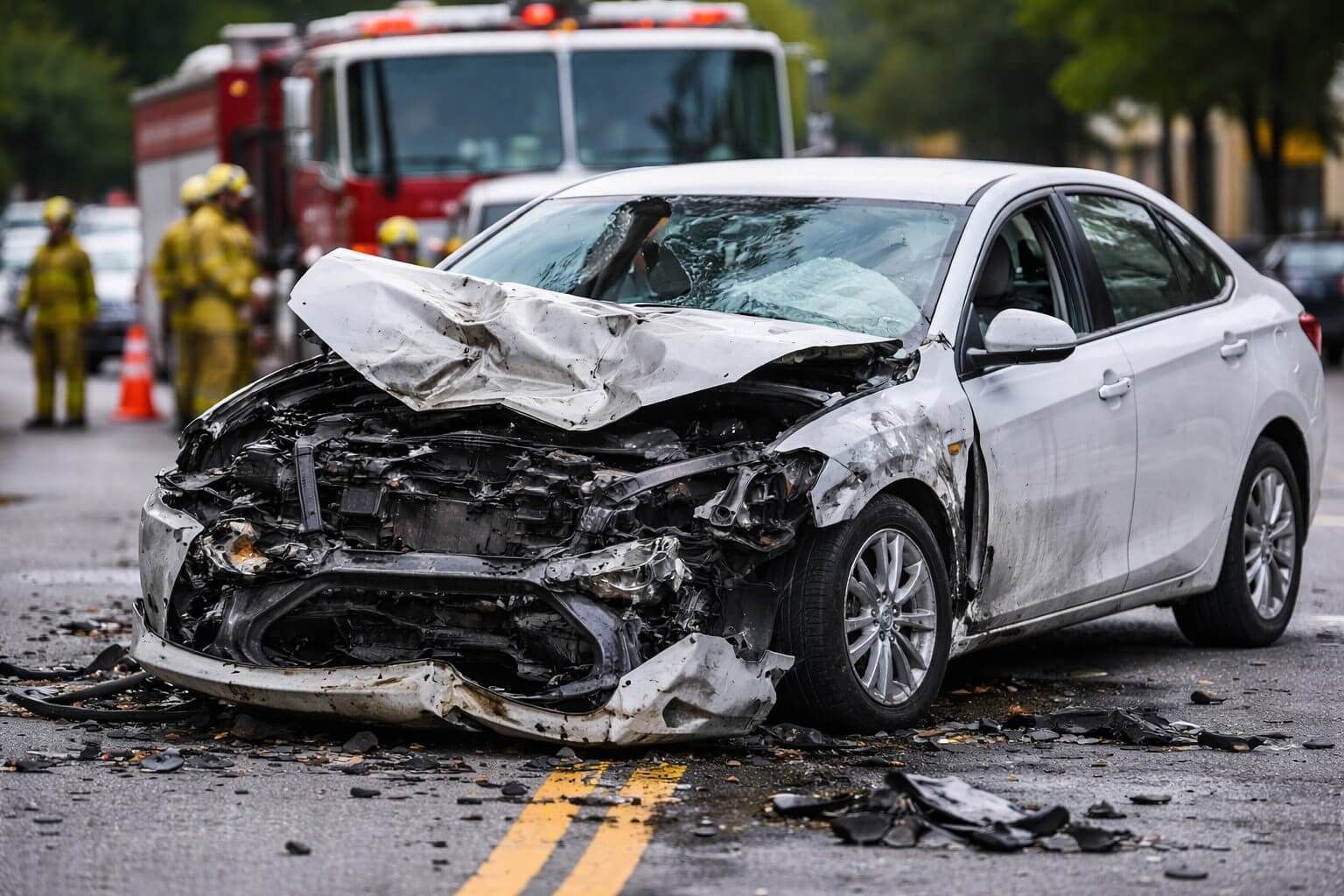
A car accident can affect much more than the body panels you can see.
Even after cosmetic repairs, a vehicle may still have hidden structural issues, electrical problems, alignment trouble, or safety-system damage that reduces its reliability and market value.
What accident history can reveal
A proper accident-history review may help uncover:
- structural or frame damage
- prior airbag deployment
- flood or fire-related damage that followed the crash
- repeated collision history
- salvage or rebuilt title records
- major insurance claims tied to serious damage
Why this matters to buyers
A used car with a serious crash history may:
- be worth less than a comparable clean-history vehicle
- cost more to maintain later
- be harder to insure or resell
- carry safety risks that are not obvious during a short test drive
That is why checking car accident history is about more than curiosity. It is a practical step to avoid overpaying and reduce risk.
Best Ways to Check Car Accident History
There is no single shortcut that tells you everything, so the smartest approach combines record checks with physical inspection.
1. Use a vehicle history report
A vehicle history report is the most reliable starting point for checking reported accidents.
These reports use the VIN to pull data from sources such as insurance companies, collision records, salvage records, repair histories, and state title systems. Depending on the source and available data, a report may show:
- reported accidents
- title branding such as salvage or rebuilt
- airbag deployment indicators
- structural damage notes
- ownership and transfer history
- mileage inconsistencies
If you want a stronger starting point, a free CARFAX report alternative can help you screen for obvious issues before you decide whether a deeper paid report is worth it.
2. Review title and damage-related records
A car may have damage history that also affected its legal title status.
What to watch for
Look for title-related problems such as:
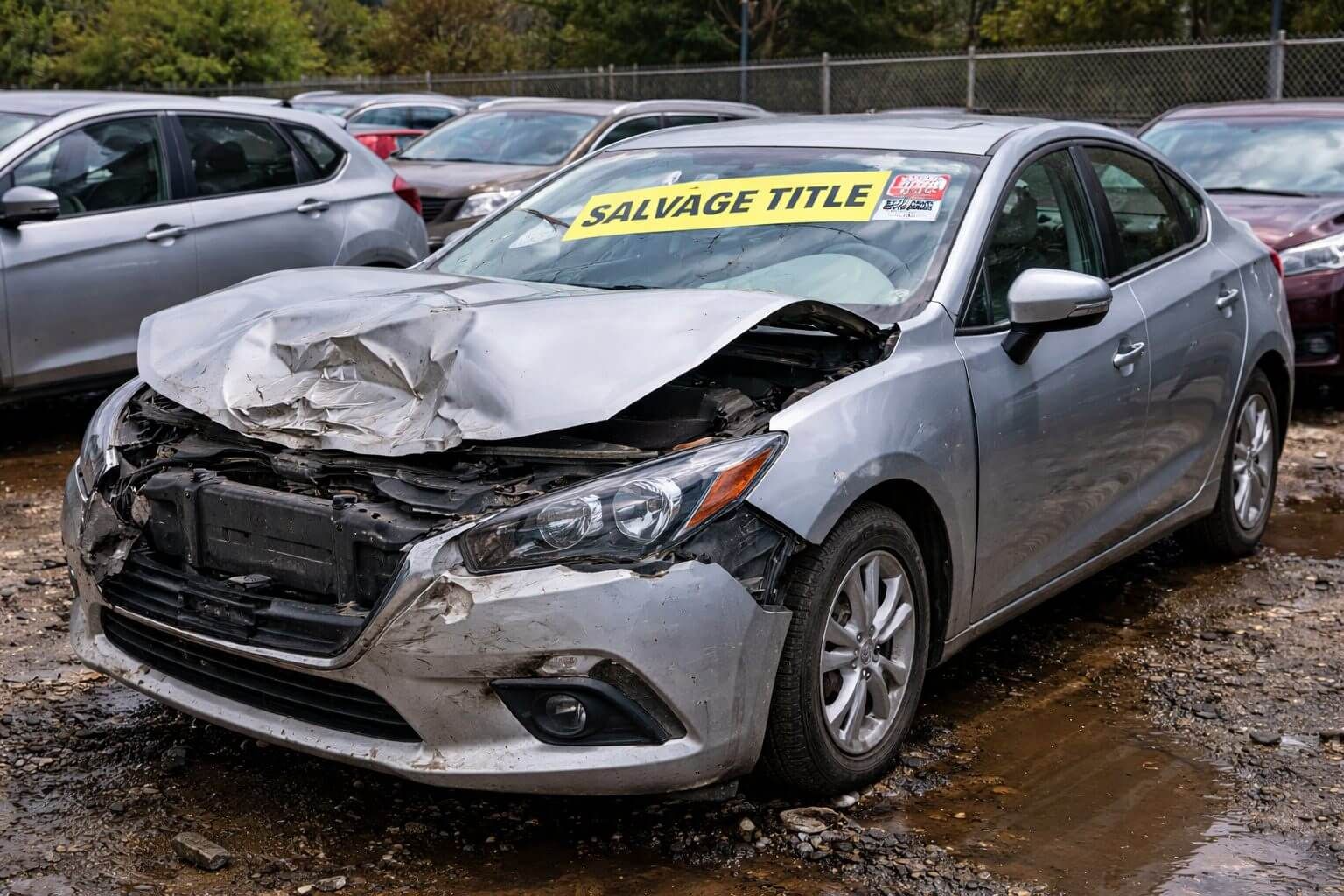
- salvage title branding
- rebuilt title history
- flood branding
- junk or nonrepairable status
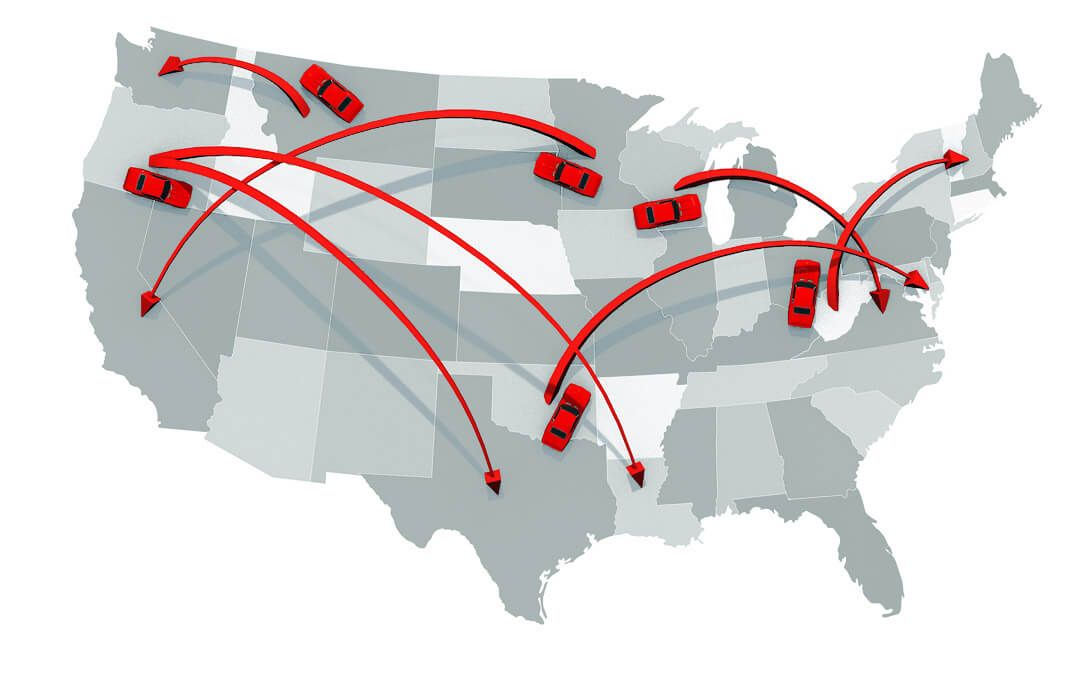
- repeated state-to-state title movement after damage
If title status is part of the concern, a free title check by VIN can help support your review.
3. Get a professional pre-purchase inspection
A mechanic can often spot crash repairs that do not appear clearly in digital records.
Common physical signs of prior accident damage
A professional inspection may reveal:
- uneven panel gaps
- mismatched paint or overspray
- non-factory welds or bolts
- bent or replaced structural components
- suspension issues or uneven tire wear
- warning lights tied to safety systems
A clean-looking report is helpful, but it should never replace a physical inspection, especially for expensive vehicles or vehicles with suspicious seller stories.
4. Compare the seller’s story with the evidence
Always compare what the seller says with what the records and the car itself show.
Questions worth asking
- Was the car ever in an accident?
- Were airbags deployed?
- Was any structural work done?
- Do you have repair receipts or insurance records?
- Why are there signs of repainting or panel replacement?
When the seller’s explanation does not match the report, the title history, or the inspection findings, that mismatch is a red flag by itself.
Where Accident History Data Comes From
Many buyers wonder how these reports gather collision information in the first place.
Common data sources
Accident-history data may come from:
- insurance claim records
- police accident reports
- salvage auctions and junk yards
- body shops and repair records
- state title agencies and DMV systems
- title databases such as NMVTIS-related sources
Not every accident gets reported into every system, which is why accident-history checks are best treated as an important screening tool, not a guarantee that nothing ever happened.
Red Flags to Watch for in an Accident History Report
Not all accidents carry the same level of risk. A minor cosmetic claim is very different from a major collision involving airbags or structural repairs.
Major warning signs
Multiple accidents in a short time
This may suggest chronic damage, poor driving history, or repeated repairs that lower confidence in the vehicle.
Salvage or rebuilt branding
This often points to serious prior damage that affected the vehicle’s legal title status.
Airbag deployment
Airbag deployment usually signals a more significant crash and raises questions about whether the repair restored factory-level safety.
Structural or frame damage
This is one of the biggest red flags because it can affect crash protection, alignment, tire wear, and long-term drivability.
Missing or incomplete history
Gaps do not always prove fraud, but they do mean you should investigate further instead of assuming the car is clean.
If flood exposure is also a concern, flood damage car check can help you recognize warning signs that may overlap with crash-related repairs.
What If the Report Looks Clean?
A clean report is a good sign, but it should not be your only basis for trust.
Some accidents are never reported to insurers or databases. Some repairs are done privately. That means a clean report lowers risk, but it does not eliminate it.
What to do even when the report looks good
- inspect the car in person
- take a full test drive
- have a mechanic check it before purchase
- compare the VIN, title, and condition carefully
- question anything that does not fit the age, mileage, or asking price
Can You Check Accident History Without a VIN?
It is much harder and far less reliable.
The VIN is the standard identifier used to connect a vehicle to accident, title, mileage, and ownership records. Some services let users search by license plate, but those systems usually rely on the VIN behind the scenes.
Where to find the VIN
You can usually find the 17-character VIN:
- on the driver’s side dashboard
- inside the driver’s side door jamb
- on the title, registration, or insurance documents
If the VIN is missing, altered, or inconsistent across documents, stop the transaction until the issue is fully explained.
Free vs. Paid Accident History Checks
Free and paid reports both have value, but they serve different purposes.
What free checks are good for
Free checks are useful for:
- screening obvious red flags early
- confirming basic title and damage concerns
- deciding whether a car is worth deeper investigation
What paid reports may add
Paid reports may provide:
- more complete ownership history
- additional service or maintenance records
- broader commercial data coverage
- deeper market and valuation context
Practical strategy for buyers
Start with a free screen. If the vehicle still looks promising, consider a more detailed paid report and a mechanic inspection before committing.
Before You Buy: Quick Accident-History Checklist
Use this checklist before you hand over money:
- get the full 17-character VIN
- run a VIN check early in the process
- review title and accident-related records
- inspect the car for repair signs and warning lights
- compare the records with the seller’s claims
- get an independent mechanic inspection
- walk away if the damage history and price do not match
Frequently Asked Questions
Can a car have a clean title and still have accident history?
Yes. A clean title does not automatically mean the car was never in an accident. Some crashes do not lead to title branding.
Does every accident appear in a vehicle history report?
No. Some accidents are never reported to insurance, police, or data providers, so they may not appear in the report.
Should I avoid any car with accident history?
Not always. Minor, well-repaired damage is different from structural damage, repeated collisions, or airbag deployment. The key is understanding the severity and whether the price reflects the risk.
What is the biggest red flag in accident history?
Structural damage, salvage or rebuilt branding, and airbag deployment are among the most serious warning signs because they often indicate a higher-impact collision.
Final Thoughts
Checking car accident history before you buy is one of the smartest ways to avoid hidden risk in the used-car market.
A good accident-history review helps you spot major damage, compare the seller’s claims with real records, and decide whether the asking price still makes sense. When combined with a title check, inspection, and careful review of the VIN, it becomes much easier to avoid costly mistakes.
Before buying any used car, take a few extra minutes to check its background. That small step can save you thousands in repairs, disputes, and regret later.
Author
Claire Holloway
Claire Holloway is a consumer automotive content specialist who covers registration history, title records, DMV-related research, and state-specific vehicle lookup guides. She creates easy-to-follow resources for buyers and sellers who want to verify a vehicle’s legal status, avoid hidden issues, and navigate documentation with more confidence. Her writing blends buyer education with clear, actionable guidance.