
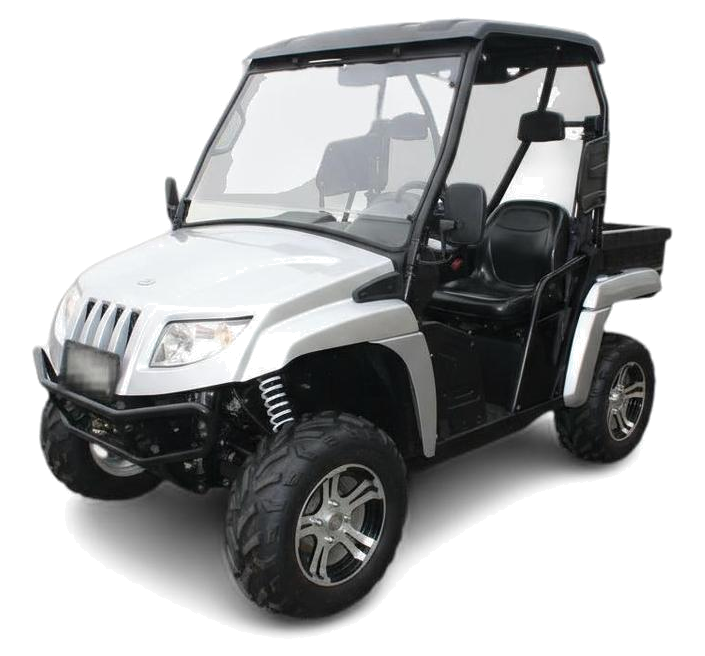
The Good
The 2011 Arctic Cat excels in powerful acceleration and superior handling, offering an exhilarating ride. Its comfortable seating and intuitive controls enhance the rider experience. Practically, it provides good value for its performance and durability, making it a wise investment for enthusiasts.
The Bad
Owners should be aware of potential issues with the Arctic Cat's clutch system, particularly in older models. Some have reported electrical gremlins and occasional overheating. Regular maintenance is crucial to mitigate these potential problems.
2011 ARCTIC CAT Arctic Cat: Quick Overview
- Engine Options: The 2011 Arctic Cat lineup featured a range of powerful engine choices. Common options included the 700cc and 1056cc engines. For example, the Z1 Turbo models utilized a 1056cc turbocharged twin-cylinder engine, while other series might have offered naturally aspirated engines.
- Horsepower: Horsepower varied significantly depending on the engine and trim. The Z1 Turbo models were known to produce upwards of 177 horsepower. Other engines could range from around 60 horsepower for entry-level models to over 120 horsepower for more performance-oriented variants.
- Fuel Economy: Specific fuel economy figures for snowmobiles are not typically measured or reported in the same way as cars. However, larger, more powerful engines, especially turbocharged ones, would naturally consume more fuel than smaller, naturally aspirated engines. Riders often report needing to refuel every 80-120 miles depending on riding conditions and throttle input.
- 0-60 Times: While precise 0-60 mph times are rarely published for snowmobiles, the 2011 Arctic Cat, particularly the turbocharged models, offered brisk acceleration, capable of reaching high speeds quickly on groomed trails. Estimates suggest these could achieve 0-60 mph in well under 5 seconds.
- Towing Capacity: Snowmobiles are not designed for towing in the conventional sense like a truck. They are personal recreational vehicles. They do not have a specified towing capacity.
- Trim-Level Features: Key trims and their features included:
- M Series (e.g., M8): Focused on mountain riding with long tracks, aggressive lugs, and lightweight chassis for deep snow maneuverability. Featured advanced suspension systems like the Arctic Cat M-Series Rear Suspension.
- XF Series (e.g., XF 1100): Crossover models designed for versatility, capable of handling both trail and off-trail conditions. Often featured a mid-length track and a balance of comfort and agility.
- Z1 Series (e.g., Z1 Turbo): Primarily trail-oriented snowmobiles known for their powerful engines, comfortable ride, and advanced features. The Z1 Turbo offered significant performance gains.
- General Features: Across various trims, riders could expect features like electric start, reverse, heated grips and thumb warmer, adjustable handlebars, and premium gauge clusters. Optional accessories often included upgraded seats, storage solutions, and wind protection.
2011 ARCTIC CAT Arctic Cat Specifications
Vehicle Information
| Year | 2011 |
| Make | ARCTIC CAT |
| Model | Arctic Cat |
| Trim | - |
| Style | - |
| Type | Recreational Vehicle |
| Category | Offroad Vehicle Low Speed Vehicle |
Manufacturing Details
| Made In | United States |
| Manufacturing City | THIEF RIVER FALLS |
Dimensions
| Doors | - |
| Curb Weight | - |
| Gross Vehicle Weight Rating | - |
| Overall Height | - |
| Overall Length | - |
| Overall Width | - |
| Wheelbase Length | - |
| Standard Seating | - |
Engine & Performance
| Engine | - |
| Engine Size | - |
| Engine Cylinders | - |
| Transmission | - |
| Transmission Type | - |
| Transmission Speeds | - |
| Drivetrain | - |
Additional Features
| Anti-Brake System | - |
| Steering Type | - |
Pricing
| Manufacturer Suggested Retail Price (MSRP) | - |
| Invoice Price | - |
| Delivery Charges | - |
Vehicle History Report
Specifications
History
Events
History Check
Check
Check
Check
Check
Listings
Recalls
Check
Analysis
What Problems Does the 2011 ARCTIC CAT Arctic Cat Have?
Another area that has seen some reports is related to electrical components. Some owners have experienced intermittent issues with sensors, ignition systems, or battery charging. These can be frustrating as they can be difficult to diagnose and may lead to the snowmobile not starting or running erratically. It is advisable to ensure all electrical connections are clean and secure, and that the battery is in good condition.
While specific recalls for the 2011 model year are not overwhelmingly numerous, it's always prudent for owners to check the official Arctic Cat website or NHTSA for any safety-related recalls that may have been issued. These recalls often address specific components that could pose a safety risk if they fail.
Long-term reliability concerns often stem from how the vehicle is maintained and used. If the snowmobile is consistently ridden in harsh conditions without proper cleaning and lubrication, or if maintenance intervals are skipped, components can wear out faster. For example, the suspension components, while generally robust, can suffer from excessive wear if not properly maintained. Similarly, the track and its associated components (idlers, bogies) require attention to ensure longevity, especially if used on abrasive surfaces or ice.
In general, the 2011 Arctic Cat models are considered to be relatively well-built, but like any complex machine, they are not immune to problems. Addressing minor issues proactively and adhering to a strict maintenance schedule are key to ensuring long-term reliability and enjoyment.
How long will the 2011 ARCTIC CAT Arctic Cat last?
What Technology & Safety Features are Included?
In terms of driver-assistance features, snowmobiles of this vintage did not typically include advanced electronic aids found in cars. The focus was on the mechanical systems that aided in control and handling. Key features contributing to control included well-engineered suspension systems, such as the Arctic Cat's Arctic Race Suspension (ARS) in the front and specific rear suspension designs tailored to the intended riding style (e.g., mountain, trail, crossover). These systems are crucial for absorbing bumps, maintaining traction, and allowing for agile maneuverability.
Safety features were primarily mechanical and design-oriented. This included reliable braking systems, sturdy chassis construction, and effective lighting for visibility. The design of the seating position and handlebars also contributed to rider control and stability. For models equipped with turbocharged engines, safety considerations also extended to engine management systems designed to prevent overheating or over-boosting.
Optional features could significantly enhance the user experience and utility. These often included upgraded windshields for better wind protection, cargo racks or bags for storage, and more advanced lighting options. While crash-test ratings are not applicable to snowmobiles in the same way they are to passenger vehicles, the durability of the chassis and components was a key consideration in their design to withstand the rigors of off-road use. Owners were also encouraged to use appropriate safety gear, such as helmets and protective clothing.
What Colors Options are Available?
2011 ARCTIC CAT Arctic Cat Prices and Market Value
2011 ARCTIC CAT Arctic Cat Cost of Ownership
2011 ARCTIC CAT Arctic Cat Fuel Efficiency
2011 ARCTIC CAT Arctic Cat Insurance
reasonable repair costs.
How Does the 2011 ARCTIC CAT Arctic Cat Compare to Other Recreational Vehicle?
Features on the 2011 Arctic Cat were competitive, with digital displays and heated components becoming more standard. However, some rivals might have offered slightly more advanced electronic features or unique chassis designs depending on the specific trim. Reliability is a point of contention; while Arctic Cat has a reputation for robust engines, some owners have reported more frequent clutch or electrical issues compared to Yamaha, which is often lauded for its bulletproof reliability. Ski-Doo offered a balanced package of performance and reliability, often appealing to a broad range of riders.
Price-wise, the 2011 Arctic Cat often presented a good value proposition, typically being competitively priced against similar performance-oriented models from Ski-Doo and Yamaha.
Alternatives to Consider:
- Ski-Doo (e.g., MXZ X-RS, Summit): Excellent all-around performance, strong reliability, and a vast dealer network. Often considered a benchmark in the industry.
- Yamaha (e.g., Nytro): Known for exceptional engine reliability and durability, though sometimes considered less nimble than competitors. Offers a smooth, powerful ride.
- Polaris (e.g., RMK, Rush): Offers strong performance, particularly in mountain segments, and innovative suspension technologies.
Final Verdict: Is the 2011 ARCTIC CAT Arctic Cat a Good Recreational Vehicle?

Drew B
Drew is a seasoned automotive expert and contributor to VinCheck.info. With nearly 15 years of experience as a former Porsche technician, he brings a wealth of hands-on knowledge to his writing. Born in North Carolina, a region renowned for its deep-rooted NASCAR culture, Drew developed a passion for cars early in life, often building and working on vehicles from a young age. At VINCheck, Drew leverages his extensive technical background to provide in-depth analyses of various vehicles. His articles often focus on engine performance, reliability, and maintenance insights, offering readers practical information grounded in real-world experience. Some of his notable contributions include reviews on the Mazda CX-5's longevity and detailed examinations of engine options for models like the 2011 Toyota Camry and Tacoma