
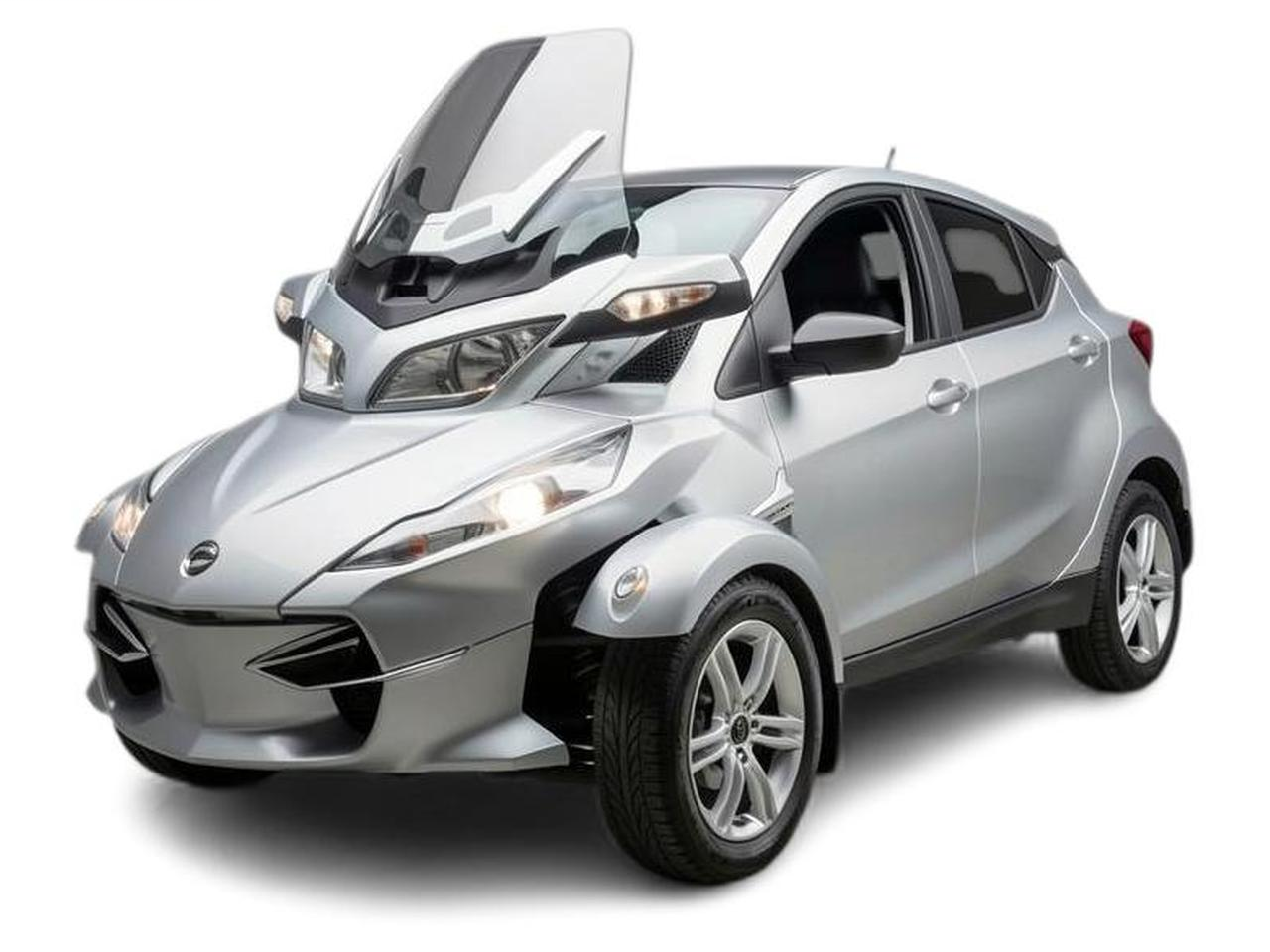
The Good
The 2011 Can-Am Spyder offers exhilarating performance with its Rotax V-twin engine, coupled with remarkable stability and comfort for long rides. Its distinctive design turns heads, appealing to emotional desires for freedom and style, while its intuitive handling provides practical ease of use and a sense of security.
The Bad
Potential buyers of the 2011 Can-Am Spyder should watch out for electrical gremlins, particularly related to sensors and the Vehicle Stability System (VSS). Transmission issues, especially with the semi-automatic models, have also been reported. Additionally, the weight and size can make low-speed maneuvering challenging for some riders.
2011 Can-Am Spyder: Quick Overview
- Engine Options: The 2011 Can-Am Spyder primarily featured a Rotax 998cc V-twin engine.
- Horsepower: This engine typically produced around 100 horsepower.
- Fuel Economy: Fuel economy varied based on riding style and model, but generally hovered around 25-35 MPG.
- 0-60 Times: Acceleration to 60 mph was brisk, often in the 5-6 second range, offering spirited performance.
- Towing Capacity: The Spyder is not designed for towing in the traditional sense, lacking a tow hitch.
- Trim-Level Features:
- RS & RS-S: These sport-oriented models featured a more aggressive stance, often with upgraded suspension and styling. The RS-S typically included features like sport wheels and a sport seat.
- RT & RT-S: Designed for touring, these trims boasted more creature comforts. Features included a larger fairing for wind protection, comfortable seating for two, ample storage (front and rear luggage compartments), a premium audio system, cruise control, and often a reverse gear. The RT-S further enhanced these with features like heated grips and seats, and more advanced audio systems.
- Common Features Across Trims: All 2011 Spyders benefited from a unique Y-shaped frame, a low center of gravity, and advanced electronic systems like ABS, traction control, and stability control, contributing to their distinctive handling and safety characteristics.
2011 Can-Am Spyder Specifications
Vehicle Information
| Year | 2011 |
| Make | Can-Am |
| Model | Spyder |
| Trim | - |
| Style | - |
| Type | Recreational Vehicle |
| Category | Special Purpose Vehicle |
Manufacturing Details
| Made In | Canada |
| Manufacturing City | VALCOURT |
Dimensions
| Doors | - |
| Curb Weight | - |
| Gross Vehicle Weight Rating | - |
| Overall Height | - |
| Overall Length | - |
| Overall Width | - |
| Wheelbase Length | - |
| Standard Seating | - |
Engine & Performance
| Engine | - |
| Engine Size | - |
| Engine Cylinders | - |
| Transmission | - |
| Transmission Type | Not Applicable |
| Transmission Speeds | - |
| Drivetrain | Not Applicable |
Additional Features
| Anti-Brake System | Not Applicable |
| Steering Type | - |
Pricing
| Manufacturer Suggested Retail Price (MSRP) | - |
| Invoice Price | - |
| Delivery Charges | - |
Vehicle History Report
Specifications
History
Events
History Check
Check
Check
Check
Check
Listings
Recalls
Check
Analysis
What Problems Does the 2011 Can-Am Spyder Have?
Another area of concern for some owners is the semi-automatic transmission. While generally reliable, instances of the transmission not shifting properly or experiencing delays have been noted. Regular maintenance, especially of the transmission fluid, is crucial.
Electrical issues beyond the VSS can also crop up, including problems with the rectifier, stator, or battery charging system, leading to battery drain or starting difficulties.
While there haven't been widespread, catastrophic recalls for the 2011 model year specifically, it is always advisable for prospective buyers to check the National Highway Traffic Safety Administration (NHTSA) website for any issued recalls pertaining to this specific VIN. Long-term reliability can be highly dependent on meticulous maintenance. Owners who adhere to the recommended service schedule, use quality parts, and address minor issues promptly tend to have fewer major problems. However, the sophisticated electronics and unique driveline mean that repairs, when needed, can sometimes be more specialized and costly than on a traditional motorcycle.
How long will the 2011 Can-Am Spyder last?
What Technology & Safety Features are Included?
Entertainment features varied by trim level. The RT models, geared towards touring, often came with an integrated audio system, typically featuring AM/FM radio and an auxiliary input for MP3 players. Some higher-end RT trims might have offered a more advanced sound system with multiple speakers and even CD capability. Cruise control was also a common feature on the RT models, enhancing comfort on longer journeys.
Optional features could include heated grips and seats for enhanced comfort in cooler weather, especially on the RT-S model. The digital instrument cluster provided riders with essential information, including speed, RPM, fuel level, gear position, and diagnostic warnings for the electronic systems.
While specific crash-test ratings in the traditional automotive sense are not readily available for the Spyder, its advanced electronic stability systems were designed to mitigate accident risks. Can-Am often highlighted the Spyder's safety profile through internal testing and demonstrations emphasizing its stability and control compared to motorcycles. The three-wheeled configuration itself inherently offers a more stable platform at rest and low speeds, further contributing to its safety perception.
What Colors Options are Available?
2011 Can-Am Spyder Prices and Market Value
Currently, the used market prices for a 2011 Can-Am Spyder typically range from $6,000 to $15,000, again heavily influenced by trim level, mileage, condition, and any installed aftermarket accessories.
The Spyder experiences a moderate rate of depreciation, similar to many powersports vehicles. Factors significantly affecting resale value include the overall condition, maintenance history (well-documented maintenance is key), mileage, and the presence of desirable features like the RT's touring amenities or the RS-S's sporty upgrades. Models with lower mileage and in excellent cosmetic and mechanical condition will command higher prices.
2011 Can-Am Spyder Cost of Ownership
2011 Can-Am Spyder Fuel Efficiency
2011 Can-Am Spyder Insurance
reasonable repair costs.
How Does the 2011 Can-Am Spyder Compare to Other Recreational Vehicle?
In terms of features, the touring-oriented RT trims rivaled large touring motorcycles with amenities like audio systems, ample storage, and cruise control. However, its electronic suite, including VSS, ABS, and TCS, was more advanced than many contemporary motorcycles, offering a higher level of active safety.
Reliability is a mixed bag. While the engine is generally strong, the Spyder has been known for electrical gremlins and VSS issues that can be more prevalent than typical motorcycle problems.
Alternatives:
* For a similar stable, three-wheeled experience: Look for newer models of the Can-Am Spyder (e.g., 2015+), which often incorporate improved technology and refinements. Alternatively, the Polaris Slingshot offers a two-seat, three-wheeled sports roadster experience, focusing more on raw performance and open-air feel, though it lacks the Spyder's touring comfort and advanced stability systems.
* For motorcycle enthusiasts seeking stability: The Honda Gold Wing offers a premium touring experience with incredible reliability and comfort, but it's a traditional motorcycle requiring balance.
* For a more accessible three-wheeled option: Consider the Can-Am Ryker, a newer, more budget-friendly three-wheeler from Can-Am, though it offers a less powerful engine and fewer luxury features than the Spyder RT models.
The 2011 Spyder remains a compelling choice for those prioritizing stability and unique styling over traditional motorcycle dynamics, but buyers should be aware of potential electronic and transmission quirks.
Final Verdict: Is the 2011 Can-Am Spyder a Good Recreational Vehicle?
Whether it's worth buying depends heavily on the buyer's priorities and risk tolerance. As a used vehicle, it can offer significant value for its unique capabilities. It's best to buy a 2011 Spyder that has been meticulously maintained, with a comprehensive service history, and ideally inspected by a mechanic familiar with these machines. Specific trims, like the RT models, offer more amenities for long-distance riders. For those prioritizing cutting-edge technology and reliability, newer Spyder models might be a better investment, but the 2011 offers a distinctive entry into the three-wheeled powersports market at a potentially attractive price point.

Cathleen V
Cathleen is an exceptional freelance writer covering hot topics in the automotive world from a gearhead's perspective. Her articles delve into various aspects of automotive technology and history, offering readers detailed insights into engine performance, reliability, and maintenance. Through her engaging and informative writing, Cathleen provides valuable information to automotive enthusiasts and consumers alike, helping them make informed decisions about vehicle maintenance and purchases.