
by VIN, Year, Make, Model by License Plate

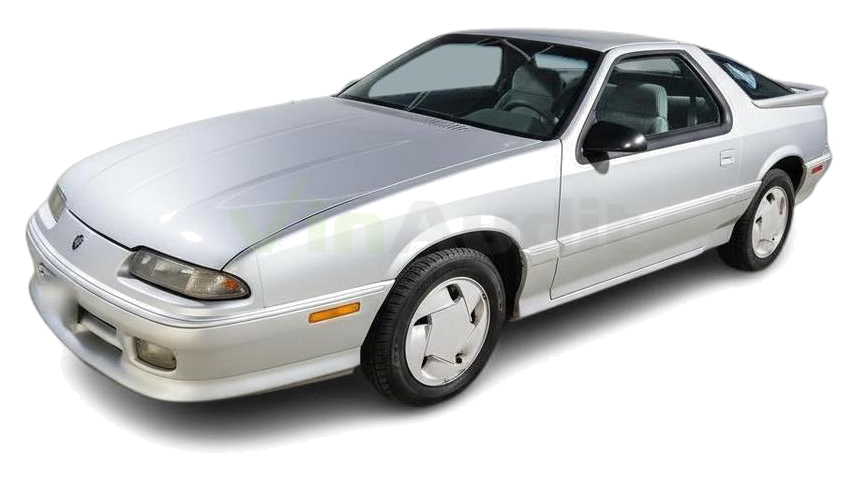
1993 Dodge Daytona Overview, Reviews, Ratings & Specs

Rating: 0.00
Based on 0 Owner Reviews â–
Jovan | October 2, 2025
The 1993 Dodge Daytona was a front-wheel-drive, sporty compact car produced from 1984 to 1993. As a coupe, it aimed to offer performance and style. Key trims often included the base model and the ES. While its pricing varied by trim and options, it offered an accessible entry into a sporty vehicle. Its standout feature was its aggressive styling for its era and available turbocharged engines, appealing to those seeking a dynamic driving experience without a premium price tag.
The Good

The 1993 Dodge Daytona offered an exhilarating, turbocharged performance for its price point, coupled with a distinctive, sporty design. Its value proposition was strong, providing an emotional thrill and practical affordability, making it an attractive choice for budget-conscious enthusiasts.

The Bad

Potential buyers should be aware of common issues with the 1993 Dodge Daytona, including electrical problems, transmission issues, and potential for rust, particularly in the unibody structure. Engine performance can degrade over time if not properly maintained.

1993 Dodge Daytona: Quick Overview

  • Engine Options: The 1993 Dodge Daytona was offered with several engine choices:
    • 2.5L Turbocharged Inline-4
    • 3.0L Mitsubishi V6 (SOHC)
  • Horsepower:
    • 2.5L Turbo: Approximately 150-152 hp
    • 3.0L V6: Approximately 141-147 hp
  • Fuel Economy: (EPA estimates can vary significantly based on driving conditions and specific engine/transmission)
    • 2.5L Turbo (Manual): Around 22 mpg city / 30 mpg highway
    • 2.5L Turbo (Automatic): Around 21 mpg city / 28 mpg highway
    • 3.0L V6 (Automatic): Around 18 mpg city / 25 mpg highway
  • 0-60 Times: These are estimates and can vary widely.
    • With the 2.5L Turbo, 0-60 mph was typically in the 8-9 second range.
    • With the 3.0L V6, 0-60 mph was generally in the 9-10 second range.
  • Towing Capacity: The Dodge Daytona was not designed or equipped for towing significant loads. Towing capacity was generally not a published or relevant specification for this model.
  • Trim-Level Features: The 1993 Daytona was available in various trims, typically including:
    • Base: Standard features would include power steering, intermittent wipers, and a basic AM/FM stereo.
    • ES (Executive Sport): Often featured more aggressive styling elements, upgraded suspension, power windows and locks, sport seats, and potentially a premium audio system. Optional features across trims could include air conditioning, cruise control, anti-lock brakes (ABS), and a sunroof.

1993 Dodge Daytona Specifications

Vehicle Information
Year 1993
Make Dodge
Model Daytona
Trim -
Style 3-Speed
Type Hatchback
Category Subcompact Car
Manufacturing Details
Made In United States
Manufacturing City STERLING HEIGHTS
Dimensions
Doors 2-Door
Curb Weight 2865 pounds
Gross Vehicle Weight Rating -
Overall Height 50.30 inches
Overall Length 179.80 inches
Overall Width 69.30 inches
Wheelbase Length 97.20 inches
Standard Seating 4
Engine & Performance
Engine 2.5L I4
Engine Size 2.5L
Engine Cylinders 4
Transmission 3-Speed Automatic
Transmission Type Automatic
Transmission Speeds 3-Speed
Drivetrain Front-Wheel Drive
Additional Features
Anti-Brake System Non-ABS 4-Wheel ABS
Steering Type Rack & Pinion
Pricing
Manufacturer Suggested Retail Price (MSRP) $12,048
Invoice Price -
Delivery Charges -

Vehicle History Report

Vehicle
Specifications
Ownership
History
All History
Events
NMVTIS Title
History Check
Salvage/Rebuilt
Check
Accident
Check
Theft
Check
Open Lien
Check
Past Sale
Listings
Safety
Recalls
Odometer
Check
Market Price
Analysis

What Problems Does the 1993 Dodge Daytona Have?

The 1993 Dodge Daytona, like many vehicles of its era, is known for a few recurring issues that owners and prospective buyers should be aware of. Electrical gremlins are a common complaint, manifesting as intermittent issues with lights, power windows, and the dashboard instruments. This can be due to aging wiring harnesses and faulty sensors. The automatic transmissions, particularly the A604 (41TE), are also a point of concern. These transmissions can develop issues with solenoids, the valve body, or clutch packs, leading to rough shifting or outright failure if not properly maintained. Regular fluid changes are crucial. Another area to watch is the turbocharger system on models equipped with the 2.5L turbo engine. Issues can include turbo bearing failure, leaking intake or exhaust hoses, and wastegate problems, all of which can lead to a loss of power and increased oil consumption. The fuel injection system can also be a source of problems, with clogged injectors or faulty fuel pumps causing rough idling and poor performance. Rust is a significant long-term reliability concern, particularly in regions with harsh winters and road salt. Check the unibody structure, wheel wells, rocker panels, and door bottoms thoroughly for corrosion. Suspension components, such as ball joints, tie rod ends, and bushings, can wear out over time, leading to clunking noises and compromised handling. While specific recalls for the 1993 model year are less common than for some other vehicles, it's always advisable to check the National Highway Traffic Safety Administration (NHTSA) database for any outstanding safety recalls. Generally, the 1993 Daytona's long-term reliability hinges heavily on consistent maintenance and prompt attention to minor issues before they escalate into major, costly repairs. Owners who diligently performed regular oil changes, transmission fluid flushes, and addressed any fluid leaks promptly tended to have more dependable vehicles.

How long will the 1993 Dodge Daytona last?

Based on owner data and maintenance habits, a well-maintained 1993 Dodge Daytona can reasonably achieve an average mileage of 150,000 to 200,000 miles, or even more. However, this figure is highly dependent on consistent servicing. The car's long-term durability is often challenged by its electrical systems and automatic transmissions, which can become weak points over time. The unibody construction is also susceptible to rust, especially in adverse climates, which can significantly shorten its service life. Turbocharged engines require diligent oil changes to protect the turbocharger. Neglecting maintenance, particularly fluid changes and rust prevention, will drastically reduce its longevity and increase the likelihood of major repairs.

What Technology & Safety Features are Included?

The 1993 Dodge Daytona offered a modest suite of technology and safety features typical for its time, prioritizing the driving experience over cutting-edge amenities. Entertainment: Standard entertainment typically consisted of an AM/FM radio. Optional upgrades often included a cassette player, and for higher trims, a more powerful stereo system with additional speakers. A digital clock was usually standard. Driver-Assistance: Features were relatively basic. Power steering was standard, providing a comfortable driving experience. Cruise control was a common option, especially on higher trims, enhancing highway driving convenience. Anti-lock brakes (ABS) were also an optional feature, significantly improving braking control and safety, particularly in emergency situations. Safety Features: Standard safety equipment included front 3-point seatbelts and rear 2-point seatbelts. Crumple zones were designed into the vehicle's structure to absorb impact energy. Airbags were not standard in 1993 for this model; they were still an emerging safety technology and not widely adopted across all vehicle segments. Side-impact door beams were also a standard safety feature. Optional Features: Beyond ABS and cruise control, buyers could opt for power windows, power door locks, and a power sunroof on certain trims. Air conditioning was a common, though not always standard, option. Crash-Test Ratings: Specific crash-test ratings for the 1993 Dodge Daytona from organizations like the NHTSA or IIHS are not readily available or as comprehensive as modern standards. However, vehicles of this era generally performed moderately in frontal and side-impact tests relative to their contemporary competitors. The focus on structural integrity and passive safety systems was present, but advanced active safety technologies were largely absent.

What Colors Options are Available?

Exterior Colors
Glacier White
Vivid Red
Forest Green
Midnight Blue
Gun Metal Gray
Champagne Metallic
Black
Interior Colors
Gray Cloth
Tan Cloth
Black Cloth
Gray Leather
Tan Leather
Black Leather

1993 Dodge Daytona Prices and Market Value

When new in 1993, the Dodge Daytona had a starting price that was competitive for the sporty coupe segment, typically ranging from around $12,000 for a base model to upwards of $17,000-$18,000 for a well-equipped ES trim. Today, the 1993 Dodge Daytona holds a classic status, with used market prices varying significantly. Well-maintained examples, especially those with the turbocharged engines, can fetch anywhere from $3,000 to $8,000, with pristine, low-mileage survivors potentially commanding higher prices. Conversely, vehicles in poor condition or with mechanical issues might be found for under $2,000. The vehicle has experienced significant depreciation from its original MSRP. Factors affecting its resale value include the condition of the engine and transmission, the presence of rust, original mileage, trim level, and overall originality. Enthusiast appeal for specific trims like the turbo models can help maintain or even increase value for well-preserved examples.

1993 Dodge Daytona Cost of Ownership

The 1993 Dodge Daytona is generally considered economical to own, especially when purchased at its current used market price. Insurance costs are typically moderate, as it's not a high-theft vehicle and premiums reflect its age. Fuel economy, particularly with the 2.5L turbo, is reasonable for a sporty car of its era, though the V6 is thirstier. Maintenance costs can be average, with routine items like oil changes and tire rotations being standard. However, repair costs can escalate if major issues arise with the transmission or turbocharged engine components, which are more specialized. Parts availability is generally good for common wear items, but some specific electronic components or turbo parts might require more searching. Overall, it's an affordable car to own if you stay on top of maintenance and are prepared for potential age-related repairs.

1993 Dodge Daytona Fuel Efficiency

Fuel Type Gasoline
Fuel Capacity 14.00 gallons
City Mileage 23 miles/gallon
Highway Mileage 28 miles/gallon

1993 Dodge Daytona Safety Rating

NHTSA
Side Driver Rating Not Tested
Frontal Passenger Rating
Rollover Rating Not Tested
Side Rear Passenger Rating Not Tested
Frontal Driver Rating
IIHS
Moderate Overlap Front Test Results Not Tested

1993 Dodge Daytona Warranty

Basic
Original warranty 0 months / No data
Estimated remaining Expired
Powertrain
Original warranty 0 months / No data
Estimated remaining Expired
Rust
Original warranty 0 months / No data
Estimated remaining Expired

1993 Dodge Daytona Insurance

Insurance for a 1993 Dodge Daytona is moderately priced, reflecting its status as a Hatchback with strong safety ratings and
reasonable repair costs.

How Does the 1993 Dodge Daytona Compare to Other Hatchback?

The 1993 Dodge Daytona competed in a crowded segment of sporty coupes and sedans. Its primary rivals included vehicles like the Chevrolet Cavalier Z24, Ford Probe, Honda Prelude, and Mitsubishi Eclipse. Performance: In terms of performance, the Daytona's turbocharged 2.5L engine offered competitive acceleration and a punchy feel, especially for its price point. It often outpaced base models of its rivals but might have struggled against more performance-oriented trims like the Eclipse GSX or Prelude VTEC. The V6 offered smoother power delivery but less outright sportiness. Features: Feature-wise, the Daytona was comparable to its contemporaries. Higher trims offered power amenities, optional ABS, and decent audio systems. However, Japanese rivals like the Honda Prelude often provided more refined interiors and a wider array of advanced features even in their base models. The Probe offered a more futuristic design. Reliability: Reliability is where the Daytona often lagged behind its Japanese competitors. While the 2.5L engine was generally robust, transmissions (especially automatics) and electrical systems were known weak points, unlike the generally stellar reliability of Honda and some Toyota models. American rivals like the Cavalier Z24 also faced similar reliability challenges to some extent. Price: The Daytona's strong suit was its value. It offered sporty styling and decent performance at a price point that was often more accessible than comparable Japanese or European sports coupes. Alternatives: * Similar: The Chevrolet Cavalier Z24 offered a similar blend of sportiness and affordability but with its own set of reliability concerns. The Ford Probe offered a more European-influenced design and handling. * Better: For superior reliability and often more sophisticated engineering, the Honda Prelude (especially later generations) or the Mitsubishi Eclipse (particularly turbocharged models like the GST/GSX) are strong alternatives. While they might be pricier, they generally offer a more polished driving experience and better long-term durability. If budget is the absolute primary concern and a sporty feel is desired, the Daytona still presents a compelling option among its domestic peers.

Final Verdict: Is the 1993 Dodge Daytona a Good Hatchback?

The 1993 Dodge Daytona is ideal for budget-conscious enthusiasts who appreciate its aggressive styling and the thrill of turbocharged performance, understanding its age-related quirks. It's worth buying if found in good condition, with a strong emphasis on the turbocharged 2.5L engine variants. This vehicle is best purchased used, as new models are no longer available. Buyers should thoroughly inspect for rust, check transmission health, and verify the integrity of the electrical system. The ES trim, especially with the turbo engine, represents a good balance of sportiness and features. It's not a car for those seeking flawless reliability or cutting-edge technology, but rather for someone who enjoys a classic American sporty coupe with character and a modicum of performance, provided they are prepared for potential maintenance. It offers a unique blend of style and spirited driving at an accessible price point for a classic.

1993 Dodge Daytona Owner Reviews

0.00
Consumer Rating, Based on 0 Consumer Reviews
Overall rating
Cancel
Thank You for Your Review!

We truly appreciate the time and effort you took to share your experience with us.

Uh oh!

Something went wrong, please try again later.

Author Image
Jovan

Jovan specializes in interpreting vehicle records and making sense of VIN data. With over 10 years of experience in the automotive data industry, his work ensures that every report is clear, accurate, and useful for car buyers.