
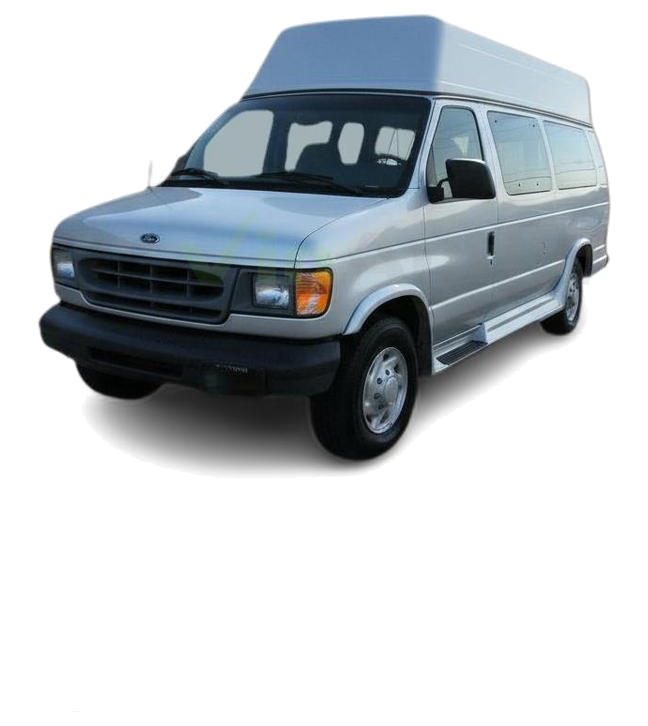
The 1997 Ford Club Wagon, part of the iconic Econoline van lineup that debuted in 1961, offered unparalleled utility and space. Primarily a full-size van, it was available in various body lengths and wheelbase configurations throughout its extensive model run. Key trims often included the base model, the XLT, and the luxurious Chateau, catering to different needs from commercial to family transport. Its popularity stemmed from its robust construction, vast interior volume, and configurable nature, making it a versatile choice for many applications.
The Good
The 1997 Ford Club Wagon boasts impressive practicality with its spacious interior and robust build. Its V8 engine options offer decent power for hauling, while its straightforward design appeals to those seeking reliability and ease of maintenance. This van provides a comfortable and adaptable platform for families or businesses, representing strong value.
The Bad
Owners of the 1997 Ford Club Wagon should be aware of potential issues like transmission problems, especially with higher mileage. Rust, particularly on the body panels and frame, is another common concern. Electrical gremlins and aging suspension components can also require attention.
1997 Ford Club Wagon: Quick Overview
- Engine Options: The 1997 Ford Club Wagon was primarily offered with a selection of V8 engines. The standard engine was typically a 4.2L V6. Higher trims and optional configurations included a 4.6L V8 and a larger 5.4L V8.
- Horsepower: Horsepower varied significantly with the engine choice. The 4.2L V6 generally produced around 185 horsepower, while the 4.6L V8 offered approximately 215 horsepower. The more potent 5.4L V8 could deliver around 230-250 horsepower depending on the specific configuration.
- Fuel Economy: As a large, heavy van, fuel economy was not a strong suit. Expect figures in the range of 10-14 MPG in combined city/highway driving, heavily dependent on the engine, load, and driving conditions.
- 0-60 Times: 0-60 mph times were not a primary focus for this vehicle. Estimates would place them in the 9-12 second range for V8 models under optimal conditions, with V6 models being slower.
- Towing Capacity: The Club Wagon was designed with towing in mind. Depending on the configuration, engine, and optional towing packages, its towing capacity could range from approximately 5,000 lbs to well over 7,500 lbs, making it suitable for trailers and campers.
- Trim-Level Features:
- Base Model: Typically featured durable vinyl seating, manual windows and locks, and a basic AM/FM radio. Focused on utilitarian needs.
- XLT: Added amenities like power windows and locks, upgraded cloth seating, cruise control, and a better stereo system.
- Chateau: Represented the luxury trim with features such as captain's chairs, enhanced interior trim, premium audio, and often captain's chairs for the second and third rows, aiming for passenger comfort.
1997 Ford Club Wagon Specifications
Vehicle Information
| Year | 1997 |
| Make | Ford |
| Model | Club Wagon |
| Trim | - |
| Style | - |
| Type | Minivan |
| Category | Passenger Van |
Manufacturing Details
| Made In | United States |
| Manufacturing City | LORAIN |
Dimensions
| Doors | 3-Door |
| Curb Weight | - |
| Gross Vehicle Weight Rating | - |
| Overall Height | 84.10 inches |
| Overall Length | 211.80 inches |
| Overall Width | 79.30 inches |
| Wheelbase Length | 138.00 inches |
| Standard Seating | 12 |
Engine & Performance
| Engine | 6.8L V10 |
| Engine Size | 6.8L |
| Engine Cylinders | 8 |
| Transmission | 4-Speed Automatic |
| Transmission Type | Automatic |
| Transmission Speeds | 4-Speed |
| Drivetrain | Rear-Wheel Drive |
Additional Features
| Anti-Brake System | - |
| Steering Type | Recirculating |
Pricing
| Manufacturer Suggested Retail Price (MSRP) | $26,510 |
| Invoice Price | $23,013 |
| Delivery Charges | - |
Vehicle History Report
Vehicle
Specifications
Specifications
Ownership
History
History
All History
Events
Events
NMVTIS Title
History Check
History Check
Salvage/Rebuilt
Check
Check
Accident
Check
Check
Theft
Check
Check
Open Lien
Check
Check
Past Sale
Listings
Listings
Safety
Recalls
Recalls
Odometer
Check
Check
Market Price
Analysis
Analysis
What Problems Does the 1997 Ford Club Wagon Have?
The 1997 Ford Club Wagon, like many vehicles of its era, has a documented history of certain recurring issues. One of the most frequently reported problems centers around the transmission. Owners have often noted premature failure or slipping gears, particularly with the automatic transmissions, especially after accumulating significant mileage. This can be an expensive repair. Another common concern is rust, which can affect various parts of the body, including the rocker panels, wheel wells, and the frame itself. This is a significant issue, especially for vehicles in rust-prone regions, and can compromise structural integrity. Electrical systems can also be a source of frustration, with reports of malfunctioning power windows, door locks, and dashboard lights. Over time, the aging wiring and components can lead to intermittent or persistent issues. The cooling system is another area to watch, with potential for radiator leaks or water pump failures. Suspension components, such as ball joints and tie rods, can also wear out over time, leading to alignment issues and a less stable ride. While there might not be specific widespread recalls directly targeting the 1997 model year for major systemic failures, individual vehicles may have had components replaced under warranty or through owner-initiated repairs. Long-term reliability is generally considered decent for the powertrain if well-maintained, but the aforementioned issues can impact overall longevity and ownership satisfaction. Owners should diligently check for signs of rust and be prepared for potential transmission and electrical repairs as the vehicle ages.
How long will the 1997 Ford Club Wagon last?
Based on owner data and maintenance habits, the 1997 Ford Club Wagon is known for its potential to reach high mileage, often exceeding 200,000 miles, especially with consistent oil changes and routine servicing. Its robust chassis and V8 powertrains are generally durable. However, long-term durability can be significantly impacted by the onset of rust, which can weaken the frame and body. Transmission longevity is a key factor; while some units last the life of the vehicle, others may require rebuilding or replacement around the 150,000-mile mark. Electrical components and suspension parts are also typical wear items that may need attention over time. With diligent care, this van can provide many years of service, but proactive rust prevention and transmission monitoring are crucial for maximizing its lifespan.
What Technology & Safety Features are Included?
The 1997 Ford Club Wagon, reflecting its era, offered a more utilitarian approach to technology and safety compared to modern vehicles. Built-in tech was relatively basic, primarily revolving around the entertainment system, which typically consisted of an AM/FM radio with an optional cassette player. Higher trims might have featured a more advanced stereo with additional speakers. Bluetooth connectivity, touchscreens, or integrated navigation systems were not available. Driver-assistance features were virtually non-existent in the modern sense; the focus was on basic functionality rather than advanced electronic aids. Features like cruise control were available, particularly on higher trims like the XLT and Chateau, offering a degree of convenience for highway driving. For safety, standard equipment included front airbags for the driver and passenger, anti-lock braking systems (ABS) on all four wheels for improved stopping power, and seatbelts. Optional safety features might have included rear seatbelts for passengers in the second and third rows. The Club Wagon's substantial size and weight provided a degree of passive safety in a collision. Specific crash-test ratings for the 1997 model year are not readily available in the same detailed format as modern vehicles. However, the vehicle's body-on-frame construction and substantial mass generally contributed to its structural integrity during impacts. Ultimately, the 1997 Ford Club Wagon was equipped with the essential safety and convenience features of its time, prioritizing functionality and passenger protection over advanced electronic systems or entertainment amenities.
What Colors Options are Available?
1997 Ford Club Wagon Prices and Market Value
When new in 1997, the Ford Club Wagon's price varied significantly based on trim level and optional equipment, typically ranging from around $20,000 for a base model to upwards of $30,000 for a well-equipped Chateau trim. As a van from the late 90s, its depreciation has been substantial. Current used market prices for a 1997 Ford Club Wagon generally fall between $2,000 and $7,000, heavily influenced by mileage, overall condition, and the presence of rust. Vehicles in excellent condition with lower mileage and well-maintained powertrains command higher prices. Factors significantly affecting resale value include mechanical condition (especially the transmission), body integrity (absence of rust is critical), and interior wear. Well-maintained examples can still hold decent value for their utility, but the overall market is driven by affordability and practicality rather than luxury or performance.
1997 Ford Club Wagon Cost of Ownership
Owning a 1997 Ford Club Wagon can be economical or costly depending on its condition and how it's used. Insurance costs are generally moderate, falling into the standard range for older vans. Fuel costs will be a significant factor, with V8 engines delivering lower MPG, making it less economical for daily commuting. Maintenance is relatively straightforward and parts are generally affordable and widely available. However, potential repairs, particularly to the transmission or significant rust remediation, can be quite expensive and push ownership costs higher. Long-term, it's a vehicle that requires vigilance regarding mechanical upkeep and rust prevention to remain an economical choice.
1997 Ford Club Wagon Fuel Efficiency
Fuel Type
Gasoline
Fuel Capacity
35.00 gallons
City Mileage
12 miles/gallon
Highway Mileage
17 miles/gallon
1997 Ford Club Wagon Safety Rating
NHTSA
IIHS
1997 Ford Club Wagon Warranty
Basic
Original warranty
0 months / No data
Estimated remaining
Expired
Powertrain
Original warranty
0 months / No data
Estimated remaining
Expired
Rust
Original warranty
0 months / No data
Estimated remaining
Expired
1997 Ford Club Wagon Insurance
Insurance for a 1997 Ford Club Wagon is moderately priced, reflecting its status as a Minivan with strong safety ratings and
reasonable repair costs.
How Does the 1997 Ford Club Wagon Compare to Other Minivan?
The 1997 Ford Club Wagon competed in a segment dominated by large passenger vans and heavy-duty vans. Its primary rivals included the Chevrolet Express/GMC Savana twins and the Chrysler Town & Country/Dodge Grand Caravan (though the latter are minivans, they often served similar family hauling roles). In terms of performance, the Ford's available V8 engines offered comparable or slightly better towing and hauling power than the base V6 offerings from Chevrolet. However, the Chevrolet twins often had more engine choices, including larger V8s. Features-wise, the Club Wagon's Chateau trim aimed for luxury, rivaling the higher-end Chevrolet trims. Both offered spacious interiors and seating configurations. Reliability is a mixed bag. While Ford's V8 engines are generally robust, transmission issues were more commonly reported in the Club Wagon compared to some competitors. Rust was also a significant concern for the Ford, potentially more so than for some competitors depending on regional exposure. Price-wise, the Club Wagon was generally competitive, offering good value for its size and capability when new. On the used market today, the 1997 Club Wagon remains a budget-friendly option for those needing space.
Similar Alternatives:
Recommendations: If maximum towing and payload are paramount, the Club Wagon or its Chevy/GMC rivals are strong contenders. If a more refined ride and better fuel economy for family trips are the priority, a well-maintained minivan from this era would be a better choice. For those prioritizing proven long-term reliability with potentially fewer transmission woes, carefully researching specific model years and engine combinations of the Chevy/GMC twins is advisable.
Similar Alternatives:
- 1997 Chevrolet Express/GMC Savana: Often seen as direct competitors, these offered similar capabilities, a wide range of engine options, and generally robust mechanicals. Reliability can be comparable, with their own set of potential issues.
- 1997 Chrysler Town & Country/Dodge Grand Caravan: If the need is for passenger hauling but not heavy-duty towing, these minivans offered more car-like driving dynamics, better fuel economy, and often more modern comfort features for their time.
Recommendations: If maximum towing and payload are paramount, the Club Wagon or its Chevy/GMC rivals are strong contenders. If a more refined ride and better fuel economy for family trips are the priority, a well-maintained minivan from this era would be a better choice. For those prioritizing proven long-term reliability with potentially fewer transmission woes, carefully researching specific model years and engine combinations of the Chevy/GMC twins is advisable.
Final Verdict: Is the 1997 Ford Club Wagon a Good Minivan?
The 1997 Ford Club Wagon is ideal for budget-conscious individuals or businesses needing a spacious and versatile vehicle for hauling people or cargo, or for light towing. It's not a vehicle for those seeking modern technology or refined driving dynamics. It is worth buying, but with significant caveats. The primary conditions for a worthwhile purchase are a thoroughly inspected mechanical condition, especially the transmission, and a thorough check for rust. Buying a used one is the only option, and focusing on well-maintained examples, perhaps with the larger V8 engines for better capability, is recommended. Luxury trims like the Chateau offer more comfort for passenger transport, while base models are purely functional. Prioritize rust-free examples and be prepared for potential maintenance.
