
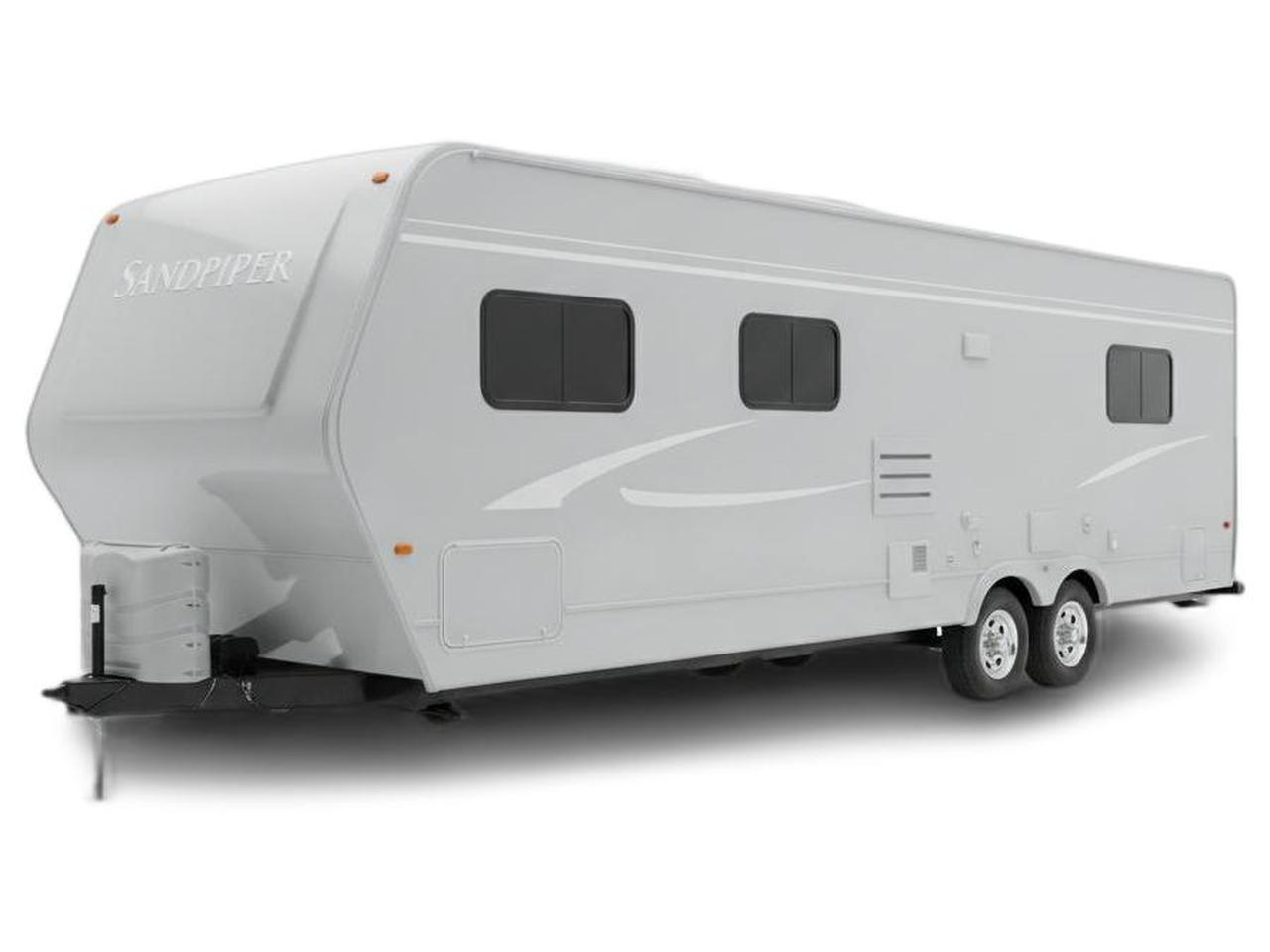
The 2003 Forest River Sandpiper Towables is a popular line of fifth-wheel and travel trailers known for their spacious interiors and robust construction. Manufactured by Forest River, a prominent RV builder, the Sandpiper series has been a consistent offering for many years. The 2003 models were typically offered in various floor plans within the fifth-wheel and travel trailer body styles, catering to different family sizes and camping needs. While specific trims can vary, Sandpiper models often emphasized comfort and livability. Pricing for a 2003 model would have ranged significantly based on size and features, but they were generally positioned as mid-to-upper tier recreational vehicles, offering good value for their amenities.
The Good
The 2003 Forest River Sandpiper offers a blend of comfortable living spaces and dependable construction. Its appeal lies in providing a home-away-from-home experience with practical features for the road, offering solid value for adventurous families.
The Bad
Potential owners should watch for common RV issues like water damage, delamination of exterior walls, and aging appliance functionality. Thorough inspections of the roof, seals, and chassis are crucial for a 2003 model.
2003 FOREST RIVER Sandpiper Towables: Quick Overview
2003 Forest River Sandpiper Towables Key Specifications
- Vehicle Type: Recreational Vehicle (RV) - Fifth Wheel and Travel Trailer
- Engine Options: N/A (As these are towable RVs, they do not have their own engines. The towing vehicle's specifications are relevant.)
- Horsepower: N/A
- Fuel Economy: N/A
- 0-60 Times: N/A
- Towing Capacity: Highly variable and dependent on the specific trailer model and its Gross Vehicle Weight Rating (GVWR). Typical fifth-wheel towing capacities for this era could range from 8,000 lbs to well over 15,000 lbs, requiring a heavy-duty truck. Travel trailer towing capacities would generally be lower, often in the 5,000 lbs to 10,000 lbs range, suitable for half-ton or three-quarter-ton trucks. Always consult the specific trailer's GVWR and the tow vehicle's capacity.
- Trim-Level Features (General for 2003 Sandpiper models):
- Construction: Aluminum or steel frame, fiberglass exterior, standard insulation. Some higher-end models might have offered upgraded insulation packages.
- Interior: Typically featured a queen-size bed in the master bedroom, a living area with sofa and/or recliner, dinette, full kitchen with refrigerator, stove, oven, microwave, and ample cabinet storage.
- Appliances: Standard 3-burner stove with oven, refrigerator (often 2-door, gas/electric), microwave, water heater, furnace, and air conditioning (often roof-mounted).
- Bathroom: Full bathroom with a shower or tub/shower combination, toilet, and sink.
- Entertainment: Often included a stereo system with interior and exterior speakers, and provisions for a television.
- Plumbing: Fresh water tank, grey water tank, black water tank, and exterior hookups for city water.
- Electrical: 12V DC system powered by deep-cycle batteries and a 120V AC system when connected to shore power or a generator.
- Exterior: Awning, exterior storage compartments, entry steps, exterior lighting, and utility hookups.
- Optional Features (may have varied by specific model and dealer options): Higher-end flooring, upgraded upholstery, larger refrigerators, entertainment centers, washer/dryer hookups (in larger fifth wheels), leveling jacks, and more powerful HVAC systems.
2003 FOREST RIVER Sandpiper Towables Specifications
Vehicle Information
| Year | 2003 |
| Make | FOREST RIVER |
| Model | Sandpiper Towables |
| Trim | - |
| Style | - |
| Type | Recreational Vehicle |
| Category | Special Purpose Vehicle |
Manufacturing Details
| Made In | United States |
| Manufacturing City | DALLAS |
Dimensions
| Doors | - |
| Curb Weight | - |
| Gross Vehicle Weight Rating | - |
| Overall Height | - |
| Overall Length | - |
| Overall Width | - |
| Wheelbase Length | - |
| Standard Seating | - |
Engine & Performance
| Engine | - |
| Engine Size | - |
| Engine Cylinders | - |
| Transmission | - |
| Transmission Type | Not Applicable |
| Transmission Speeds | - |
| Drivetrain | Not Applicable |
Additional Features
| Anti-Brake System | Not Applicable |
| Steering Type | - |
Pricing
| Manufacturer Suggested Retail Price (MSRP) | - |
| Invoice Price | - |
| Delivery Charges | - |
Vehicle History Report
Vehicle
Specifications
Specifications
Ownership
History
History
All History
Events
Events
NMVTIS Title
History Check
History Check
Salvage/Rebuilt
Check
Check
Accident
Check
Check
Theft
Check
Check
Open Lien
Check
Check
Past Sale
Listings
Listings
Safety
Recalls
Recalls
Odometer
Check
Check
Market Price
Analysis
Analysis
What Problems Does the 2003 FOREST RIVER Sandpiper Towables Have?
As a 2003 model, the Forest River Sandpiper Towables, like most RVs of its vintage, is susceptible to issues related to age and wear. While specific widespread recalls directly impacting the 2003 Sandpiper line are not prominently documented, general concerns for RVs of this era often include:
- Water Intrusion and Damage: This is a pervasive issue across older RVs. Sealing around windows, doors, roof vents, and seams can degrade over time, leading to leaks. This can cause rot in the subfloor, walls, and delamination of exterior fiberglass. Regular inspection and maintenance of seals are paramount.
- Appliance Failures: Refrigerators (especially the cooling units), water heaters, furnaces, and air conditioners are mechanical components that have a finite lifespan. By 2003, many of these original appliances may be nearing or have exceeded their expected operational life and could require repair or replacement.
- Delamination: The separation of the fiberglass exterior from the underlying substrate is a common problem, often exacerbated by water intrusion. This can lead to soft spots in the walls and can be a costly repair.
- Tire and Axle Issues: Tires have a lifespan based on age, regardless of tread wear, and should be replaced every 5-7 years. Axle bearings and brakes also require regular maintenance and can show wear over time.
- Awning Wear: The fabric and mechanical components of awnings can degrade from UV exposure and use, leading to tears or operational issues.
- Plumbing and Electrical System Degradation: Rubber hoses and connections in plumbing can become brittle. Wiring in RVs can also degrade, potentially leading to electrical faults.
How long will the 2003 FOREST RIVER Sandpiper Towables last?
Estimating average mileage for a 2003 Forest River Sandpiper Towables is complex, as RVs are typically measured in years of service and usage patterns rather than mileage. A well-maintained Sandpiper, used for several weeks to a few months per year and stored properly, could realistically last 15-20 years or even longer. Durability is heavily contingent on the owner's diligence in performing routine maintenance, such as inspecting and resealing roof and window seams, checking tire age, and servicing appliances. Weaknesses tend to emerge with age, primarily related to the aging of rubber seals, plumbing, and electrical components, as well as potential water intrusion damage if not addressed promptly. However, the core structural integrity of many Forest River products, including the Sandpiper line from this era, can be quite robust if protected from the elements and regularly serviced.
What Technology & Safety Features are Included?
The 2003 Forest River Sandpiper Towables, being a product of its time, featured technology and safety systems that were standard for RVs of the early 2000s. Built-in tech and entertainment generally included:
- Stereo System: Most models came equipped with an AM/FM/CD player, often with speakers inside the living area and sometimes exterior speakers for outdoor enjoyment.
- Television Provisions: RVs of this era typically had pre-wiring and mounting points for televisions, with a coaxial cable input for antenna or campground hookups. Some may have included a basic CRT television.
- 120V AC Outlets: Standard household-style electrical outlets were available when connected to shore power or a generator, allowing for the use of personal electronics and small appliances.
- Smoke Detector and Carbon Monoxide Detector: Standard safety equipment mandated in RVs.
- Fire Extinguisher: A small, portable fire extinguisher was usually included.
- Propane Detector: To alert occupants of potential gas leaks.
- Emergency Exit: A designated emergency exit window, typically in the bedroom, was a standard safety feature.
- Breakaway Switch: For safety, this switch disconnects the electric brakes on the trailer if it detaches from the tow vehicle.
What Colors Options are Available?
2003 FOREST RIVER Sandpiper Towables Prices and Market Value
When new, a 2003 Forest River Sandpiper fifth wheel or travel trailer would have commanded a price reflective of its class and features, likely ranging from approximately $30,000 to $70,000 or more, depending heavily on size, floor plan, and optional equipment. The RV market experiences significant depreciation, especially in the first 5-10 years. A 2003 model has already undergone substantial depreciation. Current used market prices for a 2003 Sandpiper, if found in good condition, could range from $8,000 to $25,000. Factors significantly affecting resale value include the overall condition (especially water damage, interior wear, and appliance functionality), maintenance history, the number of previous owners, the specific floor plan's desirability, and the prevailing market demand for used RVs. Units that have been meticulously maintained and show minimal wear will always command a higher price.
2003 FOREST RIVER Sandpiper Towables Cost of Ownership
Owning a 2003 Forest River Sandpiper involves several costs. Insurance will vary based on coverage, location, and the RV's value, typically ranging from a few hundred to over a thousand dollars annually. Fuel costs are borne by the tow vehicle, which will see a significant decrease in fuel economy. Maintenance is crucial and includes regular seal checks, appliance servicing, and potential repairs to aging components, which can add up. Repair costs can be substantial, especially for structural issues like delamination or major appliance replacements. Overall, while the initial purchase price of a 2003 model is lower, the long-term ownership costs can be moderate to high due to potential maintenance and repair needs inherent with an older RV.
2003 FOREST RIVER Sandpiper Towables Fuel Efficiency
Fuel Type
NOT Applicable
Fuel Capacity
-
City Mileage
-
Highway Mileage
-
2003 FOREST RIVER Sandpiper Towables Insurance
Insurance for a 2003 FOREST RIVER Sandpiper Towables is moderately priced, reflecting its status as a Recreational Vehicle with strong safety ratings and
reasonable repair costs.
reasonable repair costs.
How Does the 2003 FOREST RIVER Sandpiper Towables Compare to Other Recreational Vehicle?
When evaluating the 2003 Forest River Sandpiper, it's important to consider its contemporaries in the mid-tier fifth-wheel and travel trailer market. Key rivals from that era might include models from brands like Keystone (Cougar, Montana), Jayco (Eagle, Jay Flight), and Dutchmen (Denali, Aspen Trail).
Performance: As towable RVs, performance is primarily judged by towing stability and ease of handling, which heavily depend on the RV's build quality, weight distribution, and the tow vehicle used. The Sandpiper was generally known for a solid chassis and construction that offered decent towing characteristics for its class.
Features: Forest River Sandpiper models often provided a good balance of features for their price point, typically including comfortable living spaces, adequate appliance packages, and decent storage. Rivals might have offered more luxurious finishes or specialized amenities in their higher trims. For instance, some competitors might have had standard solid-surface countertops or more advanced entertainment systems.
Reliability: Forest River has a reputation for building durable RVs, and the Sandpiper line generally reflected this. However, at 20 years old, reliability is more about maintenance history than inherent brand reliability. Like its competitors of the same age, issues like water damage, appliance wear, and seal degradation are common across all brands.
Price: The Sandpiper typically offered competitive pricing, aiming for a value proposition. It was often priced to be accessible to families looking for a well-equipped RV without the premium cost of high-end luxury models. Rivals in the same segment would have similar pricing structures, with variations based on brand prestige and feature sets.
Alternatives:
Performance: As towable RVs, performance is primarily judged by towing stability and ease of handling, which heavily depend on the RV's build quality, weight distribution, and the tow vehicle used. The Sandpiper was generally known for a solid chassis and construction that offered decent towing characteristics for its class.
Features: Forest River Sandpiper models often provided a good balance of features for their price point, typically including comfortable living spaces, adequate appliance packages, and decent storage. Rivals might have offered more luxurious finishes or specialized amenities in their higher trims. For instance, some competitors might have had standard solid-surface countertops or more advanced entertainment systems.
Reliability: Forest River has a reputation for building durable RVs, and the Sandpiper line generally reflected this. However, at 20 years old, reliability is more about maintenance history than inherent brand reliability. Like its competitors of the same age, issues like water damage, appliance wear, and seal degradation are common across all brands.
Price: The Sandpiper typically offered competitive pricing, aiming for a value proposition. It was often priced to be accessible to families looking for a well-equipped RV without the premium cost of high-end luxury models. Rivals in the same segment would have similar pricing structures, with variations based on brand prestige and feature sets.
Alternatives:
- Similar Alternatives (if well-maintained): Other Forest River models like the Cardinal or Wildcat might offer comparable or slightly more upscale options. Keystone's Cougar or Montana lines are also strong contenders, often with a reputation for robust build quality and good resale value. Jayco's Eagle series was also a respected choice in this segment.
- Considerations for a 2003 model: Given the age, the focus should be on the condition rather than brand alone. A well-maintained unit from a less prestigious brand might be a better buy than a neglected Sandpiper. For those seeking potentially better long-term reliability and potentially fewer immediate repair needs, looking at slightly newer models (late 2000s) from any of these reputable brands might be worthwhile, though at a higher price point.
Final Verdict: Is the 2003 FOREST RIVER Sandpiper Towables a Good Recreational Vehicle?
The 2003 Forest River Sandpiper Towables is ideal for budget-conscious buyers seeking a spacious and functional RV for occasional to moderate use, who are prepared for the realities of owning an older vehicle. It's particularly suited for families or couples who prioritize living space and amenities over cutting-edge technology. Whether it's worth buying hinges entirely on its condition. A meticulously maintained unit with no signs of water damage, fully functional appliances, and sound structural integrity can be a great value. However, it is absolutely not recommended to purchase this RV without a thorough professional inspection. Buying used is the only option, as this model year is no longer sold new. Focus on well-cared-for examples, and be prepared for potential maintenance and repair costs associated with a nearly two-decade-old recreational vehicle.
2003 FOREST RIVER Sandpiper Towables Owner Reviews
0.00
Consumer Rating,
Based on 0 Consumer Reviews

Simon A
Simon is a contributor to VinCheck, where he provides articles and reviews on various automotive topics. His work focuses on delivering accurate and up-to-date information about used cars, helping readers make informed decisions.