
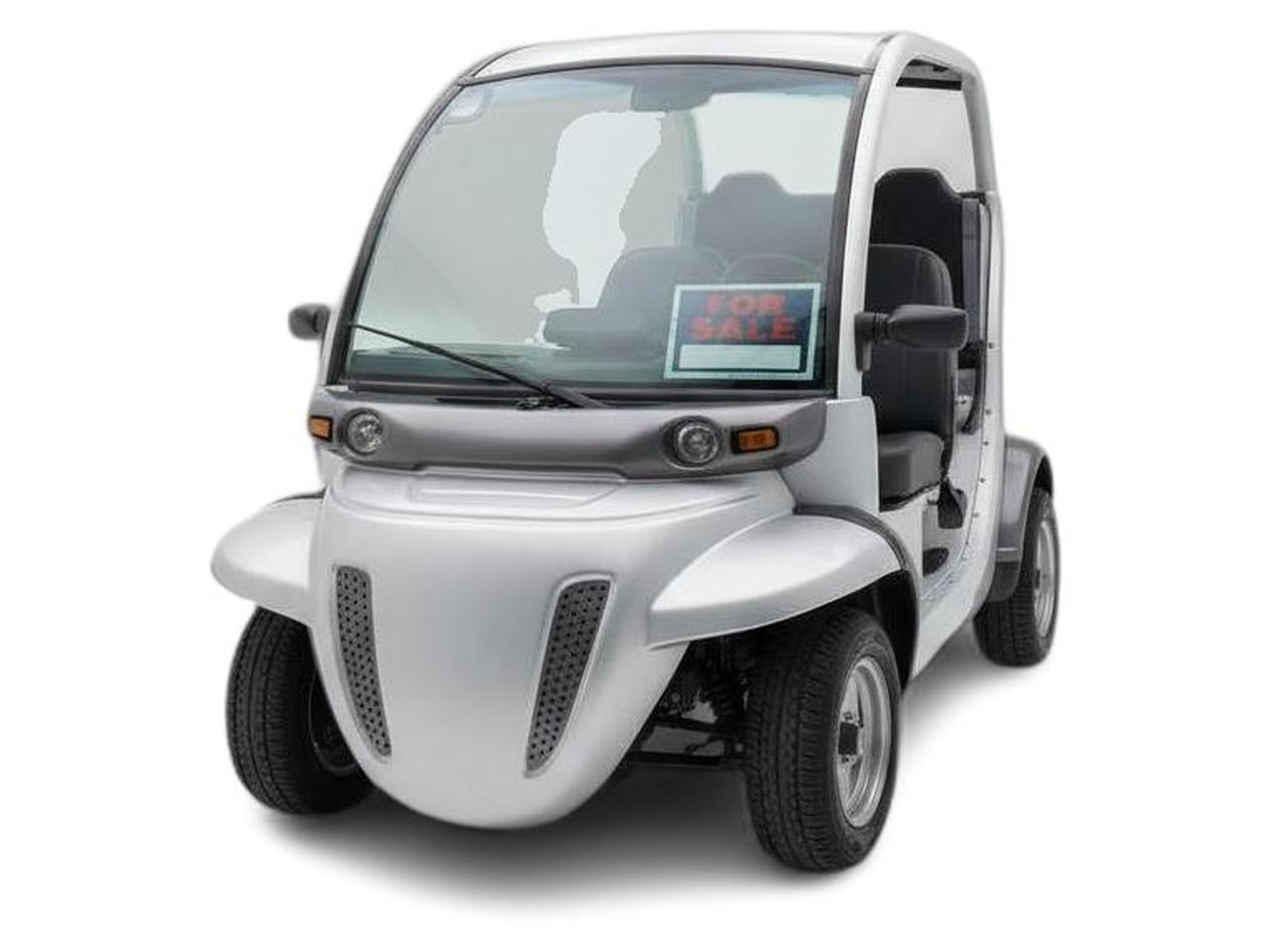
The Good
The 2002 GEM 825 offers remarkable efficiency and a low cost of ownership, appealing to practical buyers. Emotionally, its quiet, emission-free operation provides a serene driving experience, perfect for leisurely neighborhood cruising. Its compact design makes parking effortless, enhancing urban maneuverability.
The Bad
When considering a 2002 GEM 825, be aware of its limited top speed and range, making it unsuitable for highway use. Battery degradation over time is a significant concern, potentially requiring expensive replacements. Parts availability can also be a challenge due to its niche market and age.
2002 GEM 825: Quick Overview
- Engine Options: The 2002 GEM 825 is powered by an electric motor.
- Horsepower: Typically around 3 to 5 horsepower, designed for low-speed operation.
- Fuel Economy: As an electric vehicle, it consumes electricity. Estimates vary, but are generally very efficient, often measured in MPGe (miles per gallon equivalent). A full charge could provide a range of approximately 20-40 miles.
- 0-60 Times: Not applicable as the GEM 825 is a low-speed vehicle with a maximum speed typically around 20-25 mph. Acceleration is gradual and designed for urban/campus environments.
- Towing Capacity: Not applicable. The GEM 825 is not designed for towing.
- Trim-Level Features: While specific trim names might vary, common features across models included:
- Standard: Basic seating (often 2-seater, but 4-seater configurations existed), simple dashboard with battery charge indicator, headlights, taillights, turn signals, brake lights, rearview mirrors, seatbelts, and a horn.
- Optional/Higher Trims: May have included upgraded seating, weather protection like doors and a roof (often canvas or basic hardtop), a small cargo area or bed in utility versions, upgraded battery options for extended range, and sometimes a basic AM/FM radio. Some models offered more robust body panels. The focus was on essential functionality for neighborhood transport.
2002 GEM 825 Specifications
Vehicle Information
| Year | 2002 |
| Make | GEM |
| Model | 825 |
| Trim | - |
| Style | - |
| Type | Recreational Vehicle |
| Category | Low Speed Vehicle |
Manufacturing Details
| Made In | United States |
| Manufacturing City | FARGO |
Dimensions
| Doors | - |
| Curb Weight | - |
| Gross Vehicle Weight Rating | - |
| Overall Height | - |
| Overall Length | - |
| Overall Width | - |
| Wheelbase Length | - |
| Standard Seating | - |
Engine & Performance
| Engine | ELECTRIC MOTOR |
| Engine Size | - |
| Engine Cylinders | - |
| Transmission | - |
| Transmission Type | - |
| Transmission Speeds | - |
| Drivetrain | Front-Wheel Drive |
Additional Features
| Anti-Brake System | - |
| Steering Type | - |
Pricing
| Manufacturer Suggested Retail Price (MSRP) | - |
| Invoice Price | - |
| Delivery Charges | - |
Vehicle History Report
Specifications
History
Events
History Check
Check
Check
Check
Check
Listings
Recalls
Check
Analysis
What Problems Does the 2002 GEM 825 Have?
- Battery Issues: Weak battery performance, failure to hold a charge, and eventual need for replacement are the primary concerns. Symptoms include reduced range and slower acceleration.
- Charging System Problems: Issues with the onboard charger or charging port can prevent the vehicle from charging properly.
- Electrical System Gremlins: Due to the relatively simple but aging electrical systems, owners sometimes report intermittent electrical faults, such as lights not working, or gauges malfunctioning.
- Brake System Wear: Like any vehicle, brakes will wear out. For GEMs, especially those used in hilly areas or frequently stopped, brake pad and rotor wear can be a concern.
- Suspension and Steering Components: Age and usage can lead to wear in suspension bushings, ball joints, and steering components, leading to noisy rides or imprecise handling.
- Body and Chassis Corrosion: While often used in benign environments, exposure to moisture and salt can lead to rust, particularly on the frame and undercarriage, though the primary body is often composite.
How long will the 2002 GEM 825 last?
What Technology & Safety Features are Included?
Built-in Tech & Entertainment:
Standard technology was minimal, focusing on essential operation. This typically included a dashboard display showing battery charge level, speedometer, and basic indicator lights for turn signals, headlights, and brake lights. Some models might have offered an optional basic AM/FM radio, but advanced infotainment systems were non-existent. The charging system itself was the core piece of technology.
Driver-Assistance Features:
There were virtually no driver-assistance features on the 2002 GEM 825. Systems like ABS, traction control, cruise control, or parking sensors were not part of its design philosophy or capabilities. The focus was on simplicity and ease of operation at low speeds.
Safety Features:
Safety features were rudimentary, reflecting its low-speed, enclosed-cart-like nature. Standard safety equipment included:
- Seat belts (usually lap belts)
- Headlights, taillights, and brake lights for visibility
- Turn signals
- A horn for audible warnings
What Colors Options are Available?
2002 GEM 825 Prices and Market Value
2002 GEM 825 Cost of Ownership
2002 GEM 825 Fuel Efficiency
2002 GEM 825 Warranty
Basic
Powertrain
Rust
2002 GEM 825 Insurance
reasonable repair costs.
How Does the 2002 GEM 825 Compare to Other Recreational Vehicle?
Performance: Compared to other GEM models of its time, performance was similar, focusing on low top speeds (around 20-25 mph) and limited range (20-40 miles on a charge). Against electric golf carts, GEMs generally offered a more street-legal configuration and slightly better road manners. However, against even the most basic street-legal cars, its performance is drastically inferior.
Features: GEMs offered more car-like features than golf carts, such as full lighting packages, turn signals, and often more comfortable seating and weather protection options. However, they lacked the basic amenities of even economy cars, like airbags, advanced safety systems, or any form of meaningful entertainment.
Reliability: Reliability for the 2002 GEM 825 hinges heavily on battery health and maintenance. Original lead-acid batteries required frequent attention and had a short lifespan, leading to costly replacements. The electric drivetrain itself is generally robust, but other components like brakes and suspension are subject to wear. Compared to a 2002 internal combustion engine car, its mechanical simplicity might suggest fewer potential failure points, but battery life is a significant Achilles' heel. Other LSV brands from that era faced similar battery and component wear challenges.
Price: When new, GEMs were priced at a premium compared to golf carts but were generally less expensive than entry-level conventional cars. Used prices vary significantly based on battery condition.
Alternatives:
- Other GEM Models: Newer GEM models (e.g., 2005+) might offer improved battery technology (early lithium-ion) or slightly better range/features, but at a higher used price.
- Electric Golf Carts: For purely private property use, electric golf carts are cheaper but not street-legal.
- Used Electric Cars (Older Models): A used electric car like an early Nissan Leaf (much later model year) or a converted classic EV, while more expensive, would offer vastly superior performance, range, and safety for use on public roads.
- Small Gasoline Cars: For similar used prices, one could find a very basic, older gasoline-powered car that offers highway capability and more robust safety features, though at a higher fuel and maintenance cost.
Final Verdict: Is the 2002 GEM 825 a Good Recreational Vehicle?
Whether it's worth buying depends heavily on the buyer's specific needs and the vehicle's condition. As a used vehicle, it can be an economical choice for its intended niche, provided the battery system is in good health or has been recently replaced with a reliable solution. If purchasing, thoroughly inspect the batteries, charging system, and overall electrical components. Be prepared for potential future battery replacement costs. For its specific application, a well-maintained used GEM 825 can be a functional and cost-effective solution. It is generally not worth buying if you anticipate needing a vehicle for anything beyond very low-speed, short-range transportation.

Simon A
Simon is a contributor to VinCheck, where he provides articles and reviews on various automotive topics. His work focuses on delivering accurate and up-to-date information about used cars, helping readers make informed decisions.