
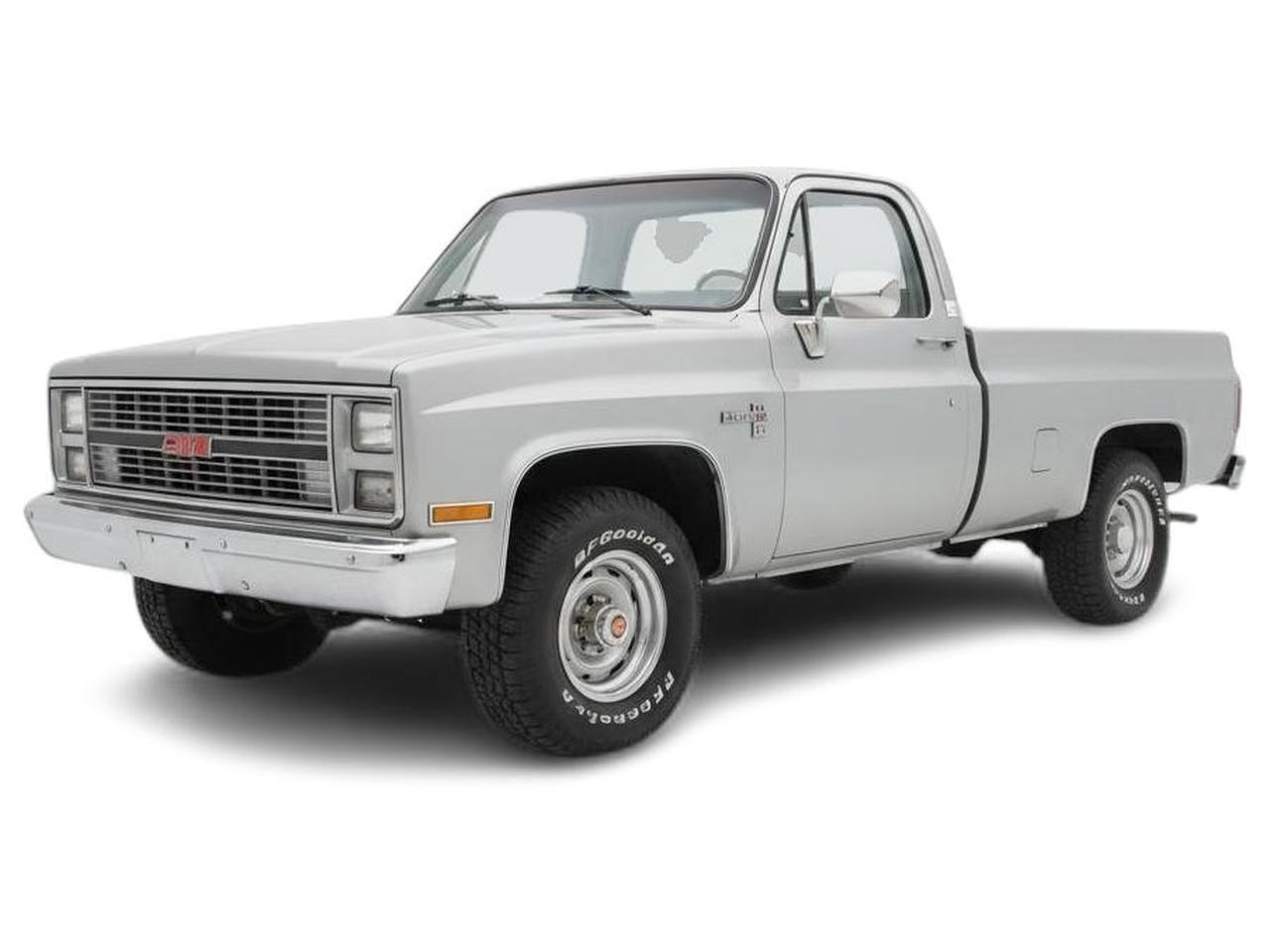
The 1983 GMC C/K 1500 Series represents the third generation of GMC's robust pickup truck line, produced from 1973 to 1987. Available as a full-size pickup, popular body styles included the Fleetside and Stepside. Key trims often denoted capability and luxury, such as the Sierra Classic. In 1983, new pricing would have been in the roughly $8,000 to $16,000 range depending on configuration. Its popularity stems from its legendary durability, utilitarian design, and strong V8 engine options, making it a workhorse and a symbol of American automotive tradition.
The Good
The 1983 C/K 1500 offers impressive V8 power and renowned mechanical reliability, appealing to practicality. Its classic, no-nonsense design evokes a sense of nostalgia and ruggedness for emotional buyers, while its sturdy build promises lasting value.
The Bad
Rust is a significant concern, particularly on the rocker panels, cab corners, and bed. Carburetor issues can arise, and older electrical systems may be prone to faults. Suspension components and brake wear are also common maintenance items to inspect.
1983 GMC C/K 1500 Series: Quick Overview
- Engine Options: The 1983 GMC C/K 1500 offered several engine choices to cater to different needs:
- 4.1L (250 cu in) I6: A standard, durable inline-six.
- 5.0L (305 cu in) V8: A common and capable small-block V8.
- 5.7L (350 cu in) V8: The legendary small-block V8, offering more power and torque.
- Optional 6.2L (379 cu in) Diesel V8: For enhanced fuel economy and towing grunt, though less performance-oriented.
- 4.1L (250 cu in) I6: A standard, durable inline-six.
- Horsepower: Horsepower varied significantly by engine and year, but generally ranged from approximately 105-110 hp for the I6, 130-140 hp for the 5.0L V8, and 160-170 hp for the 5.7L V8. The diesel engine typically produced around 130 hp but offered substantial torque.
- Fuel Economy: Fuel economy was not a strong suit for these trucks, especially with V8 engines. Expect low double digits, typically in the range of 12-18 MPG combined, depending on engine, transmission, and driving conditions.
- 0-60 Times: With the larger V8 engines, 0-60 mph times could range from around 8.5 to 10.5 seconds, depending on configuration and load. Slower with the I6 and diesel engines.
- Towing Capacity: Towing capacity was a significant advantage. Properly equipped C/K 1500 models could tow upwards of 6,000 to 8,000 pounds or more, with specific ratings dependent on rear-end ratio, engine, and chassis options.
- Trim-Level Features:
- Base Model: Functional and utilitarian, with basic amenities, vinyl seats, and manual windows/locks.
- Sierra Classic: Offered upgraded interiors, chrome accents, more comfortable seating, and often a higher level of trim. Could include power windows, locks, air conditioning, and upgraded stereo systems.
- Heavy Duty (K20/2500 variants also existed): While the 1500 was a light-duty truck, some configurations were available with heavy-duty options for increased payload and towing.
- Optional Features: Many trucks were optioned with features like cruise control, tilt steering wheel, AM/FM radio with cassette player, air conditioning, and alloy wheels.
- Base Model: Functional and utilitarian, with basic amenities, vinyl seats, and manual windows/locks.
1983 GMC C/K 1500 Series Specifications
Vehicle Information
| Year | 1983 |
| Make | GMC |
| Model | C/K 1500 Series |
| Trim | - |
| Style | - |
| Type | Pickup Truck |
| Category | Medium Truck |
Manufacturing Details
| Made In | United States |
| Manufacturing City | ST. LOUIS |
Dimensions
| Doors | 2-Door |
| Curb Weight | - |
| Gross Vehicle Weight Rating | - |
| Overall Height | - |
| Overall Length | - |
| Overall Width | - |
| Wheelbase Length | - |
| Standard Seating | - |
Engine & Performance
| Engine | 6.2L V8 |
| Engine Size | 6.2L |
| Engine Cylinders | 8 |
| Transmission | - |
| Transmission Type | - |
| Transmission Speeds | - |
| Drivetrain | Rear-Wheel Drive |
Additional Features
| Anti-Brake System | - |
| Steering Type | - |
Pricing
| Manufacturer Suggested Retail Price (MSRP) | - |
| Invoice Price | - |
| Delivery Charges | - |
Vehicle History Report
Vehicle
Specifications
Specifications
Ownership
History
History
All History
Events
Events
NMVTIS Title
History Check
History Check
Salvage/Rebuilt
Check
Check
Accident
Check
Check
Theft
Check
Check
Open Lien
Check
Check
Past Sale
Listings
Listings
Safety
Recalls
Recalls
Odometer
Check
Check
Market Price
Analysis
Analysis
What Problems Does the 1983 GMC C/K 1500 Series Have?
The 1983 GMC C/K 1500 Series, part of the Square Body generation, is known for its general robustness, but like any vehicle of this age, it has common issues. One of the most prevalent problems is rust. The rocker panels, cab corners, door bottoms, and the bed are particularly susceptible to corrosion, especially in areas exposed to salt or moisture. Comprehensive inspection of these areas is crucial when considering a purchase. Carburetor issues can also be a concern, particularly with the 5.0L and 5.7L V8 engines. Over time, these can become gummed up or develop vacuum leaks, leading to rough idling, poor performance, and increased fuel consumption. Regular maintenance and cleaning are often necessary.
Electrical system problems are another area to watch. Components like the alternator, starter, wiring harnesses, and interior lights can degrade with age, leading to intermittent failures or complete malfunctions. Headlight switches and ignition switches are also known failure points. The drivetrain, including the transmission (both automatic and manual) and rear axle, is generally strong, but wear and tear over decades can lead to leaks or internal issues, especially if maintenance has been neglected. U-joints on the driveshaft can wear out, causing clunks or vibrations. Suspension components like ball joints, tie rod ends, and shocks will eventually need replacement due to mileage and age. Brake systems, including calipers, rotors, and brake lines, are also wear items that require regular attention.
Regarding recalls, specific recalls for the 1983 model year are less prominent compared to more modern vehicles. However, any vehicle from this era might have had manufacturer service bulletins or recalls related to emissions controls, fuel system components, or brake systems issued during its production run or shortly after. Long-term reliability is heavily dependent on the extent of maintenance performed. Trucks that have been regularly serviced, with fluid changes, lubrication, and timely replacement of worn parts, can achieve very high mileage and remain reliable workhorses. Conversely, those that have been neglected will likely exhibit more significant problems.
While there aren't many widely reported model-year specific issues for 1983 within the C/K 1500 line that differ drastically from other years in this generation, the overarching concerns remain rust, carburetor health, and general age-related wear and tear on electrical and mechanical components.
Electrical system problems are another area to watch. Components like the alternator, starter, wiring harnesses, and interior lights can degrade with age, leading to intermittent failures or complete malfunctions. Headlight switches and ignition switches are also known failure points. The drivetrain, including the transmission (both automatic and manual) and rear axle, is generally strong, but wear and tear over decades can lead to leaks or internal issues, especially if maintenance has been neglected. U-joints on the driveshaft can wear out, causing clunks or vibrations. Suspension components like ball joints, tie rod ends, and shocks will eventually need replacement due to mileage and age. Brake systems, including calipers, rotors, and brake lines, are also wear items that require regular attention.
Regarding recalls, specific recalls for the 1983 model year are less prominent compared to more modern vehicles. However, any vehicle from this era might have had manufacturer service bulletins or recalls related to emissions controls, fuel system components, or brake systems issued during its production run or shortly after. Long-term reliability is heavily dependent on the extent of maintenance performed. Trucks that have been regularly serviced, with fluid changes, lubrication, and timely replacement of worn parts, can achieve very high mileage and remain reliable workhorses. Conversely, those that have been neglected will likely exhibit more significant problems.
While there aren't many widely reported model-year specific issues for 1983 within the C/K 1500 line that differ drastically from other years in this generation, the overarching concerns remain rust, carburetor health, and general age-related wear and tear on electrical and mechanical components.
How long will the 1983 GMC C/K 1500 Series last?
Based on owner data and typical maintenance habits, a well-maintained 1983 GMC C/K 1500 Series can realistically achieve 200,000 to 300,000 miles, with many examples exceeding these figures. The long-term durability of these trucks is legendary, largely due to their robust chassis, strong V8 engines, and simpler mechanical designs. However, this longevity is contingent on consistent maintenance. Weaknesses that manifest over time primarily relate to wear and tear on components like the transmission, suspension, and electrical systems. Rust is also a significant factor that can shorten the service life of the body if not addressed. Neglected trucks may only last half this mileage before major repairs become cost-prohibitive.
What Technology & Safety Features are Included?
The 1983 GMC C/K 1500 Series is a product of its era, and as such, its built-in technology, entertainment, driver-assistance, and safety features are quite rudimentary by modern standards. The primary form of entertainment typically consisted of an AM/FM radio, with an optional cassette player available. Some higher trims might have offered a more advanced speaker system, but digital integration or connectivity was non-existent.
Driver-assistance features were virtually absent. There were no advanced systems like ABS (Anti-lock Braking System), traction control, or cruise control as standard equipment. Cruise control was often an optional extra on higher trim levels, providing basic speed holding. Power steering was standard on most models, making them easier to maneuver, but that was about the extent of driver aids.
Safety features were basic. Standard equipment included seat belts (lap belts in the front for center passengers, three-point belts for outboard front seats in many configurations), padded dashboards, and a collapsible steering column designed to absorb impact. Exterior lighting was functional, including headlights, taillights, and turn signals. Some models might have featured optional heavy-duty shock absorbers or load-leveling suspension for improved stability, but these were more about payload and handling than active safety.
Crash-test ratings for vehicles from this era are not directly comparable to modern NHTSA or IIHS tests. The testing methodologies and standards were significantly different, and comprehensive frontal and side-impact crash tests as we know them today were not as widely conducted or standardized for pickup trucks. Consequently, specific crash-test ratings for the 1983 GMC C/K 1500 are difficult to find and would not reflect current safety benchmarks. The structural integrity and safety systems were designed to meet the safety regulations of the early 1980s, which prioritized occupant protection through passive systems like seat belts and a strong frame rather than active accident avoidance or advanced energy-absorbing structures.
Driver-assistance features were virtually absent. There were no advanced systems like ABS (Anti-lock Braking System), traction control, or cruise control as standard equipment. Cruise control was often an optional extra on higher trim levels, providing basic speed holding. Power steering was standard on most models, making them easier to maneuver, but that was about the extent of driver aids.
Safety features were basic. Standard equipment included seat belts (lap belts in the front for center passengers, three-point belts for outboard front seats in many configurations), padded dashboards, and a collapsible steering column designed to absorb impact. Exterior lighting was functional, including headlights, taillights, and turn signals. Some models might have featured optional heavy-duty shock absorbers or load-leveling suspension for improved stability, but these were more about payload and handling than active safety.
Crash-test ratings for vehicles from this era are not directly comparable to modern NHTSA or IIHS tests. The testing methodologies and standards were significantly different, and comprehensive frontal and side-impact crash tests as we know them today were not as widely conducted or standardized for pickup trucks. Consequently, specific crash-test ratings for the 1983 GMC C/K 1500 are difficult to find and would not reflect current safety benchmarks. The structural integrity and safety systems were designed to meet the safety regulations of the early 1980s, which prioritized occupant protection through passive systems like seat belts and a strong frame rather than active accident avoidance or advanced energy-absorbing structures.
What Colors Options are Available?
1983 GMC C/K 1500 Series Prices and Market Value
When new in 1983, the GMC C/K 1500 Series typically ranged from approximately $8,000 for a base model to over $16,000 for a well-optioned crew cab or higher trim. As with most pickup trucks of its vintage, depreciation was significant in the initial years. However, the C/K 1500 has achieved a unique status where well-maintained examples, especially those with desirable V8 engines, manual transmissions, or specific trims, now hold or even appreciate in value. Current used market prices vary widely, from $2,000-$5,000 for project trucks to $10,000-$25,000+ for pristine, low-mileage, or collectible examples. Factors affecting resale value include rust condition, engine and transmission type, originality, maintenance history, and overall cosmetic appeal.
1983 GMC C/K 1500 Series Cost of Ownership
Owning a 1983 GMC C/K 1500 can be surprisingly economical for its age, especially if you're handy with repairs. Insurance rates are generally moderate, particularly for liability-only coverage on older vehicles. Fuel costs are a significant factor, with V8 engines typically returning poor MPG. Maintenance costs can be low if performed by the owner, as parts are readily available and mechanics familiar with these trucks are common. However, unexpected repairs, especially those related to rust or aging electrical components, can add up. Overall, it's moderately economical to own if you prioritize preventative maintenance and can handle some DIY tasks, but high mileage and fuel consumption will impact long-term costs.
1983 GMC C/K 1500 Series Fuel Efficiency
Fuel Type
Diesel
Fuel Capacity
-
City Mileage
-
Highway Mileage
-
1983 GMC C/K 1500 Series Warranty
Basic
Original warranty
0 months / No data
Estimated remaining
Expired
Powertrain
Original warranty
0 months / No data
Estimated remaining
Expired
Rust
Original warranty
0 months / No data
Estimated remaining
Expired
1983 GMC C/K 1500 Series Insurance
Insurance for a 1983 GMC C/K 1500 Series is moderately priced, reflecting its status as a Pickup Truck with strong safety ratings and
reasonable repair costs.
reasonable repair costs.
How Does the 1983 GMC C/K 1500 Series Compare to Other Pickup Truck?
The 1983 GMC C/K 1500 Series competed fiercely in the light-duty pickup truck market against its corporate sibling, the Chevrolet C/K 1500, as well as Ford F-150 and Dodge Ram D150. In terms of performance, the GMC C/K 1500, particularly with its larger V8 options like the 5.7L, offered competitive power and towing capabilities comparable to the Ford F-150 and Chevrolet C/K 1500. The Dodge Ram D150 also offered robust engines, though its styling was often considered less refined by some.
Features in 1983 were utilitarian across the board. GMC and Chevrolet often shared many interior and exterior components, offering similar levels of basic amenities, with higher trims providing incremental upgrades in comfort and convenience. The Ford F-150 was also in a similar ballpark, with its own range of options. None of these trucks offered advanced technology by today's standards; the focus was on practicality and capability.
Reliability is where the GMC C/K 1500 Series truly shines, often considered among the most reliable pickups of its era. The 'Square Body' design (which this generation represents) is renowned for its robust construction and durable powertrains. While all these trucks require maintenance, the GMC/Chevy platform is frequently cited for its longevity and ease of repair. Ford's F-Series also has a strong reputation for durability, though some specific engine or transmission issues might have been more prevalent in certain years.
Price-wise, the GMC C/K 1500 was typically priced competitively within the segment, similar to its Chevrolet counterpart and often slightly higher than base Ford or Dodge models. Used prices today reflect their desirability as classic trucks; well-maintained GMCs and Chevys often command higher prices than equivalent Fords or Dodges due to their strong reputation and classic status.
Similar/Better Alternatives:
Features in 1983 were utilitarian across the board. GMC and Chevrolet often shared many interior and exterior components, offering similar levels of basic amenities, with higher trims providing incremental upgrades in comfort and convenience. The Ford F-150 was also in a similar ballpark, with its own range of options. None of these trucks offered advanced technology by today's standards; the focus was on practicality and capability.
Reliability is where the GMC C/K 1500 Series truly shines, often considered among the most reliable pickups of its era. The 'Square Body' design (which this generation represents) is renowned for its robust construction and durable powertrains. While all these trucks require maintenance, the GMC/Chevy platform is frequently cited for its longevity and ease of repair. Ford's F-Series also has a strong reputation for durability, though some specific engine or transmission issues might have been more prevalent in certain years.
Price-wise, the GMC C/K 1500 was typically priced competitively within the segment, similar to its Chevrolet counterpart and often slightly higher than base Ford or Dodge models. Used prices today reflect their desirability as classic trucks; well-maintained GMCs and Chevys often command higher prices than equivalent Fords or Dodges due to their strong reputation and classic status.
Similar/Better Alternatives:
- 1983 Chevrolet C/K 1500: Virtually identical mechanically and often shares the same parts, offering similar performance, reliability, and features at a comparable price point.
- 1983 Ford F-150: A strong contender with good performance and reliability, though sometimes perceived as having slightly less character than the GM trucks. Offers a different styling preference.
- 1983 Dodge Ram D150: A solid choice, often more affordable on the used market, but sometimes perceived as less refined in terms of interior design and ride quality compared to GM and Ford offerings.
Final Verdict: Is the 1983 GMC C/K 1500 Series a Good Pickup Truck?
The 1983 GMC C/K 1500 Series is ideal for classic truck enthusiasts, DIY mechanics, or those seeking a dependable workhorse with timeless styling. It's worth buying if you prioritize durability and character over modern amenities and fuel efficiency. For potential buyers, focus on finding a rust-free example, preferably with a well-maintained V8 engine and transmission. Buying used is the only option, and condition is paramount. Higher trim levels like the Sierra Classic offer more comfort. While not an economical daily driver due to fuel consumption, its low initial purchase price (for decent examples) and potential for long-term, relatively inexpensive ownership if maintained make it a compelling choice for those who appreciate its robust nature.

Simon A
Simon is a contributor to VinCheck, where he provides articles and reviews on various automotive topics. His work focuses on delivering accurate and up-to-date information about used cars, helping readers make informed decisions.