
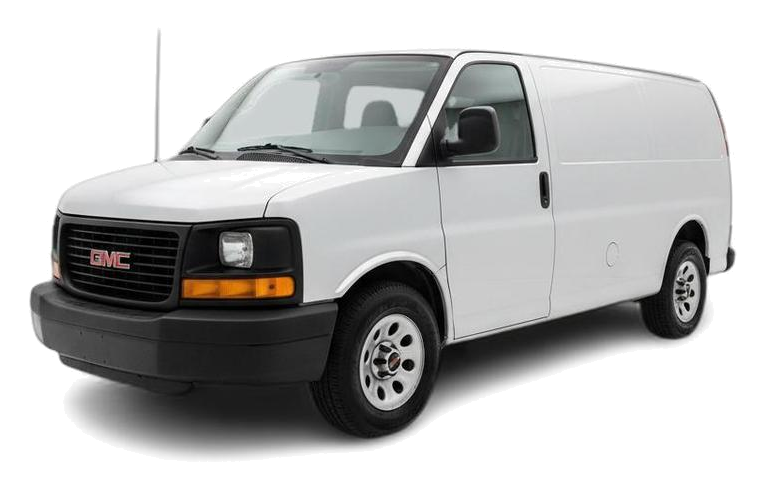
The 2009 GMC Savana 1500 is a full-size passenger van, part of a long-running line known for its utility and space. Produced from 1996 through the present, its model years are extensive. Key trims typically include the base model and the more feature-rich LS. Pricing for a 2009 model can range significantly based on condition and mileage, but generally falls between $5,000 to $15,000. It stands out for its robust construction, versatile cargo and passenger capacity, and its ability to be configured for various needs, making it a popular choice for businesses and families requiring substantial space.
The Good
The 2009 Savana 1500 offers dependable V8 engine performance for towing and hauling, impressive passenger comfort and space for family trips, and remarkable utility. Its durable build speaks to practical buyers, while its capability to transport many or extensive gear appeals to the emotional desire for adventure and shared experiences.
The Bad
Potential buyers of the 2009 GMC Savana 1500 should watch out for common issues like transmission problems, particularly with older models, and potential electrical gremlins. Rust around wheel wells and door sills can also be a concern in certain climates, impacting long-term structural integrity.
2009 GMC Savana 1500: Quick Overview
- Engine Options: The 2009 GMC Savana 1500 was available with two primary engine choices.
- A 4.8L V8 engine
- A 5.3L V8 engine
- Horsepower:
- 4.8L V8: Approximately 280 horsepower
- 5.3L V8: Approximately 295 horsepower
- Fuel Economy (EPA Estimated):
- 4.8L V8: Around 13 MPG city / 17 MPG highway
- 5.3L V8: Around 12 MPG city / 16 MPG highway
- 0-60 Times: Generally in the 8-10 second range, depending on engine, configuration, and load.
- Towing Capacity: Varies significantly based on configuration (rear-wheel drive vs. all-wheel drive, axle ratio, engine). Properly equipped models could tow upwards of 10,000 pounds, making it highly capable for trailers and recreational equipment.
- Trim-Level Features:
- Base Model: Typically includes essential features like air conditioning, power windows and locks (depending on configuration), AM/FM stereo, and durable interior materials suitable for commercial use or basic transport.
- LS Trim: Often adds convenience features such as cruise control, upgraded interior trim, and potentially more audio system options. Depending on package selections, it could also include features like captain's chairs, rear climate control, and enhanced sound systems.
- Optional Features: Many Savana vans were equipped with optional packages that could include things like rear entertainment systems, upgraded seating, power-adjustable seats, and more advanced audio setups.
2009 GMC Savana 1500 Specifications
Vehicle Information
| Year | 2009 |
| Make | GMC |
| Model | Savana 1500 |
| Trim | - |
| Style | - |
| Type | Truck |
| Category | Medium Truck |
Manufacturing Details
| Made In | United States |
| Manufacturing City | WENTZVILLE |
Dimensions
| Doors | 3-Door |
| Curb Weight | 4894 pounds |
| Gross Vehicle Weight Rating | 7300 pounds |
| Overall Height | 81.60 inches |
| Overall Length | 224.10 inches |
| Overall Width | 79.40 inches |
| Wheelbase Length | 135.00 inches |
| Standard Seating | 2 |
Engine & Performance
| Engine | 5.3L V8 |
| Engine Size | 5.3L |
| Engine Cylinders | 8 |
| Transmission | 4-Speed Automatic |
| Transmission Type | Automatic |
| Transmission Speeds | 4-Speed |
| Drivetrain | Rear-Wheel Drive |
Additional Features
| Anti-Brake System | 4-Wheel ABS |
| Steering Type | Rack & Pinion |
Pricing
| Manufacturer Suggested Retail Price (MSRP) | $24,365 |
| Invoice Price | $22,294 |
| Delivery Charges | $980 |
Vehicle History Report
Vehicle
Specifications
Specifications
Ownership
History
History
All History
Events
Events
NMVTIS Title
History Check
History Check
Salvage/Rebuilt
Check
Check
Accident
Check
Check
Theft
Check
Check
Open Lien
Check
Check
Past Sale
Listings
Listings
Safety
Recalls
Recalls
Odometer
Check
Check
Market Price
Analysis
Analysis
What Problems Does the 2009 GMC Savana 1500 Have?
The 2009 GMC Savana 1500, like many vehicles of its age and class, has some commonly reported issues and areas of concern for owners. One of the most frequently cited problems revolves around the transmission. Owners have reported issues such as slipping gears, delayed shifting, and outright transmission failure, especially on higher-mileage examples. This can be an expensive repair. Another area to watch is the rear axle, with some instances of bearing or seal failures leading to leaks or noise.
Brake system components, including rotors and pads, can wear out quicker than expected due to the van's weight and frequent use, particularly if used for towing or carrying heavy loads. Engine components, while generally robust, can also develop issues over time; some owners have reported problems with the fuel pump and ignition coils.
Rust is a significant long-term concern, especially for Savana vans used in areas with harsh winters or coastal environments. Look for corrosion on the frame, rocker panels, wheel wells, and door sills. Electrical issues, though not as widespread as mechanical ones, can also occur, including problems with the dashboard lights, power windows, or accessory outlets. While specific recalls for the 2009 model year might vary, it's always advisable to check the NHTSA website for any outstanding recalls pertinent to the vehicle's VIN. Overall, the Savana 1500 is built to be durable, but proactive maintenance and inspections are key to mitigating these common issues and ensuring long-term reliability.
Brake system components, including rotors and pads, can wear out quicker than expected due to the van's weight and frequent use, particularly if used for towing or carrying heavy loads. Engine components, while generally robust, can also develop issues over time; some owners have reported problems with the fuel pump and ignition coils.
Rust is a significant long-term concern, especially for Savana vans used in areas with harsh winters or coastal environments. Look for corrosion on the frame, rocker panels, wheel wells, and door sills. Electrical issues, though not as widespread as mechanical ones, can also occur, including problems with the dashboard lights, power windows, or accessory outlets. While specific recalls for the 2009 model year might vary, it's always advisable to check the NHTSA website for any outstanding recalls pertinent to the vehicle's VIN. Overall, the Savana 1500 is built to be durable, but proactive maintenance and inspections are key to mitigating these common issues and ensuring long-term reliability.
How long will the 2009 GMC Savana 1500 last?
The 2009 GMC Savana 1500 is known for its potential to last well over 200,000 miles with consistent maintenance. Many owners report achieving 250,000 to 300,000 miles before major powertrain issues arise. Regular oil changes, transmission fluid flushes, and timely replacements of wear items like brakes and belts are crucial. Weaknesses that tend to appear over time include potential transmission issues, rust formation in corrosive environments, and wear and tear on suspension components. However, with diligent care, its strong frame and robust V8 engines contribute to impressive long-term durability, making it a vehicle capable of serving for many years and hundreds of thousands of miles.
What Technology & Safety Features are Included?
The 2009 GMC Savana 1500 offers a functional, if not cutting-edge, array of technology, entertainment, and safety features, with many aspects being optional. Standard tech typically included a basic AM/FM stereo with an auxiliary input jack for portable devices. Higher trims or optional packages could upgrade this to a CD player, and in some cases, a more sophisticated audio system with additional speakers.
Entertainment options were fairly limited by today's standards. While not common, some higher-end configurations might have offered rear-seat entertainment systems with a drop-down screen and DVD player, particularly in luxury passenger van configurations. Bluetooth connectivity was generally not available on this model year.
Driver-assistance features were also minimal. Standard safety equipment included airbags for the front occupants. Anti-lock Braking System (ABS) was typically standard on all models, enhancing braking control. For 2009, stability control, often marketed as StabiliTrak, became more widely available, and was a valuable addition for a vehicle of this size and weight, helping to prevent rollovers and loss of control. Rear parking assist sensors were also an available option.
Safety was a priority for GMC, and the Savana was built with a strong frame. Crash-test ratings for vans of this era can be challenging to find and compare directly to modern standards. However, the National Highway Traffic Safety Administration (NHTSA) typically rated these vehicles for frontal and side impacts. While specific ratings for the 2009 Savana 1500 might vary, the overall design aimed to provide robust protection for occupants. It's always recommended to consult NHTSA's database for the most accurate and detailed safety information for a specific vehicle.
Entertainment options were fairly limited by today's standards. While not common, some higher-end configurations might have offered rear-seat entertainment systems with a drop-down screen and DVD player, particularly in luxury passenger van configurations. Bluetooth connectivity was generally not available on this model year.
Driver-assistance features were also minimal. Standard safety equipment included airbags for the front occupants. Anti-lock Braking System (ABS) was typically standard on all models, enhancing braking control. For 2009, stability control, often marketed as StabiliTrak, became more widely available, and was a valuable addition for a vehicle of this size and weight, helping to prevent rollovers and loss of control. Rear parking assist sensors were also an available option.
Safety was a priority for GMC, and the Savana was built with a strong frame. Crash-test ratings for vans of this era can be challenging to find and compare directly to modern standards. However, the National Highway Traffic Safety Administration (NHTSA) typically rated these vehicles for frontal and side impacts. While specific ratings for the 2009 Savana 1500 might vary, the overall design aimed to provide robust protection for occupants. It's always recommended to consult NHTSA's database for the most accurate and detailed safety information for a specific vehicle.
What Colors Options are Available?
2009 GMC Savana 1500 Prices and Market Value
When new, the 2009 GMC Savana 1500 had an MSRP that typically ranged from around $25,000 for a base cargo van to upwards of $35,000 or more for a well-equipped passenger LS model with options. These vans experienced steady depreciation, as is common for large utility vehicles. Currently, used 2009 Savana 1500 prices vary widely, generally falling between $5,000 and $15,000. Factors significantly impacting resale value include mileage, overall condition (especially body rust and interior wear), maintenance history, engine choice (5.3L is often more desirable), and whether it's configured as a passenger or cargo van. Vans with extensive service records and minimal rust tend to hold their value best.
2009 GMC Savana 1500 Cost of Ownership
Owning a 2009 GMC Savana 1500 can be moderately economical, but it depends heavily on usage. Insurance costs will likely be higher than for a sedan due to its size and intended use. Fuel costs are significant, with the V8 engines averaging 12-17 MPG. Regular maintenance, including fluid changes and tire rotations, is essential for longevity. Repair costs can be substantial, especially for transmission work or body rust remediation. Overall, while its initial purchase price can be low on the used market, its running costs, particularly fuel and potential repairs, make it a moderately costly vehicle to own long-term, especially for frequent drivers. It's more economical for those who truly need its utility.
2009 GMC Savana 1500 Fuel Efficiency
Fuel Type
Gasoline
Fuel Capacity
31.00 gallons
City Mileage
10 miles/gallon
Highway Mileage
12 miles/gallon
2009 GMC Savana 1500 Safety Rating
NHTSA
2009 GMC Savana 1500 Warranty
Basic
Original warranty
36 months / 36,000 miles
Estimated remaining
Expired
Powertrain
Original warranty
60 months / 100,000 miles
Estimated remaining
Expired
Rust
Original warranty
72 months / 100,000 miles
Estimated remaining
Expired
2009 GMC Savana 1500 Insurance
Insurance for a 2009 GMC Savana 1500 is moderately priced, reflecting its status as a Truck with strong safety ratings and
reasonable repair costs.
How Does the 2009 GMC Savana 1500 Compare to Other Truck?
The 2009 GMC Savana 1500 competed primarily against the Ford Econoline (E-Series), Chevrolet Express (which it shared a platform with), and the Ram ProMaster (though ProMaster came later).
Performance: The Savana 1500 generally offered strong V8 engine options that provided good towing and hauling power, often competitive with or exceeding the Ford Econoline variants. The Chevrolet Express, being its corporate sibling, offered virtually identical performance characteristics.
Features: In terms of features, the Savana 1500 was often a mixed bag. While comfortable and spacious, its technology and safety features for 2009 lagged behind newer competitors that emerged later in the automotive landscape. The Ford Econoline was also known for its utilitarian approach, sometimes lacking the more creature-comfort-oriented options found in higher trims of the Savana.
Reliability: Reliability for the Savana 1500 is generally considered good for its class, especially its powertrains, though specific issues like transmission problems can arise with age and mileage, similar to many vehicles from this era. The Ford Econoline had its own set of reported issues, often related to electrical systems and interior components.
Price: The Savana 1500, when new, was competitively priced against its direct rivals. On the used market, the 2009 models offer a strong value proposition, often being more affordable than comparable Ford Econoline vans, especially considering its robust build and V8 power.
Alternatives: The Chevrolet Express 1500 is a near-identical alternative, sharing most of its mechanical components and offering the same strengths and weaknesses. The Ford Econoline E-150 is another strong contender, known for its own set of loyal followers and a slightly different driving feel. For those prioritizing newer technology or a more modern design, and if cargo/passenger needs are less extreme, a used minivan like a Toyota Sienna or Honda Odyssey might be considered, though they lack the heavy-duty capability of the Savana. However, for raw utility, towing, and passenger/cargo volume, the Savana 1500 remains a solid, if aging, choice.
Performance: The Savana 1500 generally offered strong V8 engine options that provided good towing and hauling power, often competitive with or exceeding the Ford Econoline variants. The Chevrolet Express, being its corporate sibling, offered virtually identical performance characteristics.
Features: In terms of features, the Savana 1500 was often a mixed bag. While comfortable and spacious, its technology and safety features for 2009 lagged behind newer competitors that emerged later in the automotive landscape. The Ford Econoline was also known for its utilitarian approach, sometimes lacking the more creature-comfort-oriented options found in higher trims of the Savana.
Reliability: Reliability for the Savana 1500 is generally considered good for its class, especially its powertrains, though specific issues like transmission problems can arise with age and mileage, similar to many vehicles from this era. The Ford Econoline had its own set of reported issues, often related to electrical systems and interior components.
Price: The Savana 1500, when new, was competitively priced against its direct rivals. On the used market, the 2009 models offer a strong value proposition, often being more affordable than comparable Ford Econoline vans, especially considering its robust build and V8 power.
Alternatives: The Chevrolet Express 1500 is a near-identical alternative, sharing most of its mechanical components and offering the same strengths and weaknesses. The Ford Econoline E-150 is another strong contender, known for its own set of loyal followers and a slightly different driving feel. For those prioritizing newer technology or a more modern design, and if cargo/passenger needs are less extreme, a used minivan like a Toyota Sienna or Honda Odyssey might be considered, though they lack the heavy-duty capability of the Savana. However, for raw utility, towing, and passenger/cargo volume, the Savana 1500 remains a solid, if aging, choice.
Final Verdict: Is the 2009 GMC Savana 1500 a Good Truck?
The 2009 GMC Savana 1500 is ideal for individuals or businesses needing substantial passenger or cargo capacity for hauling families, work crews, or equipment. It is particularly well-suited for those who prioritize utility and towing capability over cutting-edge technology or fuel efficiency.
Whether it's worth buying depends heavily on its condition and price. As a used vehicle, it offers significant value if well-maintained. Buyers should prioritize models with lower mileage, a documented service history, and minimal rust. Specific trims like the LS passenger van offer more comfort for families, while base cargo vans are perfect for tradespeople. It is generally not worth buying if extensive repairs are immediately needed. For its intended purpose, a well-inspected 2009 Savana 1500 can still be a very capable and cost-effective workhorse or people-mover.
