
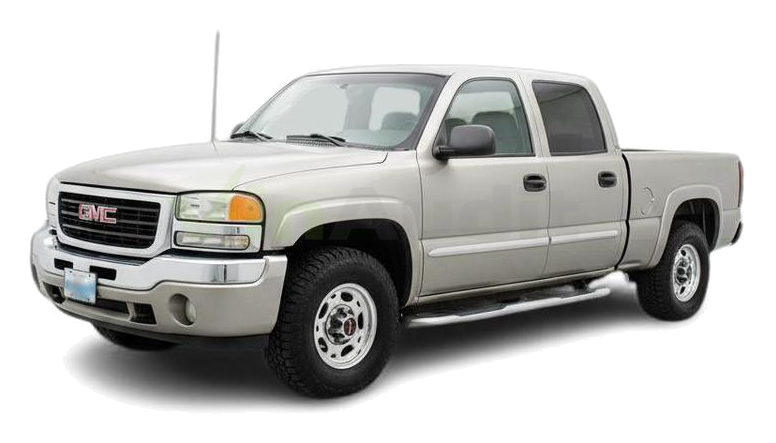
The 2003 GMC Sierra 1500HD is a heavy-duty half-ton pickup truck, part of the second generation of Sierra trucks (1999-2007). Slotting between the standard 1500 and the 2500HD, it offered enhanced capability. Key trims included the base, SLE, and SLT. New pricing ranged from approximately $27,000 to over $38,000. Its popularity stemmed from offering a robust blend of towing and hauling power without the extreme size and fuel consumption of heavier-duty models, appealing to those needing more than a standard 1500 but less than a 2500HD.
The Good
The 2003 Sierra 1500HD excels with its strong V8 engine options, durable construction, and comfortable ride for its class. It offers impressive towing capacity, practical utility for work and recreation, and a bold, rugged design that appeals to a sense of capability and dependability.
The Bad
Potential owners should be aware of common issues like transmission problems, particularly with the 4L60-E in some configurations, and potential rust on the frame and body panels. Electrical gremlins and interior wear on high-mileage examples are also points to scrutinize.
2003 GMC Sierra 1500HD: Quick Overview
- Engine Options: The primary engine for the 2003 Sierra 1500HD was the 6.0L Vortec V8 (LQ4).
- Horsepower: The 6.0L Vortec V8 produced approximately 300 horsepower.
- Torque: The 6.0L Vortec V8 offered around 355 lb-ft of torque.
- Fuel Economy: Estimated EPA ratings were around 11-13 MPG city and 15-17 MPG highway, varying with drivetrain (2WD/4WD) and rear-end ratio. This is not a fuel-sipping vehicle.
- 0-60 Times: Typically in the range of 8-9 seconds, depending on configuration and load.
- Towing Capacity: The 1500HD was designed for enhanced towing, often rated for a maximum towing capacity of around 8,700 to 10,300 pounds, depending on configuration (rear-end ratio, 2WD/4WD).
- Trim-Level Features:
Base: Typically included standard features like air conditioning, power steering, anti-lock brakes, and basic audio system. Vinyl or cloth seating.
SLE: Added features like power windows, power door locks, cruise control, upgraded cloth or vinyl interior, and often a more refined audio system. May include some chrome exterior accents.
SLT: Represented the top trim, offering leather seating, power-adjustable front seats, automatic climate control, premium audio system, fog lights, and often more extensive chrome accents. Included advanced convenience features for the time. - Drivetrain: Available in 2WD and 4WD configurations.
- Transmission: Typically mated to the 4L80-E heavy-duty automatic transmission.
2003 GMC Sierra 1500HD Specifications
Vehicle Information
| Year | 2003 |
| Make | GMC |
| Model | Sierra 1500HD |
| Trim | - |
| Style | - |
| Type | Pickup Truck |
| Category | Standard Pickup Truck |
Manufacturing Details
| Made In | United States |
| Manufacturing City | FLINT |
Dimensions
| Doors | 4-Door |
| Curb Weight | 5506 pounds |
| Gross Vehicle Weight Rating | 8600 pounds |
| Overall Height | 77.00 inches |
| Overall Length | 237.20 inches |
| Overall Width | 79.70 inches |
| Wheelbase Length | 153.00 inches |
| Standard Seating | 6 |
Engine & Performance
| Engine | 6L V8 |
| Engine Size | 6L |
| Engine Cylinders | 8 |
| Transmission | 4-Speed Automatic |
| Transmission Type | Automatic |
| Transmission Speeds | 4-Speed |
| Drivetrain | Rear-Wheel Drive |
Additional Features
| Anti-Brake System | 4-Wheel ABS |
| Steering Type | Rack & Pinion |
Pricing
| Manufacturer Suggested Retail Price (MSRP) | $31,093 |
| Invoice Price | $27,206 |
| Delivery Charges | $815 |
Vehicle History Report
Vehicle
Specifications
Specifications
Ownership
History
History
All History
Events
Events
NMVTIS Title
History Check
History Check
Salvage/Rebuilt
Check
Check
Accident
Check
Check
Theft
Check
Check
Open Lien
Check
Check
Past Sale
Listings
Listings
Safety
Recalls
Recalls
Odometer
Check
Check
Market Price
Analysis
Analysis
What Problems Does the 2003 GMC Sierra 1500HD Have?
The 2003 GMC Sierra 1500HD, while generally robust, is not without its common issues. A significant concern often cited by owners is the reliability of the 4L60-E transmission (though the 1500HD was more likely to get the 4L80-E, which is generally stronger, some early or specific configurations might have had the 4L60-E), especially when subjected to heavy towing or abuse. Symptoms can include slipping, delayed shifting, or complete failure. Regular fluid changes and proper cooling are crucial.
Another prevalent issue across GMT800 platform trucks (which includes the 2003 Sierra) is the potential for corrosion, particularly on the rocker panels, cab corners, and rear wheel wells. Rust can also affect the frame, especially in areas with harsh winters and road salt usage. A thorough inspection of the undercarriage is essential when considering a used model.
The Vortec 6.0L engine (LQ4) is generally reliable, but owners have reported occasional issues with intake manifold gaskets leaking, leading to coolant loss or vacuum leaks. Ignition system components, such as spark plugs and coil packs, can also wear over time.
Electrical problems are not uncommon in older vehicles. This can manifest as malfunctioning power windows, door locks, dashboard lights, or accessory issues. Checking all electronic components thoroughly is advised.
While specific recalls for the 2003 1500HD are limited, general recalls for the GMT800 platform might apply, often concerning airbags, fuel systems, or braking components. It's important to check the NHTSA website for any outstanding recalls related to the vehicle's VIN. Overall, long-term reliability is decent if well-maintained, but potential buyers should be prepared for typical aging vehicle repairs and rust mitigation.
Another prevalent issue across GMT800 platform trucks (which includes the 2003 Sierra) is the potential for corrosion, particularly on the rocker panels, cab corners, and rear wheel wells. Rust can also affect the frame, especially in areas with harsh winters and road salt usage. A thorough inspection of the undercarriage is essential when considering a used model.
The Vortec 6.0L engine (LQ4) is generally reliable, but owners have reported occasional issues with intake manifold gaskets leaking, leading to coolant loss or vacuum leaks. Ignition system components, such as spark plugs and coil packs, can also wear over time.
Electrical problems are not uncommon in older vehicles. This can manifest as malfunctioning power windows, door locks, dashboard lights, or accessory issues. Checking all electronic components thoroughly is advised.
While specific recalls for the 2003 1500HD are limited, general recalls for the GMT800 platform might apply, often concerning airbags, fuel systems, or braking components. It's important to check the NHTSA website for any outstanding recalls related to the vehicle's VIN. Overall, long-term reliability is decent if well-maintained, but potential buyers should be prepared for typical aging vehicle repairs and rust mitigation.
How long will the 2003 GMC Sierra 1500HD last?
With diligent maintenance, a 2003 GMC Sierra 1500HD can realistically achieve 200,000 to 250,000 miles, with many examples exceeding this. The 6.0L Vortec engine is known for its durability. However, long-term durability is significantly impacted by maintenance and environmental factors. Weaknesses that emerge over time include potential transmission issues (especially if overworked or poorly maintained), increased susceptibility to rust on the body and frame, and wear on suspension components. Regular fluid changes for the engine, transmission, and differential, along with rustproofing and addressing minor body damage promptly, are key to maximizing its service life.
What Technology & Safety Features are Included?
The 2003 GMC Sierra 1500HD, being from the early 2000s, offered a functional, albeit not cutting-edge, suite of technology and safety features.
Built-in Tech and Entertainment: Standard features typically included an AM/FM stereo with CD player (some models might have had cassette players as well). Optional upgrades could include a premium sound system, often with more speakers and enhanced audio clarity. Steering wheel-mounted audio controls were a desirable option for convenience. While Bluetooth or navigation were not standard or widely available, auxiliary input jacks for MP3 players were slowly starting to appear in aftermarket options or as very late-model additions for some trucks, but were not common in 2003.
Driver-Assistance Features: Driver-assistance technology was very limited in 2003. The primary advanced feature was the anti-lock braking system (ABS), which was standard. Cruise control was also widely available, often as standard on higher trims or as an option. Features like traction control were available on some models but not universally.
Safety Features: Standard safety equipment included front airbags for the driver and passenger. Seatbelt pretensioners were also standard. Side-impact airbags were not widely available or standard on this model year. Daytime running lights were a common feature.
Optional Features: Beyond the audio upgrades, options often included things like fog lights, a towing package (which included specific trailering mirrors and wiring), and sometimes an engine block heater for colder climates.
Crash-Test Ratings: For the 2003 model year, the NHTSA provided ratings for the Chevrolet Silverado/GMC Sierra twins. For frontal impacts, the truck typically received 4 out of 5 stars for the driver and front passenger. Side-impact ratings were often lower, reflecting the safety standards of the era. It's important to note that crash test data from this period predates many of the more advanced safety structures and technologies found in modern vehicles.
Built-in Tech and Entertainment: Standard features typically included an AM/FM stereo with CD player (some models might have had cassette players as well). Optional upgrades could include a premium sound system, often with more speakers and enhanced audio clarity. Steering wheel-mounted audio controls were a desirable option for convenience. While Bluetooth or navigation were not standard or widely available, auxiliary input jacks for MP3 players were slowly starting to appear in aftermarket options or as very late-model additions for some trucks, but were not common in 2003.
Driver-Assistance Features: Driver-assistance technology was very limited in 2003. The primary advanced feature was the anti-lock braking system (ABS), which was standard. Cruise control was also widely available, often as standard on higher trims or as an option. Features like traction control were available on some models but not universally.
Safety Features: Standard safety equipment included front airbags for the driver and passenger. Seatbelt pretensioners were also standard. Side-impact airbags were not widely available or standard on this model year. Daytime running lights were a common feature.
Optional Features: Beyond the audio upgrades, options often included things like fog lights, a towing package (which included specific trailering mirrors and wiring), and sometimes an engine block heater for colder climates.
Crash-Test Ratings: For the 2003 model year, the NHTSA provided ratings for the Chevrolet Silverado/GMC Sierra twins. For frontal impacts, the truck typically received 4 out of 5 stars for the driver and front passenger. Side-impact ratings were often lower, reflecting the safety standards of the era. It's important to note that crash test data from this period predates many of the more advanced safety structures and technologies found in modern vehicles.
What Colors Options are Available?
2003 GMC Sierra 1500HD Prices and Market Value
When new, the 2003 GMC Sierra 1500HD had an MSRP that generally ranged from approximately $27,000 for a base model to over $38,000 for a well-equipped SLT. As with most trucks, depreciation was somewhat slower than for passenger cars. Today, used market prices for a 2003 Sierra 1500HD vary significantly, typically falling between $3,000 and $10,000, heavily influenced by mileage, condition, maintenance history, trim level, and regional demand. Factors affecting resale value include the presence of rust, the mechanical condition of the engine and transmission, and whether it has been used for heavy-duty work. Trucks in excellent condition with lower mileage and a documented service history command higher prices. The 1500HD's specific niche as a capable but not overly heavy-duty truck can also influence its desirability.
2003 GMC Sierra 1500HD Cost of Ownership
Ownership costs for a 2003 GMC Sierra 1500HD can be moderate to high, especially when considering fuel. Its V8 engine, while powerful, is not fuel-efficient, leading to significant gasoline expenses. Insurance rates will vary based on your driving record, location, and coverage, but generally, older trucks can be more affordable to insure than new ones. Maintenance is crucial; expect regular oil changes, fluid flushes, and potential tire replacements. Repair costs can be moderate to high, particularly if major components like the transmission or engine require attention. Overall, while initial purchase prices can be low, the fuel and potential repair costs mean it's not the most economical vehicle to own long-term.
2003 GMC Sierra 1500HD Fuel Efficiency
Fuel Type
Gasoline
Fuel Capacity
26.00 gallons
City Mileage
-
Highway Mileage
-
2003 GMC Sierra 1500HD Safety Rating
NHTSA
IIHS
2003 GMC Sierra 1500HD Warranty
Basic
Original warranty
36 months / 36,000 miles
Estimated remaining
Expired
Powertrain
Original warranty
36 months / 36,000 miles
Estimated remaining
Expired
Rust
Original warranty
72 months / 100,000 miles
Estimated remaining
Expired
2003 GMC Sierra 1500HD Insurance
Insurance for a 2003 GMC Sierra 1500HD is moderately priced, reflecting its status as a Pickup Truck with strong safety ratings and
reasonable repair costs.
How Does the 2003 GMC Sierra 1500HD Compare to Other Pickup Truck?
The 2003 GMC Sierra 1500HD competed primarily with the 2003 Chevrolet Silverado 1500HD (its mechanical twin), the 2003 Ford F-150 (particularly its heavier-duty variants) and the 2003 Dodge Ram 1500.
Performance: The Sierra 1500HD, with its standard 6.0L V8, offered excellent power and substantial towing capacity, often outperforming similarly rated F-150s or standard Ram 1500s in raw grunt. Its heavier-duty components meant it could handle tougher jobs.
Features: While the Sierra offered a comfortable interior and decent features for its era, especially in SLT trim, competitors like the Ford F-150 were often seen as having slightly more refined interiors or a wider array of available options in certain areas. The Dodge Ram often touted a more distinctive interior design.
Reliability: The Sierra/Silverado platform of this generation was generally considered very reliable, with strong powertrains. However, the specific transmission (potential for 4L60-E or 4L80-E) and susceptibility to rust were known weaknesses, similar to many trucks of this era. The F-150 had its own set of common issues, while the Ram also had its share of reported problems.
Price: When new, pricing was competitive. In the used market, the 2003 Sierra 1500HD often offers great value for its capability, typically priced similarly to its Chevrolet counterpart and often less than a comparable F-150 or Ram if condition is equal.
Alternatives:
Similar: The 2003 Chevrolet Silverado 1500HD is virtually identical in specs and performance.
Slightly Different Focus: The 2003 Ford F-150 offers a wide range of configurations, including some with higher towing capacities than standard 1500s, and some SuperCrew models provide more passenger space. The 2003 Dodge Ram 1500 is known for its coil-spring rear suspension providing a smoother ride for a pickup, and its distinctive styling.
If More Capability is Needed: For those needing significantly more towing than the 1500HD offers, stepping up to a 2003 GMC Sierra 2500HD or 2003 Chevrolet Silverado 2500HD (with their Duramax diesel or larger V8 options) is the next logical step.
Performance: The Sierra 1500HD, with its standard 6.0L V8, offered excellent power and substantial towing capacity, often outperforming similarly rated F-150s or standard Ram 1500s in raw grunt. Its heavier-duty components meant it could handle tougher jobs.
Features: While the Sierra offered a comfortable interior and decent features for its era, especially in SLT trim, competitors like the Ford F-150 were often seen as having slightly more refined interiors or a wider array of available options in certain areas. The Dodge Ram often touted a more distinctive interior design.
Reliability: The Sierra/Silverado platform of this generation was generally considered very reliable, with strong powertrains. However, the specific transmission (potential for 4L60-E or 4L80-E) and susceptibility to rust were known weaknesses, similar to many trucks of this era. The F-150 had its own set of common issues, while the Ram also had its share of reported problems.
Price: When new, pricing was competitive. In the used market, the 2003 Sierra 1500HD often offers great value for its capability, typically priced similarly to its Chevrolet counterpart and often less than a comparable F-150 or Ram if condition is equal.
Alternatives:
Similar: The 2003 Chevrolet Silverado 1500HD is virtually identical in specs and performance.
Slightly Different Focus: The 2003 Ford F-150 offers a wide range of configurations, including some with higher towing capacities than standard 1500s, and some SuperCrew models provide more passenger space. The 2003 Dodge Ram 1500 is known for its coil-spring rear suspension providing a smoother ride for a pickup, and its distinctive styling.
If More Capability is Needed: For those needing significantly more towing than the 1500HD offers, stepping up to a 2003 GMC Sierra 2500HD or 2003 Chevrolet Silverado 2500HD (with their Duramax diesel or larger V8 options) is the next logical step.
Final Verdict: Is the 2003 GMC Sierra 1500HD a Good Pickup Truck?
The 2003 GMC Sierra 1500HD is ideal for buyers who need more towing and hauling capability than a standard half-ton truck but don't necessarily require the extreme capacity or fuel consumption of a 2500HD. It's a great choice for those who frequently tow smaller to medium-sized boats, campers, or utility trailers, or who occasionally haul heavier loads.
It is worth buying, especially on the used market, provided you find one that has been well-maintained and is relatively rust-free. The SLT trim offers the most comfort and features. However, thoroughly inspect the transmission and frame for rust. Given its age, expect ongoing maintenance. Buying used is significantly more economical than its original MSRP. This truck offers a strong value proposition for its capability if you prioritize ruggedness and utility over modern technology and fuel efficiency.