
by VIN, Year, Make, Model by License Plate

1990 Harley-Davidson FLHTC Overview, Reviews, Ratings & Specs

Rating: 0.00
Based on 0 Owner Reviews
Cathleen V | June 14, 2026
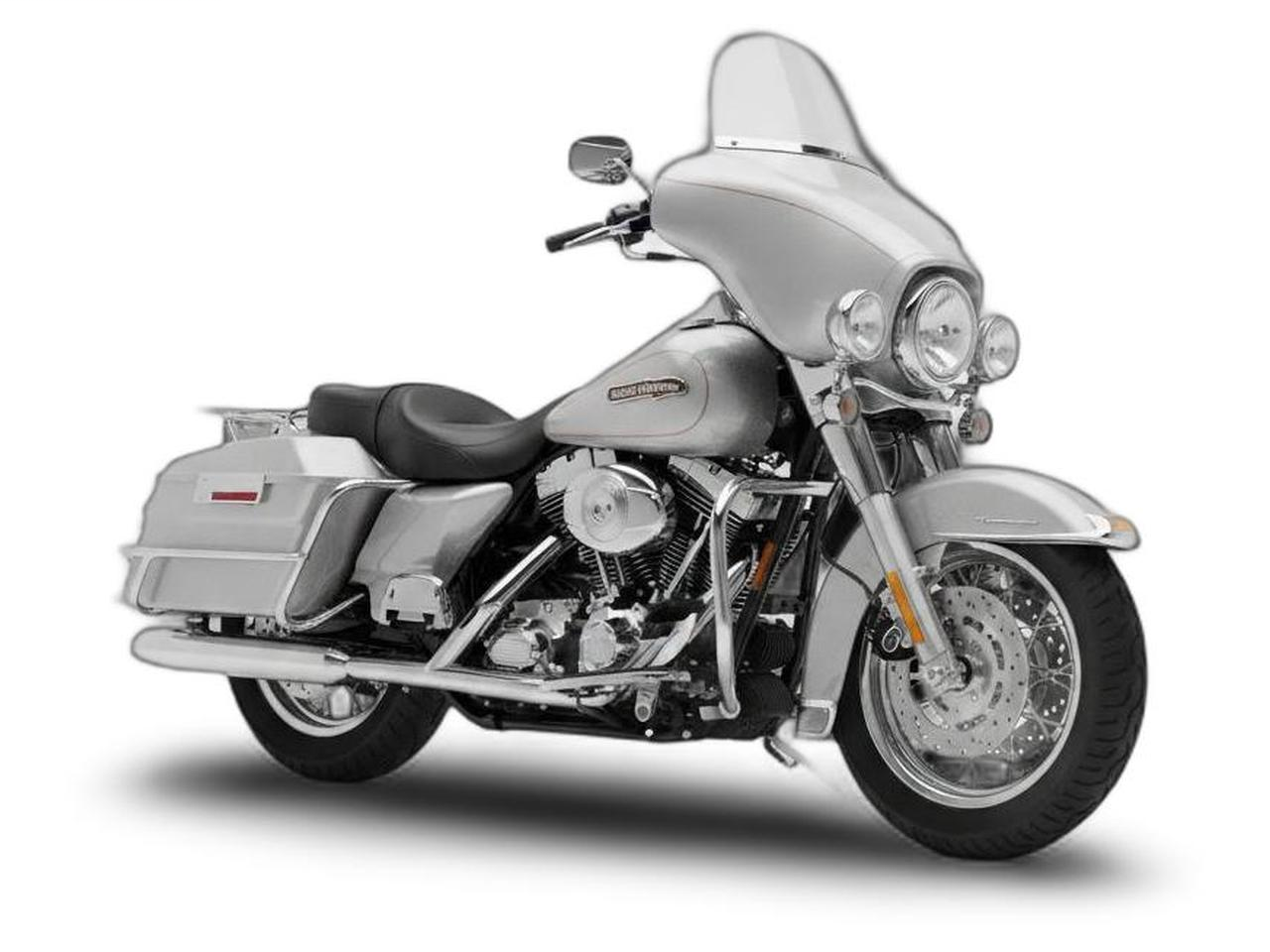
The 1990 Harley-Davidson FLHTC, part of the iconic Electra Glide family, is a full-dress touring motorcycle. Introduced in the early 1980s, the FLHTC represents Harley-Davidson's commitment to long-distance comfort and capability. This model year signifies a robust era for the brand. Its signature batwing fairing, ample storage, and plush seating make it a beloved choice for riders seeking classic American touring style. At its launch, pricing typically ranged from the mid-$14,000s to $17,000 depending on options.
The Good

The 1990 FLHTC excels in touring comfort with its plush seat and large fairing, offering a smooth, stable ride. Its V-twin rumble appeals emotionally, while the ample storage and reliable performance make it a practical choice for long journeys. It's a timeless cruiser offering significant value for its touring prowess.

The Bad

Common weaknesses for the 1990 FLHTC include potential oil leaks from the engine and transmission, especially on higher-mileage examples. Electrical gremlins, particularly with older wiring harnesses and components, can arise. Carburetor tuning can be finicky, and brake performance, while adequate, isn't modern-day high-performance standard. Vibration at idle can also be a factor.

1990 Harley-Davidson FLHTC: Quick Overview

  • Engine Options: The primary engine for the 1990 Harley-Davidson FLHTC was the 80 cubic inch (1340cc) Evolution V-twin engine. This air-cooled engine was known for its robust torque delivery.
  • Horsepower: Horsepower figures for the 1990 FLHTC typically hovered around 65-70 horsepower. The focus was less on peak horsepower and more on low-end torque for effortless cruising.
  • Fuel Economy: Fuel economy was not a primary design focus for this era of Harley-Davidson touring bikes. Owners could expect in the range of 35-45 miles per gallon (MPG), depending on riding conditions, speed, and load.
  • 0-60 Times: Official 0-60 mph times were rarely published by Harley-Davidson for this model. However, estimations place it in the 5-6 second range, demonstrating respectable acceleration for a heavy touring machine thanks to its abundant torque.
  • Towing Capacity: The FLHTC is designed for carrying luggage and a passenger, not for towing trailers in the conventional sense. There is no official towing capacity rating.
  • Trim-Level Features (FLHTC): The FLHTC designation signifies the top-tier touring model. Key features included:
    • Full batwing fairing with windscreen.
    • Integrated hard saddlebags and a spacious tour pack (trunk) for significant luggage capacity.
    • Comfortable two-up seating.
    • Full instrumentation, including speedometer, tachometer, fuel gauge, oil pressure gauge, and voltmeter.
    • Chrome accents throughout.
    • Optional AM/FM radio and CB radio with intercom system.
    • Passenger floorboards.
    • Dual disc front brakes.
    • Air-adjustable rear suspension.
    • Often came with a passenger backrest.
    This model was built for long-haul comfort and convenience, representing the pinnacle of Harley-Davidson's touring offerings at the time.

1990 Harley-Davidson FLHTC Specifications

Vehicle Information
Year 1990
Make Harley-Davidson
Model FLHTC
Trim -
Style -
Type Motorcycle
Category Motorcycle
Manufacturing Details
Made In United States
Manufacturing City YORK
Dimensions
Doors -
Curb Weight -
Gross Vehicle Weight Rating -
Overall Height -
Overall Length -
Overall Width -
Wheelbase Length -
Standard Seating -
Engine & Performance
Engine 1340CC
Engine Size 1340L
Engine Cylinders 2
Transmission -
Transmission Type -
Transmission Speeds -
Drivetrain -
Additional Features
Anti-Brake System -
Steering Type -
Pricing
Manufacturer Suggested Retail Price (MSRP) -
Invoice Price -
Delivery Charges -

Vehicle History Report

Vehicle
Specifications
Ownership
History
All History
Events
NMVTIS Title
History Check
Salvage/Rebuilt
Check
Accident
Check
Theft
Check
Open Lien
Check
Past Sale
Listings
Safety
Recalls
Odometer
Check
Market Price
Analysis

What Problems Does the 1990 Harley-Davidson FLHTC Have?

The 1990 Harley-Davidson FLHTC, powered by the Evolution engine, is generally considered a reliable platform, but like any vintage machine, it has its common issues. One of the most frequently reported concerns is related to oil leaks, particularly from the primary cover, transmission, and engine case seals. This is often due to aging gaskets and seals. Electrical gremlins are another common area of concern. Older wiring harnesses can become brittle, and components like voltage regulators, starter solenoids, and switches can fail over time, leading to intermittent issues or complete loss of function. The Keihin CV carburetor, while generally good, can sometimes require tuning or rebuilding to maintain optimal performance and fuel efficiency, especially if not properly maintained. Some owners report issues with the ignition system, such as coil failure or spark plug wire degradation. Brake systems on these bikes, while functional, are not as potent as modern systems. Wear items like brake pads and rotors will require regular attention, and master cylinders or calipers can eventually need rebuilding. The Evolution engine is known for its robustness, but regular maintenance is crucial. Owners should be mindful of camshaft bearing wear and inspect the cam plate for scoring. While specific recalls for the 1990 model year are not prominently documented, routine maintenance and proactive replacement of known wear items are key to ensuring long-term reliability. Model year specific issues are less common for the FLHTC in 1990, as the Evolution engine platform was well-established. However, as with any used motorcycle of this age, a thorough pre-purchase inspection by a knowledgeable mechanic is highly recommended to identify any potential problems before buying.

How long will the 1990 Harley-Davidson FLHTC last?

The 1990 Harley-Davidson FLHTC is built for the long haul, and it's not uncommon to find these bikes with well over 100,000 miles, and some even exceeding 200,000 miles with diligent maintenance. The Evolution engine is exceptionally durable. With regular oil changes, proper care of the primary and transmission fluids, and attention to electrical components and seals, these motorcycles can provide decades of service. Weaknesses that manifest over time often relate to the aging of rubber components (seals, hoses, tires) and the gradual wear of electrical parts. However, the core mechanical components of the engine and drivetrain demonstrate remarkable longevity when properly cared for. This bike is a testament to classic American engineering for sustained touring use.

What Technology & Safety Features are Included?

The 1990 Harley-Davidson FLHTC, reflecting its era, offers a rather basic technological suite focused on functionality rather than cutting-edge electronics. Built-in tech is primarily geared towards the touring experience. The instrument cluster is comprehensive for its time, typically including a speedometer, tachometer, fuel gauge, oil pressure gauge, and voltmeter, providing essential information for long-distance travel. Entertainment options were largely optional extras. Many FLHTCs were equipped with an AM/FM radio, and a CB radio with an intercom system was a popular addition, allowing communication between rider and passenger, and with other riders. These systems were analog and designed for ease of use on the road. There were no integrated navigation systems or advanced digital displays. Driver-assistance features as we understand them today were non-existent. The bike's design inherently provides some protection through its large fairing, which shields the rider from wind and debris, contributing to comfort on extended rides. Safety features were limited to the mechanical aspects of the motorcycle. The braking system, typically a dual-disc front setup and a single rear disc, was considered adequate for the time, offering reasonable stopping power. The FLHTC featured a stable chassis and a comfortable riding position, which indirectly contributes to safer riding by reducing fatigue. Crucially, motorcycles from this era were not subjected to crash-test ratings in the same way that automobiles are. Therefore, there are no official crash-test scores available for the 1990 Harley-Davidson FLHTC. Safety was primarily reliant on rider skill, adherence to traffic laws, and the inherent stability and predictable handling of the motorcycle.

What Colors Options are Available?

We’re working on this section!
In the meantime, feel free to explore the other sections for more content.

1990 Harley-Davidson FLHTC Prices and Market Value

When new, the 1990 Harley-Davidson FLHTC typically commanded a price in the range of $14,500 to $17,000, depending on optional features and paint schemes. As with most vehicles, it experienced depreciation after its initial sale. However, Harley-Davidson motorcycles, especially iconic models like the Electra Glide, tend to hold their value better than many other types of vehicles. Today, used market prices for a 1990 FLHTC can vary significantly, generally ranging from $5,000 to $10,000 or more. Factors heavily influencing resale value include mileage, overall condition, maintenance history, originality of parts, presence of desirable factory options, and the current demand for vintage Harley-Davidsons. Well-maintained, low-mileage examples in excellent condition can fetch premium prices.

1990 Harley-Davidson FLHTC Cost of Ownership

Owning a 1990 Harley-Davidson FLHTC can be moderately costly. Insurance premiums will vary based on rider experience, location, and coverage, but expect them to be higher than for a smaller motorcycle due to its value and classification. Fuel costs will depend on the 35-45 MPG range, reasonable for a large touring bike. Maintenance is crucial; regular oil changes, filter replacements, and attention to the Evolution engine's needs are essential. Repairs, especially for specialized parts or if encountering electrical issues, can be expensive, often requiring Harley-Davidson-specific knowledge. While not the most economical option, its long-term durability can offset some costs if well-maintained, making it a potentially rewarding ownership experience for enthusiasts.

1990 Harley-Davidson FLHTC Fuel Efficiency

Fuel Type Gasoline
Fuel Capacity -
City Mileage -
Highway Mileage -

1990 Harley-Davidson FLHTC Warranty

Basic
Original warranty 0 months / No data
Estimated remaining Expired
Powertrain
Original warranty 0 months / No data
Estimated remaining Expired
Rust
Original warranty 0 months / No data
Estimated remaining Expired

1990 Harley-Davidson FLHTC Insurance

Insurance for a 1990 Harley-Davidson FLHTC is moderately priced, reflecting its status as a Motorcycle with strong safety ratings and
reasonable repair costs.

How Does the 1990 Harley-Davidson FLHTC Compare to Other Motorcycle?

The 1990 Harley-Davidson FLHTC stood as a titan in the full-dress touring segment, facing competition primarily from Japanese manufacturers and other American offerings.

Performance: Against contemporaries like the Honda Gold Wing GL1500 and the Yamaha Venture Royale, the FLHTC offered a more visceral, torquey experience. While the Japanese bikes often boasted smoother engines, more advanced technology, and better fuel efficiency, the Harley's 80 cubic inch Evolution V-twin provided characteristic rumble and effortless low-end grunt that appealed to a specific rider. The Japanese machines generally offered superior handling and braking capabilities.

Features: The FLHTC was feature-rich for its time, with its signature batwing fairing, ample storage, and comfortable seating. However, rivals like the Gold Wing often offered more integrated technology, such as sophisticated audio systems, reverse gear, and often cruise control as standard. The FLHTC's optional radio and CB were competitive but less integrated than some Japanese offerings.

Reliability: The Evolution engine era of Harley-Davidson brought significant improvements in reliability over earlier models. While the Japanese bikes were renowned for their bulletproof mechanics and extended service intervals, the 1990 FLHTC, with proper maintenance, was a dependable machine. Common issues like oil leaks were more prevalent than on its Japanese counterparts, but the overall durability of the Evolution engine is well-documented.

Price: At its debut, the FLHTC was priced competitively with top-tier Japanese touring bikes, reflecting its premium positioning. On the used market today, while Japanese alternatives might offer more technological features for the same price, the Harley-Davidson holds a strong emotional appeal and often retains its value better due to its iconic status and brand loyalty.

Alternatives: For those prioritizing ultimate comfort and technology, the Honda Gold Wing GL1500 (particularly later models) or the Yamaha Venture Royale remain excellent, often more refined, alternatives. However, for riders seeking the quintessential American touring experience with a focus on torque, character, and a classic aesthetic, the 1990 FLHTC is difficult to beat. It represents a specific brand of freedom and a commitment to the open road that few other motorcycles can replicate.

Final Verdict: Is the 1990 Harley-Davidson FLHTC a Good Motorcycle?

The 1990 Harley-Davidson FLHTC is ideal for riders who cherish the classic American touring experience, value torque and character over outright performance, and appreciate timeless styling. It's a fantastic choice for those undertaking long-distance journeys, prioritizing comfort and luggage capacity.

It is absolutely worth buying for the right individual, particularly on the used market. For those seeking a dependable, classic cruiser with an iconic V-twin rumble, the FLHTC delivers immense satisfaction. Buying used is the only option, and condition is paramount. Prioritize well-maintained examples with comprehensive service records. Look for bikes with fewer miles and evidence of careful ownership. Avoid those with significant visible leaks or signs of neglect. The FLHTC is a true road warrior, offering a rewarding ownership experience for those who understand and appreciate its vintage charm and touring prowess.

1990 Harley-Davidson FLHTC Owner Reviews

0.00
Consumer Rating, Based on 0 Consumer Reviews
Overall rating
Cancel
Thank You for Your Review!

We truly appreciate the time and effort you took to share your experience with us.

Uh oh!

Something went wrong, please try again later.

Author Image
Cathleen V

Cathleen is an exceptional freelance writer covering hot topics in the automotive world from a gearhead's perspective. Her articles delve into various aspects of automotive technology and history, offering readers detailed insights into engine performance, reliability, and maintenance. Through her engaging and informative writing, Cathleen provides valuable information to automotive enthusiasts and consumers alike, helping them make informed decisions about vehicle maintenance and purchases.