
by VIN, Year, Make, Model by License Plate

1998 Harley-Davidson XL 1200 Overview, Reviews, Ratings & Specs

Rating: 0.00
Based on 0 Owner Reviews
Eugene S | June 2, 2026
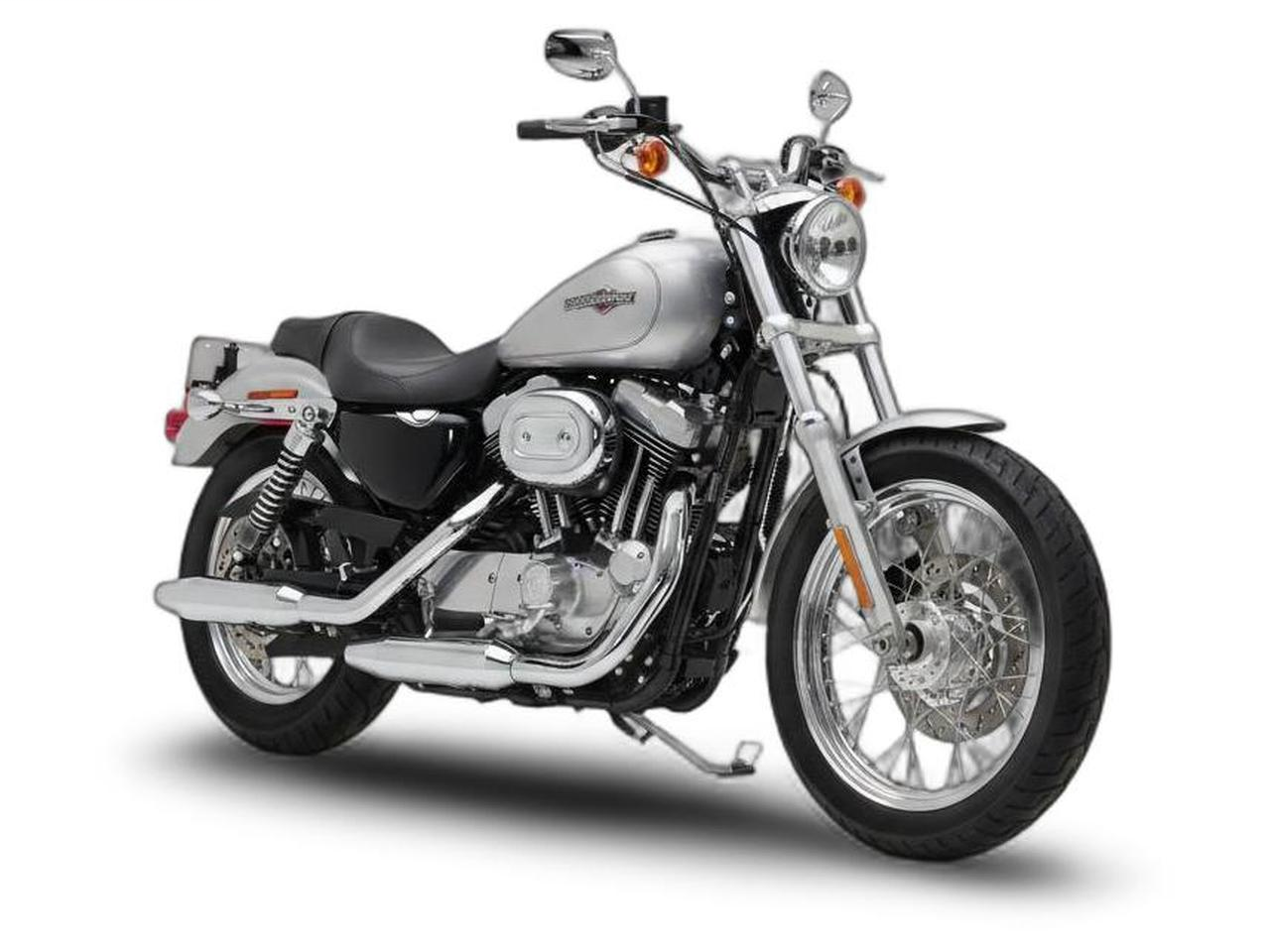
The 1998 Harley-Davidson XL 1200, part of the iconic Sportster family, is a cruiser motorcycle that has been a staple since its inception. Produced across many model years, the XL 1200 typically features a classic cruiser or bobber body style. Key trims during this era often included variations like the Hugger or standard XL models. Its popularity stems from its accessible performance, signature Harley-Davidson rumble, and the vast customization potential, making it a canvas for personal expression. Original pricing varied but generally fell into a mid-range for Harley-Davidson offerings.
The Good

The 1998 XL 1200 offers a visceral V-twin experience, robust Harley-Davidson engineering, and timeless styling. Its approachable power, comfortable riding position, and endless customization options appeal to both the heart and the wallet.

The Bad

Potential buyers should be aware of the carburetor's sensitivity to tuning, potential oil leaks from the engine or primary drive, and the possibility of wear on components like the clutch or brakes. Older models may also exhibit electrical gremlins if not maintained.

1998 Harley-Davidson XL 1200: Quick Overview

  • Engine: The primary engine for the 1998 Harley-Davidson XL 1200 is the Evolution V-twin. Specifically, it's a 1200cc (73.3 cubic inch) air-cooled, 45-degree V-twin engine.
  • Horsepower: While Harley-Davidson often quotes torque figures more prominently, the 1998 XL 1200 typically produced around 60-65 horsepower at the crankshaft. Exact figures can vary slightly due to emissions tuning and specific model configurations.
  • Fuel Economy: Fuel economy for the 1998 XL 1200 generally ranged from 40-50 miles per gallon (MPG), depending on riding conditions, throttle input, and load.
  • 0-60 Times: Acceleration is more about torque and feel than outright speed for this model. 0-60 mph times were typically in the 4.5 to 5.5-second range, offering brisk acceleration for its class.
  • Towing Capacity: The 1998 Harley-Davidson XL 1200 is not designed or rated for towing. It is a motorcycle intended for rider and passenger transport.
  • Trim-Level Features: While Harley-Davidson offered variations within the Sportster line, the 1998 XL 1200 models often featured:
    • Standard XL 1200: Typically came with a spoked wheel setup, a more upright riding posture, and chrome accents.
    • XL 1200 Custom: Might have offered slightly different styling cues, perhaps a different handlebar setup or seat.
    • XL 1200 Hugger: Known for a lower seat height and often a slightly different suspension setup, making it more accessible for shorter riders.
    Common features across these trims included a 5-speed transmission, disc brakes front and rear, a 3.5-gallon fuel tank, and the characteristic Harley-Davidson exhaust note. Many bikes would have had aftermarket modifications done by previous owners, which could include exhaust systems, seats, handlebars, and paint schemes.

1998 Harley-Davidson XL 1200 Specifications

Vehicle Information
Year 1998
Make Harley-Davidson
Model XL 1200
Trim -
Style -
Type Motorcycle
Category Motorcycle
Manufacturing Details
Made In United States
Manufacturing City YORK
Dimensions
Doors -
Curb Weight -
Gross Vehicle Weight Rating -
Overall Height -
Overall Length -
Overall Width -
Wheelbase Length -
Standard Seating -
Engine & Performance
Engine 1200CC
Engine Size 1200L
Engine Cylinders 2
Transmission -
Transmission Type -
Transmission Speeds -
Drivetrain -
Additional Features
Anti-Brake System -
Steering Type -
Pricing
Manufacturer Suggested Retail Price (MSRP) -
Invoice Price -
Delivery Charges -

Vehicle History Report

Vehicle
Specifications
Ownership
History
All History
Events
NMVTIS Title
History Check
Salvage/Rebuilt
Check
Accident
Check
Theft
Check
Open Lien
Check
Past Sale
Listings
Safety
Recalls
Odometer
Check
Market Price
Analysis

What Problems Does the 1998 Harley-Davidson XL 1200 Have?

The 1998 Harley-Davidson XL 1200, like many motorcycles of its era, has a few common areas that owners report issues with, though overall reliability is generally considered good for those who maintain them. One frequently mentioned concern is the potential for oil leaks. These can originate from various seals, including the primary drive seal, transmission seal, or even the engine cases themselves. Regular inspection and timely replacement of seals are crucial. Another area to watch is the carburetor. The stock Keihin CV carburetor, while reliable, can sometimes become finicky if not properly adjusted or maintained, leading to starting issues or inconsistent idling. Owners often upgrade these or ensure they are cleaned and tuned periodically. Electrical gremlins, though not as prevalent as on some other brands, can occur over time. This might manifest as flickering lights, charging system issues, or problems with the ignition. Checking connections, grounds, and the battery are good preventative measures. Recalls for this specific model year are not widely documented as major widespread issues, which speaks to its general robustness. However, it's always advisable to check with a Harley-Davidson dealer or online resources using the VIN to ensure no outstanding recalls apply. Long-term reliability hinges heavily on maintenance. Bikes that have been neglected may suffer from premature wear on components like the clutch, brakes, wheel bearings, and suspension. Conversely, well-maintained 1998 XL 1200s can continue to provide enjoyable service for many years and miles. Model year specific issues are less common for the XL 1200 in this generation; the evolution of the Sportster line was more incremental during this period. The core V-twin engine and drivetrain have proven to be quite durable when cared for. Owners should pay attention to the condition of the rubber mounting points for the engine and exhaust, as these can degrade over time and affect vibrations and alignment.

How long will the 1998 Harley-Davidson XL 1200 last?

Estimating average mileage for a 1998 Harley-Davidson XL 1200 is challenging due to the wide range of owner habits, but well-maintained examples can easily surpass 50,000 to 100,000 miles. Many owners consider these bikes to be workhorses, with some reporting well over 150,000 miles. Long-term durability is a strong suit of the Evolution V-twin engine; it's known for its robustness. However, weaknesses can emerge over time if maintenance is neglected. Common areas of wear include the clutch, brake components, wheel bearings, and suspension. Oil leaks from seals are also a known concern that can arise with age and mileage. Regular servicing, including oil changes, filter replacements, and checks of all moving parts, is critical to maximizing its service life and preventing costly repairs down the line.

What Technology & Safety Features are Included?

The 1998 Harley-Davidson XL 1200 represents a period where motorcycle technology was primarily focused on the riding experience rather than advanced digital features. As such, built-in tech, entertainment, driver-assistance, and safety features are quite rudimentary. There is no integrated infotainment system, no advanced navigation, and certainly no driver-assistance systems like ABS or traction control as standard equipment. The primary 'tech' is the functional dashboard, which typically includes a speedometer, odometer, trip meter, and indicator lights for turn signals, oil pressure, and neutral. Entertainment is provided by the distinctive rumble of the V-twin engine and the open road. Safety features are limited to the basic but effective braking system, which consists of a disc brake at the front and a disc brake at the rear. The lighting system includes a headlight, taillight, and turn signals, all of which were functional for their time. Optional features were primarily cosmetic or ergonomic. Owners could opt for different seat styles, handlebars, exhaust systems for a louder or different tone, or various chrome or custom paint options to personalize the motorcycle. Luggage solutions like saddlebags or sissy bar bags were also common aftermarket additions. Given the nature of motorcycles and the era, official crash-test ratings from organizations like the NHTSA are not typically available for this vehicle. Motorcycle safety is predominantly a function of rider skill, road conditions, and the motorcycle's inherent stability and braking performance. The XL 1200 offers a stable platform with a low center of gravity, which aids in maneuverability and overall control for experienced riders. For those seeking more modern safety features, it's important to understand that this model predates the widespread adoption of such technologies in the motorcycle industry.

What Colors Options are Available?

We’re working on this section!
In the meantime, feel free to explore the other sections for more content.

1998 Harley-Davidson XL 1200 Prices and Market Value

When new, the 1998 Harley-Davidson XL 1200 typically retailed in the range of $7,000 to $8,500, depending on the specific trim and any factory options. These bikes have experienced significant depreciation from their original MSRP. Currently, the used market prices for a 1998 XL 1200 generally range from $3,500 to $6,000, with variations based heavily on mileage, condition, and modifications. Well-maintained, low-mileage examples with desirable or tasteful modifications can command prices at the higher end, while project bikes or those with high mileage and wear will be at the lower end. Depreciation has largely stabilized for this model, as it's now considered a classic Sportster with a strong enthusiast following. Factors affecting resale value include originality, the quality of any aftermarket parts, paint condition, tire wear, and evidence of regular maintenance. A clean title and service records significantly boost value.

1998 Harley-Davidson XL 1200 Cost of Ownership

Owning a 1998 Harley-Davidson XL 1200 can be moderately costly, not necessarily due to its inherent expenses, but the lifestyle associated with it. Insurance costs will vary based on rider age, location, and coverage, but expect it to be more than a smaller displacement motorcycle. Fuel economy is decent, around 40-50 MPG. Maintenance is crucial; regular oil changes, filter replacements, and checking wear items will be necessary. Parts can be readily available but may not be the cheapest. Repairs, especially if specialized knowledge is required, can add up. While not an 'economical' choice in the strictest sense, its value lies in the experience and the ability to customize, making it a worthwhile investment for enthusiasts who appreciate its character.

1998 Harley-Davidson XL 1200 Fuel Efficiency

Fuel Type Gasoline
Fuel Capacity -
City Mileage -
Highway Mileage -

1998 Harley-Davidson XL 1200 Warranty

Basic
Original warranty 0 months / No data
Estimated remaining Expired
Powertrain
Original warranty 0 months / No data
Estimated remaining Expired
Rust
Original warranty 0 months / No data
Estimated remaining Expired

1998 Harley-Davidson XL 1200 Insurance

Insurance for a 1998 Harley-Davidson XL 1200 is moderately priced, reflecting its status as a Motorcycle with strong safety ratings and
reasonable repair costs.

How Does the 1998 Harley-Davidson XL 1200 Compare to Other Motorcycle?

The 1998 Harley-Davidson XL 1200 occupied a unique space in the cruiser market, with its primary rivals often coming from within the Harley-Davidson family itself or from American manufacturers like Indian (though less prominent in this era) and sometimes Japanese manufacturers venturing into the cruiser segment.

Performance: The XL 1200's 1200cc Evolution V-twin offered strong low-end torque, providing a characteristic Harley-Davidson feel that many riders prefer for cruising. While not a speed demon, it was capable for its class. Rivals like the Honda Shadow VT1100 or Yamaha V-Star 1100 offered comparable or slightly more refined V-twin performance, often with liquid cooling for better thermal management.

Features: In 1998, features were basic across the board. The XL 1200 offered essential instrumentation and braking. Rivals might have offered slightly more, such as shaft drive (reducing maintenance compared to the XL 1200's chain drive) or more comfortable seating ergonomics for longer rides. Harley-Davidson's appeal lay in its brand heritage and customization potential, which often surpassed what mainstream rivals offered in terms of aftermarket support.

Reliability: Harley-Davidson's Evolution engine, as used in the XL 1200, is known for its robustness and relative simplicity, though older models can be prone to oil leaks if not meticulously maintained. Japanese competitors from Honda and Yamaha generally held a reputation for slightly superior reliability and lower maintenance requirements, often with fewer oil leaks and simpler electrical systems.

Price: At launch, the XL 1200 was priced competitively within the mid-range cruiser segment. Used, its value has held remarkably well due to the Harley-Davidson brand appeal. Older Japanese cruisers of similar displacement might be found at lower price points on the used market, offering a more budget-friendly entry.

Recommendations: If you prioritize the classic Harley-Davidson experience, the sound, the customization, and the brand identity, the 1998 XL 1200 is a solid choice. However, if maximum reliability with minimal fuss is paramount, a Honda Shadow VT1100 or Yamaha V-Star 1100 might be a better alternative, offering a smoother, often more fuel-efficient ride with shaft drive. For a more affordable entry into the cruiser world, consider older Japanese models like a Kawasaki Vulcan 800 or Suzuki Intruder 800, which provide good performance and reliability for less money.

Final Verdict: Is the 1998 Harley-Davidson XL 1200 a Good Motorcycle?

The 1998 Harley-Davidson XL 1200 is ideally suited for riders who appreciate classic American V-twin styling, the iconic Harley-Davidson sound, and the potential for personalization. It's a fantastic choice for those looking for a capable cruiser that offers a visceral riding experience without the overwhelming power of larger Harleys. It is worth buying for enthusiasts seeking a piece of Harley-Davidson heritage, especially on the used market where it offers good value compared to newer models. The conditions under which it is most advisable to buy are when the motorcycle is well-maintained, with records to prove it. Look for examples with reasonable mileage and assess for common issues like oil leaks or carburetor problems. Opting for a stock or tastefully modified bike is generally better than one with excessive, questionable modifications. It remains a compelling option for anyone wanting to enter the Harley-Davidson world or add a classic Sportster to their collection.

1998 Harley-Davidson XL 1200 Owner Reviews

0.00
Consumer Rating, Based on 0 Consumer Reviews
Overall rating
Cancel
Thank You for Your Review!

We truly appreciate the time and effort you took to share your experience with us.

Uh oh!

Something went wrong, please try again later.

Author Image
Eugene S

Eugene is an automotive enthusiast with over 15 years of experience in the used car market. As a writer at VINCheck.info, he brings deep industry insight and a passion for cars, helping readers make smart, informed decisions. Eugene has written hundreds of used car reviews and is known for breaking down complex automotive topics into clear, actionable advice. Over the years, he has driven and worked on a wide range of vehicles—starting with tuning street cars in his early days and eventually focusing on performance upgrades and reliability improvements. Today, he specializes in evaluating used vehicles through the lens of real-world ownership and enthusiast needs. A longtime fan of Porsche, Eugene especially appreciates vehicles that blend durability with driving enjoyment.