
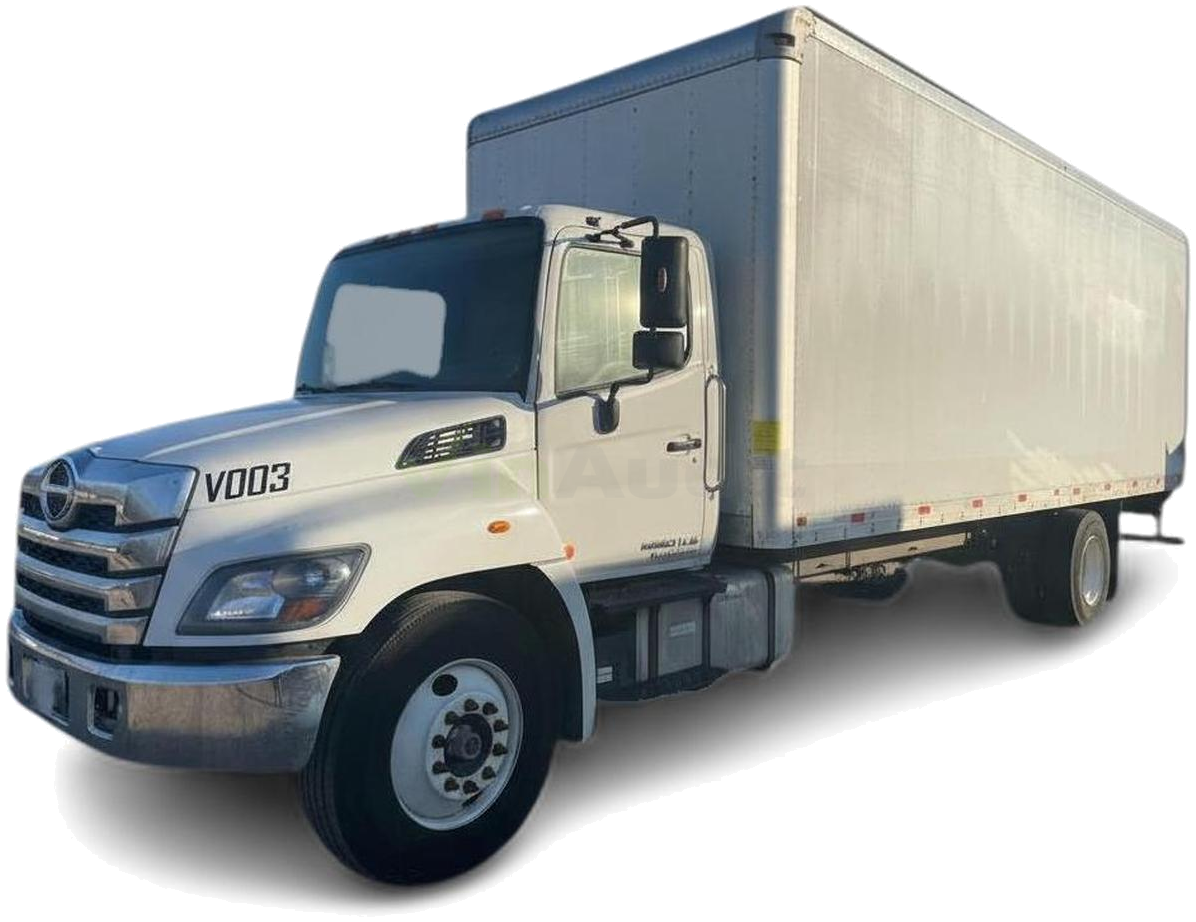
The Good
The 2021 Hino Incomplete Vehicle excels in robust performance and proven reliability, offering a solid foundation for businesses. Its durable construction provides peace of mind, while its functional design prioritizes ease of operation and maintenance. This translates to strong value and lower long-term operational costs, appealing to both the practical need for efficiency and the emotional desire for a dependable workhorse.
The Bad
Potential weaknesses for the 2021 Hino Incomplete Vehicle often relate to its utilitarian nature. The cabin may lack the refined amenities found in consumer-grade vehicles, and the focus is on function over form. Availability of specific vocational upfits from the factory can be limited, requiring aftermarket solutions which can add complexity and cost. Buyers should also be mindful of payload limitations on certain chassis configurations.
2021 Hino Incomplete Vehicle: Quick Overview
- Engine Options: The 2021 Hino Incomplete Vehicle typically features Hino's J-Series diesel engines. Common options include the J05E-TP engine, a 5.1-liter turbocharged inline 4-cylinder diesel. Some configurations might offer variations of this engine or potentially other Hino diesel offerings depending on the GVWR class.
- Horsepower: Horsepower figures generally range from approximately 210 hp to 245 hp, depending on the specific engine variant and tuning for emissions standards. These engines are designed for torque and durability under load.
- Fuel Economy: Specific fuel economy figures for incomplete vehicles are difficult to provide as they are heavily dependent on the final upfit, payload, operating conditions, and driving style. However, Hino's diesel engines are engineered for good fuel efficiency within the commercial vehicle segment, typically offering competitive MPG ratings for medium-duty trucks. Owners often report figures in the range of 10-15 MPG depending on usage.
- 0-60 Times: 0-60 mph times are not a primary metric for commercial vehicles like the Hino Incomplete Vehicle, as they are not designed for rapid acceleration. Performance is optimized for hauling and operational efficiency, not speed.
- Towing Capacity (if applicable): While the chassis itself has a Gross Vehicle Weight Rating (GVWR) and Gross Combined Weight Rating (GCWR), towing capacity is determined by the completed vehicle's configuration and the type of trailer hitched. The chassis is designed to handle significant loads as part of a complete vehicle system, with GCWRs often exceeding 30,000 lbs for certain models.
- Trim-Level Features: As an incomplete vehicle, trim levels primarily relate to the chassis specifications. Key differences might include wheelbase options (e.g., 108-inch, 132-inch, 150-inch, 170-inch, 190-inch, 212-inch), GVWR classifications (ranging from Class 5 to Class 7), transmission choices (e.g., Allison automatic transmissions are common), suspension types, and brake systems. Standard features often include power windows and locks, a basic infotainment system, and essential driver aids. The core appeal lies in the customizable nature of the chassis.
2021 Hino Incomplete Vehicle Specifications
Vehicle Information
| Year | 2021 |
| Make | Hino |
| Model | Incomplete Vehicle |
| Trim | - |
| Style | Base Truck RWD 6AT 7.6L I6 |
| Type | Pickup Truck |
| Category | commercial |
Manufacturing Details
| Made In | United States |
| Manufacturing City | MINERAL WELLS |
Dimensions
| Doors | 4-Door |
| Curb Weight | - |
| Gross Vehicle Weight Rating | - |
| Overall Height | - |
| Overall Length | - |
| Overall Width | - |
| Wheelbase Length | - |
| Standard Seating | - |
Engine & Performance
| Engine | 7.6L I6 |
| Engine Size | 7.6L |
| Engine Cylinders | 6 |
| Transmission | 6-Speed Automatic |
| Transmission Type | Automatic |
| Transmission Speeds | 6-Speed |
| Drivetrain | Rear-Wheel Drive |
Additional Features
| Anti-Brake System | - |
| Steering Type | - |
Pricing
| Manufacturer Suggested Retail Price (MSRP) | - |
| Invoice Price | - |
| Delivery Charges | - |
Vehicle History Report
Specifications
History
Events
History Check
Check
Check
Check
Check
Listings
Recalls
Check
Analysis
What Problems Does the 2021 Hino Incomplete Vehicle Have?
Another potential area, though not exclusive to Hino, can be related to electrical system gremlins, such as intermittent warning lights or sensor malfunctions, especially in vehicles that are subjected to harsh operating environments or extensive aftermarket accessory installations. Transmission issues, while not frequently reported as a widespread problem for the 2021 model year specifically, are always a possibility in heavy-duty applications and often tied to maintenance adherence.
Recalls for Hino vehicles are typically addressed through the manufacturer's service network. Owners should always check for any open recalls applicable to their specific VIN. Long-term reliability is a strong suit for Hino, with many vehicles exceeding hundreds of thousands of miles with proper maintenance. However, the durability of the final upfit body will also play a significant role in the vehicle's overall longevity and performance. For the 2021 model year, there aren't widespread, model-year-specific critical flaws widely reported that would significantly detract from Hino's general reliability reputation. Most issues tend to be maintenance-related or typical for the commercial vehicle segment.
How long will the 2021 Hino Incomplete Vehicle last?
What Technology & Safety Features are Included?
Driver-assistance features are usually limited on the base chassis. However, options can include features like an anti-lock braking system (ABS) for enhanced stopping control, and possibly electronic stability control (ESC) on certain configurations. Backup cameras are often an option, especially beneficial for commercial use where visibility can be challenging. Some models may offer collision mitigation systems or lane departure warnings as optional packages, though these are less common than in consumer vehicles.
Safety features are paramount in commercial trucks. Standard safety equipment typically includes robust seatbelts, a strong cab structure designed to withstand impacts, and exterior lighting designed for maximum visibility. Airbags for the driver and front passenger are standard.
Crash-test ratings from organizations like the NHTSA or IIHS are not typically performed on incomplete vehicle chassis in the same way they are for production passenger cars and SUVs. Instead, the focus is on the safety of the complete vehicle after it has been upfitted with a specific body. Hino generally adheres to stringent industry safety standards for its chassis components and cab design. Optional features are heavily dependent on the specific upfitter and the vocational body chosen, which can introduce additional safety equipment tailored to the intended application.
What Colors Options are Available?
2021 Hino Incomplete Vehicle Prices and Market Value
Depreciation on commercial vehicles is often less steep than on passenger cars, especially for well-maintained units with desirable vocational bodies. Factors affecting resale value include the reliability of the Hino chassis, the utility and condition of the installed body, remaining warranty on both chassis and upfit, mileage, and the overall economic demand for commercial trucks in that configuration. A well-maintained truck with a sought-after upfit will hold its value better.
2021 Hino Incomplete Vehicle Cost of Ownership
2021 Hino Incomplete Vehicle Fuel Efficiency
2021 Hino Incomplete Vehicle Insurance
reasonable repair costs.
How Does the 2021 Hino Incomplete Vehicle Compare to Other Pickup Truck?
Performance: Hino's J-Series diesel engines are known for their strong torque and durability, offering reliable performance for vocational tasks. Freightliner's M2 series often provides a wider range of engine options, including Cummins, potentially offering higher horsepower and torque in some configurations, while Isuzu focuses on fuel-efficient diesel engines that are also quite robust.
Features: Feature-wise, Hino typically offers a functional and straightforward cabin, prioritizing durability. Freightliner often leads in offering more advanced driver-assistance systems and potentially more sophisticated infotainment options, albeit at a higher cost. Isuzu also offers a practical cabin with a good balance of features for its class. The "incomplete vehicle" aspect means features are largely determined by the upfitter, leveling the playing field somewhat once completed.
Reliability: Hino has a very strong reputation for reliability and longevity, often considered a key differentiator. Isuzu also boasts excellent long-term reliability and lower running costs. Freightliner's M2 series is generally reliable, but some users report more frequent electronic glitches compared to Japanese manufacturers.
Price: Hino generally offers a competitive price point for its reliable chassis, often positioned between Isuzu and Freightliner. Isuzu can sometimes be more budget-friendly upfront. Freightliner, especially with higher trim levels and more advanced features, tends to be at the higher end of the price spectrum.
Recommendations:
* Similar Alternatives: Isuzu N-Series (e.g., NPR, NQR) offers a very comparable, often more fuel-efficient, and equally reliable option, especially for urban delivery applications.
* Slightly Different, Potentially Better: For businesses needing more advanced tech, more powerful engine options, or a wider array of factory-installed upfit packages, the Freightliner M2 series could be a consideration, though likely at a higher price.
Ultimately, the choice often comes down to specific vocational needs, long-term cost of ownership calculations, and dealer support in the region.
Final Verdict: Is the 2021 Hino Incomplete Vehicle a Good Pickup Truck?
It is worth buying for those prioritizing long-term value and operational uptime over cutting-edge technology or luxury features. The key is understanding that the "incomplete" nature means the final vehicle's utility and cost are heavily influenced by the chosen upfit.
Buying used can offer significant savings, provided the chassis mileage is reasonable and the upfit is in good condition. New purchases offer the advantage of full manufacturer warranty and customization options. Specific trims worth considering are those that match your Gross Vehicle Weight Rating (GVWR) needs and wheelbase requirements for your intended application. For most users, the standard Hino diesel engine and a reputable automatic transmission offer a reliable and economical package.

Eugene S
Eugene is an automotive enthusiast with over 15 years of experience in the used car market. As a writer at VINCheck.info, he brings deep industry insight and a passion for cars, helping readers make smart, informed decisions. Eugene has written hundreds of used car reviews and is known for breaking down complex automotive topics into clear, actionable advice. Over the years, he has driven and worked on a wide range of vehicles—starting with tuning street cars in his early days and eventually focusing on performance upgrades and reliability improvements. Today, he specializes in evaluating used vehicles through the lens of real-world ownership and enthusiast needs. A longtime fan of Porsche, Eugene especially appreciates vehicles that blend durability with driving enjoyment.