
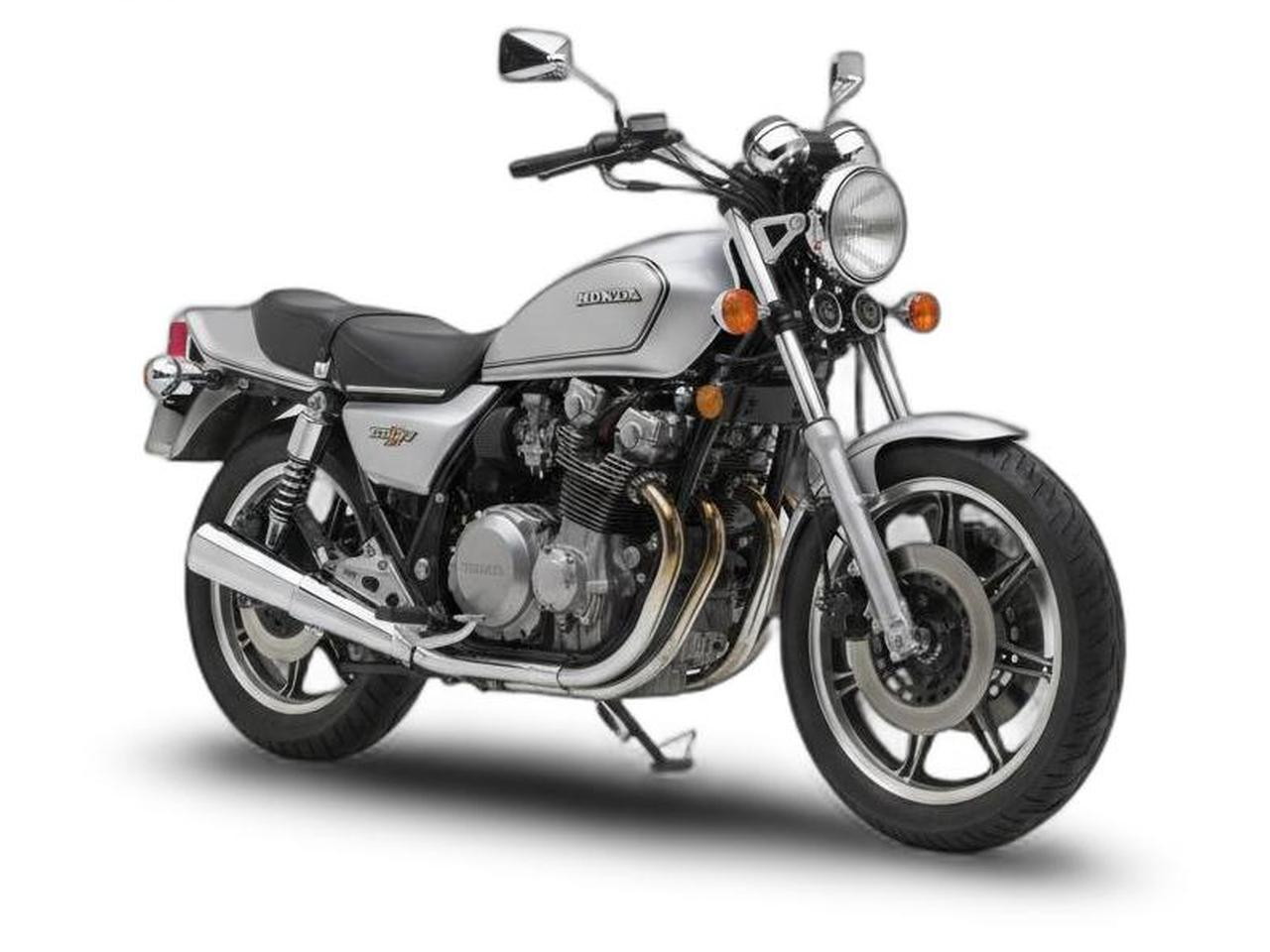
The Good
The 1983 Honda VF1100C boasts a potent V4 engine delivering exhilarating performance, coupled with Honda's renowned reliability. Its comfortable cruiser design appeals to riders seeking relaxed touring, while its distinctive styling evokes a sense of timeless cool. This combination offers both emotional satisfaction and practical commuting benefits.
The Bad
Potential owners of the 1983 Honda VF1100C should be aware of its tendency for rust, particularly on the frame and exhaust. Electrical gremlins, such as stator or charging system issues, are also common concerns. Maintenance records are crucial to assess past care, and a thorough inspection for leaks is advised.
1983 Honda VF1100C: Quick Overview
- Engine: 1098cc, liquid-cooled, 72-degree V4
- Horsepower: Approximately 95 hp at 7,500 rpm
- Torque: Approximately 67 lb-ft at 6,000 rpm
- Fuel Economy: Estimated around 35-45 mpg (highly dependent on riding style and condition)
- 0-60 mph: Estimated around 3.5 - 4.5 seconds
- Top Speed: Approximately 125-135 mph
- Transmission: 5-speed manual
- Final Drive: Shaft drive
- Brakes: Dual front disc brakes, rear disc brake
- Suspension: Telescopic front forks, rear monoshock (Pro-Link system)
- Weight: Approximately 500-550 lbs wet (depending on exact configuration)
- Fuel Capacity: Approximately 4.0 gallons
- Towing Capacity: Not applicable. This is a motorcycle.
- Trim-Level Features: The VF1100C was primarily offered in a cruiser configuration. Key features included:
- V4 Engine: The most prominent feature, offering smooth power delivery and a unique sound.
- Shaft Drive: Low maintenance and clean operation compared to chain drives.
- Pro-Link Rear Suspension: Honda's advanced suspension system for improved ride comfort and handling.
- Cruiser Styling: Low seat height, swept-back handlebars, teardrop fuel tank, and often chrome accents contributed to its cruiser appeal.
- Digital Instrumentation (on some models/years): While primarily analog, some later iterations or optional packages might have included digital elements.
- Comfortable Seating: Designed for longer rides with a plush seat.
- Disc Brakes: Providing effective stopping power for its performance level.
1983 Honda VF1100C Specifications
Vehicle Information
| Year | 1983 |
| Make | Honda |
| Model | VF1100C |
| Trim | - |
| Style | - |
| Type | Motorcycle |
| Category | Motorcycle |
Manufacturing Details
| Made In | Japan |
| Manufacturing City | HAMAMATSU |
Dimensions
| Doors | - |
| Curb Weight | - |
| Gross Vehicle Weight Rating | - |
| Overall Height | - |
| Overall Length | - |
| Overall Width | - |
| Wheelbase Length | - |
| Standard Seating | - |
Engine & Performance
| Engine | 1098CC |
| Engine Size | 1098L |
| Engine Cylinders | 4 |
| Transmission | - |
| Transmission Type | - |
| Transmission Speeds | - |
| Drivetrain | - |
Additional Features
| Anti-Brake System | - |
| Steering Type | - |
Pricing
| Manufacturer Suggested Retail Price (MSRP) | - |
| Invoice Price | - |
| Delivery Charges | - |
Vehicle History Report
Specifications
History
Events
History Check
Check
Check
Check
Check
Listings
Recalls
Check
Analysis
What Problems Does the 1983 Honda VF1100C Have?
Rust is another prevalent concern, especially for bikes that haven't been meticulously maintained or stored properly. The frame, exhaust pipes, and various fasteners are susceptible to corrosion. This not only affects aesthetics but can also compromise structural integrity if left unchecked. Thorough inspection for rust during a pre-purchase assessment is vital.
Carburetor issues can also arise. Over time, seals can degrade, leading to fuel leaks or poor running conditions. Cleaning and rebuilding the carburetors may be necessary to restore optimal performance. Fuel line deterioration is another point to watch for.
While specific recalls for the 1983 model year are not widely publicized, it's always advisable to check with Honda or a reputable dealer for any potential outstanding safety campaigns. Long-term reliability is heavily dependent on the level of maintenance the motorcycle has received throughout its life. Bikes that have been regularly serviced, with oil changes, filter replacements, and attention to the charging system, tend to fare much better. Conversely, neglected bikes can develop a cascade of problems.
There aren't significant, widely documented model-year-specific issues that drastically differentiate the 1983 VF1100C from its immediate successors within the Magna line, but general wear and tear on components is expected for a bike of this age. Proactive maintenance and a keen eye for potential problems are key to ensuring continued reliability.
How long will the 1983 Honda VF1100C last?
What Technology & Safety Features are Included?
Technology: The primary technology present is its sophisticated (for the time) liquid-cooled V4 engine, featuring dual overhead camshafts (DOHC) and a robust ignition system. Instrumentation is typically analog, with a speedometer, tachometer, fuel gauge, and various warning lights. Some models might have featured digital clock functions. The Pro-Link rear suspension system was an advanced technological feature for its time, offering improved ride quality and handling.
Entertainment: Entertainment was solely derived from the riding experience itself – the engine's sound, the feeling of acceleration, and the open road. There are no provisions for audio systems.
Driver-Assistance: As a motorcycle, driver-assistance features as understood today are absent. The rider is fully responsible for control. The braking system, consisting of dual front discs and a rear disc, provided the primary means of stopping and was considered effective for its performance capabilities.
Safety Features: Safety features are limited to the mechanical aspects of the motorcycle. The robust frame, effective braking, and well-engineered suspension contribute to stability. However, safety was largely dependent on the rider's skill and awareness. Crash-test ratings for motorcycles of this era are generally not available in the same way that car crash-test ratings are, as regulatory bodies did not conduct standardized motorcycle impact tests to the same extent. Honda's reputation for solid engineering provided a degree of inherent safety through reliable mechanical design.
What Colors Options are Available?
1983 Honda VF1100C Prices and Market Value
1983 Honda VF1100C Cost of Ownership
1983 Honda VF1100C Fuel Efficiency
1983 Honda VF1100C Warranty
Basic
Powertrain
Rust
1983 Honda VF1100C Insurance
reasonable repair costs.
How Does the 1983 Honda VF1100C Compare to Other Motorcycle?
Performance: The VF1100C's 1098cc V4 engine offered a unique blend of smoothness and power, often outperforming traditional V-twins in terms of horsepower and acceleration, especially for its era. The Virago 1100 offered similar displacement but a different V-twin character. The Vulcan 750, while smaller, was known for its sporty feel. Harley-Davidson's offerings at the time were more focused on torque and a visceral riding experience.
Features: Honda's V4 technology, including liquid cooling and shaft drive, set it apart. The Pro-Link rear suspension was a premium feature. Competitors often featured air-cooled engines and chain drives, though some offered similar V-twin configurations. Harley-Davidson was more about minimalist design and tradition.
Reliability: Honda's reputation for reliability was a significant advantage. While the VF1100C had its share of potential electrical issues, it was generally considered more dependable than some contemporary European or even American alternatives, especially in terms of consistent starting and running. The Virago was also known for good reliability.
Price: The VF1100C was positioned as a premium Japanese cruiser, often priced competitively against its Japanese rivals and significantly below comparable Harley-Davidson models, offering strong value for the performance and features provided.
Alternatives:
- Similar: Yamaha XV1100 Virago (later models are more refined), Kawasaki Vulcan 750 (more sport-oriented, less displacement).
- Different Character: Harley-Davidson Sportster 1000 or early Softails (for the classic American V-twin rumble and styling, but with potentially lower reliability and higher cost).
Ultimately, the VF1100C stood out for its advanced V4 powertrain and refined Japanese engineering, offering a compelling alternative for riders seeking performance and reliability in a cruiser package.
Final Verdict: Is the 1983 Honda VF1100C a Good Motorcycle?
As it's a vintage motorcycle, it is exclusively available on the used market. The conditions under which it's worth buying are those where the bike has been well-maintained, with documented service history and minimal rust. Buyers should be prepared for potential age-related repairs, particularly to the electrical system. A thorough pre-purchase inspection is crucial. For those seeking a unique blend of performance and cruiser comfort from a bygone era, the VF1100C is an excellent choice.

Jovan
Jovan specializes in interpreting vehicle records and making sense of VIN data. With over 10 years of experience in the automotive data industry, his work ensures that every report is clear, accurate, and useful for car buyers.