
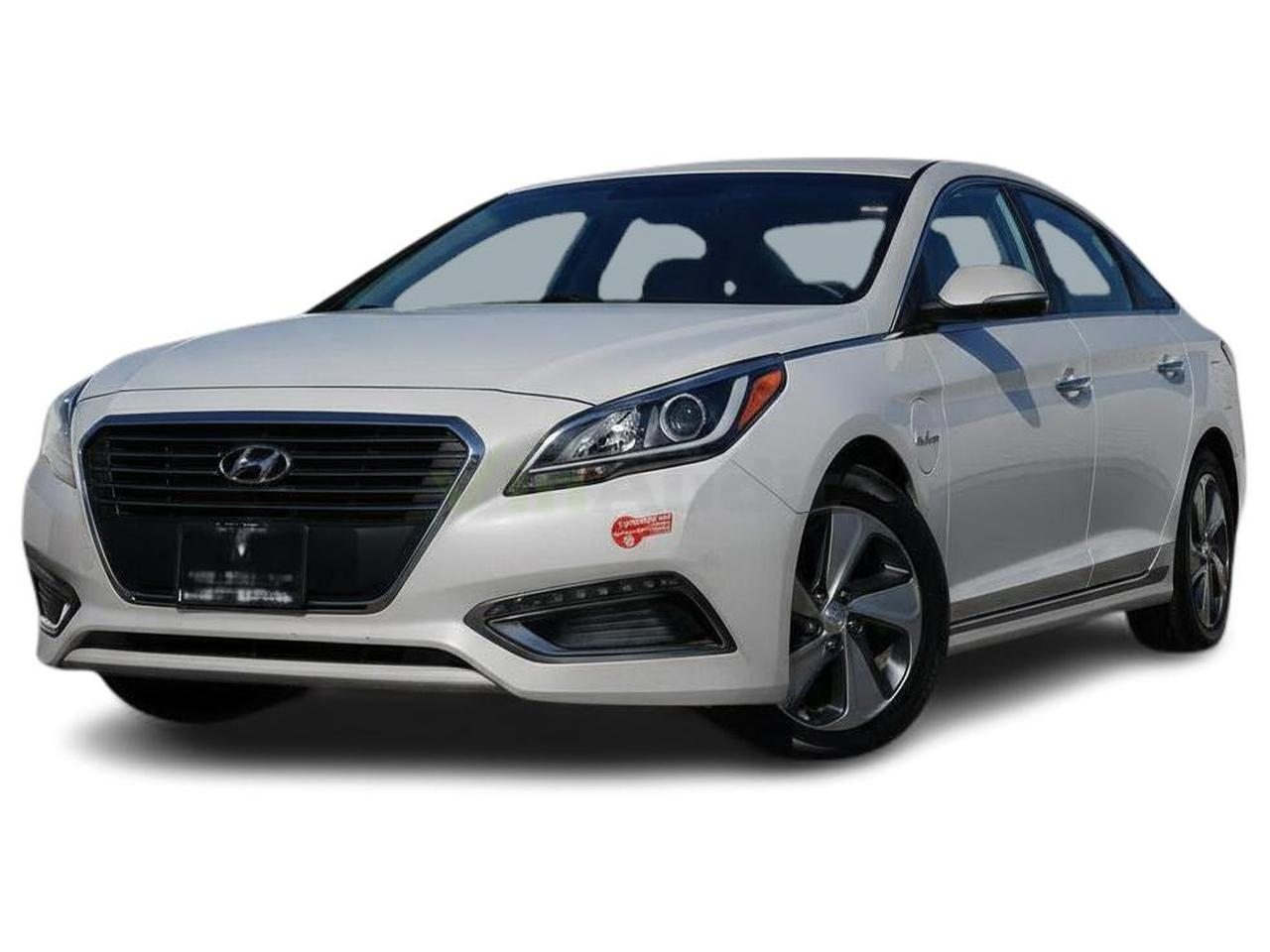
The Good
The 2017 Sonata PHEV offers impressive fuel efficiency and a decent all-electric range, appealing to practicality and cost savings. Its comfortable interior and smooth ride cater to comfort-seeking buyers, while the sleek design and value proposition resonate with those looking for a smart, modern sedan.
The Bad
Potential buyers should be aware of the Sonata PHEV's somewhat uninspiring acceleration, especially when compared to some rivals. Infotainment system responsiveness could also be a minor drawback, and some may find the ride a bit firm for a hybrid sedan.
2017 Hyundai Sonata Plug-In Hybrid: Quick Overview
- Engine Options: The 2017 Hyundai Sonata Plug-In Hybrid features a single powertrain. It combines a 2.0-liter four-cylinder gasoline engine with an electric motor and a battery pack.
- Horsepower: The combined system output is rated at 202 horsepower.
- Fuel Economy: This is where the PHEV shines. It achieves an EPA-estimated 99 MPGe (miles per gallon equivalent) in combined city/highway driving when running on electricity and gasoline. In gasoline-only mode, it estimates around 39 MPG combined. The electric-only range is approximately 27 miles.
- 0-60 Times: While specific official figures can vary, independent tests generally place the 0-60 mph acceleration time for the 2017 Sonata PHEV in the range of 8.0 to 8.5 seconds. This is adequate for daily driving but not performance-oriented.
- Towing Capacity: The 2017 Hyundai Sonata Plug-In Hybrid is not designed or rated for towing.
- Trim-Level Features (Primarily a single trim for PHEV): The PHEV typically came in a premium, well-equipped trim. Key features often included:
- Leather upholstery
- Heated and ventilated front seats
- 8-inch touchscreen infotainment system with Apple CarPlay and Android Auto
- Navigation system
- Premium audio system (e.g., Bose)
- Blind-spot detection
- Rear cross-traffic alert
- Lane departure warning
- Automatic emergency braking
- HID headlights
- LED taillights
- Keyless entry with push-button start
- Dual-zone automatic climate control
- Power driver's seat with memory
- Panoramic sunroof
2017 Hyundai Sonata Plug-In Hybrid Specifications
Vehicle Information
| Year | 2017 |
| Make | Hyundai |
| Model | Sonata |
| Trim | - |
| Style | 4-Door |
| Type | Sedan |
| Category | Mid-Size Car |
Manufacturing Details
| Made In | South Korea |
| Manufacturing City | ASAN |
Dimensions
| Doors | 4-Door |
| Curb Weight | 1728.19 kg |
| Gross Vehicle Weight Rating | - |
| Overall Height | 147.07 cm |
| Overall Length | 485.39 cm |
| Overall Width | 186.44 cm |
| Wheelbase Length | 280.42 cm |
| Standard Seating | 5 |
Engine & Performance
| Engine | 2.4L I4 |
| Engine Size | 2.4L |
| Engine Cylinders | 4 |
| Transmission | 6-Speed Automatic |
| Transmission Type | Automatic |
| Transmission Speeds | 6-Speed |
| Drivetrain | Front-Wheel Drive |
Additional Features
| Anti-Brake System | 4-Wheel ABS |
| Steering Type | Rack & Pinion |
Pricing
| Manufacturer Suggested Retail Price (MSRP) | $38,600 USD |
| Invoice Price | $36,698 USD |
| Delivery Charges | $835 USD |
Vehicle History Report
Specifications
History
Events
History Check
Check
Check
Check
Check
Listings
Recalls
Check
Analysis
What Problems Does the 2017 Hyundai Sonata Plug-In Hybrid Have?
Another area to watch is the transmission. While not widespread, there have been isolated reports of rough shifting or hesitation. This is something to pay close attention to during a test drive and to have checked by a mechanic. Given that this is a hybrid powertrain, any transmission issues could potentially be more complex to diagnose and repair.
Battery degradation is a general concern for any hybrid or electric vehicle over time. While Hyundai typically offers a good battery warranty (often 10 years/100,000 miles for the hybrid components), it's worth considering the age of the vehicle and its battery health. For a 2017 model, the battery is getting older, and while most should still be performing well, individual experiences can vary.
Regarding specific recalls for the 2017 model year, owners should always check the National Highway Traffic Safety Administration (NHTSA) website with their specific VIN. However, common recall areas for this generation of Sonata often included issues with the powertrain control module (PCM) that could lead to stalling, or potential issues with the anti-lock braking system (ABS). These recalls were generally addressed by dealers and should have been resolved on vehicles with a complete service history.
In terms of long-term reliability, the Sonata platform itself has a decent reputation. However, the added complexity of the plug-in hybrid system means more potential points of failure compared to a conventional gasoline car. Regular and thorough maintenance, especially fluid changes and inspections of the hybrid components, are crucial for ensuring the longevity of the 2017 Sonata PHEV.
How long will the 2017 Hyundai Sonata Plug-In Hybrid last?
What Technology & Safety Features are Included?
Driver-assistance and safety features were a strong point for the Sonata PHEV, especially for its model year. Standard safety equipment often included a comprehensive set of airbags, stability and traction control, a rearview camera, and anti-lock brakes. Advanced driver-assistance systems (ADAS) were also widely available, either standard or as part of option packages. These could include blind-spot detection with rear cross-traffic alert, a crucial aid for lane changes and reversing. Additionally, buyers could opt for or find models equipped with lane departure warning and forward collision warning with automatic emergency braking, significantly enhancing collision avoidance capabilities.
Other notable tech features might include keyless entry with push-button start, dual-zone automatic climate control, heated and ventilated front seats, and a power-adjustable driver's seat with memory. A panoramic sunroof was a popular optional feature that added to the cabin's premium feel.
In terms of crash-test ratings, the 2017 Hyundai Sonata, in general, performed very well. It received an Overall Safety Rating of 5-Stars from the National Highway Traffic Safety Administration (NHTSA). It also achieved Good ratings in all IIHS (Insurance Institute for Highway Safety) crashworthiness tests, earning it a Top Safety Pick designation. These high ratings underscore the vehicle's structural integrity and the effectiveness of its safety systems.
What Colors Options are Available?
2017 Hyundai Sonata Plug-In Hybrid Prices and Market Value
Currently, on the used market, you can expect to find 2017 Sonata PHEVs priced anywhere from $15,000 to $22,000, with prices highly dependent on mileage, condition, trim level, and location. The vehicle has experienced significant depreciation from its original sticker price, which is typical for most vehicles, especially those with advanced hybrid technology that evolves rapidly.
Factors affecting resale value include the remaining battery life and warranty, the overall condition of the vehicle, its maintenance history, and whether it was originally purchased with any applicable tax incentives that may impact future resale. The popularity of fuel-efficient vehicles also plays a role. A well-maintained unit with low mileage and an intact battery warranty will command a higher price.
2017 Hyundai Sonata Plug-In Hybrid Cost of Ownership
2017 Hyundai Sonata Plug-In Hybrid Fuel Efficiency
2017 Hyundai Sonata Plug-In Hybrid Safety Rating
NHTSA
2017 Hyundai Sonata Plug-In Hybrid Warranty
Basic
Powertrain
Rust
2017 Hyundai Sonata Plug-In Hybrid Insurance
reasonable repair costs.
How Does the 2017 Hyundai Sonata Plug-In Hybrid Compare to Other Sedan?
Performance: In terms of raw acceleration, the Sonata PHEV was often considered adequate rather than thrilling, generally falling behind the Fusion Hybrid in spirited driving. The Camry Hybrid offered a smoother, more refined driving experience. The Volt, with its electric focus, delivered more immediate torque off the line.
Features: Hyundai excelled in offering a strong value proposition, often equipping the Sonata PHEV with more standard features for the price than its competitors. The 8-inch touchscreen with Apple CarPlay and Android Auto was a significant advantage over some rivals in 2017. The Camry Hybrid offered a reputation for bulletproof reliability but sometimes lagged in tech features for the price. The Fusion Hybrid also provided good tech and a comfortable ride.
Reliability: Toyota's Camry Hybrid is legendary for its long-term reliability, often considered the benchmark. Hyundai has made significant strides in reliability and offers good warranties, making the Sonata a strong contender, but perhaps not quite reaching Toyota's historical dominance in this area. Ford's Fusion Hybrid also generally holds up well, though some early models had more reported issues.
Price: The Sonata PHEV was often priced competitively, sometimes offering a lower entry point than a similarly equipped Camry Hybrid or Fusion Hybrid, especially when considering the value of its standard features and its electric range. Federal tax credits also played a significant role in making the PHEV variants of all these vehicles more attractive.
Alternatives:
- Toyota Camry Hybrid: If absolute long-term reliability and a smooth, quiet ride are paramount, the Camry Hybrid is an excellent, though perhaps less feature-rich for the price, alternative.
- Ford Fusion Hybrid: For a slightly sportier driving feel and good tech, the Fusion Hybrid is a comparable option.
- Chevrolet Volt: If prioritizing electric-only driving and a more EV-like experience with a range extender for longer trips, the Volt is a superior choice, though its smaller size and different focus make it a less direct competitor.
Final Verdict: Is the 2017 Hyundai Sonata Plug-In Hybrid a Good Sedan?
Given its age, buying this vehicle used is the only practical option. It's definitely worth buying if you find one in good condition with a documented maintenance history and, importantly, a healthy battery. The single, well-equipped trim level makes it easy, as you're getting most of the desirable features. Focus on vehicles with lower mileage and ensure the hybrid system has been properly cared for. It offers excellent value for its segment if purchased at the right price point.

Eugene S
Eugene is an automotive enthusiast with over 15 years of experience in the used car market. As a writer at VINCheck.info, he brings deep industry insight and a passion for cars, helping readers make smart, informed decisions. Eugene has written hundreds of used car reviews and is known for breaking down complex automotive topics into clear, actionable advice. Over the years, he has driven and worked on a wide range of vehicles—starting with tuning street cars in his early days and eventually focusing on performance upgrades and reliability improvements. Today, he specializes in evaluating used vehicles through the lens of real-world ownership and enthusiast needs. A longtime fan of Porsche, Eugene especially appreciates vehicles that blend durability with driving enjoyment.