
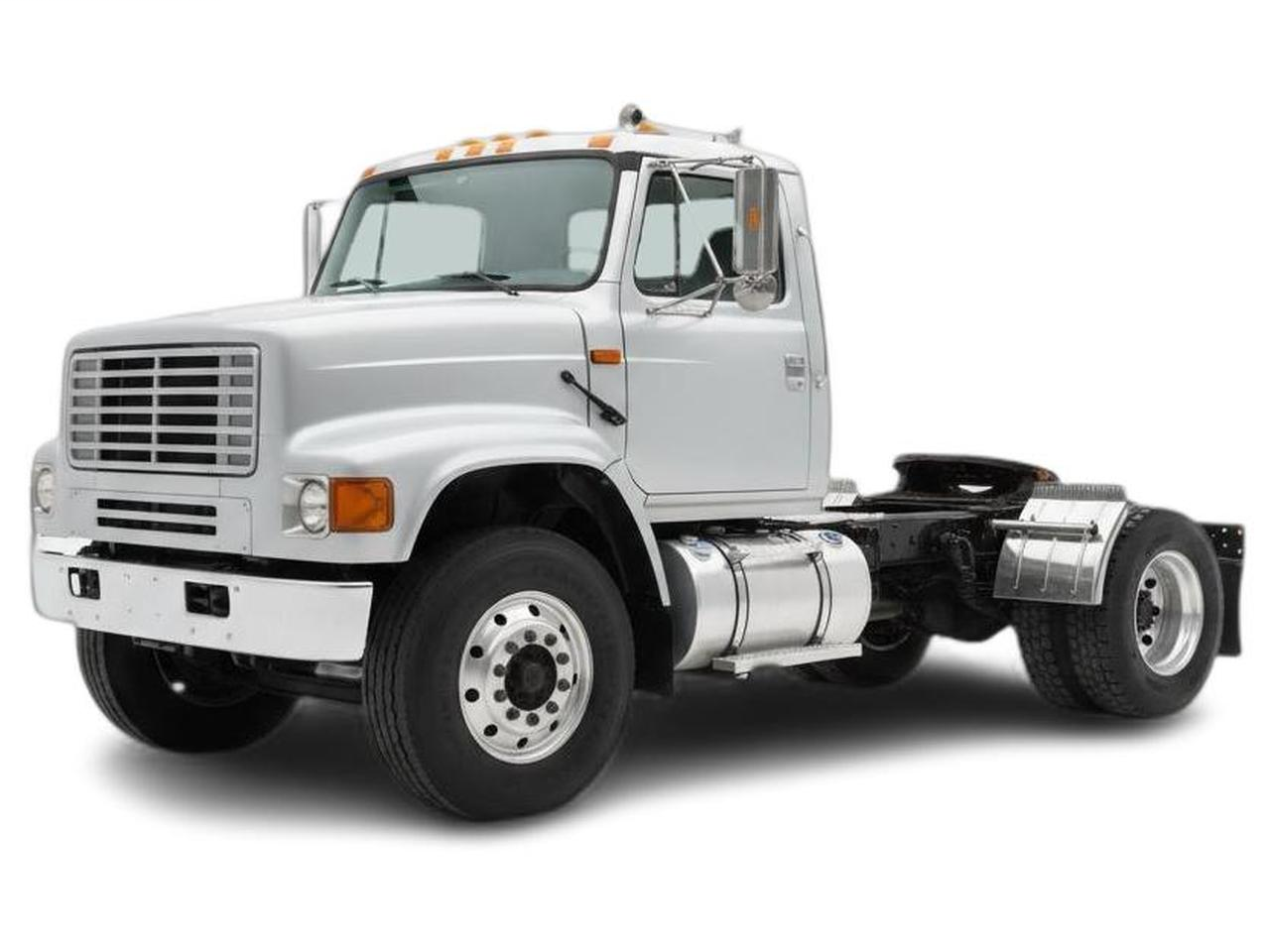
The Good
The 1994 International 2574 excels in raw performance and unwavering reliability for demanding tasks. Its sturdy design offers a sense of security and capability, appealing to practical buyers who need dependable power. For those who appreciate enduring quality, its robust construction speaks volumes about its value and long-term service.
The Bad
Potential weaknesses for the 1994 International 2574 often revolve around aging components common to vehicles of this vintage. Watch out for wear on the drivetrain, suspension, and electrical systems. Fuel efficiency may not be competitive by modern standards, and interior comfort can be basic compared to newer trucks.
1994 International 2574: Quick Overview
The 1994 International 2574, being a heavy-duty truck, has specifications that differ significantly from light-duty vehicles and are highly configurable.
- Engine Options: Typically powered by robust diesel engines. Common options would include Navistar's own DT series engines or Cummins L-series engines. For example, a DT 466E or an older Cummins L10 were prevalent.
- Horsepower: Horsepower varied widely based on the specific engine and application. For the DT 466E, horsepower could range from approximately 170 to over 250 hp. Cummins L10 engines could offer outputs from around 250 hp to over 350 hp in higher-spec configurations.
- Fuel Economy: Fuel economy for a Class 8 truck is measured in miles per gallon (MPG) and is highly dependent on load, terrain, driving style, and axle ratios. Expect figures generally in the 5-8 MPG range, with variations based on operational use.
- 0-60 Times: 0-60 mph acceleration is not a standard metric for this class of vehicle and is largely irrelevant due to its design for hauling heavy loads at lower speeds, not for rapid acceleration.
- Towing Capacity: This is a primary function. The towing capacity is immense and depends heavily on the chassis configuration, rear axle ratio, fifth-wheel setup, and overall Gross Combination Weight Rating (GCWR) established by Navistar for that specific build. Capacities could range from tens of thousands of pounds to well over 100,000 pounds for specialized applications like heavy haulage.
- Trim-Level Features: International 2574 trucks were less about traditional trim levels (like LX, EX, etc.) and more about vocational configurations. Features were determined by the customer's needs. This included options like:
- Different wheelbase lengths.
- Various rear axle configurations (single, tandem).
- Air or mechanical suspension systems.
- Different transmission types (manual, automatic - Allison was common).
- Specific PTO (Power Take-Off) units for auxiliary equipment.
- Various cab options (standard, extended).
- Customization for specific applications such as dump trucks, tractor-trailers, utility trucks, or fire apparatus.
- Basic instrumentation focused on engine performance and vehicle operation.
- Optional amenities for driver comfort could include air conditioning, power steering, and upgraded seating, but these were not standard across all builds.
1994 International 2574 Specifications
Vehicle Information
| Year | 1994 |
| Make | International |
| Model | 2574 |
| Trim | - |
| Style | - |
| Type | Truck |
| Category | Heavy Truck |
Manufacturing Details
| Made In | United States |
| Manufacturing City | SPRINGFIELD |
Dimensions
| Doors | - |
| Curb Weight | - |
| Gross Vehicle Weight Rating | 55001 pounds |
| Overall Height | - |
| Overall Length | - |
| Overall Width | - |
| Wheelbase Length | - |
| Standard Seating | - |
Engine & Performance
| Engine | 14L I6 |
| Engine Size | 10.3L |
| Engine Cylinders | 6 |
| Transmission | - |
| Transmission Type | - |
| Transmission Speeds | - |
| Drivetrain | 6x4 |
Additional Features
| Anti-Brake System | - |
| Steering Type | - |
Pricing
| Manufacturer Suggested Retail Price (MSRP) | - |
| Invoice Price | - |
| Delivery Charges | - |
Vehicle History Report
Specifications
History
Events
History Check
Check
Check
Check
Check
Listings
Recalls
Check
Analysis
What Problems Does the 1994 International 2574 Have?
Engine Issues:
- Cooling System: Overheating can be a concern due to aging radiators, water pumps, and thermostat failures. Hoses can also become brittle and leak.
- Oil Leaks: Seals and gaskets on engines like the DT 466 or Cummins L10 can degrade over time, leading to oil leaks that require attention.
- Injectors: Fuel injector problems can affect engine performance and fuel economy.
- Turbocharger: While robust, turbochargers can eventually wear out, leading to a loss of power or unusual noises.
- Transmission: Manual transmissions can develop clutch issues or synchronizer problems. Automatic transmissions, particularly older Allison models, might require fluid changes and seal replacements.
- Suspension: Air suspension systems can develop leaks in bags or lines. Leaf spring suspensions can experience worn bushings or broken leaves under heavy loads.
- Brakes: Drum brake systems require regular adjustment and relining. Air brake systems need careful maintenance of air lines, valves, and chambers.
- Electrical System: The aging wiring harness can corrode, leading to intermittent electrical issues. Alternators and starter motors are also common wear items.
- Corrosion: Depending on climate and usage (e.g., road salt), frame rust and body panel corrosion can be significant issues, compromising structural integrity.
- Cab Comfort: While built for work, the interior components like seat fabric, dashboard materials, and HVAC systems can show considerable wear and tear.
How long will the 1994 International 2574 last?
What Technology & Safety Features are Included?
Built-in Tech: The primary technology present would be robust engine monitoring systems. This included gauges for oil pressure, coolant temperature, air pressure (for brakes), battery voltage, and tachometers. Diagnostic capabilities were basic, often relying on mechanical indicators or rudimentary electronic fault codes if equipped. Transmission gear selection indicators and fuel level gauges were standard.
Entertainment: Entertainment systems were typically rudimentary. AM/FM radios were common, with cassette tape players being a popular option for longer hauls. Some higher-spec trucks might have had basic speaker systems. Navigation systems or digital infotainment were not standard and would have been aftermarket additions.
Driver-Assistance Features: Driver-assistance features in the modern sense were virtually non-existent. The focus was on driver awareness and control. Features that aided the driver included power steering (often standard on this class), power brakes, and perhaps cruise control as an option. Antilock Braking Systems (ABS) were becoming more common for heavy trucks in the mid-1990s, so ABS could be an available safety feature, particularly on the rear axles or trailer connections.
Safety Features: Basic safety features included robust frame construction designed to withstand significant forces. Seatbelts were standard. Visibility from the high-set cab was generally good. Air brakes were the standard braking system, designed for heavy-duty applications. Side mirrors were large and adjustable to provide comprehensive rearward visibility.
Optional Features: Optional features could include air-ride seats for improved driver comfort over long distances, more advanced climate control systems (air conditioning and heating), and perhaps auxiliary lighting. For specific vocational uses, PTO systems and hydraulic controls were essential optional additions.
Crash-Test Ratings: Comprehensive crash-test ratings, similar to those conducted by NHTSA for passenger vehicles, were not typically published for heavy-duty commercial trucks like the 1994 International 2574. These vehicles are designed with different safety priorities, focusing on structural integrity under extreme loads and operational safety for the driver in a working environment. Their sheer size and mass provide inherent protection in many collision scenarios.
What Colors Options are Available?
1994 International 2574 Prices and Market Value
Current used market prices for a 1994 International 2574 are highly variable. A basic chassis in fair condition might be found for $5,000 to $15,000, while a well-maintained unit with a desirable configuration (e.g., a reliable engine, good transmission) and in good working order, potentially with a specific body like a dump bed or flatbed, could fetch $20,000 to $40,000 or more.
Depreciation for commercial trucks is steep initially but then plateaus. After their initial heavy depreciation, these trucks hold value reasonably well if maintained. Factors affecting resale value include mileage, overall condition (engine, transmission, brakes, tires), the presence and condition of vocational equipment, maintenance records, and market demand for specific truck types.
1994 International 2574 Cost of Ownership
1994 International 2574 Fuel Efficiency
1994 International 2574 Warranty
Basic
Powertrain
Rust
1994 International 2574 Insurance
reasonable repair costs.
How Does the 1994 International 2574 Compare to Other Truck?
Performance: In terms of raw power and hauling capability, the 2574 was competitive. International's DT series engines were known for their torque and durability, matching or exceeding the performance of comparable engines from Cummins (often used by rivals) or Detroit Diesel. Performance was defined by its ability to move heavy loads reliably, not by speed.
Features: Features were largely dictated by vocational needs and customization. Competitors like Freightliner (e.g., FLD series) and Kenworth (e.g., T800) offered similar levels of customization for chassis, cab configurations, and drivetrain options. Interior features in the mid-90s were generally utilitarian across all brands, focusing on driver functionality over luxury.
Reliability: International trucks of this era, especially with engines like the DT 466, have a strong reputation for reliability and longevity, often rivaling the robust build quality of Kenworth and Peterbilt. Mack trucks also boasted legendary durability. Freightliner, while offering a wide range of options, sometimes had perceptions of being slightly less rugged than the premium-tier brands, though this varied greatly by specific model and configuration.
Price: Pricing was highly competitive. International often positioned itself as offering a strong value proposition – durable trucks at a competitive price point. Kenworth and Peterbilt typically commanded a premium price due to their brand reputation and often more refined interiors or specialized applications. Freightliner also aimed for competitive pricing across a broad spectrum of vocational trucks.
Alternatives:
- Similar: Freightliner FLD, Kenworth T800, Mack RD/RB series. These offered comparable capabilities and were often specified with similar engines (Cummins, Detroit Diesel) and transmissions.
- Consideration: For a slightly more upscale feel or specialized highway hauling, a Peterbilt 379 or Kenworth W900 might be considered, though these are often more geared towards over-the-road trucking. For exceptional durability and a focus on heavy-duty work, looking at older Mack models could also be a good option.
Final Verdict: Is the 1994 International 2574 a Good Truck?
This vehicle is best acquired on the used market, as new models of this specific configuration are no longer produced. When purchasing, thoroughly inspect the engine, transmission, and chassis for signs of significant wear or rust. A well-maintained example, particularly one with documentation of regular servicing, offers excellent value. It's crucial to understand that owning this truck will involve ongoing maintenance and potential repair costs, so it's suited for those prepared for such investment, rather than seeking an economical daily driver. Specific configurations tailored to your exact needs will offer the best utility.

Jovan
Jovan specializes in interpreting vehicle records and making sense of VIN data. With over 10 years of experience in the automotive data industry, his work ensures that every report is clear, accurate, and useful for car buyers.