
The Good
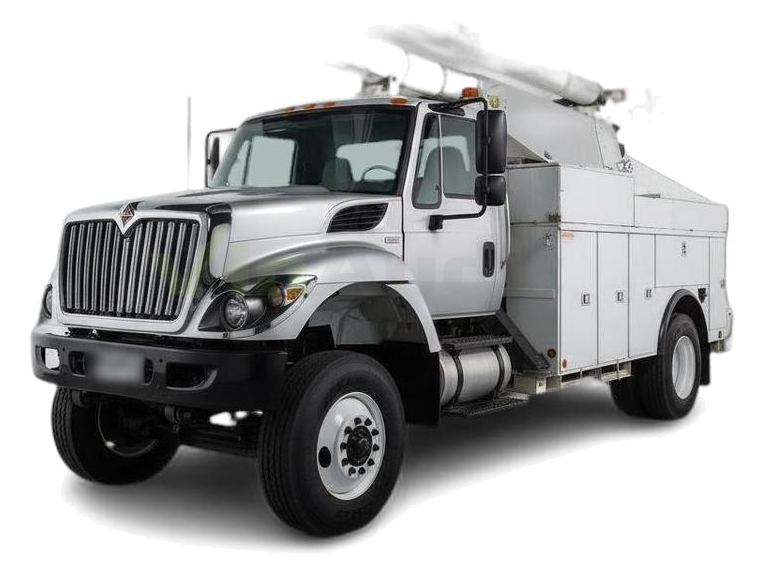
The 2013 International 7300 offers exceptional workhorse performance and durability, appealing to practical buyers needing a reliable platform for demanding tasks. Its heavy-duty chassis provides a strong foundation, while its straightforward, functional design ensures ease of maintenance. Emotionally, owners appreciate its robust "get-the-job-done" character and the confidence it instills on tough worksites, offering solid value for its vocational purpose.
The Bad
A significant weakness for the 2013 International 7300 revolves around its MaxxForce engines, particularly their exhaust gas recirculation (EGR) and diesel particulate filter (DPF) systems. These components were prone to frequent failures and expensive repairs, leading to downtime. Potential buyers should also scrutinize the overall condition of vocational equipment attached to the chassis.
2013 International 7300: Quick Overview
- Engine Options: The 2013 International 7300 primarily featured Navistar's MaxxForce diesel engines. Common options included:
- MaxxForce 7: A V8 diesel engine, typically ranging from 200 to 230 horsepower.
- MaxxForce 9: An I6 diesel engine, offering higher power output, often in the 285 to 330 horsepower range.
- Some configurations might have also offered a MaxxForce DT engine.
- Horsepower: As noted above, horsepower varied significantly based on the specific engine and its tuning, generally from around 200 HP for lighter duty applications up to 330 HP for heavier vocational tasks. Torque figures were substantial, critical for hauling and pulling.
- Fuel Economy: Fuel economy for medium-duty vocational trucks like the 7300 is highly variable and depends heavily on the specific application, load, terrain, and driver habits. It is not rated like passenger vehicles but can range anywhere from 5-9 MPG under typical working conditions. Fleet managers focus more on overall operating costs per mile or per hour of operation.
- 0-60 Times: 0-60 MPH acceleration times are not a relevant metric for a medium-duty vocational truck. These vehicles are designed for power, durability, and load-carrying capacity, not rapid acceleration. Performance is measured by sustained power and torque for hauling.
- Towing Capacity / Gross Vehicle Weight Rating (GVWR): The International 7300 was available in various GVWR classes, typically ranging from Class 7 (26,001-33,000 lbs) to Class 8 (33,001+ lbs for chassis-only before specialized bodies). Specific towing capacity (GCWR - Gross Combination Weight Rating) would depend on the chassis configuration, axle ratios, and braking systems, often exceeding 50,000 lbs with proper trailers.
- Trim-Level Features: The 7300 doesn't have "trim levels" in the passenger car sense. Instead, it offers a range of chassis configurations and vocational packages. Key "features" included:
- Multiple wheelbases and axle configurations (e.g., single axle, tandem axle).
- Different cab configurations (standard, extended cab, crew cab).
- Pneumatic or hydraulic braking systems.
- Various transmission options (manual or automatic, such as Allison transmissions).
- Heavy-duty frame rails and suspension options for specific vocational bodies (e.g., dump, refuse, utility, snow plow).
- Basic interior amenities focused on durability and functionality.
2013 International 7300 Specifications
Vehicle Information
| Year | 2013 |
| Make | International |
| Model | 7300 |
| Trim | - |
| Style | - |
| Type | Truck |
| Category | - |
Manufacturing Details
| Made In | Mexico |
| Manufacturing City | GARLAND |
Dimensions
| Doors | - |
| Curb Weight | - |
| Gross Vehicle Weight Rating | 33001 pounds |
| Overall Height | - |
| Overall Length | - |
| Overall Width | - |
| Wheelbase Length | - |
| Standard Seating | - |
Engine & Performance
| Engine | 7.6L I6 |
| Engine Size | 7.6L |
| Engine Cylinders | 6 |
| Transmission | - |
| Transmission Type | - |
| Transmission Speeds | - |
| Drivetrain | Rear-Wheel Drive |
Additional Features
| Anti-Brake System | - |
| Steering Type | - |
Pricing
| Manufacturer Suggested Retail Price (MSRP) | - |
| Invoice Price | - |
| Delivery Charges | - |
Vehicle History Report
Specifications
History
Events
History Check
Check
Check
Check
Check
Listings
Recalls
Check
Analysis
What Problems Does the 2013 International 7300 Have?
- EGR System Failures: The EGR cooler and valve were notorious for clogging, cracking, and premature failure. This led to coolant leaks, exhaust gas recirculation malfunctions, reduced engine performance, and "derate" conditions.
- DPF (Diesel Particulate Filter) Issues: The DPF system was prone to frequent clogging, requiring forced regenerations and often leading to costly replacements. Sensor failures within the emissions system also contributed to DPF problems.
- Turbocharger Failures: Some MaxxForce engines experienced turbocharger issues, potentially linked to the stresses from the emissions systems.
- Oil Cooler Failures: Failures of the oil cooler were also reported, leading to potential engine damage if not addressed promptly.
These engine-related problems were not unique to the 2013 model year but were prevalent across the MaxxForce engine line during this period (2007-2013). They often resulted in substantial downtime for repairs, increased maintenance costs, and diminished fleet efficiency. Many truck operators either opted for costly "emissions deletes" (which are illegal for on-road use) or engine swaps to Cummins powerplants when possible.
Regarding recalls, specific recalls for the 2013 International 7300 chassis typically focused on components rather than major engine design flaws. Examples might include recalls for steering components, brake system issues, or specific electrical harnesses. It is always recommended to check the National Highway Traffic Safety Administration (NHTSA) database using the specific VIN for any outstanding recalls. However, the overarching long-term reliability concern for this model year is undeniably tied to the MaxxForce emissions system design.
How long will the 2013 International 7300 last?
What Technology & Safety Features are Included?
Built-in Tech:
- Basic Instrumentation: The dashboard featured analog gauges for speed, RPM, oil pressure, coolant temperature, and fuel, along with warning lights.
- Diagnostic Capabilities: Onboard diagnostic systems (OBD-II for light commercial, J1939/J1708 for heavy-duty) provided engine fault codes, crucial for fleet management and troubleshooting.
- Telematics Preparedness: Many commercial trucks were "telematics-ready," allowing for aftermarket installation of fleet tracking, GPS, and engine monitoring systems, though these weren't standard built-in features.
Entertainment:
- Basic Audio System: Typically, a simple AM/FM radio with a CD player was standard. Bluetooth connectivity or advanced infotainment screens were rare, if available at all, and usually aftermarket additions.
- Auxiliary Input: Some units might have offered an auxiliary audio input jack for external devices.
Driver-Assistance Features:
- Anti-lock Braking System (ABS): Standard on most commercial vehicles, enhancing control during emergency braking.
- Traction Control: Basic traction control systems were sometimes available, particularly for models operating in varied conditions.
- Cruise Control: A standard feature for long-haul or highway driving.
- Power Steering: Essential for maneuvering a heavy vehicle.
Safety Features:
- Robust Steel Cab: Designed for impact protection and durability in tough environments.
- Good Visibility: Large windshield and mirrors provided excellent forward and side visibility, crucial for urban and worksite navigation.
- Air Brakes: Common on heavier configurations, offering strong stopping power.
- Seatbelts: Standard three-point seatbelts.
- Airbags: Driver-side airbags were not universally standard in this class of truck for 2013, often an optional safety feature depending on the specific chassis and market.
Optional Features: Included various transmission options (e.g., Allison automatics), air ride seats for driver comfort, power windows/locks, air conditioning, and a multitude of vocational-specific equipment (PTOs, specialized lighting, body controls).
Crash-Test Ratings: Independent crash-test ratings (like those from NHTSA or IIHS for passenger vehicles) are generally not available for medium-duty commercial trucks. Their safety is assessed through compliance with commercial vehicle safety standards and manufacturer testing focused on structural integrity and component performance. Therefore, specific crash-test scores are not applicable.
What Colors Options are Available?
2013 International 7300 Prices and Market Value
Depreciation for commercial trucks is steep initially, but then slows as they enter their "workhorse" phase. Factors severely affecting its resale value include the condition of the MaxxForce engine and its emissions system. Trucks that have undergone successful engine overhauls or conversions to more reliable powerplants (if legally done) command higher prices. The condition and functionality of the vocational body, hours of operation, maintenance records, and overall chassis integrity also play significant roles in determining its current market value.
2013 International 7300 Cost of Ownership
2013 International 7300 Fuel Efficiency
2013 International 7300 Warranty
Basic
Powertrain
Rust
2013 International 7300 Insurance
reasonable repair costs.
How Does the 2013 International 7300 Compare to Other Truck?
- Performance: In terms of raw power and vocational capability, the 7300's MaxxForce engines, when running optimally, offered competitive torque and horsepower for its class. Rivals like the Freightliner M2 often featured Cummins ISB/ISC engines, which were generally perceived as more robust and reliable powerplants, offering comparable or superior performance without the same emissions system headaches. Kenworth and Peterbilt models also frequently utilized Cummins engines, giving them an edge.
- Features: Feature-wise, all these trucks are built for work. The 7300 offered similar customization in terms of chassis configurations, axle ratings, and transmission options (often Allison automatics, common across the board). Cab amenities were basic and functional across competitors, though some rivals might have offered slightly more refined interiors or better ergonomics.
- Reliability: This is where the 2013 International 7300 significantly lagged behind its rivals. The pervasive issues with the MaxxForce engines' EGR and DPF systems created a major reliability liability. Competitors utilizing Cummins engines from the same period generally enjoyed much stronger reputations for engine longevity and fewer emissions-related failures, leading to better uptime and lower long-term repair costs. This makes the 7300 a riskier proposition.
- Price: New, the 7300 was competitively priced. On the used market, its price can be significantly lower than comparable models from Freightliner, Kenworth, or Peterbilt, precisely because of the known engine issues. A used 7300 with an unaddressed MaxxForce engine can be a "bargain" upfront but a money pit later.
Recommendations:
Given the significant reliability concerns with the MaxxForce engines, most fleet managers and owner-operators would recommend alternatives from this era unless the 7300 has had a major engine overhaul, an engine swap (e.g., to a Cummins), or is priced exceptionally low to account for future engine work.
Better Alternatives:
- Freightliner M2 106 (with Cummins engine): Often considered the segment leader, offering a balance of performance, features, and better reliability.
- Kenworth T270/T370 or Peterbilt 337 (with Cummins engine): Premium options offering excellent build quality and strong reliability, though typically at a higher price point.
- Ford F-650/F-750 (with Cummins or Ford Power Stroke): Robust options, particularly the models equipped with Cummins engines, offering a strong vocational platform.
If considering a 2013 International 7300, a pre-purchase inspection by a diesel mechanic specializing in Navistar engines is absolutely critical. Otherwise, the alternatives generally offer a more reliable and less financially risky ownership experience.
Final Verdict: Is the 2013 International 7300 a Good Truck?
Is it worth buying? Generally, it's a risky proposition in the used market unless specific conditions are met. If considering a used 7300, it is only recommended if:
- It has undergone a professional, documented engine overhaul addressing the MaxxForce EGR/DPF issues.
- An engine swap to a more reliable platform (e.g., Cummins) has been performed.
- The price is significantly discounted, allowing ample budget for potential future engine repairs or a complete engine replacement.
- Maintenance records are impeccable, indicating proactive care of the emissions system.
Without these assurances, the high potential for expensive engine-related downtime and repairs makes it a less advisable purchase for most operators seeking reliable, long-term service.

Drew B
Drew is a seasoned automotive expert and contributor to VinCheck.info. With nearly 15 years of experience as a former Porsche technician, he brings a wealth of hands-on knowledge to his writing. Born in North Carolina, a region renowned for its deep-rooted NASCAR culture, Drew developed a passion for cars early in life, often building and working on vehicles from a young age. At VINCheck, Drew leverages his extensive technical background to provide in-depth analyses of various vehicles. His articles often focus on engine performance, reliability, and maintenance insights, offering readers practical information grounded in real-world experience. Some of his notable contributions include reviews on the Mazda CX-5's longevity and detailed examinations of engine options for models like the 2011 Toyota Camry and Tacoma