
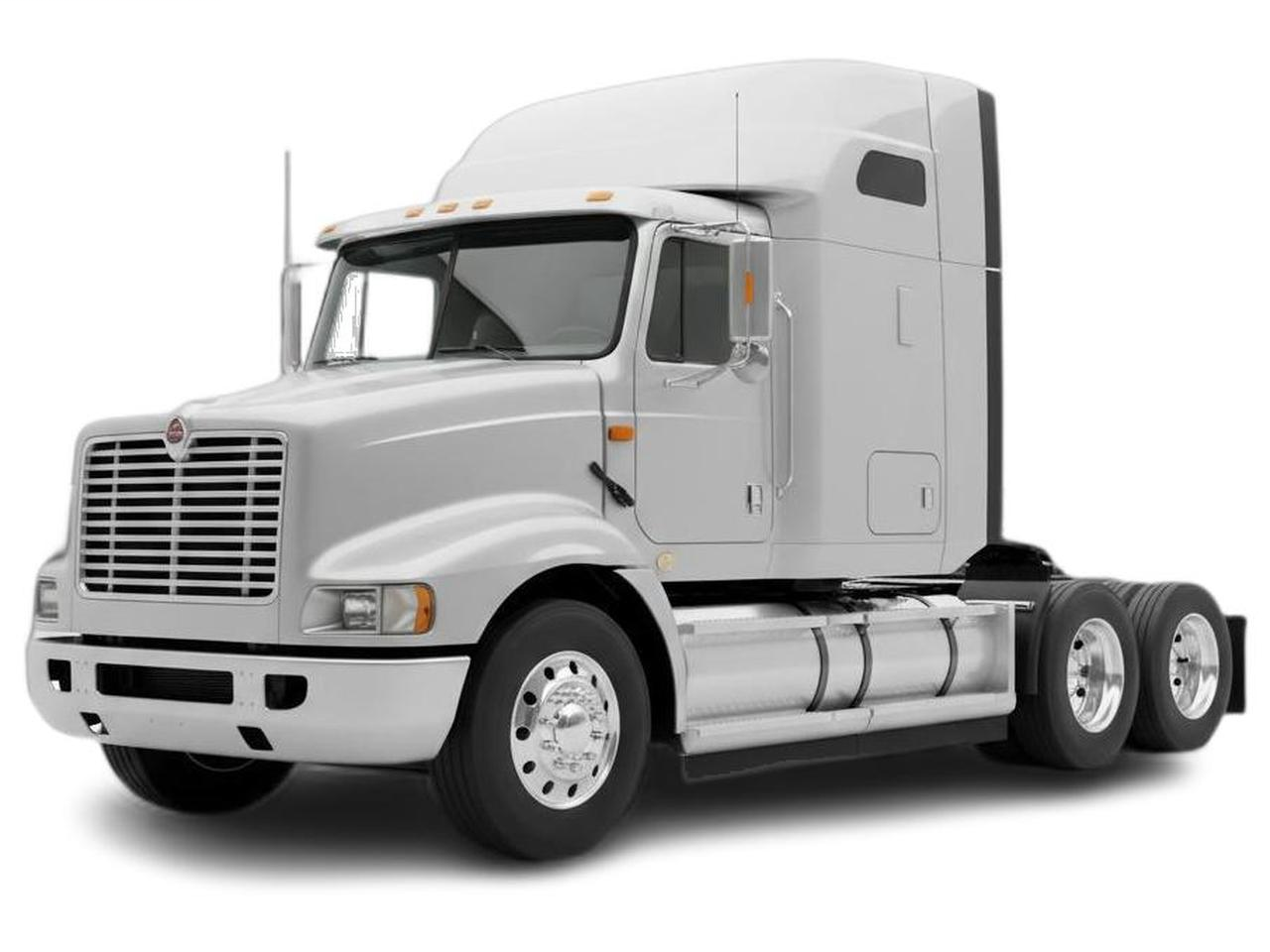
The Good
The 1998 International 9200 shines in its unwavering reliability and robust performance, built to endure tough jobs. Its no-nonsense design prioritizes driver functionality and durability, while surprisingly comfortable cabins aid long hauls. This truck represents exceptional value, offering a dependable workhorse that promises consistent operation and a strong return on investment for practical buyers, evoking a sense of security and confidence in its capabilities.
The Bad
Potential buyers of the 1998 International 9200 should be aware of common issues like aging electrical systems and potential for corrosion on older frames. Fuel system components and exhaust leaks can also be points of concern. Regular maintenance is crucial, as neglect can exacerbate wear on the powertrain and suspension, impacting long-term reliability and operational efficiency.
1998 International 9200: Quick Overview
- Engine Options: The 1998 International 9200 was typically powered by a range of robust diesel engines. Common options included Cummins M11 Plus and ISX series engines, as well as Caterpillar C-12 and C-15 engines. Navistar's own DT series engines were also available in some configurations, though less common in the 9200.
- Horsepower: Horsepower ratings varied significantly depending on the engine and specific configuration. Typically, these engines ranged from approximately 330 horsepower to over 500 horsepower. For instance, a Cummins M11 Plus might be rated around 370-430 hp, while a Caterpillar C-15 could deliver 435-550 hp.
- Fuel Economy: Fuel economy for Class 8 trucks like the 1998 International 9200 is measured in miles per gallon (MPG) and is highly dependent on load, terrain, driving style, and axle ratios. A general estimate would be in the range of 4.5 to 6.5 MPG.
- 0-60 Times: 0-60 MPH times are not a primary metric for this type of heavy-duty commercial vehicle and are highly variable, influenced by gross vehicle weight rating (GVWR), load, and transmission. It's not a performance spec typically tracked or published.
- Towing Capacity: The towing capacity is determined by the truck's Gross Combination Weight Rating (GCWR), which can range significantly. These trucks are designed for heavy hauling, with GCWRs often exceeding 80,000 pounds, and sometimes reaching up to 100,000 pounds or more for specialized applications.
- Trim-Level Features: As a vocational truck, "trim levels" are not defined in the traditional consumer vehicle sense. Features were highly customizable based on the buyer's needs. Common options and features included various cabin configurations (day cab, extended cab, sleeper cabs), specialized suspension systems for different terrains, auxiliary power units (APUs), advanced braking systems (ABS), and specific PTO (Power Take-Off) options for equipment integration. Interior amenities focused on durability and driver comfort for long hours, with options for upgraded seating, climate control, and basic infotainment systems for the era.
1998 International 9200 Specifications
Vehicle Information
| Year | 1998 |
| Make | International |
| Model | 9200 |
| Trim | - |
| Style | - |
| Type | Truck |
| Category | Heavy Truck |
Manufacturing Details
| Made In | Canada |
| Manufacturing City | CHATHAM |
Dimensions
| Doors | - |
| Curb Weight | - |
| Gross Vehicle Weight Rating | 55001 pounds |
| Overall Height | - |
| Overall Length | - |
| Overall Width | - |
| Wheelbase Length | - |
| Standard Seating | - |
Engine & Performance
| Engine | 12L I6 |
| Engine Size | 12.7L |
| Engine Cylinders | 6 |
| Transmission | - |
| Transmission Type | - |
| Transmission Speeds | - |
| Drivetrain | 6x4 |
Additional Features
| Anti-Brake System | - |
| Steering Type | - |
Pricing
| Manufacturer Suggested Retail Price (MSRP) | - |
| Invoice Price | - |
| Delivery Charges | - |
Vehicle History Report
Specifications
History
Events
History Check
Check
Check
Check
Check
Listings
Recalls
Check
Analysis
What Problems Does the 1998 International 9200 Have?
Fuel system components are another area where wear and tear can manifest. Injectors, fuel lines, and pumps can develop leaks or suffer from reduced performance over time, affecting fuel efficiency and engine power. Exhaust system leaks are also not uncommon, leading to increased noise and potential performance degradation. The HVAC (Heating, Ventilation, and Air Conditioning) system, while functional, may require attention due to age, with blower motors, compressors, and seals being common culprits for failure.
While specific recalls for the 1998 model year are not readily aggregated in a consumer-friendly database, it is important for potential buyers to check the National Highway Traffic Safety Administration (NHTSA) website for any recalls that may have been issued and subsequently addressed. Long-term reliability is heavily dependent on the truck's operational history and maintenance regimen. Trucks used for extremely heavy-duty applications or those that have been poorly maintained will naturally exhibit more wear. The engines (Cummins, Caterpillar) themselves are typically very robust and can last for hundreds of thousands of miles if properly serviced. However, auxiliary components and the overall chassis will show their age. No specific model year within this generation of the 9200 is widely known for unique, pervasive issues over others; rather, problems are generally related to age and usage.
How long will the 1998 International 9200 last?
What Technology & Safety Features are Included?
Driver-assistance features were almost non-existent by modern standards. Anti-lock Braking Systems (ABS) were available and becoming more common for enhanced braking control, especially on slippery surfaces. However, features like traction control, stability control, adaptive cruise control, lane departure warnings, or blind-spot monitoring were not part of the standard or optional equipment for this model year. The focus was on mechanical reliability and driver awareness.
Safety features were centered on the structural integrity of the cab and basic operational safety. The robust construction of the International 9200 provided a strong protective shell for the driver. Standard safety equipment would include seat belts, durable exterior lighting (headlights, taillights, turn signals), and mirrors for visibility. In some configurations, especially those used for over-the-road hauling, sleeper cabs offered a more secure environment. Crash-test ratings in the vein of passenger vehicles are not typically performed or publicly available for heavy-duty commercial trucks like the International 9200. The design philosophy emphasizes mitigating the consequences of accidents through sheer structural strength and providing the driver with the tools for safe operation and braking. Optional features would mostly pertain to enhanced visibility like fog lights or spotlight options, and more robust braking systems for severe duty applications.
What Colors Options are Available?
1998 International 9200 Prices and Market Value
1998 International 9200 Cost of Ownership
1998 International 9200 Fuel Efficiency
1998 International 9200 Warranty
Basic
Powertrain
Rust
1998 International 9200 Insurance
reasonable repair costs.
How Does the 1998 International 9200 Compare to Other Truck?
Performance: In terms of raw performance, the 9200, equipped with comparable Cummins or Caterpillar engines, generally held its own against its contemporaries. All these trucks offered robust powerplants designed for heavy hauling. The choice often came down to brand preference and specific engine tuning.
Features: Features were largely dictated by customer specification and the era. The 9200 offered standard functionality expected of a vocational truck – durable cabins, reliable drivetrains, and options for specialized configurations. Competitors like Peterbilt and Kenworth often held a slight edge in perceived cabin comfort and build quality for some drivers, though this was subjective. Freightliner often offered a more budget-conscious option with good functionality.
Reliability: All these trucks were built for demanding work, and reliability was a key selling point. Navistar's International 9200 is well-regarded for its durability, particularly its chassis and core mechanical components. Peterbilt and Kenworth trucks are also legendary for their robust build and longevity. Freightliner, while generally reliable, sometimes lagged slightly behind in perceived build quality for some operators, though still a strong contender.
Price: Pricing for these trucks was competitive, with variations based on engine, axle configurations, and cabin options. The International 9200 often presented a strong value proposition, balancing capability and cost effectively. Peterbilt and Kenworth typically commanded a premium due to their brand prestige. Freightliner often aimed for a more aggressive price point.
Alternatives: For similar capability and reliability, the Kenworth T800 and Peterbilt 378 are excellent alternatives, often lauded for their driver comfort and long-term value. If budget is a primary concern and a slightly less premium feel is acceptable, the Freightliner FLD 120 is a comparable option. For buyers seeking modern technology, even in a used market, looking at slightly newer models from these manufacturers would be advisable, though they will come at a higher price point.
Final Verdict: Is the 1998 International 9200 a Good Truck?

Simon A
Simon is a contributor to VinCheck, where he provides articles and reviews on various automotive topics. His work focuses on delivering accurate and up-to-date information about used cars, helping readers make informed decisions.