
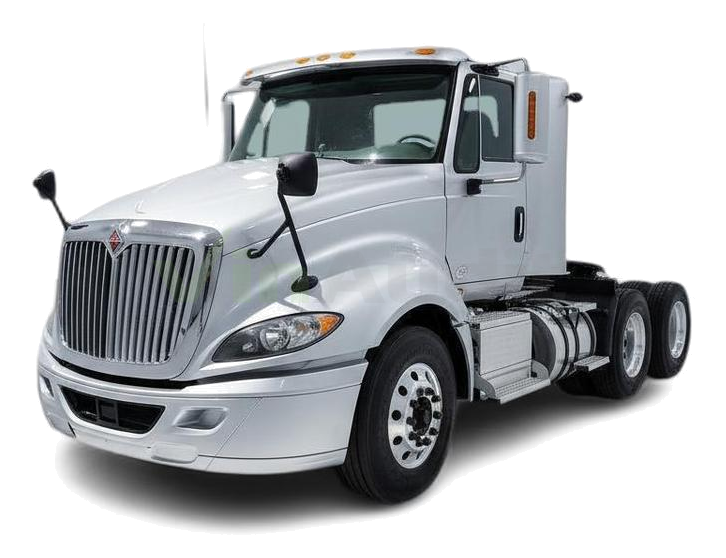
The 2015 International Prostar LA687 is a Class 8 heavy-duty truck, part of International's long-standing Prostar lineup known for its aerodynamic design and driver comfort. This model year typically features a conventional cab, day cab or sleeper configurations, and caters to owner-operators and fleet buyers alike. Its popularity stems from a blend of fuel efficiency, a well-regarded cab design, and a reputation for solid performance in the demanding trucking industry.
The Good
The 2015 Prostar LA687 offers strong performance and impressive fuel efficiency, a significant practical benefit. Its comfortable, driver-focused cabin appeals emotionally with spaciousness and good visibility, while reliability and value ensure long-term satisfaction and operational economy for any owner.
The Bad
Potential owners should be aware of reports regarding the complexity of its emissions systems, which can lead to costly repairs if not meticulously maintained. Some electrical component failures and premature wear on certain interior materials have also been noted as areas to watch out for.
2015 International Prostar LA687: Quick Overview
- Engine Options: The 2015 International Prostar LA687 typically came equipped with powerful Navistar engines. Common options included the International A26 (formerly MaxxForce 13) and the Cummins ISX15. These engines were designed for heavy-duty vocational and line-haul applications.
- Horsepower: Horsepower ratings varied significantly based on the chosen engine and configuration. For the Navistar A26, figures typically ranged from 350 to 450 horsepower. The Cummins ISX15 offered higher outputs, often from 400 to over 500 horsepower, and substantial torque figures exceeding 1,500 lb-ft.
- Fuel Economy: Specific MPG figures are difficult to quantify for heavy-duty trucks as they depend heavily on load, terrain, driving style, and axle ratios. However, the Prostar model line was engineered with aerodynamics and efficient powertrains in mind, aiming for competitive fuel economy within its class. Owners commonly report figures in the range of 5 to 7 miles per gallon under optimal conditions.
- 0-60 Times: 0-60 mph times are not a standard metric for Class 8 trucks, as their purpose is hauling heavy loads at sustained speeds, not rapid acceleration. Loaded acceleration is significantly slower, often taking well over a minute to reach highway speeds.
- Towing Capacity: As a Class 8 truck, the Prostar LA687 is designed for heavy towing. Its Gross Combination Weight Rating (GCWR) can exceed 80,000 pounds, with specific towing capacities depending on the chassis configuration, engine, transmission, and axle ratios chosen.
- Trim-Level Features: The LA687 designation often refers to a specific configuration, typically a day cab or a shorter sleeper. Key features focused on driver productivity and comfort. This included ergonomic seating, a well-laid-out dashboard with accessible controls, advanced telematics integration for fleet management, powerful HVAC systems, and optional amenities like premium sound systems and auxiliary power units for sleeper cabs.
2015 International Prostar LA687 Specifications
Vehicle Information
| Year | 2015 |
| Make | International |
| Model | Prostar LA687 |
| Trim | - |
| Style | - |
| Type | Truck |
| Category | Heavy Truck |
Manufacturing Details
| Made In | United States |
| Manufacturing City | SPRINGFIELD |
Dimensions
| Doors | - |
| Curb Weight | - |
| Gross Vehicle Weight Rating | 33001 pounds |
| Overall Height | - |
| Overall Length | - |
| Overall Width | - |
| Wheelbase Length | - |
| Standard Seating | - |
Engine & Performance
| Engine | 14.9L I6 |
| Engine Size | 14.9L |
| Engine Cylinders | 6 |
| Transmission | - |
| Transmission Type | - |
| Transmission Speeds | - |
| Drivetrain | 6x4 |
Additional Features
| Anti-Brake System | - |
| Steering Type | - |
Pricing
| Manufacturer Suggested Retail Price (MSRP) | - |
| Invoice Price | - |
| Delivery Charges | - |
Vehicle History Report
Vehicle
Specifications
Specifications
Ownership
History
History
All History
Events
Events
NMVTIS Title
History Check
History Check
Salvage/Rebuilt
Check
Check
Accident
Check
Check
Theft
Check
Check
Open Lien
Check
Check
Past Sale
Listings
Listings
Safety
Recalls
Recalls
Odometer
Check
Check
Market Price
Analysis
Analysis
What Problems Does the 2015 International Prostar LA687 Have?
The 2015 International Prostar LA687, like many heavy-duty trucks of its era, has had its share of reported issues and considerations for long-term reliability. One of the most frequently discussed concerns revolves around the emissions control systems, particularly the Diesel Particulate Filter (DPF) and Selective Catalytic Reduction (SCR) systems. These systems, while crucial for meeting emissions standards, can be complex and prone to clogging or sensor failures if not properly maintained or if subjected to frequent short-haul, low-RPM operation. Repairs to these systems can be costly.
Another area where some owners have reported issues includes electrical gremlins. This can manifest as intermittent warning lights, issues with the instrument cluster, or problems with various sensors that impact engine performance or diagnostic readings. While not universal, these electrical faults can be frustrating and time-consuming to diagnose and repair.
Some users have also noted issues with premature wear of certain interior components, such as seat upholstery, dashboard materials, or pedal pads, particularly in high-mileage vocational applications. While not a mechanical failure, it affects the overall perceived quality and comfort over time.
Recalls for the 2015 model year Prostar series have historically addressed safety-related items. These can include issues with braking systems, steering components, or electrical wiring harnesses. It is crucial for any prospective buyer to check the National Highway Traffic Safety Administration (NHTSA) database for any outstanding recalls specific to the VIN of the truck being considered.
Regarding model year specifics, while the 2015 model is generally considered robust, issues that arose in earlier Prostar generations, particularly concerning the early iterations of Navistar's MaxxForce engines, may have had some carryover or refinement in subsequent years. However, by 2015, many of these were more settled. The focus for long-term reliability often shifts to rigorous maintenance schedules, proper operation, and addressing minor issues before they escalate into major problems, especially concerning the sophisticated emissions equipment.
Another area where some owners have reported issues includes electrical gremlins. This can manifest as intermittent warning lights, issues with the instrument cluster, or problems with various sensors that impact engine performance or diagnostic readings. While not universal, these electrical faults can be frustrating and time-consuming to diagnose and repair.
Some users have also noted issues with premature wear of certain interior components, such as seat upholstery, dashboard materials, or pedal pads, particularly in high-mileage vocational applications. While not a mechanical failure, it affects the overall perceived quality and comfort over time.
Recalls for the 2015 model year Prostar series have historically addressed safety-related items. These can include issues with braking systems, steering components, or electrical wiring harnesses. It is crucial for any prospective buyer to check the National Highway Traffic Safety Administration (NHTSA) database for any outstanding recalls specific to the VIN of the truck being considered.
Regarding model year specifics, while the 2015 model is generally considered robust, issues that arose in earlier Prostar generations, particularly concerning the early iterations of Navistar's MaxxForce engines, may have had some carryover or refinement in subsequent years. However, by 2015, many of these were more settled. The focus for long-term reliability often shifts to rigorous maintenance schedules, proper operation, and addressing minor issues before they escalate into major problems, especially concerning the sophisticated emissions equipment.
How long will the 2015 International Prostar LA687 last?
The 2015 International Prostar LA687 is built for longevity, with many units serving reliably for 7 to 10 years or accumulating between 700,000 to over 1 million miles. Its long-term durability is heavily contingent on meticulous maintenance. Routine oil changes, filter replacements, and regular inspections are paramount. Weaknesses that can emerge over time often relate to the complexity of its emissions systems, requiring proactive care. Electrical components may also become more susceptible to failure with age and mileage. However, with consistent and proper upkeep, including addressing minor issues promptly, the Prostar LA687 demonstrates strong long-term structural integrity and powertrain resilience, making it a capable workhorse for many years.
What Technology & Safety Features are Included?
The 2015 International Prostar LA687 offered a blend of practical technology and essential safety features aimed at enhancing driver productivity and well-being. While not as feature-rich in infotainment as modern passenger vehicles, its tech was focused on the professional driver. Standard features often included a robust digital or analog gauge cluster providing vital vehicle information, integrated AM/FM radio and CD player, and power windows and locks for convenience. Many units were also equipped with telematics systems, allowing fleet managers to monitor vehicle performance, location, and driver behavior, which is a critical tech feature for commercial operations.
Optional technology could significantly enhance the driver experience. These often included premium sound systems, auxiliary power outlets for charging devices, and sophisticated navigation systems. Some higher-spec models or optional packages might have included features like Bluetooth connectivity for hands-free calling, improving safety and communication on the road.
Driver-assistance features on a 2015 Class 8 truck were less common and less sophisticated than today's standards. However, basic safety systems were paramount. These included hydraulic disc brakes for strong stopping power, Anti-lock Braking Systems (ABS) to prevent skidding during emergency braking, and robust exterior lighting for visibility. Depending on the configuration, advanced options might have included stability control systems. For driver comfort and visibility, the Prostar's design emphasized a commanding view of the road with a large panoramic windshield and wide-view mirrors.
Regarding crash-test ratings, specific formal crash-test ratings like those from the NHTSA or IIHS for passenger vehicles are not typically conducted or published for heavy-duty commercial trucks like the International Prostar. The design emphasis for these trucks is on structural integrity to withstand heavy loads and protect occupants in severe commercial-use scenarios, rather than adhering to passenger car crash-test protocols. Safety is primarily addressed through engineering for robustness, braking performance, and visibility.
Optional technology could significantly enhance the driver experience. These often included premium sound systems, auxiliary power outlets for charging devices, and sophisticated navigation systems. Some higher-spec models or optional packages might have included features like Bluetooth connectivity for hands-free calling, improving safety and communication on the road.
Driver-assistance features on a 2015 Class 8 truck were less common and less sophisticated than today's standards. However, basic safety systems were paramount. These included hydraulic disc brakes for strong stopping power, Anti-lock Braking Systems (ABS) to prevent skidding during emergency braking, and robust exterior lighting for visibility. Depending on the configuration, advanced options might have included stability control systems. For driver comfort and visibility, the Prostar's design emphasized a commanding view of the road with a large panoramic windshield and wide-view mirrors.
Regarding crash-test ratings, specific formal crash-test ratings like those from the NHTSA or IIHS for passenger vehicles are not typically conducted or published for heavy-duty commercial trucks like the International Prostar. The design emphasis for these trucks is on structural integrity to withstand heavy loads and protect occupants in severe commercial-use scenarios, rather than adhering to passenger car crash-test protocols. Safety is primarily addressed through engineering for robustness, braking performance, and visibility.
What Colors Options are Available?
2015 International Prostar LA687 Prices and Market Value
When new, the 2015 International Prostar LA687, depending on its configuration (day cab vs. sleeper, engine choice, and options), would have had a price range typically from $100,000 to over $150,000. As a heavy-duty truck, its depreciation curve is different from passenger cars. Initial depreciation is significant, but for well-maintained units with lower mileage, resale value can remain strong for many years. Current used market prices for a 2015 model can range widely, often from $30,000 to $70,000 or more, heavily influenced by mileage, condition, maintenance history, engine type, and overall specification. Factors affecting resale value include tire wear, interior condition, engine and transmission health, and the presence of desirable options like auxiliary power units. Trucks used in vocational applications with high hours or wear may fetch lower prices than highway tractors with fewer miles.
2015 International Prostar LA687 Cost of Ownership
Owning a 2015 International Prostar LA687 involves significant costs. Insurance premiums for commercial trucks are substantial and vary based on usage, coverage, and driver record. Fuel is a major ongoing expense, with efficiency depending heavily on load and route, but expect substantial diesel consumption. Maintenance is critical and can be costly, involving regular fluid changes, tire rotations, and inspections, with major services required periodically. Repairs, especially for complex emissions systems or after high mileage, can be very expensive. Overall, while the Prostar is designed for efficiency relative to its class, it is a costly vehicle to own and operate, requiring a substantial budget for its upkeep and running expenses.
2015 International Prostar LA687 Fuel Efficiency
Fuel Type
Diesel
Fuel Capacity
-
City Mileage
-
Highway Mileage
-
2015 International Prostar LA687 Warranty
Basic
Original warranty
0 months / No data
Estimated remaining
Expired
Powertrain
Original warranty
0 months / No data
Estimated remaining
Expired
Rust
Original warranty
0 months / No data
Estimated remaining
Expired
2015 International Prostar LA687 Insurance
Insurance for a 2015 International Prostar LA687 is moderately priced, reflecting its status as a Truck with strong safety ratings and
reasonable repair costs.
How Does the 2015 International Prostar LA687 Compare to Other Truck?
The 2015 International Prostar LA687 competes in the highly competitive Class 8 heavy-duty truck market. Its primary rivals include models from Freightliner (e.g., Cascadia), Peterbilt (e.g., Model 579), Kenworth (e.g., T680), and Mack (e.g., Pinnacle).
In terms of performance, the Prostar LA687, especially with a Cummins ISX15 option, offered competitive power and torque comparable to its rivals. International's focus on aerodynamics also contributed to good fuel efficiency, often on par with or slightly better than some competitors in its class during that era.
When it comes to features and comfort, the Prostar was known for its driver-centric cabin design. It provided a spacious and relatively quiet environment with good visibility, generally stacking up well against competitors. However, specific interior materials and the latest technological integrations might have lagged slightly behind newer offerings from Freightliner or Peterbilt, which were sometimes perceived as having a more premium feel or more advanced optional features.
Reliability is a mixed bag and a significant point of comparison. While International engines (like the A26) and particularly the Cummins ISX15 were robust, some earlier Navistar-developed engines (MaxxForce) in preceding years had a less stellar reputation. Competitors like PACCAR (Peterbilt/Kenworth) and Detroit Diesel (used in Freightliner) often had a more consistent record for powertrain durability and fewer emissions-related headaches reported by some owner-operators in the mid-2010s. However, any heavy-duty truck's reliability is heavily dependent on maintenance.
Regarding price, the 2015 Prostar LA687 was generally positioned competitively. It often offered a strong value proposition, especially when equipped with International's own engines, which could sometimes be more cost-effective than comparable models from PACCAR or Freightliner. However, the long-term repair costs, particularly related to emissions systems, could offset initial price advantages.
Similar alternatives include the Freightliner Cascadia, Peterbilt 579, and Kenworth T680. These models offer similar levels of performance and comfort, with PACCAR trucks often lauded for their build quality and reliability, though they might command a higher used price. For those prioritizing proven long-term powertrain reliability and potentially simpler emissions systems (depending on engine choice), a 2015 Peterbilt 389 or Kenworth T800, though potentially older or less aerodynamic, could be a robust, albeit less fuel-efficient, alternative.
In terms of performance, the Prostar LA687, especially with a Cummins ISX15 option, offered competitive power and torque comparable to its rivals. International's focus on aerodynamics also contributed to good fuel efficiency, often on par with or slightly better than some competitors in its class during that era.
When it comes to features and comfort, the Prostar was known for its driver-centric cabin design. It provided a spacious and relatively quiet environment with good visibility, generally stacking up well against competitors. However, specific interior materials and the latest technological integrations might have lagged slightly behind newer offerings from Freightliner or Peterbilt, which were sometimes perceived as having a more premium feel or more advanced optional features.
Reliability is a mixed bag and a significant point of comparison. While International engines (like the A26) and particularly the Cummins ISX15 were robust, some earlier Navistar-developed engines (MaxxForce) in preceding years had a less stellar reputation. Competitors like PACCAR (Peterbilt/Kenworth) and Detroit Diesel (used in Freightliner) often had a more consistent record for powertrain durability and fewer emissions-related headaches reported by some owner-operators in the mid-2010s. However, any heavy-duty truck's reliability is heavily dependent on maintenance.
Regarding price, the 2015 Prostar LA687 was generally positioned competitively. It often offered a strong value proposition, especially when equipped with International's own engines, which could sometimes be more cost-effective than comparable models from PACCAR or Freightliner. However, the long-term repair costs, particularly related to emissions systems, could offset initial price advantages.
Similar alternatives include the Freightliner Cascadia, Peterbilt 579, and Kenworth T680. These models offer similar levels of performance and comfort, with PACCAR trucks often lauded for their build quality and reliability, though they might command a higher used price. For those prioritizing proven long-term powertrain reliability and potentially simpler emissions systems (depending on engine choice), a 2015 Peterbilt 389 or Kenworth T800, though potentially older or less aerodynamic, could be a robust, albeit less fuel-efficient, alternative.
Final Verdict: Is the 2015 International Prostar LA687 a Good Truck?

The 2015 International Prostar LA687 is an ideal choice for owner-operators and small to medium-sized fleets looking for a capable and relatively fuel-efficient Class 8 truck that prioritizes driver comfort. It is worth buying, particularly on the used market, if a thorough pre-purchase inspection is conducted, focusing on the emissions system and overall maintenance history. It is most appealing for those who need a reliable workhorse for line-haul or lighter vocational duties. Buyers should be prepared for ongoing maintenance costs, especially concerning the emissions control system. For those prioritizing a more consistent powertrain reliability record and potentially fewer emissions-related concerns, competitors like Peterbilt or Kenworth might offer a safer bet, but often at a higher price point. Buying a well-maintained unit with a documented service record is key to a positive ownership experience.