
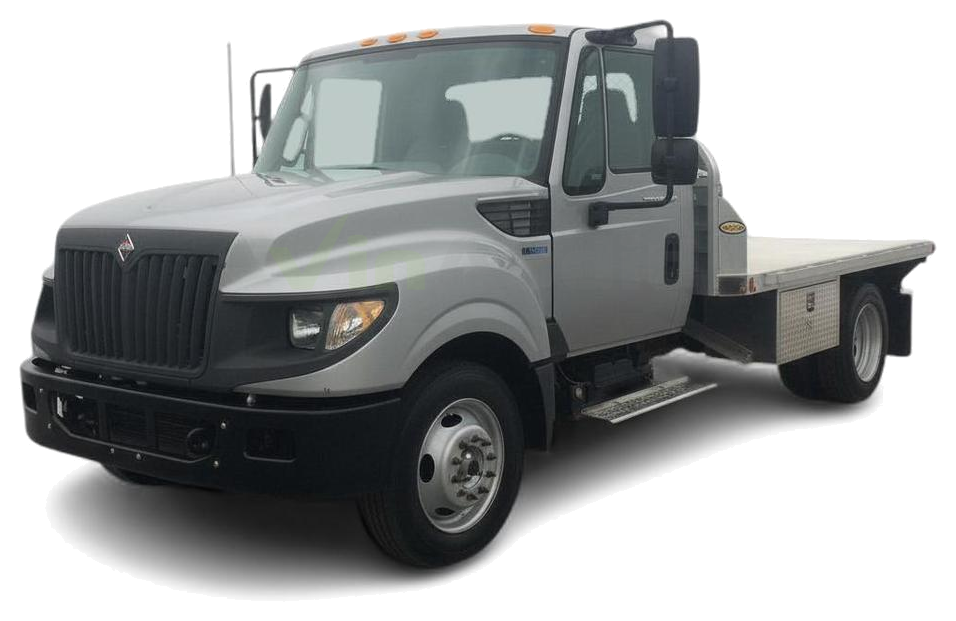
The 2012 International TerraStar is a robust medium-duty truck designed for commercial and vocational applications. Produced from 2010 to 2015, it was available in various configurations, including pickup truck and chassis cab styles. Key trims focused on utility rather than luxury. Its popularity stems from its heavy-duty construction, powerful diesel engine options, and remarkable towing and hauling capabilities, making it a go-to for demanding tasks.
The Good
The 2012 TerraStar excels in raw power and unwavering reliability, offering a commanding presence that appeals to those who value strength. Its practical design prioritizes function over flash, ensuring durability and straightforward maintenance, translating to excellent long-term value.
The Bad
Owners should be aware of potential issues with the diesel particulate filter (DPF) regeneration system, some transmission glitches, and occasional electrical gremlins. Rust can also be a concern in certain climates. Fuel efficiency is not a strong suit.
2012 International TerraStar: Quick Overview
- Engine Options: The 2012 International TerraStar was primarily offered with a powerful 6.4L Power Stroke V8 turbodiesel engine.
- Horsepower: Typically rated around 300-350 horsepower, providing ample grunt for heavy loads.
- Torque: Torque figures were substantial, often exceeding 500 lb-ft, crucial for towing and hauling.
- Fuel Economy: As expected for a heavy-duty diesel, fuel economy was not a strong point. Owners often reported figures in the range of 10-15 MPG, varying significantly with load and driving conditions.
- 0-60 Times: Specific 0-60 mph times are rarely published for commercial vehicles of this nature, but due to its substantial weight and power, acceleration would be leisurely, likely in the 10-15 second range or slower when loaded.
- Towing Capacity: The TerraStar was built for serious work, with towing capacities that could easily exceed 15,000 lbs, and in some configurations, significantly more, depending on the chassis, axle ratios, and factory-installed towing packages.
- Payload Capacity: Similarly, payload capacities were very high, designed to carry substantial weight in the bed or on the chassis for various upfits.
- Transmission: Typically paired with a heavy-duty automatic transmission, such as a TorqShift 6-speed automatic, designed to handle the torque and load.
- Trim-Level Features: Trim levels were generally basic, focusing on functionality and durability. Standard features often included robust vinyl or cloth seating, basic infotainment systems (radio, CD player), air conditioning, power windows and locks (depending on trim), and essential gauges. Higher trims might offer slightly more refined interiors or convenience features, but the emphasis remained on workhorse capabilities. Common features included durable flooring, heavy-duty suspension components, and integrated trailer brake controllers on some models.
2012 International TerraStar Specifications
Vehicle Information
| Year | 2012 |
| Make | International |
| Model | TerraStar |
| Trim | - |
| Style | - |
| Type | Truck |
| Category | Heavy Truck |
Manufacturing Details
| Made In | United States |
| Manufacturing City | GARLAND |
Dimensions
| Doors | - |
| Curb Weight | - |
| Gross Vehicle Weight Rating | 19500 pounds |
| Overall Height | - |
| Overall Length | - |
| Overall Width | - |
| Wheelbase Length | - |
| Standard Seating | - |
Engine & Performance
| Engine | 6.4L V8 |
| Engine Size | 6.4L |
| Engine Cylinders | 8 |
| Transmission | 5-Speed Automatic |
| Transmission Type | Automatic |
| Transmission Speeds | 5-Speed |
| Drivetrain | Rear-Wheel Drive |
Additional Features
| Anti-Brake System | - |
| Steering Type | - |
Pricing
| Manufacturer Suggested Retail Price (MSRP) | - |
| Invoice Price | - |
| Delivery Charges | - |
Vehicle History Report
Vehicle
Specifications
Specifications
Ownership
History
History
All History
Events
Events
NMVTIS Title
History Check
History Check
Salvage/Rebuilt
Check
Check
Accident
Check
Check
Theft
Check
Check
Open Lien
Check
Check
Past Sale
Listings
Listings
Safety
Recalls
Recalls
Odometer
Check
Check
Market Price
Analysis
Analysis
What Problems Does the 2012 International TerraStar Have?
The 2012 International TerraStar, while generally a stout vehicle, does have some frequently reported issues and long-term reliability concerns that potential buyers should be aware of. One of the most common complaints revolves around the diesel particulate filter (DPF) system. Owners have reported issues with DPF regeneration, leading to clogged filters, reduced engine performance, and costly repairs. This is often exacerbated by frequent short trips where the filter doesn't have a chance to properly clean itself.
Another area of concern can be the transmission. While built for heavy duty, some owners have experienced premature wear or failure of the automatic transmission, particularly under heavy towing or prolonged strenuous use. Transmission fluid changes and proper cooling are critical for longevity.
Electrical gremlins are also not uncommon. Issues such as malfunctioning sensors, intermittent power to accessories, or problems with the onboard computer modules have been noted. These can be frustrating to diagnose and repair.
For the 2012 model year specifically, while there aren't widespread, model-defining recalls that crippled the entire production run, it's always advisable to check for any outstanding Technical Service Bulletins (TSBs) or specific recall campaigns that may have been issued by Navistar for this vehicle. These often address common, albeit minor, issues that were identified after production.
Rust and corrosion can be a significant long-term concern, especially for TerraStars operating in areas with harsh winters or coastal environments. The frame, body panels, and suspension components are susceptible to rust if not properly maintained and treated with protective coatings. Regular washing and undercarriage treatments are essential.
In terms of overall long-term reliability, the TerraStar is built with heavy-duty components, which means many parts are designed to be more durable than those in light-duty trucks. However, the complexity of the diesel emissions systems and the demanding nature of its work can still lead to significant maintenance costs over time. Regular and thorough maintenance, using high-quality fluids and parts, is paramount to ensuring its longevity.
Another area of concern can be the transmission. While built for heavy duty, some owners have experienced premature wear or failure of the automatic transmission, particularly under heavy towing or prolonged strenuous use. Transmission fluid changes and proper cooling are critical for longevity.
Electrical gremlins are also not uncommon. Issues such as malfunctioning sensors, intermittent power to accessories, or problems with the onboard computer modules have been noted. These can be frustrating to diagnose and repair.
For the 2012 model year specifically, while there aren't widespread, model-defining recalls that crippled the entire production run, it's always advisable to check for any outstanding Technical Service Bulletins (TSBs) or specific recall campaigns that may have been issued by Navistar for this vehicle. These often address common, albeit minor, issues that were identified after production.
Rust and corrosion can be a significant long-term concern, especially for TerraStars operating in areas with harsh winters or coastal environments. The frame, body panels, and suspension components are susceptible to rust if not properly maintained and treated with protective coatings. Regular washing and undercarriage treatments are essential.
In terms of overall long-term reliability, the TerraStar is built with heavy-duty components, which means many parts are designed to be more durable than those in light-duty trucks. However, the complexity of the diesel emissions systems and the demanding nature of its work can still lead to significant maintenance costs over time. Regular and thorough maintenance, using high-quality fluids and parts, is paramount to ensuring its longevity.
How long will the 2012 International TerraStar last?
Based on owner feedback and the robust nature of its construction, a 2012 International TerraStar, with diligent maintenance, can reasonably be expected to last between 250,000 to 400,000 miles, or even more. Many owners report achieving well over 300,000 miles on the original engine and transmission, provided they adhere to a strict maintenance schedule. Key to its long-term durability are regular oil changes, proper care of the diesel particulate filter (DPF) system, and vigilant attention to cooling system maintenance. Weaknesses that can shorten its lifespan include neglected maintenance, especially regarding the DPF and transmission fluid, and exposure to severe rust-inducing environments without protective measures. However, its heavy-duty components generally offer excellent longevity if treated well.
What Technology & Safety Features are Included?
The 2012 International TerraStar prioritizes functionality and work capability over cutting-edge technology and creature comforts. Its built-in tech is generally rudimentary, reflecting its commercial heritage. Entertainment features typically include a basic AM/FM radio with a CD player, and perhaps an auxiliary input for connecting external devices. Higher trims might offer power windows and door locks, but advanced infotainment systems with touchscreens or navigation were not standard and rarely offered.
Driver-assistance features are virtually non-existent. You won't find adaptive cruise control, lane departure warning, or blind-spot monitoring in a 2012 TerraStar. The focus is on the driver's direct control of the vehicle, with essential gauges and controls readily accessible. Mirrors are designed for maximum visibility, a critical safety aspect for a large vehicle.
Safety features are primarily focused on passive systems and structural integrity. Standard safety equipment usually includes airbags for the driver and front passenger, anti-lock braking system (ABS), and sturdy seatbelts. The robust frame and construction inherently contribute to occupant safety in a collision. However, specific crash-test ratings from organizations like the NHTSA or IIHS are generally not available for commercial vehicles like the TerraStar, as they are not typically subjected to the same consumer-focused testing protocols.
Optional features would have been limited and geared towards vocational use. These might have included things like trailer brake controllers, heavy-duty alternators, or specialized upfitting provisions for specific work applications. The TerraStar was designed to be a tool, and its features reflect that purpose, with technology and driver aids taking a backseat to raw capability and durability.
Driver-assistance features are virtually non-existent. You won't find adaptive cruise control, lane departure warning, or blind-spot monitoring in a 2012 TerraStar. The focus is on the driver's direct control of the vehicle, with essential gauges and controls readily accessible. Mirrors are designed for maximum visibility, a critical safety aspect for a large vehicle.
Safety features are primarily focused on passive systems and structural integrity. Standard safety equipment usually includes airbags for the driver and front passenger, anti-lock braking system (ABS), and sturdy seatbelts. The robust frame and construction inherently contribute to occupant safety in a collision. However, specific crash-test ratings from organizations like the NHTSA or IIHS are generally not available for commercial vehicles like the TerraStar, as they are not typically subjected to the same consumer-focused testing protocols.
Optional features would have been limited and geared towards vocational use. These might have included things like trailer brake controllers, heavy-duty alternators, or specialized upfitting provisions for specific work applications. The TerraStar was designed to be a tool, and its features reflect that purpose, with technology and driver aids taking a backseat to raw capability and durability.
What Colors Options are Available?
2012 International TerraStar Prices and Market Value
When new, the 2012 International TerraStar had a price range that varied significantly based on its configuration, engine, and options, but typically started in the $50,000 to $70,000 range, and could climb much higher for fully equipped chassis cabs destined for specific upfits. Its depreciation curve is relatively steep initially, as is common with most heavy-duty trucks. However, once past its initial depreciation phase, the TerraStar holds its value reasonably well, especially those in good mechanical condition. Factors affecting resale value include mileage, maintenance history, the presence of rust, and the overall condition of the engine and transmission. Trucks that have been well-maintained and used for lighter duties or show minimal wear tend to command higher prices on the used market.
2012 International TerraStar Cost of Ownership
Owning a 2012 International TerraStar is generally considered costly rather than economical, primarily due to its nature as a heavy-duty diesel truck. Insurance premiums can be higher than for lighter vehicles due to its size and commercial classification. Fuel costs will be substantial, with its 6.4L diesel engine consuming a significant amount of fuel, typically in the 10-15 MPG range. Maintenance is critical and can be expensive, with regular oil changes, filter replacements, and potential DPF system servicing adding up. Repairs, especially for the diesel engine and transmission, can be particularly costly. Overall, the TerraStar is built for work and durability, not for low running costs.
2012 International TerraStar Fuel Efficiency
Fuel Type
Diesel
Fuel Capacity
-
City Mileage
-
Highway Mileage
-
2012 International TerraStar Warranty
Basic
Original warranty
0 months / No data
Estimated remaining
Expired
Powertrain
Original warranty
0 months / No data
Estimated remaining
Expired
Rust
Original warranty
0 months / No data
Estimated remaining
Expired
2012 International TerraStar Insurance
Insurance for a 2012 International TerraStar is moderately priced, reflecting its status as a Truck with strong safety ratings and
reasonable repair costs.
How Does the 2012 International TerraStar Compare to Other Truck?
The 2012 International TerraStar occupied a niche in the medium-duty truck market, often competing with vehicles like the Ford F-Series Super Duty (e.g., F-250/F-350), Ram Heavy Duty trucks (e.g., 2500/3500), and Chevrolet Silverado HD (e.g., 2500HD/3500HD) when configured for heavy-duty commercial use. In terms of performance, the TerraStar, with its dedicated diesel engine, often offered superior towing and hauling capacities compared to its light-duty counterparts when looking at their maximum rated capabilities, though these consumer-oriented trucks could be optioned very highly. The TerraStar's power and torque were typically focused on work rather than speed.
Features in the TerraStar were generally more utilitarian and less creature-comfort oriented than in the F-Series, Ram HD, or Silverado HD. While the latter offered more advanced technology, interior refinement, and creature comforts, the TerraStar focused on a robust chassis, durable powertrain, and straightforward functionality. Reliability is a mixed bag. The TerraStar's heavy-duty components are built to last, but the diesel emissions systems (DPF) can be complex and costly to maintain, an issue also present in competing diesel trucks. Consumer trucks often benefit from a wider aftermarket support and potentially simpler repair processes for common issues.
Price-wise, the TerraStar was typically positioned at the higher end for commercial-grade vehicles, often costing more when new than similarly spec'd consumer heavy-duty trucks. On the used market, they can offer good value if found at a competitive price.
Similar Alternatives: If seeking raw capability and durability, the Ford F-Series Super Duty (especially with a Power Stroke diesel), Ram Heavy Duty (Cummins diesel), and Chevrolet Silverado HD (Duramax diesel) are strong contenders, offering more modern features and comfort. For those prioritizing pure commercial utility and a no-frills approach, used Freightliner Sprinter chassis or Ford E-Series cutaway vans could also be considered depending on the specific application needs. However, for a truck chassis with significant diesel power, the TerraStar stands out for its straightforward, tough build.
Features in the TerraStar were generally more utilitarian and less creature-comfort oriented than in the F-Series, Ram HD, or Silverado HD. While the latter offered more advanced technology, interior refinement, and creature comforts, the TerraStar focused on a robust chassis, durable powertrain, and straightforward functionality. Reliability is a mixed bag. The TerraStar's heavy-duty components are built to last, but the diesel emissions systems (DPF) can be complex and costly to maintain, an issue also present in competing diesel trucks. Consumer trucks often benefit from a wider aftermarket support and potentially simpler repair processes for common issues.
Price-wise, the TerraStar was typically positioned at the higher end for commercial-grade vehicles, often costing more when new than similarly spec'd consumer heavy-duty trucks. On the used market, they can offer good value if found at a competitive price.
Similar Alternatives: If seeking raw capability and durability, the Ford F-Series Super Duty (especially with a Power Stroke diesel), Ram Heavy Duty (Cummins diesel), and Chevrolet Silverado HD (Duramax diesel) are strong contenders, offering more modern features and comfort. For those prioritizing pure commercial utility and a no-frills approach, used Freightliner Sprinter chassis or Ford E-Series cutaway vans could also be considered depending on the specific application needs. However, for a truck chassis with significant diesel power, the TerraStar stands out for its straightforward, tough build.
Final Verdict: Is the 2012 International TerraStar a Good Truck?

The 2012 International TerraStar is ideal for commercial operators, tradespeople, or individuals who require exceptional towing and hauling capacity for demanding vocational tasks. It's a no-nonsense workhorse built for heavy-duty applications, not for daily commuting or luxury transport. Buying one is worthwhile if durability and raw capability are paramount, and you are prepared for the associated maintenance costs of a heavy-duty diesel. It is best purchased used, as new models are no longer produced. Look for well-maintained examples with lower mileage, ideally from owners who can provide detailed service records. Avoid units that show significant rust or have a history of being severely overloaded, as these will likely require extensive repairs.