
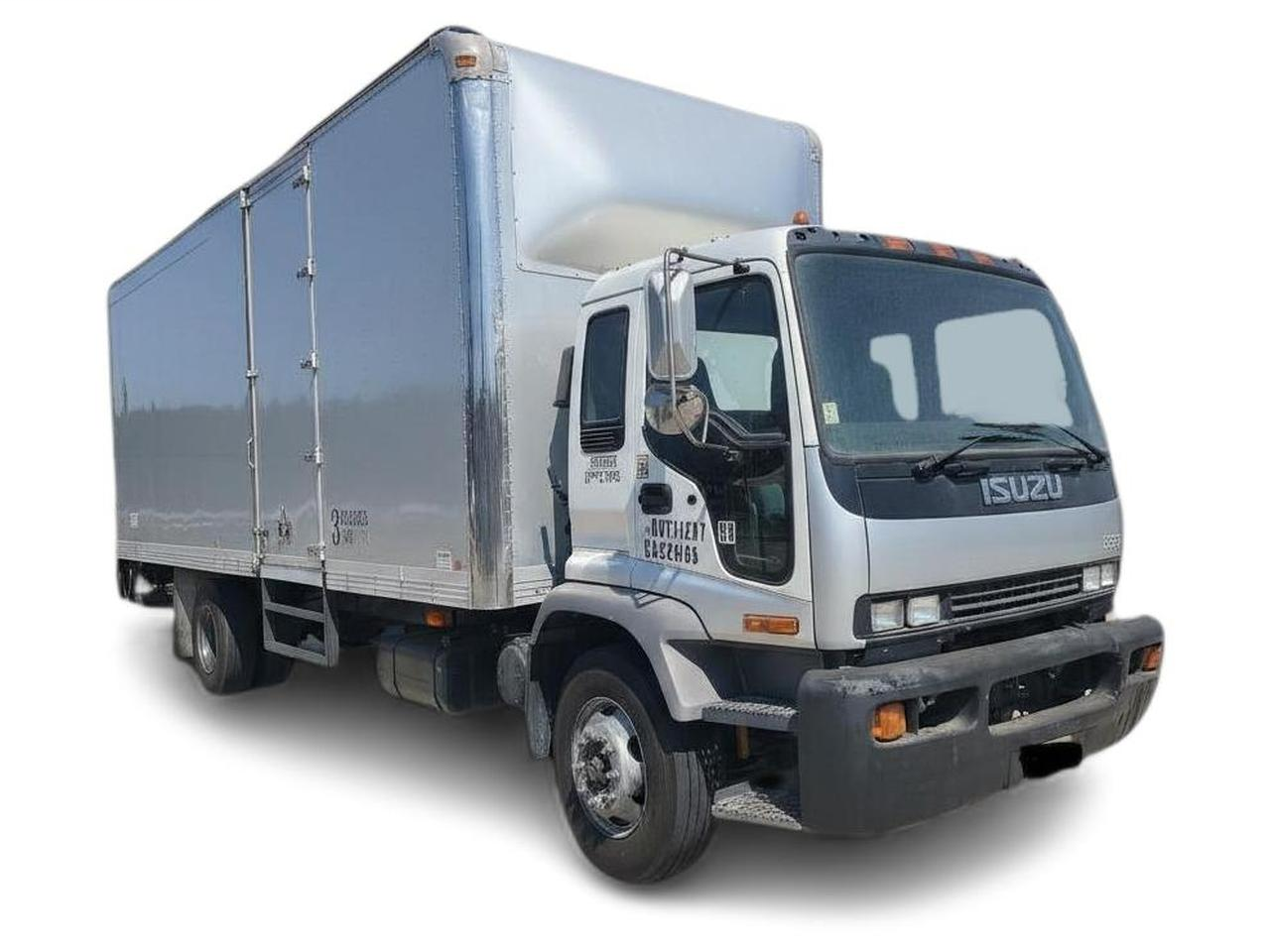
The Good
The 2004 Isuzu Tilt Cab boasts exceptional maneuverability thanks to its cab-over design, making it ideal for urban deliveries. Its legendary Isuzu reliability ensures minimal downtime, a huge practical benefit. The simple, functional interior offers surprising comfort for long workdays, while its robust build appeals to buyers seeking enduring value and peace of mind.
The Bad
Potential owners should be aware of the 2004 Isuzu Tilt Cab's somewhat dated interior design and basic features compared to modern vehicles. Rust on the frame and body panels can be a concern in areas with heavy road salt usage. Also, some older models might exhibit slower acceleration and a less refined ride over rougher surfaces.
2004 Isuzu Tilt Cab: Quick Overview
The 2004 Isuzu Tilt Cab offered a range of configurations to suit various commercial needs.
Engine Options:
- Typically, Isuzu offered diesel engines known for their torque and durability. Common options included inline-4 and inline-6 turbocharged diesel engines.
- A gasoline engine option might have been available on lighter duty models, though less common for this specific generation of work trucks.
- Horsepower varied significantly based on the specific engine and configuration, generally ranging from approximately 120 hp to 190 hp for diesel engines. Gasoline engines would have been in a similar or slightly lower range.
- Fuel economy for commercial vehicles of this era is not typically measured with the same emphasis as passenger cars. However, diesel variants were generally more efficient for their power output, with estimates often in the 15-20 MPG range, highly dependent on load and driving conditions.
- 0-60 mph times were not a primary consideration for these vehicles, as they are designed for utility, not acceleration. Expect leisurely acceleration, likely in the 15-25 second range, depending on the engine and load.
- Towing capacity varied greatly depending on the chassis, wheelbase, and GVRWR (Gross Vehicle Weight Rating). Light-duty models could tow several thousand pounds, while heavier configurations could handle significantly more, often exceeding 10,000 lbs when properly equipped. Specific ratings would be found on the vehicle's VIN plate.
- Trim levels were often dictated by chassis type (e.g., standard, crew cab) and vocational packages. Features were typically focused on functionality rather than luxury.
- Standard Cab: Basic, durable interior with vinyl seats, manual windows and locks, and a simple AM/FM radio.
- Crew Cab (if available): Offered additional seating for passengers, often with slightly improved interior amenities.
- Chassis Configurations: Available in various wheelbase lengths and cab-to-axle dimensions to accommodate different body types (e.g., box trucks, flatbeds, utility bodies).
- Optional Equipment: Air conditioning, power steering, and upgraded audio systems were common options. Specialized upfitter packages for specific industries (e.g., construction, delivery) were also available.
2004 Isuzu Tilt Cab Specifications
Vehicle Information
| Year | 2004 |
| Make | Isuzu |
| Model | Tilt Cab |
| Trim | - |
| Style | - |
| Type | Truck |
| Category | Medium Truck |
Manufacturing Details
| Made In | United States |
| Manufacturing City | FLINT |
Dimensions
| Doors | - |
| Curb Weight | - |
| Gross Vehicle Weight Rating | - |
| Overall Height | - |
| Overall Length | - |
| Overall Width | - |
| Wheelbase Length | - |
| Standard Seating | - |
Engine & Performance
| Engine | 7.8L I6 |
| Engine Size | 7.8L |
| Engine Cylinders | 6 |
| Transmission | - |
| Transmission Type | - |
| Transmission Speeds | - |
| Drivetrain | Rear-Wheel Drive |
Additional Features
| Anti-Brake System | - |
| Steering Type | - |
Pricing
| Manufacturer Suggested Retail Price (MSRP) | - |
| Invoice Price | - |
| Delivery Charges | - |
Vehicle History Report
Specifications
History
Events
History Check
Check
Check
Check
Check
Listings
Recalls
Check
Analysis
What Problems Does the 2004 Isuzu Tilt Cab Have?
Another area to watch for is the fuel injection system on diesel models. While Isuzu diesel engines are generally robust, issues with injectors or the fuel pump can occur, leading to performance problems or starting difficulties. Regular maintenance, including fuel filter changes, is crucial.
Some owners have reported issues with the transmission, particularly with older, higher-mileage units. While generally reliable, wear and tear can lead to rough shifting or slippage. Fluid changes and proper operation are key to maintaining transmission health.
Regarding electrical components, some minor issues like faulty power window motors or dashboard warning lights that intermittently illuminate have been noted. These are often age-related and can be relatively inexpensive to fix.
While specific widespread recalls for the 2004 model year are not extensively documented in general consumer databases, it is always advisable to check the NHTSA (National Highway Traffic Safety Administration) website using the vehicle's VIN for any outstanding recalls.
In terms of long-term reliability, the 2004 Isuzu Tilt Cab is generally considered a dependable workhorse. Its simpler mechanical design compared to more technologically advanced vehicles means fewer complex systems to fail. However, consistent and diligent maintenance is paramount. Neglecting regular oil changes, filter replacements, and fluid checks will undoubtedly shorten its lifespan and increase the likelihood of encountering more significant problems. Owners who adhere to a strict maintenance schedule can expect many years and hundreds of thousands of miles of service from these vehicles.
How long will the 2004 Isuzu Tilt Cab last?
What Technology & Safety Features are Included?
Driver-assistance features were virtually non-existent in the 2004 Isuzu Tilt Cab. Technologies like ABS (Anti-lock Braking System) were available and often standard on heavier-duty models, but advanced systems like traction control, stability control, or any form of adaptive cruise control were not part of its design.
Safety features were focused on occupant protection within the framework of commercial vehicle design. Standard safety equipment typically included.
- Seat belts (three-point for front occupants).
- A sturdy steel cab designed to offer a degree of protection in moderate impacts.
- Heated mirrors for improved visibility in adverse weather.
- Headlights with automatic shut-off.
- ABS (as mentioned above).
- Possibly side-impact door beams on some configurations.
What Colors Options are Available?
2004 Isuzu Tilt Cab Prices and Market Value
Current used market prices for a 2004 Isuzu Tilt Cab typically range from $5,000 to $15,000, heavily depending on mileage, condition, and the specific configuration (e.g., chassis type, body, engine). Factors affecting resale value include overall mechanical condition, the presence of rust, tire wear, and whether it has been used for heavy-duty work or more light-duty applications. A well-maintained unit with a clean title can command a premium.
2004 Isuzu Tilt Cab Cost of Ownership
2004 Isuzu Tilt Cab Fuel Efficiency
2004 Isuzu Tilt Cab Warranty
Basic
Powertrain
Rust
2004 Isuzu Tilt Cab Insurance
reasonable repair costs.
How Does the 2004 Isuzu Tilt Cab Compare to Other Truck?
In terms of performance, the Isuzu Tilt Cab, particularly with its diesel engines, offered strong torque for hauling and towing, often surpassing gasoline-powered competitors in heavy-duty applications. However, its acceleration and top speed were typically more modest. The Ford and Chevrolet chassis cabs offered a wider range of gasoline and diesel engine options, with more potent performance for those prioritizing speed, though often at the expense of fuel efficiency.
Regarding features, the Isuzu was generally more spartan, focusing on essential work functions. Competitors like Ford and Chevrolet might have offered more creature comforts and advanced options in their higher trims, such as more sophisticated infotainment systems or advanced driver aids (though still basic by today's standards). Mitsubishi Fuso and Hino also offered comparable utilitarian designs.
Reliability is where the Isuzu Tilt Cab truly shone. Isuzu's reputation for durable diesel engines and robust chassis often gave it an edge over some American competitors, especially in terms of long-term powertrain longevity. While American brands had extensive dealer networks, Isuzu's reputation for minimal downtime in commercial use was a significant advantage.
In terms of price, the Isuzu was often competitively positioned, offering excellent value for its build quality and longevity, especially compared to the initial purchase price and ongoing maintenance of some European brands.
Alternatives:
- Similar: For a very similar experience, consider other Japanese chassis cabs like the Mitsubishi Fuso FE Series or Hino 155 Series. These offer comparable durability and utilitarian design.
- Slightly different: If a more comfortable interior and a wider array of creature comforts are desired, a Ford F-Series Chassis Cab or Chevrolet Silverado Chassis Cab from the same era would be worth considering, though be mindful of potential differences in long-term powertrain durability compared to Isuzu diesel. For smaller, more nimble urban delivery needs, smaller vans or cutaway chassis might also be an option depending on specific requirements.
Final Verdict: Is the 2004 Isuzu Tilt Cab a Good Truck?
It is absolutely worth buying, especially on the used market, provided it has been well-maintained. Due to its age, new models are not available. Focus on finding examples with lower mileage and minimal rust, especially on the frame. Diesel variants generally offer better longevity and fuel economy for commercial use. A well-inspected, used 2004 Isuzu Tilt Cab represents excellent value for its intended purpose, offering years of reliable service with proper care.

Jovan
Jovan specializes in interpreting vehicle records and making sense of VIN data. With over 10 years of experience in the automotive data industry, his work ensures that every report is clear, accurate, and useful for car buyers.