
by VIN, Year, Make, Model by License Plate

2003 Jaguar XJR Overview, Reviews, Ratings & Specs

Rating: 0.00
Based on 0 Owner Reviews
Eugene S | January 13, 2026
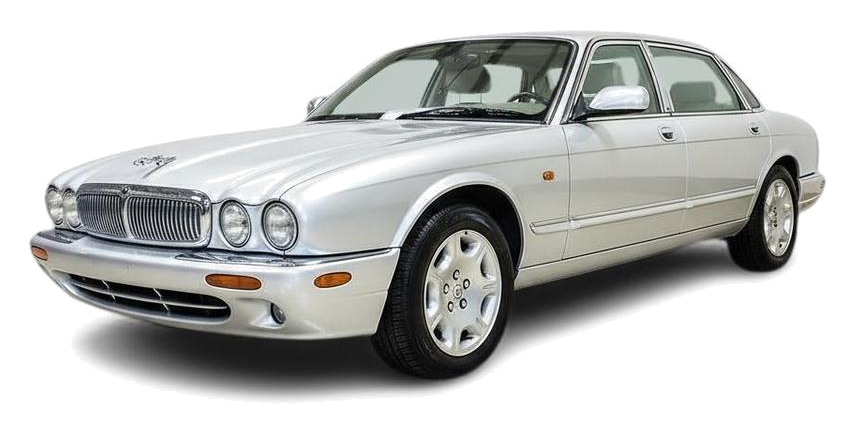
The 2003 Jaguar XJR is a premium sports sedan built by Jaguar. Part of the XJ (X308) generation, it was produced from 1997 to 2003. The XJR variant specifically denotes the supercharged performance model. It stands out for its potent supercharged V8 engine, luxurious interior, and elegant British styling, offering a compelling blend of sportiness and refinement that appealed to discerning buyers seeking a prestigious and powerful luxury car.
The Good

The 2003 XJR boasts exhilarating supercharged performance, a sumptuously comfortable and stylish interior, and distinctive, timeless design. Emotionally, it offers the prestige and driving pleasure of a Jaguar, while practically, it provides a surprisingly solid value proposition for a luxury performance sedan.

The Bad

Potential owners should be aware of common electrical gremlins, particularly with the CAN bus system and sensors. Transmission issues can arise, and cooling system components may require attention. Rust can be a concern on older models, especially in certain climates, necessitating thorough inspection.

2003 Jaguar XJR: Quick Overview

  • Engine Options: The 2003 Jaguar XJR exclusively featured a 4.0-liter supercharged V8 engine.
  • Horsepower: This potent engine produced approximately 370 horsepower.
  • Torque: It generated around 387 lb-ft of torque.
  • Transmission: A 5-speed automatic transmission was standard.
  • Fuel Economy: Expect EPA estimates around 14 MPG city and 19 MPG highway. Real-world mileage may vary significantly based on driving style and conditions.
  • 0-60 Times: Acceleration from 0 to 60 mph was typically in the mid to high 5-second range, showcasing its strong performance capabilities.
  • Towing Capacity: Towing capacity is not a primary feature of the XJR, as it is designed as a luxury sports sedan, not a utility vehicle. Official towing figures are generally not provided or applicable.
  • Trim-Level Features (XJR): The XJR trim was the pinnacle of the XJ line for this model year, coming loaded with features that included:
    • Full leather interior with premium wood trim.
    • Heated and power-adjustable front and rear seats.
    • Premium audio system (often Alpine or Harman Kardon).
    • Xenon headlights.
    • Sport-tuned suspension with adaptive damping.
    • Larger alloy wheels (typically 18-inch).
    • Sportier exterior styling cues, including a mesh grille and rear spoiler.
    • Sunroof.
    • Automatic climate control.
    • Cruise control.
    • Memory settings for driver's seat, mirrors, and steering wheel.
    • Traction control and stability control systems.
    These features contributed to its reputation as a luxurious and performance-oriented grand tourer.

2003 Jaguar XJR Specifications

Vehicle Information
Year 2003
Make Jaguar
Model XJR
Trim -
Style -
Type Sedan
Category Compact Car
Manufacturing Details
Made In United Kingdom
Manufacturing City -
Dimensions
Doors -
Curb Weight -
Gross Vehicle Weight Rating -
Overall Height -
Overall Length -
Overall Width -
Wheelbase Length -
Standard Seating -
Engine & Performance
Engine 4.2L V8
Engine Size 4.2L
Engine Cylinders 8
Transmission -
Transmission Type -
Transmission Speeds -
Drivetrain Rear-Wheel Drive
Additional Features
Anti-Brake System -
Steering Type -
Pricing
Manufacturer Suggested Retail Price (MSRP) -
Invoice Price -
Delivery Charges -

Vehicle History Report

Vehicle
Specifications
Ownership
History
All History
Events
NMVTIS Title
History Check
Salvage/Rebuilt
Check
Accident
Check
Theft
Check
Open Lien
Check
Past Sale
Listings
Safety
Recalls
Odometer
Check
Market Price
Analysis

What Problems Does the 2003 Jaguar XJR Have?

The 2003 Jaguar XJR, while a magnificent machine, is not without its potential long-term reliability concerns. Electrical issues are frequently reported, often stemming from degraded wiring harnesses, faulty sensors, or problems with the CAN bus communication system. This can manifest in various ways, from malfunctioning dashboard lights and infotainment systems to issues with engine management. Another area to watch is the automatic transmission, which can sometimes develop issues, especially if not properly maintained. Cooling system components, including the radiator, water pump, and hoses, are also known to be potential failure points over time due to age and heat cycles. While Jaguar is not known for extensive recalls on this particular model year, specific technical service bulletins (TSBs) might exist for common issues that owners should be aware of. The supercharger, while a source of its impressive power, requires proper maintenance and can become a costly repair if it fails. Rust can be a concern, particularly in areas exposed to salt and moisture, affecting the subframes and body panels. Given the age of the vehicle, many components, including suspension bushings, exhaust systems, and fuel pumps, will eventually require replacement. It is crucial for prospective buyers to have a thorough pre-purchase inspection by a mechanic familiar with Jaguars to identify any existing or impending issues. Long-term reliability heavily depends on consistent and diligent maintenance throughout its life. Early intervention on minor problems can prevent them from escalating into more significant and expensive repairs.

How long will the 2003 Jaguar XJR last?

Based on owner data and typical maintenance habits, a well-maintained 2003 Jaguar XJR can reasonably expect to reach 150,000 to 200,000 miles or more. However, this is heavily contingent on consistent, proactive maintenance and addressing issues promptly. The long-term durability of the core V8 engine and supercharger is generally good, but they are complex systems. Weaknesses that tend to emerge over time include electrical components, cooling system parts, and potential rust accumulation on structural elements, especially if exposed to harsh climates. Regular fluid changes, timely replacement of wear items, and addressing minor electrical glitches before they cascade are key to extending its service life and enjoying its luxury and performance for many years.

What Technology & Safety Features are Included?

The 2003 Jaguar XJR offered a blend of luxury and technological amenities for its era, though it predates many modern advanced driver-assistance systems. Standard tech included an AM/FM stereo with a CD player, often from premium brands like Alpine or Harman Kardon, providing a rich audio experience. Power-adjustable seats with memory settings for the driver, dual-zone automatic climate control, and cruise control were standard. The infotainment system featured a central display for climate control and radio functions, with navigation being an optional upgrade for some models.
In terms of safety, the XJR came equipped with anti-lock brakes (ABS), traction control, and stability control as standard, crucial for managing its potent supercharged V8. Front and side airbags for the front occupants were also standard. While comprehensive crash-test data from organizations like the NHTSA or IIHS for this specific 2003 model year might be limited or not directly comparable to modern standards, Jaguar vehicles of this era were generally designed with occupant safety in mind. Optional features could have included a premium sound system upgrade, a power sunroof, and the aforementioned navigation system. It's important to note that advanced driver-assistance features such as lane departure warning, adaptive cruise control, or blind-spot monitoring were not available on this model. The technology present focused on comfort, convenience, and fundamental safety rather than the sophisticated electronic aids common in today's vehicles.

What Colors Options are Available?

We’re working on this section!
In the meantime, feel free to explore the other sections for more content.

2003 Jaguar XJR Prices and Market Value

When new, the 2003 Jaguar XJR commanded a premium price, typically retailing in the range of $65,000 to $70,000 USD, reflecting its status as a high-performance luxury sedan. Like most luxury vehicles, the XJR experienced significant depreciation in its initial years. Currently, on the used market, prices for a 2003 XJR vary widely, generally ranging from $4,000 to $12,000, heavily influenced by mileage, overall condition, maintenance history, and trim level. Factors significantly affecting resale value include the presence of comprehensive service records, the absence of major mechanical or electrical issues, a clean body with minimal rust, and the overall presentation. Well-preserved examples with low mileage can command higher prices, appealing to enthusiasts looking for a classic performance Jaguar.

2003 Jaguar XJR Cost of Ownership

Owning a 2003 Jaguar XJR is generally considered costly rather than economical. Insurance premiums can be higher due to its performance and luxury status. Fuel costs will be substantial, with the supercharged V8 consuming premium gasoline readily. Maintenance requires specialized knowledge and parts, which are often more expensive than for mainstream vehicles. Repairs, especially for electrical gremlins or complex mechanical issues, can be very costly. While the initial used purchase price might seem attractive, the ongoing expenses for fuel, maintenance, and potential repairs make this a vehicle for those who appreciate its charm and are prepared for the financial commitment.

2003 Jaguar XJR Fuel Efficiency

Fuel Type Gasoline
Fuel Capacity -
City Mileage -
Highway Mileage -

2003 Jaguar XJR Insurance

Insurance for a 2003 Jaguar XJR is moderately priced, reflecting its status as a Sedan with strong safety ratings and
reasonable repair costs.

How Does the 2003 Jaguar XJR Compare to Other Sedan?

The 2003 Jaguar XJR competed in a segment populated by formidable luxury performance sedans. Key rivals included the BMW 7 Series (e.g., 745i), Mercedes-Benz S-Class (e.g., S500), and the Audi A8 (e.g., 4.2 Quattro). In terms of performance, the XJR's supercharged V8 offered brute force and exhilarating acceleration that often outpaced its naturally aspirated German counterparts in its class, making it a standout for outright speed. Feature-wise, the XJR provided a luxurious and classically appointed interior with premium materials, though it might have lagged slightly behind the cutting-edge technology and driver-assistance systems found in the latest German offerings of the time. Reliability is where the XJR often faced its biggest challenge. While German rivals from BMW and Mercedes-Benz generally held a reputation for better long-term mechanical and electrical dependability, the Jaguar could be more prone to electrical issues and specific mechanical quirks. Price-wise, the XJR often offered a compelling value proposition on the used market compared to its German rivals, providing a significant amount of performance and luxury for the money.
Alternatives:
  • For similar performance and a more established reliability record: Consider the BMW 5 Series (E39) M5. While a class below the XJR in terms of outright luxury, it offered comparable or superior performance with a more robust reliability reputation and was still a driver's car.
  • For a more tech-forward and potentially more reliable luxury experience: Look at the Lexus LS 430. It sacrifices some outright sportiness for exceptional reliability, supreme comfort, and a sophisticated, though perhaps less characterful, driving experience.
  • For a different flavor of British luxury with a focus on comfort: The Jaguar XJ8 (non-supercharged) offers much of the same elegance and comfort but with less potent performance and potentially fewer maintenance headaches.

Final Verdict: Is the 2003 Jaguar XJR a Good Sedan?

The 2003 Jaguar XJR is ideal for the discerning enthusiast who prioritizes exhilarating performance, classic British luxury, and distinctive styling over absolute long-term mechanical predictability. It's a car for those who appreciate the theater of a supercharged V8 and the refined ambiance of a Jaguar interior. Buying one is a calculated risk; it is definitely worth buying for the right person, but almost exclusively as a used vehicle. Focus on well-maintained examples with comprehensive service history, ideally inspected by a Jaguar specialist. Avoid cars with a history of neglect or numerous unresolved electrical issues. It's a car that rewards passion and careful ownership, offering a unique blend of speed and elegance that is increasingly rare in today's automotive landscape.

2003 Jaguar XJR Owner Reviews

0.00
Consumer Rating, Based on 0 Consumer Reviews
Overall rating
Cancel
Thank You for Your Review!

We truly appreciate the time and effort you took to share your experience with us.

Uh oh!

Something went wrong, please try again later.

Author Image
Eugene S

Eugene is an automotive enthusiast with over 15 years of experience in the used car market. As a writer at VINCheck.info, he brings deep industry insight and a passion for cars, helping readers make smart, informed decisions. Eugene has written hundreds of used car reviews and is known for breaking down complex automotive topics into clear, actionable advice. Over the years, he has driven and worked on a wide range of vehicles—starting with tuning street cars in his early days and eventually focusing on performance upgrades and reliability improvements. Today, he specializes in evaluating used vehicles through the lens of real-world ownership and enthusiast needs. A longtime fan of Porsche, Eugene especially appreciates vehicles that blend durability with driving enjoyment.