
The Good
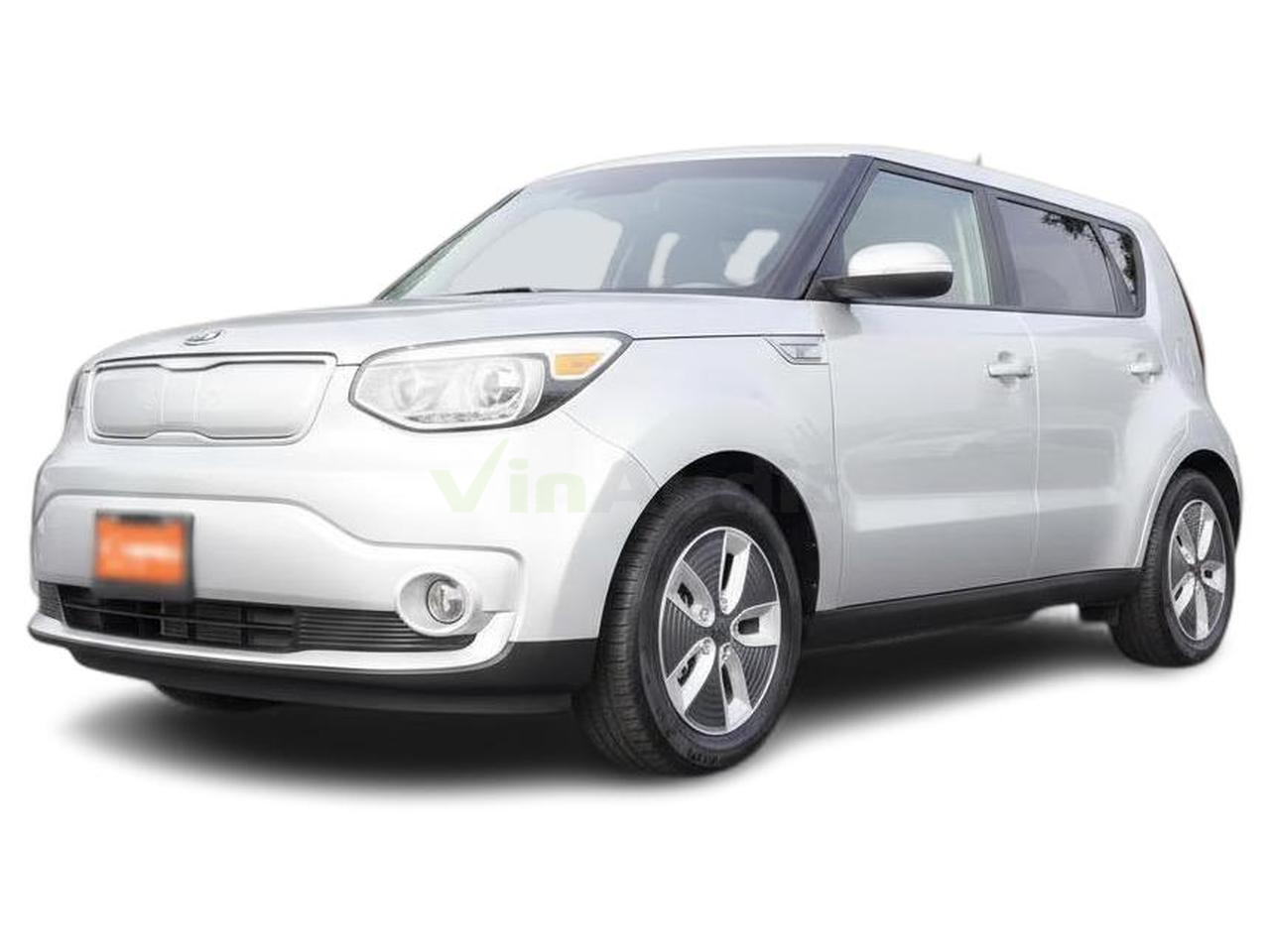
The 2017 Soul EV boasts a quiet and zippy electric drivetrain, impressive cargo space for its size, and a comfortable ride. Its iconic, customizable design appeals to individualists, while its low running costs and strong value proposition satisfy the practical buyer. It offers a unique blend of personality and practicality.
The Bad
Key weaknesses to watch out for include its limited all-electric range compared to newer EVs, slower charging times, and a less refined interior compared to some competitors. Potential buyers should also be aware of battery degradation over time.
2017 KIA Soul EV: Quick Overview
- Engine Options: 1x Electric Motor
- Horsepower: 109 hp
- Torque: 210 lb-ft
- Fuel Economy (EPA Estimated): 120 MPGe city / 92 MPGe highway (estimated, actual may vary)
- Battery Capacity: 30 kWh
- Electric Range (EPA Estimated): Approximately 93 miles (estimated, actual may vary)
- 0-60 mph: Approximately 10.5 - 11.0 seconds (estimated)
- Towing Capacity: Not applicable
- Transmission: Single-speed automatic
- Drive Type: Front-wheel drive
- Trim Level Features (Standard on all models for 2017):
- 16-inch alloy wheels
- Automatic climate control
- Keyless entry and ignition
- Heated front seats
- Leather-wrapped steering wheel
- Bluetooth connectivity
- Backup camera
- Navigation system
- SiriusXM Satellite Radio
- UVO eServices infotainment system with a 5-inch touchscreen
- Power windows and locks
- Tilt and telescoping steering column
- LED headlights and taillights
- Front fog lights
- Heated exterior mirrors
- Voice command system
- Cruise control
- Hill-start Assist Control
- Regenerative braking
- Electric parking brake
- Optional features might have been available at the time of purchase, but the 2017 model was largely a single, comprehensive trim.
2017 KIA Soul EV Specifications
Vehicle Information
| Year | 2017 |
| Make | Kia |
| Model | Soul EV |
| Trim | - |
| Style | 5-Door |
| Type | Wagon |
| Category | Small Station Wagon |
Manufacturing Details
| Made In | South Korea |
| Manufacturing City | GWANG-JU |
Dimensions
| Doors | 5-Door |
| Curb Weight | - |
| Gross Vehicle Weight Rating | - |
| Overall Height | 160.02 cm |
| Overall Length | 414.02 cm |
| Overall Width | 180.09 cm |
| Wheelbase Length | 257.05 cm |
| Standard Seating | 5 |
Engine & Performance
| Engine | Electric |
| Engine Size | - |
| Engine Cylinders | - |
| Transmission | Automatic |
| Transmission Type | Automatic |
| Transmission Speeds | 1-Speed |
| Drivetrain | Front-Wheel Drive |
Additional Features
| Anti-Brake System | 4-Wheel ABS |
| Steering Type | Rack & Pinion |
Pricing
| Manufacturer Suggested Retail Price (MSRP) | $33,950 USD |
| Invoice Price | $31,727 USD |
| Delivery Charges | $895 USD |
Vehicle History Report
Specifications
History
Events
History Check
Check
Check
Check
Check
Listings
Recalls
Check
Analysis
What Problems Does the 2017 KIA Soul EV Have?
Some owners have reported issues with the onboard charger, leading to slower-than-expected charging times or occasional charging failures. This can be a frustrating issue for EV owners, especially for those who rely on consistent charging. Another less common, but still reported, issue pertains to the infotainment system, with occasional glitches or unresponsiveness noted.
Recalls for the 2017 Soul EV have been relatively few, but it's always crucial to check for any outstanding recalls with the VIN. Specific to model years, the earlier iterations of the Soul EV might have had more teething problems as manufacturers refined the technology. However, the 2017 model is generally seen as a more mature version of the first generation.
Long-term reliability is largely dependent on proper maintenance and how the vehicle has been treated. Regular software updates and ensuring the battery is not consistently overcharged or exposed to extreme temperatures can help prolong its life. While the Soul EV is not typically associated with major mechanical failures, the potential for battery degradation and slower charging are the primary long-term reliability considerations to keep in mind.
How long will the 2017 KIA Soul EV last?
What Technology & Safety Features are Included?
For entertainment, the system supported AM/FM radio and SiriusXM Satellite Radio. Navigation was standard on the 2017 model, providing essential guidance for drivers. Voice command functionality enhanced usability, allowing drivers to control certain features without taking their hands off the wheel.
In terms of driver-assistance features, the 2017 Soul EV was relatively basic by today's standards. It included cruise control and Hill-start Assist Control. It did not offer advanced features like adaptive cruise control, lane keeping assist, or blind-spot monitoring as standard or widely available options.
Safety features were robust for the time. Standard safety equipment included multiple airbags (front, side, and curtain), anti-lock brakes (ABS), electronic stability control (ESC), and traction control.
Crash-test ratings for the 2017 KIA Soul EV, based on the non-electric Soul, were generally good. The National Highway Traffic Safety Administration (NHTSA) awarded the 2017 KIA Soul a 4-star overall safety rating. The Insurance Institute for Highway Safety (IIHS) gave it a "Good" rating in most crashworthiness tests, earning it a Top Safety Pick designation in certain configurations. These ratings indicate a solid safety structure, providing a degree of security for occupants. The emphasis for the Soul EV was on practical tech and core safety, rather than a comprehensive suite of advanced driver aids.
What Colors Options are Available?
2017 KIA Soul EV Prices and Market Value
Currently, the used market prices for a 2017 KIA Soul EV can range widely, generally from $8,000 to $15,000, depending heavily on mileage, battery health, overall condition, and geographical location.
Depreciation has been quite significant for the Soul EV, common for electric vehicles from this era, especially as battery technology has advanced and newer models offer longer ranges and faster charging. Factors affecting resale value include the remaining battery life (a crucial metric for EV buyers), the number of previous owners, any reported maintenance issues, and the current demand for used EVs in the local market. Models with lower mileage and documented battery health will command higher prices.
2017 KIA Soul EV Cost of Ownership
However, the major potential long-term cost is battery replacement, which can be substantial if needed outside of warranty. Repairs for specialized EV components can also be more costly than for traditional vehicles. Despite this, overall, the lower running costs in fuel and routine maintenance make the Soul EV an economical choice for daily driving, provided the battery remains in good health.
2017 KIA Soul EV Fuel Efficiency
2017 KIA Soul EV Safety Rating
NHTSA
2017 KIA Soul EV Recalls & Defects
AIR Bags
Electrical System:propulsion System:traction Battery
Power Train:automatic Transmission:gear Position Indication (Prndl)
Electrical System:software
2017 KIA Soul EV Warranty
Basic
Powertrain
Rust
2017 KIA Soul EV Insurance
reasonable repair costs.
How Does the 2017 KIA Soul EV Compare to Other Wagon?
Performance: The Soul EV's 109 hp electric motor provided peppy city acceleration, comparable to the 2017 Nissan Leaf's performance. However, its approximately 93-mile range was significantly less than the 2017 Chevrolet Bolt EV's 238 miles. The Bolt also offered quicker charging capabilities.
Features: For its price point, the 2017 Soul EV was well-equipped with standard navigation and heated seats. The Nissan Leaf offered a similar feature set, often at a slightly lower price. The Chevrolet Bolt EV, being a newer design, often came with more advanced tech and driver-assistance features, though it was typically priced higher.
Reliability: The Soul EV generally offered decent reliability for its age, though battery degradation is a concern, as with most EVs from that era. The Nissan Leaf also had some early-model battery issues reported. The Chevrolet Bolt EV has faced more significant recalls related to battery fires, though these were addressed.
Price: The 2017 Soul EV offered a strong value proposition, especially after incentives, making it an attractive option for budget-conscious EV buyers. The 2017 Leaf was often a direct competitor in terms of price and features. The 2017 Bolt EV was at the higher end of the price spectrum for this class.
Alternatives:
- 2017 Chevrolet Bolt EV: If range is a priority and budget allows, the Bolt EV is a superior alternative with more than double the range and advanced features.
- 2017 Nissan Leaf: A very similar option in terms of price, features, and range. It's worth comparing specific trims and battery health for both.
- Used Plug-in Hybrids (e.g., Toyota Prius Prime): If all-electric range is not a strict requirement, a used plug-in hybrid offers flexibility with a gasoline engine for longer trips, potentially with lower upfront costs.
Final Verdict: Is the 2017 KIA Soul EV a Good Wagon?
It is certainly worth buying, but primarily on the used market, as new models are no longer produced. Buyers should focus on models with well-documented battery health and lower mileage. It is not ideal for those needing to frequently travel long distances or requiring extensive charging infrastructure on their routes due to its limited range.
When considering a purchase, scrutinize the battery's state of health and any available service records. It offers excellent value for its segment if your driving needs align with its capabilities, providing a fun and economical way to go electric.

Simon A
Simon is a contributor to VinCheck, where he provides articles and reviews on various automotive topics. His work focuses on delivering accurate and up-to-date information about used cars, helping readers make informed decisions.