
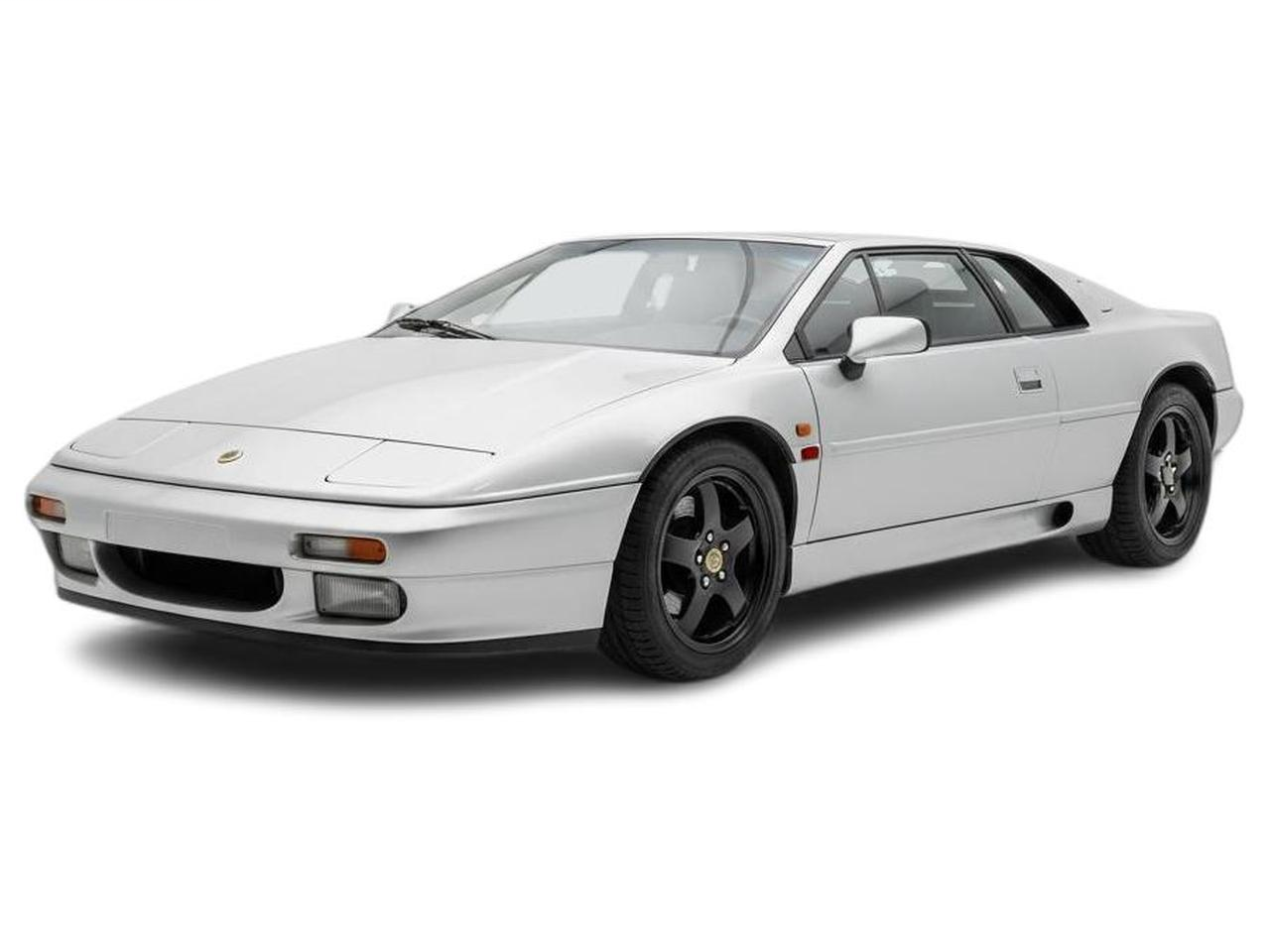
The Good
The 1990 Esprit offers exhilarating turbocharged performance and a striking, timeless design that appeals to the heart. Its lightweight chassis provides sharp handling. For the practical buyer, its relatively compact size and unique character offer a different kind of value than more mainstream sports cars.
The Bad
Potential buyers should be wary of electrical gremlins, aging cooling systems, and the potential for rust in the galvanized chassis, especially if poorly maintained. The clutch can be heavy, and interior plastics might show wear. Sourcing specialized parts can also be a challenge.
1990 Lotus Esprit: Quick Overview
- Engine Options: The primary engine for the 1990 Lotus Esprit was a turbocharged 2.2-liter inline-4. This engine was part of the Lotus Type 910 family.
- Horsepower: For the 1990 model year, typically in the Esprit SE trim, horsepower figures were around 264 hp (197 kW). Earlier Turbo models might have produced slightly less, in the region of 215 hp.
- Fuel Economy: As with most high-performance sports cars of its era, fuel economy was not a primary design consideration. Expect figures in the range of 15-18 MPG city and 20-24 MPG highway, though this can vary significantly with driving style.
- 0-60 Times: With its turbocharged engine and lightweight construction, the 1990 Esprit SE could achieve 0-60 mph in approximately 4.7 to 5.0 seconds. Earlier Turbo models would be slightly slower, closer to 5.5 seconds.
- Towing Capacity: The Lotus Esprit is a pure sports car and is not designed or equipped for towing. Towing capacity is not applicable.
- Trim-Level Features: The 1990 model year primarily saw the Esprit SE as the top-tier offering. Key features often included:
- Lotus Type 910 turbocharged 2.2L inline-4 engine
- Delco ABS system
- Lotus-tuned suspension
- Full leather interior
- Air conditioning
- Power windows and mirrors
- Alpine stereo system
- Five-speed manual transaxle (Renault UN1 gearbox)
- Distinctive aerodynamic body kit
- Alloy wheels
- Central locking
- Alarm system
- Optional sunroof or removable glass roof panel (depending on specific package)
1990 Lotus Esprit Specifications
Vehicle Information
| Year | 1990 |
| Make | Lotus |
| Model | Esprit |
| Trim | - |
| Style | - |
| Type | Coupe |
| Category | Compact Car |
Manufacturing Details
| Made In | United Kingdom |
| Manufacturing City | HETHEL |
Dimensions
| Doors | 2-Door |
| Curb Weight | - |
| Gross Vehicle Weight Rating | - |
| Overall Height | - |
| Overall Length | - |
| Overall Width | - |
| Wheelbase Length | - |
| Standard Seating | - |
Engine & Performance
| Engine | 2.2L I4 |
| Engine Size | 2.2L |
| Engine Cylinders | 4 |
| Transmission | Manual |
| Transmission Type | Manual |
| Transmission Speeds | - |
| Drivetrain | Rear-Wheel Drive |
Additional Features
| Anti-Brake System | - |
| Steering Type | - |
Pricing
| Manufacturer Suggested Retail Price (MSRP) | - |
| Invoice Price | - |
| Delivery Charges | - |
Vehicle History Report
Specifications
History
Events
History Check
Check
Check
Check
Check
Listings
Recalls
Check
Analysis
What Problems Does the 1990 Lotus Esprit Have?
Another area of concern is the cooling system. The mid-engine layout and the performance-oriented nature of the Esprit mean the cooling system is under significant strain. Overheating can lead to more serious engine problems. Regular maintenance and flushing of the cooling system are crucial, and owners should be vigilant for any signs of leaks or declining performance.
The fiberglass body, while aesthetically pleasing and contributing to its light weight, can develop stress cracks over time, particularly around stress points like panel edges or mounting points. Also, the galvanized chassis, while offering protection against rust, can still be susceptible in areas where the galvanization has worn away or if the car has been exposed to harsh environments and lacked proper underbody protection. Rust, if present, can be a significant and costly issue to repair.
The turbocharger system, while a source of its impressive performance, requires diligent maintenance. Issues can arise with the turbo itself, wastegates, and associated plumbing, especially if the car has been driven hard without proper warm-up and cool-down periods. The gearbox, often a Renault unit, can also be a point of concern, with clutch wear and occasional shifting issues reported.
Regarding recalls, specific recalls for the 1990 model year are not as widely documented as they might be for mass-produced vehicles. However, Lotus has historically issued recalls for various components on different Esprit generations, which could potentially affect cars of this vintage. Owners should always check with a reputable Lotus specialist or the manufacturer for any outstanding recall information relevant to their specific vehicle.
Long-term reliability heavily depends on the quality of maintenance and care the car has received. Esprits from this era often require specialized knowledge and parts. Cars that have been regularly serviced by experienced Lotus technicians and driven with care tend to be more reliable than those that have been neglected or poorly maintained. The complexity of the turbocharged engine and the exotic nature of the car mean that repairs can be more expensive and time-consuming than for a typical vehicle.
How long will the 1990 Lotus Esprit last?
What Technology & Safety Features are Included?
Driver-assistance features were nascent in 1990, and the Esprit was no exception. The most significant piece of advanced technology was its anti-lock braking system (ABS), usually a Delco unit, which was a notable safety enhancement for a car of this performance caliber. Lotus's renowned suspension tuning itself can be considered a form of dynamic driver assistance, providing exceptional grip and control.
Safety features were primarily passive, focusing on the integrity of the structure and occupant protection within the cabin. The fiberglass body over a steel chassis offered a degree of protection, though specific crash structure design details were not as extensively documented or tested publicly as they are today. Seatbelts were, of course, standard. Airbags were not a common feature on high-performance European sports cars in 1990 and were likely not standard on the Esprit; they were more of a niche option or absent entirely.
Optional features on the 1990 Esprit could have included things like a glass sunroof, upgraded stereo systems, or specific interior trim packages. However, the core appeal of the Esprit was its unadulterated driving experience and exotic styling, rather than a vast array of electronic gadgets or advanced safety systems.
Regarding crash-test ratings, it is important to note that official, standardized crash-test data from agencies like the NHTSA or Euro NCAP for low-volume exotic sports cars from the early 1990s is extremely rare, if it exists at all. These vehicles were produced in much smaller numbers, and independent testing was less common. The Esprit's safety was more inherent to its construction and engineering philosophy than to documented, published crash-test results. Buyers at the time relied on the brand's reputation for build quality and handling as primary safety attributes.
What Colors Options are Available?
1990 Lotus Esprit Prices and Market Value
1990 Lotus Esprit Cost of Ownership
1990 Lotus Esprit Fuel Efficiency
1990 Lotus Esprit Warranty
Basic
Powertrain
Rust
1990 Lotus Esprit Insurance
reasonable repair costs.
How Does the 1990 Lotus Esprit Compare to Other Coupe?
In terms of performance, the Esprit SE, with its 264 hp turbocharged four-cylinder, offered brisk acceleration, often matching or beating the 911 of the era in straight-line sprints, especially considering its lighter weight. The Ferrari 348, with its V8, offered a more sonorous engine note and higher top speed, but often lagged in initial acceleration. The Corvette ZR-1 boasted significantly more horsepower, making it a performance king in this group.
Features were where the Esprit often showed its age. While it had ABS and a decent stereo for its time, the Ferrari 348 and Porsche 911 offered more luxurious interiors and a wider array of creature comforts, reflecting their more established luxury brand status. The Japanese rivals, particularly the 300ZX, were often lauded for their technological sophistication and abundance of features at a lower price point.
Reliability is a complex comparison. The Porsche 911 has a long-standing reputation for robust engineering, though expensive to maintain. The Ferrari 348, while exotic, had a reputation for being less reliable and more finicky than its predecessors. The Esprit, particularly in the early 90s, was better than some previous generations but still required specialized care; electrical gremlins were more common than in a 911. The Corvette and 300ZX generally offered better day-to-day reliability and lower maintenance costs.
In terms of price, the 1990 Esprit was competitively positioned between the more accessible Corvette/300ZX and the significantly more expensive Ferrari. The Porsche 911 was often priced in a similar bracket.
Recommendations: If outright performance and a more exotic, Italian V8 experience are paramount and budget is less of a concern, the Ferrari 348 is a direct, albeit more temperamental, competitor. For more robust engineering, legendary handling, and a more established track record of long-term reliability, the Porsche 911 (964) is a strong alternative, though often less visually dramatic. If cutting-edge technology and daily usability at a lower cost are priorities, the Nissan 300ZX Twin Turbo offers incredible performance and features for its price. The Lotus Esprit remains a unique proposition for those who prioritize its distinct styling, lightweight, and pure driving experience over absolute reliability or creature comforts compared to its rivals.
Final Verdict: Is the 1990 Lotus Esprit a Good Coupe?
This vehicle is best purchased as a used car, as new examples are unobtainable. The SE trim is generally the most desirable from this era due to its enhanced performance and features. Conditions for purchase should include thorough pre-purchase inspection by a Lotus expert, a review of comprehensive service history, and a realistic understanding of potential future repair costs. It is a car for passionate owners, not casual commuters.

Jovan
Jovan specializes in interpreting vehicle records and making sense of VIN data. With over 10 years of experience in the automotive data industry, his work ensures that every report is clear, accurate, and useful for car buyers.