
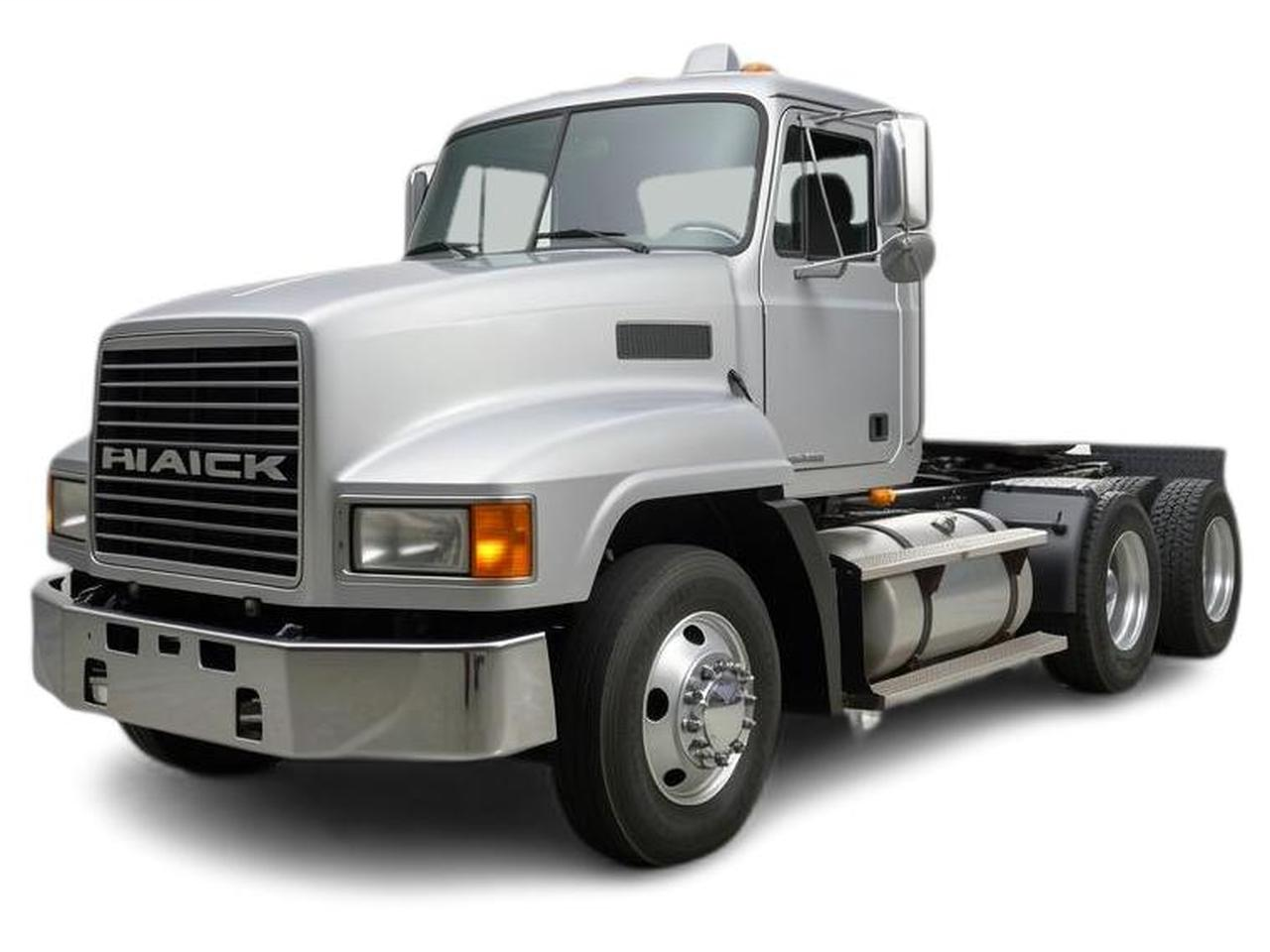
The 2000 Mack CH613 is a Class 8 conventional truck, renowned for its robust construction and iconic bulldog hood ornament. Primarily produced as a tractor unit, it served the heavy-duty hauling industry. While specific trims were less emphasized than configurations, its popularity stemmed from its legendary durability and driver-focused ergonomics. Pricing for a new 2000 model would have been in the high six-figure range, with used models varying significantly based on condition and mileage.
The Good
The 2000 Mack CH613 excels in rugged performance and exceptional reliability, built to withstand demanding work. Its commanding design and iconic bulldog emblem evoke pride, while its driver-centric cabin offers surprising comfort for long hauls, appealing to both the practical need for a durable workhorse and the emotional desire for a respected, powerful machine.
The Bad
When considering a 2000 Mack CH613, watch out for potential rust issues, especially on the frame and cab corners, given its age and exposure to the elements. Electrical gremlins, though not uncommon for trucks of this era, can surface. Maintenance history is paramount; neglected servicing can lead to significant powertrain issues.
2000 Mack CH613: Quick Overview
- Engine Options: The 2000 Mack CH613 was offered with a range of powerful diesel engines, primarily from Mack's own E7 series and Cummins ISX/M11 series. The Mack E7 was a common choice, known for its robust design.
- Horsepower: Engine output typically ranged from around 350 horsepower to over 500 horsepower, depending on the specific engine model and tune. Higher horsepower variants were available for specialized heavy-duty applications.
- Fuel Economy: Fuel economy in trucks of this class and era is highly variable and dependent on load, terrain, driving style, and specific engine configuration. A general estimate for highway driving might be in the range of 5-7 miles per gallon.
- 0-60 Times: For a heavy-duty Class 8 truck, 0-60 mph times are not a primary performance metric and are often not officially published. Under load, acceleration is gradual, prioritizing torque and pulling power over speed.
- Towing Capacity: The towing capacity is virtually unlimited for this class of truck, designed to handle heavy-duty commercial hauling. Configurations typically allowed for Gross Combination Weight Ratings (GCWR) well into the 80,000+ pound range, and often much higher for specialized applications like heavy haulage.
- Trim-Level Features: The CH613 was more about configuration than traditional trim levels. Key features were dictated by the customer's specific needs. However, common features could include:
- Various sleeper cab configurations (e.g., 40-inch, 60-inch, 72-inch) offering living space for drivers.
- Air-ride suspension for improved ride comfort.
- Advanced braking systems, including ABS.
- Power steering and tilt/telescope steering columns.
- Comfortable seating with air-ride options.
- Optional amenities like refrigerators, auxiliary heaters, and premium sound systems.
- A variety of axle and drivetrain configurations to suit specific hauling requirements (e.g., tandem rear axles, various gear ratios).
- Durable interior materials designed for longevity in a commercial environment.
- Robust HVAC systems.
- Large fuel tanks for extended range.
2000 Mack CH613 Specifications
Vehicle Information
| Year | 2000 |
| Make | Mack |
| Model | CH613 |
| Trim | - |
| Style | - |
| Type | Truck |
| Category | Heavy Truck |
Manufacturing Details
| Made In | United States |
| Manufacturing City | WINNSBORO |
Dimensions
| Doors | - |
| Curb Weight | - |
| Gross Vehicle Weight Rating | 330001 pounds |
| Overall Height | - |
| Overall Length | - |
| Overall Width | - |
| Wheelbase Length | - |
| Standard Seating | - |
Engine & Performance
| Engine | 12L I6 |
| Engine Size | 12L |
| Engine Cylinders | 6 |
| Transmission | - |
| Transmission Type | - |
| Transmission Speeds | - |
| Drivetrain | - |
Additional Features
| Anti-Brake System | - |
| Steering Type | - |
Pricing
| Manufacturer Suggested Retail Price (MSRP) | - |
| Invoice Price | - |
| Delivery Charges | - |
Vehicle History Report
Vehicle
Specifications
Specifications
Ownership
History
History
All History
Events
Events
NMVTIS Title
History Check
History Check
Salvage/Rebuilt
Check
Check
Accident
Check
Check
Theft
Check
Check
Open Lien
Check
Check
Past Sale
Listings
Listings
Safety
Recalls
Recalls
Odometer
Check
Check
Market Price
Analysis
Analysis
What Problems Does the 2000 Mack CH613 Have?
The 2000 Mack CH613, like many heavy-duty trucks from its era, is known for its overall robust nature but also has common areas that owners and mechanics frequently address. One of the most commonly reported issues relates to electrical systems. Wiring harnesses can degrade over time, leading to intermittent faults, dash warning lights, or issues with lighting and engine controls. Specific sensors can also fail, requiring diagnosis and replacement. Rust and corrosion are significant concerns, particularly in regions with harsh weather or where road salt is used extensively. The frame rails, cab corners, and wheel wells are prime areas to inspect for rust. If left unaddressed, this can compromise structural integrity. Engine-related issues, while generally durable, can arise with high mileage. Problems with the EGR (Exhaust Gas Recirculation) system, particularly on later models or those equipped with specific emissions controls, can lead to reduced power and increased soot. Fuel injectors and water pumps can also be wear items that require eventual replacement. Transmission issues, especially with manual transmissions, might include clutch wear or synchro problems if the truck has seen heavy use or aggressive shifting. Automatic transmissions, though less common in heavy haulage than manuals, can also develop leaks or internal wear. Suspension components, such as bushings, shock absorbers, and air springs, will naturally wear out over time and require periodic maintenance or replacement to maintain ride quality and handling. While there aren't specific widespread recalls uniquely tied to the 2000 model year that stand out broadly, owners should always consult official VIN lookup tools for any outstanding safety recalls. Long-term reliability heavily hinges on consistent, high-quality maintenance. A well-maintained CH613 can achieve hundreds of thousands, if not over a million, miles. However, neglected maintenance can rapidly escalate into costly repairs, impacting the truck's overall lifespan and dependability. Model year specific issues are less common for a truck like this than for passenger cars; instead, problems tend to be more related to the cumulative wear and tear of heavy-duty service and the age of the components.
How long will the 2000 Mack CH613 last?
Estimating average mileage for a 2000 Mack CH613 is challenging due to its commercial nature, but it's not uncommon for these trucks to log anywhere from 50,000 to over 100,000 miles per year. With diligent maintenance, many CH613s are still in service after 15-20 years, accumulating well over a million miles. Their long-term durability is legendary, a testament to their robust build. However, weaknesses emerge with time and mileage. Powertrain components, while strong, will eventually require rebuilding or replacement. Electrical systems can become more prone to gremlins. Corrosion, particularly in regions with harsh winters, can become a structural concern if not managed. The chassis and suspension components are built to last but will eventually wear. Ultimately, the truck's longevity is directly proportional to the owner's commitment to preventative maintenance and timely repairs.
What Technology & Safety Features are Included?
The 2000 Mack CH613, being a commercial vehicle from that era, prioritizes functionality and durability over advanced technology. Built-in tech was relatively basic, focused on operational efficiency and driver comfort rather than entertainment or cutting-edge driver assistance. Standard features typically included a functional instrument cluster with essential gauges for engine monitoring, air pressure, and diagnostics. A basic AM/FM radio with a cassette player was common for entertainment, with CD players being an optional upgrade. Climate control, including air conditioning and heating, was standard but operated via physical knobs and sliders. Driver-assistance features were minimal by today's standards. Anti-lock Braking Systems (ABS) were becoming more common and likely available as an option or standard on certain configurations, significantly enhancing safety during braking. Advanced electronic stability control or lane-keeping assist systems were not present. Safety features were primarily mechanical: robust frame construction, heavy-duty braking systems, and durable cab structures designed to withstand significant impact. There were no standardized crash-test ratings like those for passenger vehicles; instead, commercial trucks were evaluated based on Federal Motor Vehicle Safety Standards (FMVSS) and industry durability tests. Optional features could include enhanced sleeper cabin amenities like auxiliary heaters, refrigerators, or premium sound systems, aimed at improving the driver's quality of life on long hauls. Communication systems like CB radios were also common aftermarket or dealer-installed options. The emphasis was on reliability and operational uptime, with technology serving that primary purpose rather than consumer-oriented convenience or advanced safety suites.
What Colors Options are Available?
2000 Mack CH613 Prices and Market Value
When new, a 2000 Mack CH613 would have represented a significant investment, typically ranging from $80,000 to over $150,000 depending on specifications, engine choices, and options. The used market for a 2000 Mack CH613 currently varies widely, with prices often falling between $15,000 and $50,000. However, exceptionally well-maintained or low-mileage examples could command higher figures, while those needing substantial work will be at the lower end. Depreciation is steep initially but then levels off for well-maintained trucks, as their durable construction allows for a long service life. Factors affecting resale value include mileage, overall condition (especially frame and engine health), maintenance records, tire condition, and the presence of desirable options like a spacious sleeper. Trucks from reputable fleets with clear service histories tend to hold value better.
2000 Mack CH613 Cost of Ownership
Owning a 2000 Mack CH613 involves substantial costs. Insurance premiums will be significant, reflecting the vehicle's commercial use and replacement value. Fuel is a major expense, with its V8 diesel engines consuming considerable amounts of diesel, averaging 5-7 MPG. Maintenance is ongoing and critical; regular oil changes, filter replacements, and chassis lubrication are essential. Repairs can be costly due to the specialized nature of heavy-duty components and potential labor rates. While the initial purchase price of a used CH613 might seem economical, its fuel consumption, maintenance, and repair demands make it a costly vehicle to own and operate, requiring a significant budget for ongoing expenses.
2000 Mack CH613 Fuel Efficiency
Fuel Type
Diesel
Fuel Capacity
-
City Mileage
-
Highway Mileage
-
2000 Mack CH613 Warranty
Basic
Original warranty
0 months / No data
Estimated remaining
Expired
Powertrain
Original warranty
0 months / No data
Estimated remaining
Expired
Rust
Original warranty
0 months / No data
Estimated remaining
Expired
2000 Mack CH613 Insurance
Insurance for a 2000 Mack CH613 is moderately priced, reflecting its status as a Truck with strong safety ratings and
reasonable repair costs.
How Does the 2000 Mack CH613 Compare to Other Truck?
The 2000 Mack CH613 operated in the highly competitive Class 8 heavy-duty truck market, facing strong rivals such as the Peterbilt 379, Kenworth W900, and Freightliner FLD120. In terms of performance, the CH613, equipped with robust Mack E7 or Cummins engines, offered comparable power and torque to its peers, excelling in heavy hauling. Features-wise, Macks of this era were often seen as slightly more utilitarian, focusing on a no-nonsense, driver-oriented cabin. While Peterbilt and Kenworth often led in perceived premium interior appointments and driver comfort amenities, the CH613 provided a solid, functional workspace. Reliability is where the Mack CH613 truly shined, often considered on par with, or even superior to, its rivals in terms of ruggedness and durability, particularly its E7 engine's reputation for longevity. However, electrical gremlins could occasionally be more prevalent than in some competitors. Price when new would have placed it competitively within the premium heavy-duty truck segment. In the current used market, the CH613 often represents excellent value due to its proven reliability, potentially offering a lower entry price point than comparable Peterbilt or Kenworth models of the same vintage, assuming similar condition and mileage. Similar alternatives that offer comparable durability include the aforementioned Peterbilt 379 and Kenworth W900, which are also known for their longevity and strong resale value. A Freightliner FLD120 would be another contemporary rival, often offering a slightly different balance of features and price. For those prioritizing absolute ruggedness and a straightforward mechanical design, the Mack CH613 remains a strong contender. If advanced technology or more refined interior amenities are paramount, exploring slightly newer models from any of these manufacturers might be beneficial, though likely at a higher cost.
Final Verdict: Is the 2000 Mack CH613 a Good Truck?

The 2000 Mack CH613 is ideal for owner-operators or small fleets prioritizing absolute durability, mechanical simplicity, and powerful performance in heavy-duty hauling. It is worth buying, but primarily in the used market, as new models are long gone and a new truck of this caliber would be prohibitively expensive. Its value lies in its legendary toughness and potentially lower acquisition cost compared to competitors. It's best suited for buyers with a solid understanding of heavy-duty truck mechanics or access to reliable, experienced technicians, as maintenance and potential repairs are significant considerations. Focus on trucks with detailed maintenance records, good frame condition (minimal rust), and a healthy powertrain. While specific "trims" were less defined, checking the engine history and transmission health is crucial. For those seeking a no-frills, workhorse truck that can endure decades of hard labor with proper care, the CH613 is an excellent choice.