
The Good
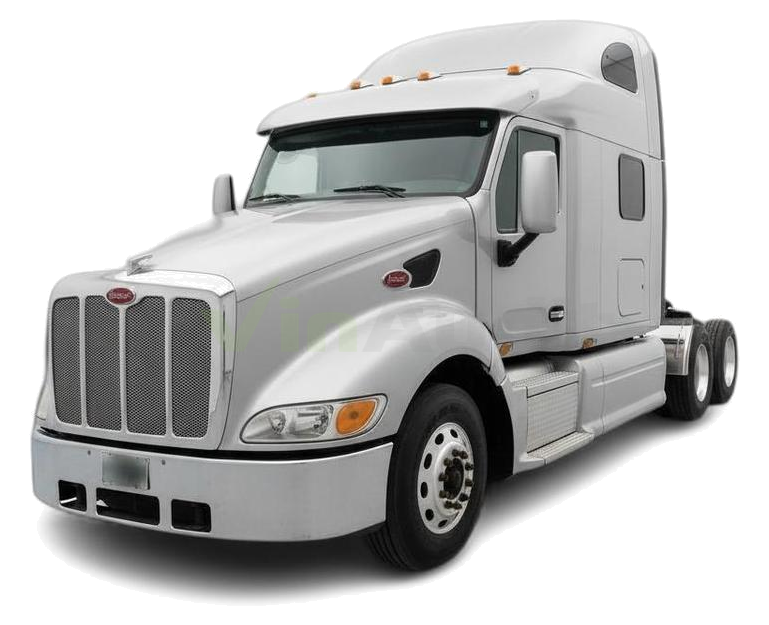
The 2006 Peterbilt 387 offers a winning combination of reliable performance from robust engine options and a comfortable, spacious interior, appealing to drivers who spend weeks on the road. Its aerodynamic design provides better fuel efficiency, a practical advantage, while its iconic styling and Peterbilt's reputation for quality offer an emotional appeal and strong resale value, making it a smart long-term investment.
The Bad
Potential weaknesses of the 2006 Peterbilt 387 include common issues with EGR and DPF systems due to the emission standards of its era, leading to complex and costly repairs. The interior plastics can show wear over time, and some electrical gremlins have been reported. Prospective buyers should thoroughly inspect the powertrain and emissions components.
2006 Peterbilt 387: Quick Overview
- Engine Options: The 2006 Peterbilt 387 typically came with a range of powerful diesel engines from leading manufacturers. Common choices included:
- Cummins ISX: A popular choice known for its strong performance and reliability, often seen in 15-liter configurations.
- Caterpillar C15: Another highly regarded engine, especially the "Acert" models, favored for its pulling power and durability.
- Detroit Diesel Series 60: Respected for its efficiency and widespread parts availability.
- Horsepower: Depending on the engine and its tuning, horsepower figures generally ranged from 370 hp on the lower end, often for vocational applications, up to 600 hp for heavy-haul or performance-oriented setups. The most common configurations for line-haul were in the 450-550 hp range, providing ample power for interstate cruising and climbing grades.
- Fuel Economy: Fuel economy for a Class 8 truck like the 387 varies significantly based on load, terrain, driver habits, and maintenance. Typically, owners could expect averages in the range of 6.0 to 7.5 miles per gallon (MPG). Some exceptionally well-maintained units with optimized drivetrains might achieve closer to 8 MPG under ideal conditions.
- 0-60 Times: For heavy-duty Class 8 trucks, 0-60 mph acceleration is not a standard performance metric and is rarely tested or published. These vehicles are designed for hauling heavy loads efficiently, not rapid acceleration. Their performance is measured by torque, pulling power, and gradeability.
- Towing Capacity (GCWR): The Peterbilt 387, like most Class 8 tractors, has a Gross Combination Weight Rating (GCWR) typically around 80,000 lbs for standard highway use. With appropriate permits and configurations, this could extend much higher for specialized heavy-haul applications. The actual towing capacity is determined by the truck's GCWR, which includes the weight of the truck, trailer, and cargo.
- Trim-Level Features: The 387 offered various sleeper configurations and interior amenities, catering to long-haul drivers. Features could include:
- Sleeper Sizes: Ranging from mid-roof to large stand-up sleepers (e.g., 63-inch or 70-inch), offering significant living space.
- Interior Comfort: Premium seating options (air-ride, high-back), extensive cabinetry, bunk beds, and provisions for refrigerators, microwaves, and televisions.
- Driver Convenience: Tilt/telescoping steering wheel, cruise control, power windows and mirrors, and often upgraded audio systems.
- Exterior Options: Various fairings, chrome packages, polished aluminum wheels, and custom lighting to enhance both aerodynamics and aesthetics.
2006 Peterbilt 387 Specifications
Vehicle Information
| Year | 2006 |
| Make | Peterbilt |
| Model | 387 |
| Trim | - |
| Style | - |
| Type | Truck |
| Category | Medium Truck |
Manufacturing Details
| Made In | United States |
| Manufacturing City | DENTON |
Dimensions
| Doors | - |
| Curb Weight | - |
| Gross Vehicle Weight Rating | - |
| Overall Height | - |
| Overall Length | - |
| Overall Width | - |
| Wheelbase Length | - |
| Standard Seating | - |
Engine & Performance
| Engine | 12L I6 |
| Engine Size | 14.6L |
| Engine Cylinders | 6 |
| Transmission | - |
| Transmission Type | - |
| Transmission Speeds | - |
| Drivetrain | 6x4 |
Additional Features
| Anti-Brake System | - |
| Steering Type | - |
Pricing
| Manufacturer Suggested Retail Price (MSRP) | - |
| Invoice Price | - |
| Delivery Charges | - |
Vehicle History Report
Specifications
History
Events
History Check
Check
Check
Check
Check
Listings
Recalls
Check
Analysis
What Problems Does the 2006 Peterbilt 387 Have?
Another common long-term reliability concern revolved around the Diesel Particulate Filter (DPF) system, which was becoming more common. DPFs require regular regeneration cycles to burn off trapped soot, and failures in the DPF or its sensors could lead to "derate" conditions, severely limiting the truck's power. Sensor failures, especially Nox sensors, were also prevalent.
Beyond emissions, other frequently reported problems included electrical gremlins, such as faulty wiring harnesses causing intermittent issues with lights, gauges, or accessory power. Air conditioning systems could also be troublesome, with compressor failures or leaks being relatively common. Some owners reported issues with the Peterbilt Air Trac suspension system, specifically airbag or leveling valve failures over time, requiring consistent inspection. Interior plastics and trim, while initially robust, could suffer from cracking or fading with age and sun exposure. Frame and chassis components generally held up well, but rust on older, high-mileage units, especially in road-salt prevalent regions, could become a concern. Regular maintenance, particularly regarding the engine's cooling and emissions systems, is paramount to mitigating these known issues and ensuring long-term reliability for a 2006 Peterbilt 387.
How long will the 2006 Peterbilt 387 last?
What Technology & Safety Features are Included?
Built-in Tech & Entertainment: Standard tech included basic analog gauges for engine vital signs (oil pressure, water temperature, RPM, speed), an odometer, and trip meters. Digital displays were minimal, often limited to small LCD readouts for things like outside temperature or basic diagnostics. Entertainment typically comprised an AM/FM stereo with CD player, often from a third-party supplier like Panasonic or Kenwood. Optional upgrades might have included more advanced stereo units with auxiliary inputs, or even rudimentary satellite radio systems if selected. The sleeper cabs offered 12V power outlets for charging personal electronics and provisions for installing CB radios and televisions, which were considered high-tech amenities for drivers spending extended periods on the road.
Driver-Assistance Features: True driver-assistance systems as we know them today (e.g., adaptive cruise control, lane keeping assist, automated emergency braking) were virtually nonexistent in 2006. The 387 offered fundamental assistance features such as standard cruise control for highway driving, power steering for reduced effort, and air-ride seats and suspension to mitigate driver fatigue. Driver vigilance was primarily supported by manual operations and basic warning lights for low air pressure, high engine temperature, or charging system issues.
Safety Features: Safety features were predominantly passive. These included a robust steel cab structure designed to offer protection in the event of an accident, a comprehensive air braking system (ABS was standard), and effective halogen headlights for visibility. Large mirrors with convex sections were standard for improved situational awareness. Some trucks might have had optional heated mirrors or power mirror adjustments. However, active safety technologies like electronic stability control (ESC) were not standard across the board for Class 8 trucks until later years. Airbags for the driver and passenger, common in passenger vehicles, were not standard in most heavy-duty trucks of this era, including the 387, due to differing crash dynamics and design priorities.
Crash-Test Ratings: Independent crash-test ratings, akin to those performed by organizations like the NHTSA or IIHS for passenger cars, are not conducted for heavy-duty commercial trucks like the Peterbilt 387. Manufacturers perform internal testing to meet federal safety regulations (FMVSS/CMVSS), but public consumer-oriented crash-test data is unavailable for these types of vehicles.
What Colors Options are Available?
2006 Peterbilt 387 Prices and Market Value
2006 Peterbilt 387 Cost of Ownership
2006 Peterbilt 387 Fuel Efficiency
2006 Peterbilt 387 Recalls & Defects
Equipment:other:labels
Tires
Engine and Engine Cooling
Steering
Trailer Hitches:fifth Wheel Assembly
2006 Peterbilt 387 Warranty
Basic
Powertrain
Rust
2006 Peterbilt 387 Insurance
reasonable repair costs.
How Does the 2006 Peterbilt 387 Compare to Other Truck?
In terms of Performance, the 387 typically offered similar engine options (Cummins ISX, Cat C15, Detroit Series 60) to its Kenworth and Freightliner counterparts, meaning raw power and torque were largely comparable across these brands. Volvo's VN series often featured their proprietary Volvo D12/D16 engines, which also delivered strong performance. The 387, however, was often lauded for its robust chassis and smooth ride, providing excellent road manners.
Regarding Features, all these trucks aimed for driver comfort in their sleeper cabs. The 387 was known for its spacious and relatively well-appointed interior, often perceived as having a more premium feel than a Freightliner Columbia, though perhaps less futuristic than a Volvo VN of the same era. Kenworth's T600/T660 interiors were also highly regarded for their quality and ergonomics. The Peterbilt 387 often had more customization options for interior finishes, appealing to owner-operators.
Reliability is a complex measure for this era, largely dependent on the specific engine and maintenance history. All models from 2006 faced challenges with early EGR systems. The Peterbilt, Kenworth, and Freightliner models with Cummins and Cat engines shared similar reliability profiles and common issues. Volvo's integrated powertrain could be a strength for some, but specialized Volvo parts and service could be a weakness for others. Peterbilt and Kenworth often benefit from a perceived higher build quality which can translate to better long-term structural integrity.
When it comes to Price, new, the Peterbilt 387 and Kenworth T600/T660 often commanded a slight premium over the Freightliner Columbia, reflecting their more "premium" brand image. Volvo VNs were often competitively priced. In the used market today, this hierarchy largely holds. A well-maintained 2006 Peterbilt 387 or Kenworth T660 will generally fetch a higher price than a comparable Freightliner Columbia. Factors like engine choice and emissions system status heavily influence used prices across all brands.
Similar Alternatives: For someone considering a 2006 Peterbilt 387, the 2006 Kenworth T660 is an almost identical rival, offering similar aesthetics, powertrain options, and strong resale value. Another strong contender would be a 2006 Freightliner Columbia, which might be available at a slightly lower price point while still offering good reliability, especially with a Cummins ISX engine. For those prioritizing absolute driver comfort and potentially slightly better fuel efficiency, a 2006 Volvo VN could be a good choice, although parts availability might be less widespread than for Peterbilt/Kenworth.
Final Verdict: Is the 2006 Peterbilt 387 a Good Truck?
Look for a unit with a well-documented maintenance history, especially concerning engine overhauls or emission system repairs. Prioritize models with desired engine options like the Cummins ISX or Cat C15, as these are generally preferred and easier to service. A thorough pre-purchase inspection by a qualified diesel mechanic is crucial to assess the powertrain, emissions components (EGR/DPF), and overall chassis condition. Buying a used 387 under these conditions offers excellent value, combining classic Peterbilt appeal with a functional, comfortable, and potentially long-lasting workhorse for long-haul operations.

Drew B
Drew is a seasoned automotive expert and contributor to VinCheck.info. With nearly 15 years of experience as a former Porsche technician, he brings a wealth of hands-on knowledge to his writing. Born in North Carolina, a region renowned for its deep-rooted NASCAR culture, Drew developed a passion for cars early in life, often building and working on vehicles from a young age. At VINCheck, Drew leverages his extensive technical background to provide in-depth analyses of various vehicles. His articles often focus on engine performance, reliability, and maintenance insights, offering readers practical information grounded in real-world experience. Some of his notable contributions include reviews on the Mazda CX-5's longevity and detailed examinations of engine options for models like the 2011 Toyota Camry and Tacoma