
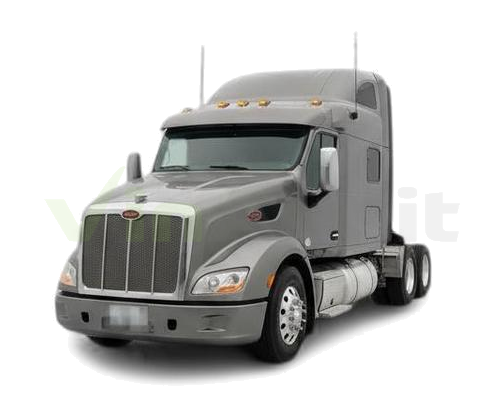
The Good
The 2012 Peterbilt 587 offers superior driver comfort and a quiet, refined ride, appealing to emotional desires for a pleasant work environment. Practically, its advanced aerodynamics and efficient engine options translate to significant fuel savings and robust reliability, ensuring lower operating costs and consistent uptime.
The Bad
Potential weaknesses for the 2012 Peterbilt 587 include the higher initial purchase price compared to some competitors and the complexity of its advanced systems, which can lead to more costly repairs if issues arise. Owners should also be aware of potential wear on suspension components and the need for diligent preventative maintenance.
2012 Peterbilt 587: Quick Overview
- Engine Options: The 2012 Peterbilt 587 was typically powered by Cummins ISX15 engines. Optional engines from PACCAR (PX-9, PX-11) were also available in certain configurations.
- Horsepower: Horsepower ratings generally ranged from approximately 400 hp to 600 hp, with variations depending on the specific engine and configuration chosen.
- Fuel Economy: Fuel economy for the 587 is highly dependent on the engine, transmission, axle ratios, and driving conditions. However, Peterbilt heavily emphasized aerodynamics and efficient powertrains, aiming for class-leading MPG. Figures could range from 5.5 to 7.5 miles per gallon (MPG) under optimal highway conditions.
- 0-60 Times: Official 0-60 mph times are not typically provided for heavy-duty trucks as they are not designed for acceleration tests. Performance is measured in terms of pulling power and maintaining speed under load.
- Towing Capacity: As a heavy-duty Class 8 truck, the Peterbilt 587 is designed for substantial towing. Gross Combination Weight Ratings (GCWR) could exceed 80,000 lbs and often reached up to 140,000 lbs or more, depending on the chassis, axle configuration, and specific application (e.g., long-haul trucking, heavy hauling).
- Trim-Level Features: While Peterbilt doesn't have traditional trim levels like passenger cars, configurations were highly customizable. Key features and options that influenced the 'level' included:
- Aerodynamics: Enhanced aerodynamic packages, including fairings, roof spoilers, and chassis skirts, were a hallmark.
- Cab Options: Various cab configurations were available, including day cabs and multiple sleeper berth options (e.g., 44-inch, 70-inch, 80-inch sleepers) with different amenities.
- Interior Appointments: Premium interior options could include upgraded seats, enhanced sound insulation, advanced HVAC systems, and sophisticated dashboard designs with digital displays.
- Suspension: Different air suspension systems (e.g., Peterbilt Air Trac, Low Air Leaf) offered varying ride quality and load-carrying capabilities.
- Wheels and Tires: Options for various wheel materials (aluminum, steel) and tire sizes.
- Technology: Integrated telematics and diagnostics systems were available.
2012 Peterbilt 587 Specifications
Vehicle Information
| Year | 2012 |
| Make | Peterbilt |
| Model | 587 |
| Trim | - |
| Style | - |
| Type | Truck |
| Category | Medium Truck |
Manufacturing Details
| Made In | United States |
| Manufacturing City | DENTON |
Dimensions
| Doors | - |
| Curb Weight | - |
| Gross Vehicle Weight Rating | 52000 pounds |
| Overall Height | - |
| Overall Length | - |
| Overall Width | - |
| Wheelbase Length | - |
| Standard Seating | - |
Engine & Performance
| Engine | 12.9L I6 |
| Engine Size | 12.9L |
| Engine Cylinders | 6 |
| Transmission | - |
| Transmission Type | - |
| Transmission Speeds | - |
| Drivetrain | 6x4 |
Additional Features
| Anti-Brake System | - |
| Steering Type | - |
Pricing
| Manufacturer Suggested Retail Price (MSRP) | - |
| Invoice Price | - |
| Delivery Charges | - |
Vehicle History Report
Specifications
History
Events
History Check
Check
Check
Check
Check
Listings
Recalls
Check
Analysis
What Problems Does the 2012 Peterbilt 587 Have?
How long will the 2012 Peterbilt 587 last?
What Technology & Safety Features are Included?
Optional features could significantly enhance the truck's technological capabilities. These often included premium sound systems, satellite radio integration, and advanced navigation units. For driver assistance and safety, the 587 could be equipped with features like electronic stability control, ABS (Anti-lock Braking System), and robust lighting systems for superior visibility. Some models might have offered forward-looking radar systems for adaptive cruise control or collision mitigation, though these were less common than in contemporary automotive applications.
Crash-test ratings are not typically published for heavy-duty commercial trucks in the same manner as passenger vehicles by organizations like the NHTSA or IIHS. However, Peterbilt trucks are engineered to meet stringent Federal Motor Vehicle Safety Standards (FMVSS) for commercial vehicles, focusing on structural integrity, occupant protection in severe impacts, and the prevention of rollovers. The 587's robust chassis, advanced braking systems, and reinforced cab structure are testament to its inherent safety design, aiming to protect drivers in the demanding environment of commercial trucking. The focus was on creating a durable, reliable, and safe working environment for the driver.
What Colors Options are Available?
2012 Peterbilt 587 Prices and Market Value
On the current used market, prices for a 2012 Peterbilt 587 can vary widely, typically falling between $40,000 and $80,000. Factors significantly affecting resale value include mileage, overall condition, maintenance history, engine hours, tire wear, and the presence of any recent major repairs or component replacements. Trucks with lower mileage, well-maintained engines, and desirable specifications (like larger sleeper cabs or specific aerodynamic packages) will command higher prices. Depreciation is significant in the initial years but tends to level off as the truck ages, with well-maintained examples holding their value reasonably well due to their inherent durability and strong brand reputation.
2012 Peterbilt 587 Cost of Ownership
2012 Peterbilt 587 Fuel Efficiency
2012 Peterbilt 587 Recalls & Defects
Fuel System, Other:storage:tank Assembly
Power Train:driveline
Service Brakes, Air:supply:check Valve
Equipment:other:labels
Tires
Electrical System:alternator/Generator/Regulator
Electrical System:alternator/Generator/Regulator
Equipment
Electronic Stability Control (Esc)
Service Brakes, Air:antilock:abs Warning Light
2012 Peterbilt 587 Warranty
Basic
Powertrain
Rust
2012 Peterbilt 587 Insurance
reasonable repair costs.
How Does the 2012 Peterbilt 587 Compare to Other Truck?
Performance: Peterbilt 587 generally excels in on-road performance, especially with its Cummins ISX15 engines offering robust power and torque. Its aerodynamic design contributes to strong highway cruising speeds and efficiency. Kenworth models are often considered its closest competitor in this regard, also prioritizing driver comfort and fuel economy. Freightliner Cascadia is known for its efficiency and advanced technology.
Features: The 587 was a leader in driver comfort and interior refinement for its time, offering spacious cabs and premium amenities. Kenworth typically matches this level of luxury. Volvo and Freightliner have also been strong contenders in offering advanced cabin designs and driver-centric features.
Reliability: Peterbilt, like its PACCAR sibling Kenworth, enjoys a reputation for excellent build quality and durability, often leading the segment. Cummins ISX15 engines are generally reliable, though can be complex. Freightliner and Volvo also offer solid reliability, with their own powertrain options and dealer networks.
Price: The Peterbilt 587 was positioned as a premium product, often carrying a higher initial price tag than comparable Freightliner or International models. Kenworth trucks are similarly priced.
Alternatives:
- Similar: A 2012 Kenworth T700 offers a very comparable experience in terms of build quality, aerodynamics, and driver comfort.
- Slightly Different Focus: A 2012 Freightliner Cascadia might offer slightly more cutting-edge technology or potentially a slightly lower entry price while still providing excellent fuel economy. A 2012 Volvo VNL could be considered for its unique cabin ergonomics and powerful engines.
Final Verdict: Is the 2012 Peterbilt 587 a Good Truck?
Given its age, buying a 2012 Peterbilt 587 new is not an option. Purchasing one used is absolutely worth considering, provided it has a comprehensive maintenance history and is in good mechanical condition. It is advisable to focus on models with well-maintained Cummins ISX15 engines or PACCAR alternatives, and to have any potential purchase thoroughly inspected by a qualified heavy-duty mechanic. High-mileage trucks can still offer excellent value if they have been impeccably cared for, especially those equipped with larger sleeper cabs for long-distance drivers. It represents a solid investment for those seeking a premium, dependable truck from a respected manufacturer.

Jovan
Jovan specializes in interpreting vehicle records and making sense of VIN data. With over 10 years of experience in the automotive data industry, his work ensures that every report is clear, accurate, and useful for car buyers.