
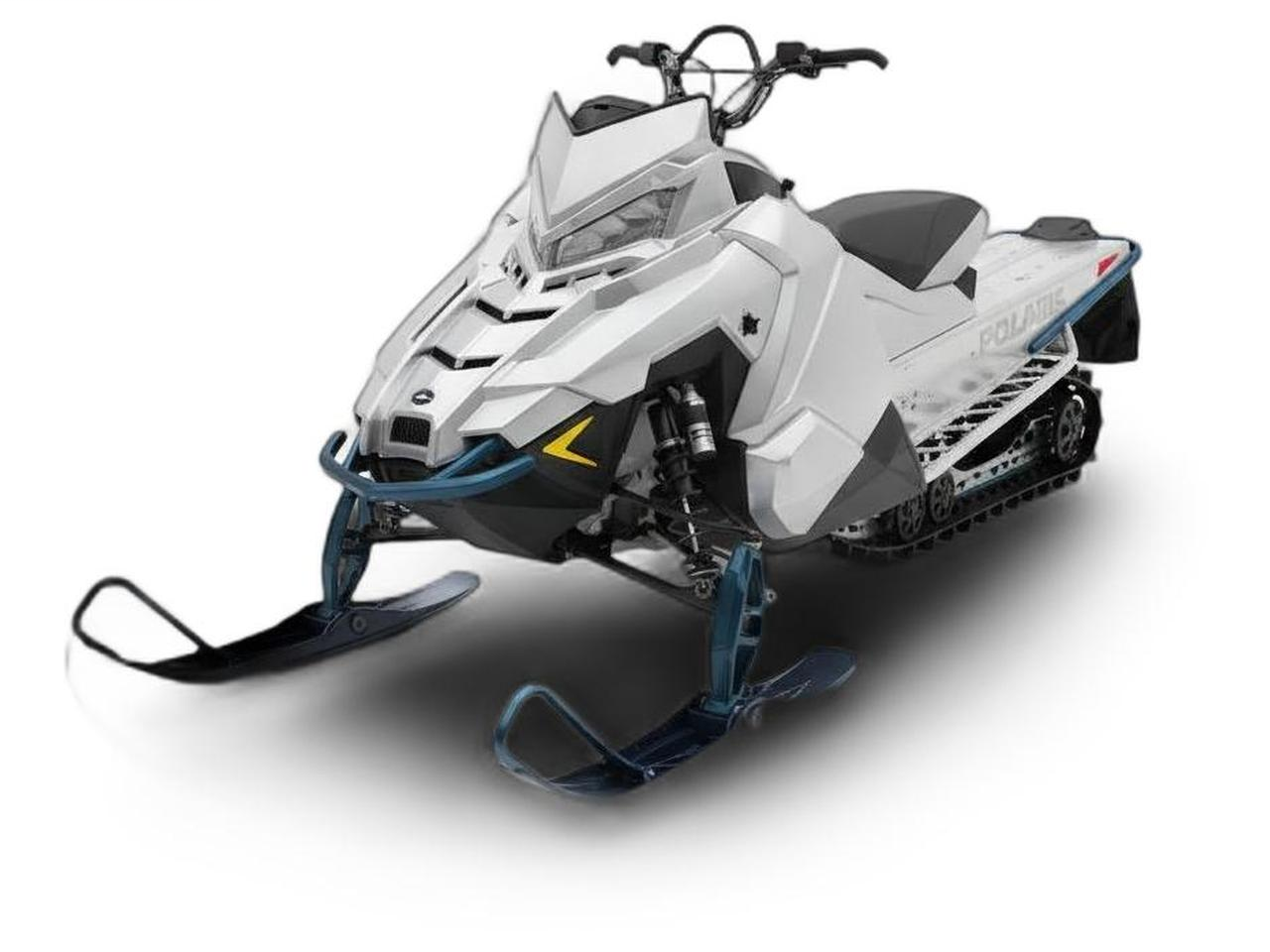
The Good
The 2019 Polaris Axys excels with its exhilarating performance and nimble handling, offering a thrilling ride for enthusiasts. Its reliable drivetrain and durable construction ensure peace of mind, while the ergonomic design provides exceptional comfort. This combination of power, precision, and comfort makes it a highly desirable choice for riders seeking both excitement and practicality.
The Bad
While generally well-regarded, potential buyers of the 2019 Polaris Axys should be aware of some reported issues. Occasional complaints have surfaced regarding track durability and potential belt issues, especially under heavy use or aggressive riding. Some owners have also noted that certain engine options can be thirsty for fuel.
2019 Polaris Axys: Quick Overview
- Engine Options: The 2019 Polaris Axys was available with a variety of potent engine choices, primarily from Polaris's Liberty and Patriot engine families. Key options included:
- 850 Patriot Engine: A powerful two-stroke twin, known for its crisp throttle response and strong acceleration.
- 800 Cleanfire Engine: Another capable two-stroke, offering a balance of power and efficiency.
- 600 Cleanfire Engine: A slightly smaller displacement option providing good performance with improved fuel economy.
- Horsepower: Horsepower figures varied depending on the specific engine. The 850 Patriot typically produced around 160-165 horsepower, while the 800 Cleanfire was in the 140-150 horsepower range. The 600 Cleanfire offered around 125 horsepower.
- Fuel Economy: Official MPG figures are not consistently published for snowmobiles, as it is highly dependent on riding style, terrain, and track configuration. However, engines like the 600 Cleanfire were generally considered more fuel-efficient than the larger displacement 800 and 850 models. Expect a wide range, from 10-18 MPG.
- 0-60 Times: Precise 0-60 mph times are not a standard metric for snowmobiles. However, performance-oriented trims with the 850 Patriot engine could achieve exhilarating acceleration, feeling incredibly quick from a standstill.
- Towing Capacity: Snowmobiles are not designed for towing in the traditional automotive sense. They do not have a towing capacity.
- Trim-Level Features:
- Indy (Trail): Focused on groomed trail riding, often featuring a slightly shorter track, comfortable seating, and a balanced suspension. Features might include AXYS front suspension, Walker Evans or Fox shocks, and ProTaper handlebars.
- Switchback (Crossover): Designed for versatility on and off-trail. Features often include a longer track for flotation and deeper snow capability, a more robust rear suspension, and potentially higher-spec shocks.
- RMK (Mountain): Built for deep snow and backcountry riding. Key features include a significantly longer and wider track (e.g., 155-inch or longer with a high lug height), a lighter-weight chassis, a powerful engine, and specialized mountain-specific suspension and ergonomics for agile climbing and maneuvering.
- Assault/SKS/PRO-RMK: These are often higher-performance variants within the RMK or Switchback lines, featuring premium shocks (like Fox QS3 or Walker Evans), lighter-weight components, and enhanced off-trail capabilities.
2019 Polaris Axys Specifications
Vehicle Information
| Year | 2019 |
| Make | Polaris |
| Model | Axys |
| Trim | - |
| Style | - |
| Type | Recreational Vehicle |
| Category | Off-Road Vehicle Low Speed Vehicle |
Manufacturing Details
| Made In | United States |
| Manufacturing City | ROSEAU |
Dimensions
| Doors | - |
| Curb Weight | - |
| Gross Vehicle Weight Rating | - |
| Overall Height | - |
| Overall Length | - |
| Overall Width | - |
| Wheelbase Length | - |
| Standard Seating | - |
Engine & Performance
| Engine | - |
| Engine Size | 0.7L |
| Engine Cylinders | - |
| Transmission | - |
| Transmission Type | - |
| Transmission Speeds | - |
| Drivetrain | - |
Additional Features
| Anti-Brake System | - |
| Steering Type | - |
Pricing
| Manufacturer Suggested Retail Price (MSRP) | - |
| Invoice Price | - |
| Delivery Charges | - |
Vehicle History Report
Specifications
History
Events
History Check
Check
Check
Check
Check
Listings
Recalls
Check
Analysis
What Problems Does the 2019 Polaris Axys Have?
Another area to watch is the drive belt. While belt failure can occur on any snowmobile, some owners of the 2019 Axys have reported belt slippage or premature wear, especially when subjected to heavy loads, extreme temperatures, or aggressive throttle inputs. Regular inspection and proper belt maintenance, including correct alignment and tension, are crucial.
Recalls for the 2019 model year did occur, as is common with many vehicle manufacturers. For instance, Polaris issued a recall for certain 2019 snowmobiles, including some Axys models, concerning a potential issue with the exhaust system's heat shield, which could pose a fire risk. Owners were advised to have their vehicles inspected and repaired at authorized dealerships. It is always recommended to check the NHTSA website or Polaris's official recall information for specific VINs.
Long-term reliability concerns are often tied to maintenance habits. Engines, especially the Liberty and Patriot series, are known for their power, but they require diligent maintenance. This includes proper oil changes, spark plug replacements, and ensuring the cooling system is clean and functioning optimally. Ignoring maintenance can lead to overheating, reduced performance, and potentially more significant engine issues over time.
The electronic components, while generally reliable, can be susceptible to damage from moisture ingress if not properly sealed or maintained. Issues with gauges or ignition systems have been reported sporadically.
Regarding model year specifics, while the 2019 Axys benefits from refinements from previous years, some of these issues might have been more prevalent in earlier iterations of the Axys platform, with Polaris working to address them through updates and design changes. However, vigilance with maintenance remains the most significant factor in ensuring long-term reliability for any 2019 Polaris Axys.
How long will the 2019 Polaris Axys last?
The long-term durability of the Axys platform is generally good, particularly concerning its chassis and suspension components. The aluminum construction is lightweight yet strong. However, weaknesses that can emerge over time, especially with neglect, include wear on the track and suspension bushings. Engine longevity is heavily dependent on the owner's commitment to regular maintenance; well-maintained Polaris engines can last for tens of thousands of miles. Conversely, neglected machines might start experiencing more frequent issues after 5,000-7,000 miles, particularly with cooling systems or drive train components.
What Technology & Safety Features are Included?
Entertainment features are generally minimal, as snowmobiles are not designed with elaborate audio systems. However, owners can often add aftermarket accessories like Bluetooth speakers for an enhanced auditory experience.
Driver-assistance features are limited in the traditional automotive sense. The primary safety systems are inherent to the vehicle's design. This includes robust braking systems, reliable lighting for visibility, and the overall stability and handling characteristics of the Axys chassis, which contribute to rider control. Some models might offer features like a reverse gear, which aids in maneuvering in tight spots.
Safety features also extend to rider comfort and protection. The ergonomic design of the seat and handlebars, along with adjustable suspension, helps reduce rider fatigue, which can be a safety factor on long rides. The availability of hand warmers and thumb warmers is a standard comfort and safety feature, ensuring better control in cold conditions.
Optional features often include enhanced shock packages (like Fox QS3 or Walker Evans), electric start, hand and thumb warmers, mirrors, and storage solutions. For mountain-specific models like the RMK, features like a snocross-inspired handlebar and a lighter, more agile chassis are critical for off-trail control and safety.
Crash-test ratings are not applicable to snowmobiles as they are not subject to the same regulatory testing as automobiles. Safety is primarily determined by the design's ability to withstand operational stresses and provide rider protection through its inherent stability and braking capabilities. The quality of the materials used and the overall engineering integrity are key factors in the machine's robustness.
What Colors Options are Available?
2019 Polaris Axys Prices and Market Value
Currently, on the used market, you can expect to find 2019 Polaris Axys models ranging anywhere from $6,000 to $11,000, depending heavily on the specific trim, mileage, condition, and any added accessories.
Depreciation on snowmobiles is generally steeper than on cars in the initial years. A 2019 model would have experienced significant depreciation from its original MSRP. Factors affecting resale value include: mileage (lower is better), overall condition (cosmetic and mechanical), maintenance history (proof of regular servicing), the popularity of the specific trim (RMK models often hold value well due to demand), and the presence of desirable upgrades or accessories. A well-maintained and low-mileage unit in a sought-after trim will command a higher price.
2019 Polaris Axys Cost of Ownership
2019 Polaris Axys Fuel Efficiency
2019 Polaris Axys Insurance
reasonable repair costs.
How Does the 2019 Polaris Axys Compare to Other Recreational Vehicle?
Performance: Polaris's Axys platform is renowned for its agile handling and lightweight feel, making it incredibly responsive. The 850 Patriot engine was a powerhouse in its class, offering strong acceleration and top-end power that often rivaled or surpassed competitors like Ski-Doo's Rotax 850 E-TEC. Arctic Cat's CTEC2 engines also offered robust performance. In mountain segments, the Axys RMK chassis was particularly praised for its deep-snow maneuverability and climbing ability, often giving it an edge over some competitors.
Features: Polaris offered a good range of features across its Axys trims. For trail riding, the Indy models provided a comfortable and capable experience. Crossover models like the Switchback offered versatility. For backcountry, the RMK models were well-equipped with long tracks and specialized suspension. Ski-Doo's Summit models often boasted innovative features like the tMotion rear suspension, while Arctic Cat's M-series (now Mountain Cat) also offered compelling deep-snow packages. Electronically, most brands offered similar digital displays and options like electric start.
Reliability: All major snowmobile brands have had their reliability quirks. Polaris, while improving significantly with the Axys platform, has faced reports of track issues and belt wear, as noted. Ski-Doo's Rotax engines are generally considered very reliable, though can be complex to service. Arctic Cat's CTEC2 engines have also shown good reliability. Long-term ownership experiences can vary greatly depending on maintenance and usage for all brands.
Price: Pricing across comparable trims from Polaris, Ski-Doo, and Arctic Cat is often very similar, with slight variations that reflect specific features and market positioning. A 2019 model from any of these brands would have been in a similar price bracket when new, and their used values tend to track closely.
Alternatives:
- Ski-Doo Summit (850 E-TEC): A very strong contender, especially in the mountain segment, known for its excellent power delivery and innovative suspension systems. Often considered a benchmark for performance and ride quality.
- Arctic Cat Mountain Cat / M-Series (800 CTEC2): Offers strong power and a capable chassis for deep snow. Arctic Cat often provides excellent value in the used market.
- Yamaha Sidewinder (1000 Turbo): For those prioritizing sheer power and acceleration, Yamaha's turbocharged 4-stroke engine offers a different kind of performance, though it comes with higher weight and fuel consumption.
The 2019 Polaris Axys remains a compelling choice, offering a balanced blend of performance, agility, and capability across its various trims. Its strongest competitors are the Ski-Doo Summit and Arctic Cat Mountain Cat, which offer similar performance but with slightly different riding characteristics and feature sets.
Final Verdict: Is the 2019 Polaris Axys a Good Recreational Vehicle?
It is absolutely worth buying, especially on the used market. Given its original MSRP and the rapid depreciation common in the snowmobile industry, purchasing a well-maintained 2019 Axys offers excellent value for money.
Conditions for purchase:
- Used is generally best: Unless you're looking for very specific leftover new inventory, the used market provides the most significant savings.
- Specific trims: If you're a trail rider, focus on Indy models. For deep snow, the RMK variants are superior. Switchbacks offer a good compromise for mixed-use.
- Condition and Maintenance: Prioritize machines with lower mileage and a documented service history. Inspect the track, suspension, and drive components thoroughly.
For riders seeking a potent, agile, and fun snowmobile without the premium of the latest model year, the 2019 Polaris Axys remains a fantastic option.

Simon A
Simon is a contributor to VinCheck, where he provides articles and reviews on various automotive topics. His work focuses on delivering accurate and up-to-date information about used cars, helping readers make informed decisions.