
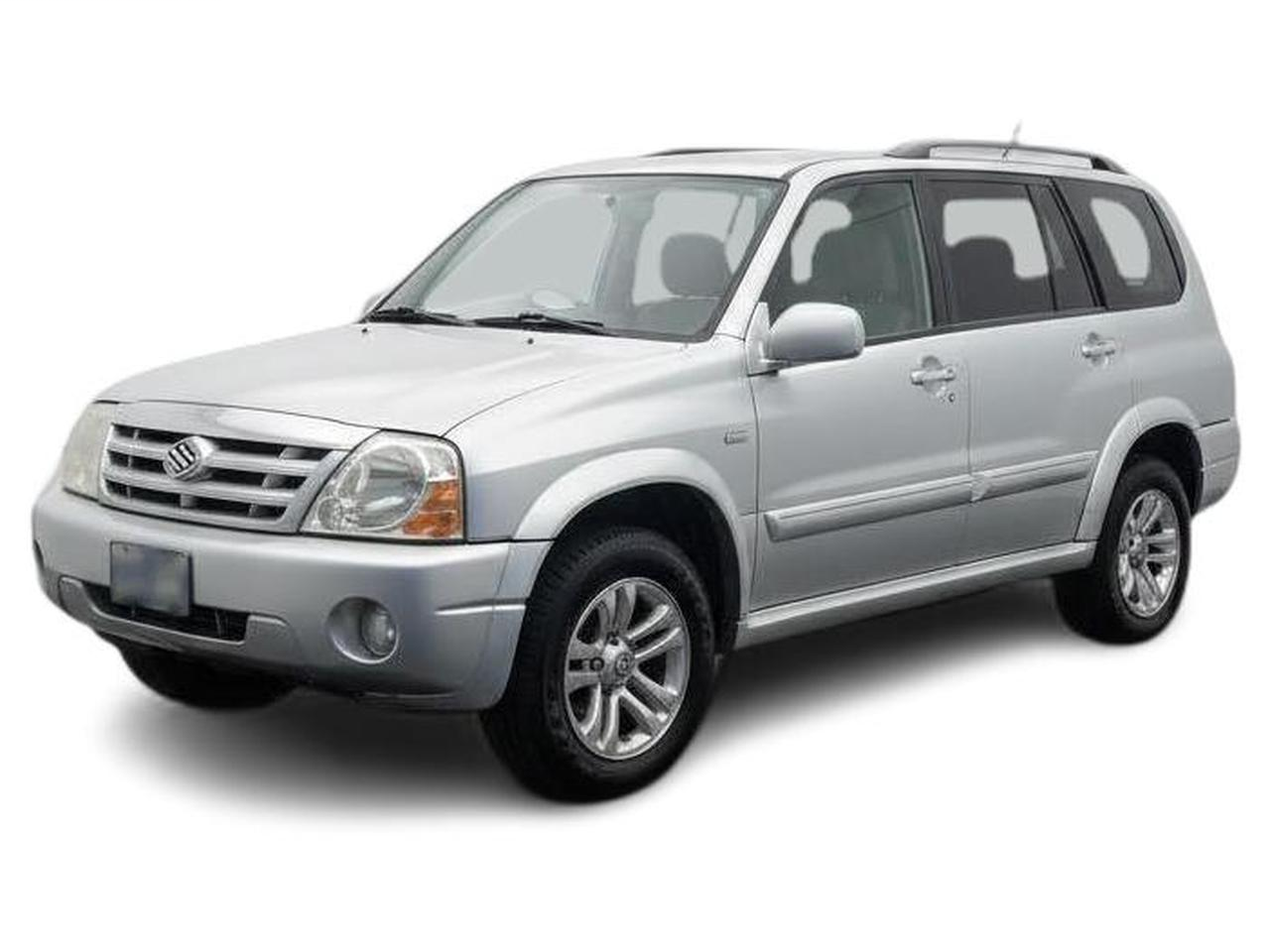
The Good
The 2006 XL7 offers a robust V6 engine for confident performance, comfortable seating for families, and a distinctive exterior design. Its value proposition lies in providing a capable and feature-rich SUV at a competitive price point, appealing to those seeking utility without breaking the bank. It offers a solid, if not thrilling, ownership experience.
The Bad
Owners should be aware of potential issues with the transmission, particularly in higher mileage examples. Rust can also be a concern, especially in areas with harsh winters. Fuel economy is not a strong suit, and some interior materials might show wear over time. Listen for any unusual noises from the engine or drivetrain.
2006 Suzuki XL7: Quick Overview
- Engine Options: The 2006 Suzuki XL7 primarily featured a 2.7-liter V6 engine.
- Horsepower: This V6 engine produced approximately 185 horsepower.
- Fuel Economy: EPA estimates for the 2006 XL7 were around 16 mpg city / 21 mpg highway for the 2WD model and slightly less for the AWD variant.
- 0-60 Times: Acceleration figures typically fell in the 9-10 second range, which was competitive for its class at the time.
- Towing Capacity: The 2006 Suzuki XL7 had a towing capacity of up to 3500 pounds when properly equipped, making it suitable for light trailers or recreational gear.
- Trim-Level Features:
The 2006 XL7 was generally offered in two primary trims: - Base Model: This trim usually included standard features such as air conditioning, power windows and locks, a CD player, cruise control, and a tilt steering wheel. Alloy wheels were often standard or an early option.
- Premium Trim: The Premium trim elevated the experience with additions like leather upholstery, heated front seats, a more advanced audio system (often with a CD changer), a sunroof, and sometimes a navigation system as an optional upgrade. Enhanced exterior trim elements might also be present.
- Drivetrain: Available in either 2WD (rear-wheel drive) or 4WD (all-wheel drive) configurations.
- Transmission: Typically paired with a 5-speed automatic transmission.
2006 Suzuki XL7 Specifications
Vehicle Information
| Year | 2006 |
| Make | Suzuki |
| Model | XL7 |
| Trim | - |
| Style | 4-Door |
| Type | Sport Utility Vehicle |
| Category | Standard Sport Utility Vehicle |
Manufacturing Details
| Made In | Japan |
| Manufacturing City | IWATA |
Dimensions
| Doors | 4-Door |
| Curb Weight | 3825 pounds |
| Gross Vehicle Weight Rating | 4916 pounds |
| Overall Height | 68.50 inches |
| Overall Length | 187.40 inches |
| Overall Width | 70.10 inches |
| Wheelbase Length | 110.20 inches |
| Standard Seating | 7 |
Engine & Performance
| Engine | 2.7L V6 |
| Engine Size | 2.7L |
| Engine Cylinders | 6 |
| Transmission | 5-Speed Automatic |
| Transmission Type | Automatic |
| Transmission Speeds | 5-Speed |
| Drivetrain | Rear-Wheel Drive |
Additional Features
| Anti-Brake System | 4-Wheel ABS |
| Steering Type | Rack & Pinion |
Pricing
| Manufacturer Suggested Retail Price (MSRP) | $26,699 |
| Invoice Price | $25,631 |
| Delivery Charges | $595 |
Vehicle History Report
Specifications
History
Events
History Check
Check
Check
Check
Check
Listings
Recalls
Check
Analysis
What Problems Does the 2006 Suzuki XL7 Have?
Rust and corrosion are also frequently mentioned, especially for models that have been driven in areas where salt is used on the roads during winter. This can affect the undercarriage, body panels, and suspension components, potentially leading to structural integrity issues or costly repairs. Thorough inspection of the vehicle's underbody is crucial.
Some owners have also noted issues with the engine, including oil leaks and occasional rough idling. While not as widespread as transmission problems, it's worth investigating any unusual engine noises or performance quirks. The exhaust system can also be prone to corrosion and may require replacement.
Regarding recalls, while there may not be one single catastrophic recall for the 2006 model year, it's always advisable to check the National Highway Traffic Safety Administration (NHTSA) website for any specific campaigns related to this vehicle.
Long-term reliability can be a mixed bag. While the V6 engine is generally considered robust if maintained, the supporting systems, particularly the transmission and susceptibility to rust, can detract from its overall longevity. A well-maintained XL7 can still offer years of service, but it's important to be diligent with maintenance and inspect for common failure points.
How long will the 2006 Suzuki XL7 last?
What Technology & Safety Features are Included?
Standard Technology and Entertainment: Most 2006 XL7 models came equipped with a standard AM/FM stereo with a CD player. Higher trims, like the Premium, often upgraded to a 6-disc CD changer and sometimes featured a premium sound system. Power windows, power door locks, and cruise control were also standard across most trims, enhancing driver convenience. The instrument cluster was functional and clear, providing essential driving information.
Optional Features: Available options that enhanced the tech and comfort experience included a power sunroof, which added an airy feel to the cabin. Some models could be equipped with a navigation system, a premium feature for its era, though its functionality might be dated by today's standards. Heated front seats were also a common option on the Premium trim, adding comfort during colder months.
Driver-Assistance Features: The 2006 XL7 was not heavily laden with advanced driver-assistance systems as we know them today. Standard safety features included anti-lock brakes (ABS) and traction control (on some models or trims). The availability of advanced systems like stability control or rear parking sensors was limited or non-existent for this model year.
Safety Features and Crash-Test Ratings: The 2006 Suzuki XL7 was equipped with standard safety features such as multi-stage front airbags and side-curtain airbags were available on certain trims or as options. According to the National Highway Traffic Safety Administration (NHTSA), the 2006 Suzuki XL7 received four out of five stars for the driver in frontal crash tests and five out of five stars for the passenger in frontal crash tests. For side crash tests, it earned four out of five stars for the front occupants and five out of five stars for the rear occupants. These ratings indicate a good level of safety for its class and time.
What Colors Options are Available?
2006 Suzuki XL7 Prices and Market Value
2006 Suzuki XL7 Cost of Ownership
2006 Suzuki XL7 Fuel Efficiency
2006 Suzuki XL7 Safety Rating
NHTSA
IIHS
2006 Suzuki XL7 Recalls & Defects
Steering:hydraulic Power Assist:pump
Service Brakes, Hydraulic:foundation Components:disc:rotor
2006 Suzuki XL7 Warranty
Basic
Powertrain
Rust
2006 Suzuki XL7 Insurance
reasonable repair costs.
How Does the 2006 Suzuki XL7 Compare to Other Sport Utility Vehicle?
Performance: The XL7's 185-hp V6 offered adequate power, comparable to some base V6 engines in rivals. However, it was often outgunned by the more powerful V6 options available in competitors like the Highlander or Pilot. Its handling was geared more towards comfort than sportiness.
Features: The XL7 offered a good range of features, especially in its Premium trim, including leather and a sunroof, which were competitive. Rivals like the Highlander often had a slight edge in interior refinement and a broader array of available luxury and tech options.
Reliability: This is where the XL7 often lagged behind its Japanese counterparts. While the Highlander and Pilot are renowned for their exceptional long-term reliability, the XL7 has a reputation for more frequent issues, particularly with its transmission and susceptibility to rust. The Explorer, while popular, also had its share of reliability concerns depending on the powertrain.
Price: The XL7's main advantage was often its price point. It generally offered more features for a lower initial cost compared to similarly equipped Highlander or Pilot models, making it an attractive value proposition for budget-conscious buyers.
Recommendations:
If absolute reliability and longevity are top priorities, the Toyota Highlander and Honda Pilot are superior alternatives. They offer proven durability, strong resale values, and refined driving experiences, albeit often at a higher used price.
The Nissan Murano, particularly the 3.5L V6 models, offers a more stylish and dynamic driving experience, though its CVT transmission can also present its own long-term concerns.
The Ford Explorer provides a more truck-like feel and robust towing capabilities, but its reliability can be inconsistent.
The 2006 Suzuki XL7 remains a decent option if found in excellent condition with thorough maintenance records, and if its lower purchase price is a significant factor. However, for a more worry-free ownership experience, investing in a similarly priced but more reliable competitor is generally advised.
Final Verdict: Is the 2006 Suzuki XL7 a Good Sport Utility Vehicle?
Whether it's worth buying depends heavily on the specific vehicle. When purchasing used, it is crucial to find one with meticulous maintenance records, especially for the transmission. Thoroughly inspect for rust, as this can be a major deal-breaker. Opting for a lower-mileage, well-maintained example in the Premium trim can offer a good balance of features and comfort for the price. Given its known potential issues, especially with the transmission and rust, buyers should be prepared for potential maintenance costs. It's a viable option if the price is significantly lower than more reliable competitors, and if the buyer is willing to perform diligent inspections and potentially budget for future repairs.

Jovan
Jovan specializes in interpreting vehicle records and making sense of VIN data. With over 10 years of experience in the automotive data industry, his work ensures that every report is clear, accurate, and useful for car buyers.