
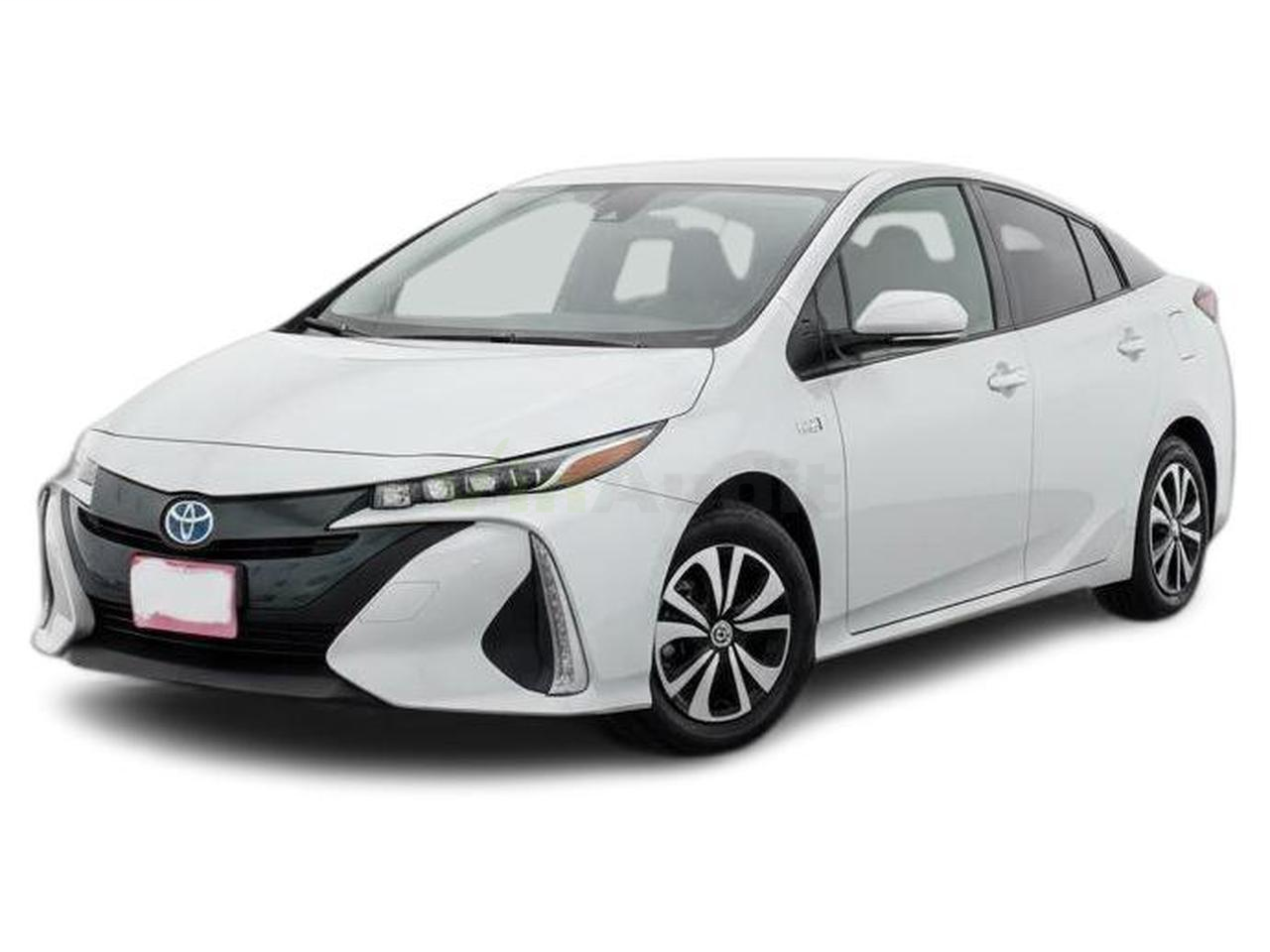
The Good
The 2018 Prius Prime boasts outstanding fuel efficiency, appealing to practical buyers seeking to save money. Its reputation for Toyota reliability offers peace of mind. Comfortable seating and a smooth ride enhance the driving experience. The distinctive design and advanced technology appeal to those seeking innovation. It offers good value for money due to low running costs.
The Bad
The 2018 Prius Prime's weaknesses include limited rear passenger headroom due to the battery pack. The infotainment system can feel dated and unresponsive. Acceleration is adequate but not sporty. Cargo space is also somewhat compromised compared to the standard Prius. Watch out for potential battery degradation over time, which can reduce electric range.
2018 Toyota Prius Prime: Quick Overview
- Engine Options: 1.8L 4-cylinder gasoline engine paired with an electric motor and an 8.8 kWh lithium-ion battery pack.
- Horsepower: Total system horsepower of 121 hp.
- Fuel Economy:
- MPGe (miles per gallon equivalent): 133 MPGe (electric + gasoline)
- EPA-estimated combined MPG: 54 MPG (gasoline only)
- Electric Range: 25 miles
- 0-60 Times: Approximately 11.1 seconds.
- Towing Capacity: Not recommended or rated for towing.
- Trim-Level Features:
- Plus: Standard features include a 7-inch touchscreen, Toyota Safety Sense P (TSS-P), heated front seats, and keyless entry.
- Premium: Adds a larger 11.6-inch touchscreen, SofTex-trimmed seats, and premium audio.
- Advanced: Includes features such as a color head-up display, blind spot monitoring with rear cross-traffic alert, parking assist, and remote climate control.
- All trims feature regenerative braking, selectable drive modes (EV, Auto EV/HV, HV), and a suite of safety technologies.
2018 Toyota Prius Prime Specifications
Vehicle Information
| Year | 2018 |
| Make | Toyota |
| Model | Prius Prime |
| Trim | - |
| Style | - |
| Type | Hatchback |
| Category | Compact Car |
Manufacturing Details
| Made In | Japan |
| Manufacturing City | - |
Dimensions
| Doors | 4-Door |
| Curb Weight | 3375 pounds |
| Gross Vehicle Weight Rating | - |
| Overall Height | 57.90 inches |
| Overall Length | 182.90 inches |
| Overall Width | 69.30 inches |
| Wheelbase Length | 106.30 inches |
| Standard Seating | 4 |
Engine & Performance
| Engine | 1.8L I4 |
| Engine Size | 1.8L |
| Engine Cylinders | 5 |
| Transmission | Continuously Variable Transmission |
| Transmission Type | CVT |
| Transmission Speeds | - |
| Drivetrain | Front-Wheel Drive |
Additional Features
| Anti-Brake System | 4-Wheel ABS |
| Steering Type | Rack & Pinion |
Pricing
| Manufacturer Suggested Retail Price (MSRP) | $33,100 |
| Invoice Price | $31,776 |
| Delivery Charges | $895 |
Vehicle History Report
Specifications
History
Events
History Check
Check
Check
Check
Check
Listings
Recalls
Check
Analysis
What Problems Does the 2018 Toyota Prius Prime Have?
While the Prius and Prius Prime generally enjoy a strong reputation for reliability, some long-term concerns include potential battery degradation. Over time, the battery's capacity to hold a charge may decrease, reducing the electric-only range. This is a common concern with all electric and plug-in hybrid vehicles.
Recalls for the 2018 Prius Prime should be checked on the NHTSA website using the VIN. Common Toyota recalls across multiple models sometimes include issues with fuel pumps or other safety-related components. Checking for any specific recalls is crucial before purchasing a used model.
Owners should maintain regular servicing, including fluid checks and tire rotations, to promote the car's overall reliability. Specifically monitor the health of the hybrid system and battery through regular inspections.
How long will the 2018 Toyota Prius Prime last?
Long-term durability concerns primarily revolve around the battery. As the battery ages, its capacity will degrade, resulting in reduced electric range. However, Toyota's hybrid batteries are known to last a long time, often exceeding 10 years. Maintaining good charging habits (avoiding extreme charge levels) can prolong battery life. Rust can be a concern in colder, saltier climates, so rustproofing or regular washing is advisable.
What Technology & Safety Features are Included?
Standard driver-assistance features include Toyota Safety Sense P (TSS-P), which incorporates pre-collision system with pedestrian detection, lane departure alert with steering assist, automatic high beams, and dynamic radar cruise control. Blind spot monitoring with rear cross-traffic alert is available on higher trims.
Safety is a strong point, with the Prius Prime earning top ratings from both the NHTSA (National Highway Traffic Safety Administration) and IIHS (Insurance Institute for Highway Safety). It received a 5-star overall safety rating from NHTSA and a "Top Safety Pick" designation from IIHS, reflecting its excellent performance in crash tests.
Optional features include a color head-up display (Advanced trim), parking assist, and remote climate control, allowing drivers to pre-heat or pre-cool the cabin remotely. The user experience varies depending on the trim level, with the larger touchscreen offering a more modern feel.
What Colors Options are Available?
Exterior Colors
Interior Colors
2018 Toyota Prius Prime Prices and Market Value
Factors affecting resale value include mileage, condition, trim level, and location. Models with lower mileage and a clean accident history command higher prices. The Advanced trim, with its additional features, generally holds its value better. Strong demand for fuel-efficient vehicles and the Prius's reputation for reliability help to maintain relatively strong resale values compared to other cars in its class. Battery health also plays a critical role in resale value.
2018 Toyota Prius Prime Cost of Ownership
2018 Toyota Prius Prime Fuel Efficiency
2018 Toyota Prius Prime Safety Rating
NHTSA
2018 Toyota Prius Prime Warranty
Basic
Powertrain
Rust
2018 Toyota Prius Prime Insurance
reasonable repair costs.
How Does the 2018 Toyota Prius Prime Compare to Other Hatchback?
In terms of reliability, the Prius Prime generally surpasses its American rivals, although the Volt has also proven to be fairly reliable. Feature-wise, the Prius Prime's available 11.6-inch touchscreen is a standout, but some may find the infotainment system less user-friendly than competitors. Pricing is competitive within the plug-in hybrid segment.
Alternatives to consider include the Hyundai Ioniq Plug-in Hybrid, which offers similar fuel economy and features at a slightly lower price point. For those prioritizing driving experience over fuel efficiency, a used BMW i3 with the range extender could be an option. If a longer electric range is crucial, newer plug-in hybrids or fully electric vehicles might be a better choice. The standard Toyota Prius is a good alternative if plug-in capability isn't necessary.
Final Verdict: Is the 2018 Toyota Prius Prime a Good Hatchback?
The Premium or Advanced trims offer a more satisfying experience due to the larger touchscreen and added features. Before purchasing, inspect the battery health and check for any outstanding recalls. If you primarily drive long distances, the standard Prius might be a better choice. Overall, the 2018 Prius Prime is a solid and economical plug-in hybrid option for the right buyer.

Drew B
Drew is a seasoned automotive expert and contributor to VinCheck.info. With nearly 15 years of experience as a former Porsche technician, he brings a wealth of hands-on knowledge to his writing. Born in North Carolina, a region renowned for its deep-rooted NASCAR culture, Drew developed a passion for cars early in life, often building and working on vehicles from a young age. At VINCheck, Drew leverages his extensive technical background to provide in-depth analyses of various vehicles. His articles often focus on engine performance, reliability, and maintenance insights, offering readers practical information grounded in real-world experience. Some of his notable contributions include reviews on the Mazda CX-5's longevity and detailed examinations of engine options for models like the 2011 Toyota Camry and Tacoma