
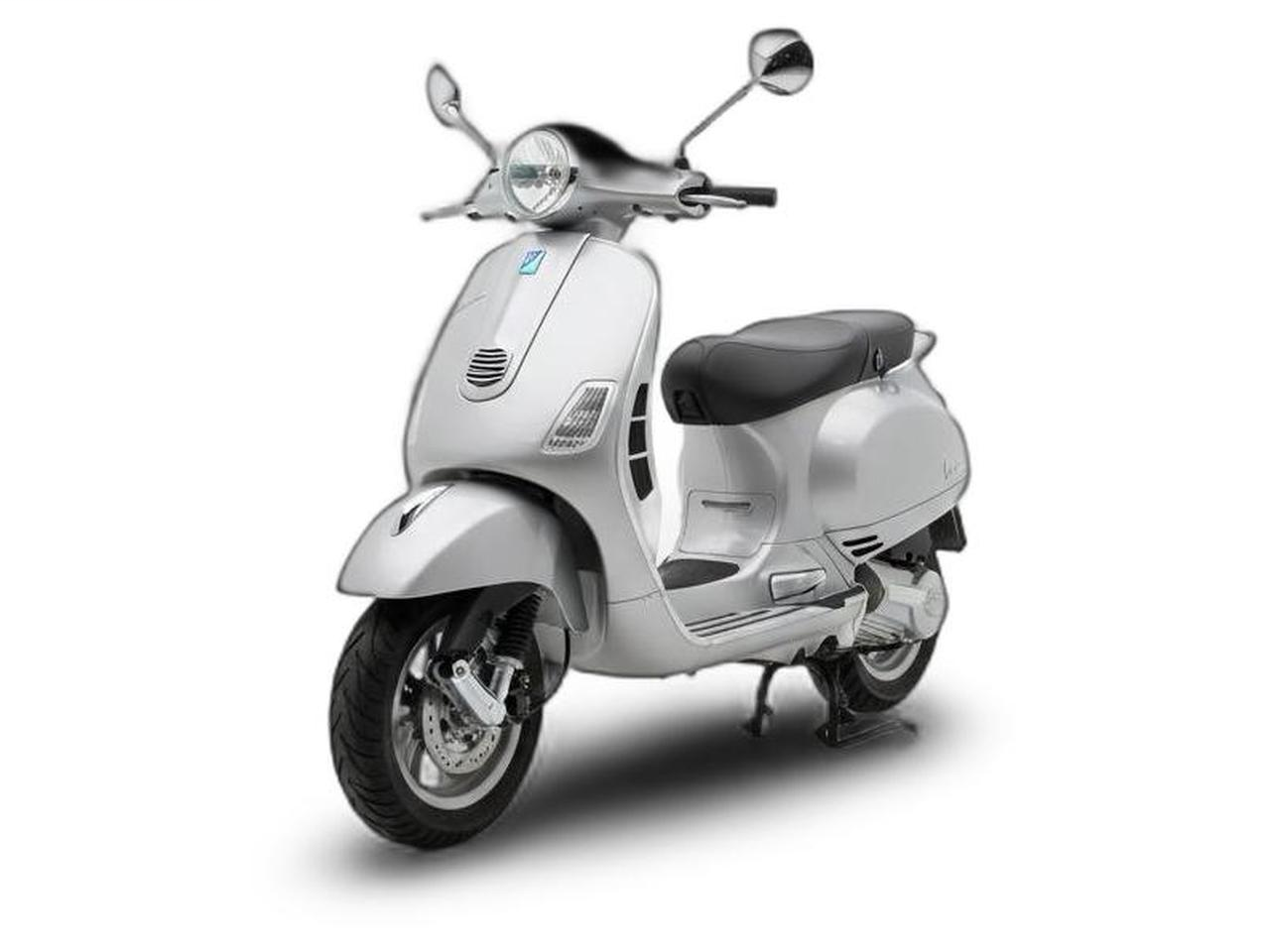
The 2008 Vespa LX150 is a stylish and iconic scooter, part of Vespa's long-standing tradition of urban mobility dating back to 1946. This model features a classic, all-steel unibody construction, a signature of the Vespa brand. Primarily available in the LX150 trim, it offered a premium experience in the mid-size scooter segment. Its enduring popularity stems from its timeless design, nimble handling, and the unmistakable Vespa charm, making it a favored choice for city commuters and style-conscious riders.
The Good
The 2008 Vespa LX150 excels with its iconic, head-turning design and user-friendly performance. Its automatic transmission and nimble handling make city navigation effortless. High fuel efficiency appeals to practical buyers, while the comfortable ride and premium build quality satisfy emotional desires for a stylish and reliable mode of transport.
The Bad
Potential buyers of the 2008 Vespa LX150 should be aware of its relatively high price point compared to some competitors. Braking performance, especially on the rear, can be somewhat modest for faster speeds, and some owners report occasional electrical gremlins or fuel delivery issues if not properly maintained.
2008 Vespa LX150: Quick Overview
- Engine Options: The 2008 Vespa LX150 exclusively features a single engine option.
- Engine Type: It is powered by a 150cc, four-stroke, single-cylinder, catalytic converter-equipped engine.
- Horsepower: Approximately 11.7 horsepower (at 7,500 rpm).
- Torque: Around 8.8 ft-lbs (at 6,000 rpm).
- Fuel Economy: Generally reported to achieve between 60-70 miles per gallon (MPG), depending on riding conditions and rider weight.
- 0-60 Times: Not typically a primary metric for scooters of this class, but acceleration is brisk for city speeds, reaching 30-40 mph quickly. Estimates for 0-60 mph are not readily available or relevant for its intended use.
- Towing Capacity: Not applicable. Scooters are not designed for towing.
- Transmission: Automatic, Continuously Variable Transmission (CVT) with twist-and-go throttle.
- Frame: Steel monocoque body.
- Suspension: Front hydraulic telescopic fork and rear single shock absorber with spring pre-load adjustment.
- Brakes: Front disc brake (typically 200mm) and rear drum brake (typically 140mm).
- Tires: Tubeless tires mounted on 11-inch wheels.
- Weight: Dry weight is around 250-260 lbs.
- Seat Height: Approximately 30.5 inches.
- Fuel Tank Capacity: Around 2.4 gallons.
- Trim-Level Features (LX150):
- Classic Vespa styling with integrated turn signals.
- Under-seat storage compartment, large enough for a helmet.
- Lockable front glove box.
- Chrome accents.
- Analog instrument cluster with speedometer, fuel gauge, and indicator lights.
- Passenger grab handle and foldable footrests.
- Immobilizer system (key-based).
- Rear luggage rack (optional or standard depending on market).
2008 Vespa LX150 Specifications
Vehicle Information
| Year | 2008 |
| Make | Vespa |
| Model | LX150 |
| Trim | - |
| Style | - |
| Type | Motorcycle |
| Category | Motorcycle |
Manufacturing Details
| Made In | Italy |
| Manufacturing City | - |
Dimensions
| Doors | - |
| Curb Weight | - |
| Gross Vehicle Weight Rating | - |
| Overall Height | - |
| Overall Length | - |
| Overall Width | - |
| Wheelbase Length | - |
| Standard Seating | - |
Engine & Performance
| Engine | Invalid size value 0cyl |
| Engine Size | - |
| Engine Cylinders | - |
| Transmission | - |
| Transmission Type | - |
| Transmission Speeds | - |
| Drivetrain | - |
Additional Features
| Anti-Brake System | - |
| Steering Type | - |
Pricing
| Manufacturer Suggested Retail Price (MSRP) | - |
| Invoice Price | - |
| Delivery Charges | - |
Vehicle History Report
Vehicle
Specifications
Specifications
Ownership
History
History
All History
Events
Events
NMVTIS Title
History Check
History Check
Salvage/Rebuilt
Check
Check
Accident
Check
Check
Theft
Check
Check
Open Lien
Check
Check
Past Sale
Listings
Listings
Safety
Recalls
Recalls
Odometer
Check
Check
Market Price
Analysis
Analysis
What Problems Does the 2008 Vespa LX150 Have?
The 2008 Vespa LX150, while generally considered a reliable scooter, does have a few commonly reported issues that owners should be aware of. One recurring concern relates to the electrical system, particularly with the charging system and voltage regulator. Owners have reported instances where these components fail prematurely, leading to battery drain and starting problems. Regular checks and prompt replacement of these parts are advisable.
Another area to watch is the fuel delivery system. Some LX150 models, especially those that have sat for extended periods or have not been meticulously maintained, can experience issues with the fuel pump or carburetor (if not fuel injected, though the LX150 is typically fuel injected). Clogged fuel injectors or fuel lines can lead to poor performance, difficulty starting, or stalling. Regular use of fuel stabilizer and keeping the fuel tank full can help mitigate these problems.
Braking performance, while adequate for city riding, is sometimes cited as a weakness. The rear drum brake, in particular, can feel less responsive compared to disc brakes found on some competitors. Ensuring the brake systems are properly maintained and adjusted is crucial for optimal stopping power.
While specific recalls for the 2008 model year are not widespread or particularly numerous, it is always recommended to check with Vespa or a dealer for any outstanding service bulletins or safety recalls that might apply. Generally, the long-term reliability of the Vespa LX150 is good, provided it receives regular scheduled maintenance. Adhering to oil change intervals, checking tire pressure, and inspecting wear items like belts and brake pads will significantly contribute to its longevity. The sturdy steel frame and well-engineered engine are known for their durability. However, like any vehicle, neglecting maintenance will inevitably lead to more significant and costly repairs over time.
Another area to watch is the fuel delivery system. Some LX150 models, especially those that have sat for extended periods or have not been meticulously maintained, can experience issues with the fuel pump or carburetor (if not fuel injected, though the LX150 is typically fuel injected). Clogged fuel injectors or fuel lines can lead to poor performance, difficulty starting, or stalling. Regular use of fuel stabilizer and keeping the fuel tank full can help mitigate these problems.
Braking performance, while adequate for city riding, is sometimes cited as a weakness. The rear drum brake, in particular, can feel less responsive compared to disc brakes found on some competitors. Ensuring the brake systems are properly maintained and adjusted is crucial for optimal stopping power.
While specific recalls for the 2008 model year are not widespread or particularly numerous, it is always recommended to check with Vespa or a dealer for any outstanding service bulletins or safety recalls that might apply. Generally, the long-term reliability of the Vespa LX150 is good, provided it receives regular scheduled maintenance. Adhering to oil change intervals, checking tire pressure, and inspecting wear items like belts and brake pads will significantly contribute to its longevity. The sturdy steel frame and well-engineered engine are known for their durability. However, like any vehicle, neglecting maintenance will inevitably lead to more significant and costly repairs over time.
How long will the 2008 Vespa LX150 last?
With proper and consistent maintenance, the 2008 Vespa LX150 is capable of achieving significant mileage, often well over 30,000 to 50,000 miles, and can serve its owner for 10-15 years or more. The robust steel chassis and the generally reliable Piaggio engine are built for longevity. Regular oil changes, timely replacement of wear items like the drive belt and brake pads, and keeping the fuel system clean are paramount. Weaknesses that can emerge over extended use include potential electrical component failures (like the voltage regulator) and possible wear on the suspension components. However, these are often addressable with routine servicing and don't typically indicate a fundamental flaw in the vehicle's design, allowing for extended durability if well cared for.
What Technology & Safety Features are Included?
The 2008 Vespa LX150 embodies a minimalist approach to technology, focusing on essential functionality and its core riding experience rather than advanced digital integration. As a scooter from this era, it does not feature modern built-in tech like touchscreens, infotainment systems, or advanced connectivity options such as Bluetooth or smartphone integration. The entertainment is derived purely from the joy of riding and the experience of navigating the urban environment.
Driver-assistance features are also virtually non-existent in the modern sense. There are no electronic aids like ABS (though some later models or higher trims might have offered it as an option, it was not standard on the 2008 LX150), traction control, or riding modes. The focus is on intuitive, direct rider input.
Safety features are primarily mechanical and passive. The scooter is equipped with standard lighting (headlights, taillights, turn signals) for visibility. It features a front disc brake and a rear drum brake, which are standard safety components for stopping power. The all-steel monocoque body provides a degree of structural integrity. An immobilizer system, typically integrated into the ignition key, is present to deter theft.
Optional features for the 2008 LX150 often included accessories that enhanced practicality or comfort, such as a rear luggage rack, a windscreen for added weather protection, a top case for increased storage, or a leg cover for colder weather riding.
Crash-test ratings are not typically available or conducted for scooters in the same way they are for automobiles by organizations like the NHTSA or IIHS. The safety of a scooter like the Vespa LX150 relies heavily on rider awareness, defensive riding techniques, and the protective gear worn by the rider, rather than on passive vehicle safety systems.
Driver-assistance features are also virtually non-existent in the modern sense. There are no electronic aids like ABS (though some later models or higher trims might have offered it as an option, it was not standard on the 2008 LX150), traction control, or riding modes. The focus is on intuitive, direct rider input.
Safety features are primarily mechanical and passive. The scooter is equipped with standard lighting (headlights, taillights, turn signals) for visibility. It features a front disc brake and a rear drum brake, which are standard safety components for stopping power. The all-steel monocoque body provides a degree of structural integrity. An immobilizer system, typically integrated into the ignition key, is present to deter theft.
Optional features for the 2008 LX150 often included accessories that enhanced practicality or comfort, such as a rear luggage rack, a windscreen for added weather protection, a top case for increased storage, or a leg cover for colder weather riding.
Crash-test ratings are not typically available or conducted for scooters in the same way they are for automobiles by organizations like the NHTSA or IIHS. The safety of a scooter like the Vespa LX150 relies heavily on rider awareness, defensive riding techniques, and the protective gear worn by the rider, rather than on passive vehicle safety systems.
What Colors Options are Available?
2008 Vespa LX150 Prices and Market Value
When new, the 2008 Vespa LX150 typically retailed in the range of $4,500 to $5,000 USD, positioning it as a premium scooter option. Today, the used market prices for a 2008 Vespa LX150 can vary significantly, generally ranging from $1,500 to $3,000, depending heavily on mileage, condition, maintenance history, and any included accessories. Vespas, in general, hold their value reasonably well due to their iconic status and brand recognition, experiencing moderate depreciation compared to some mass-produced scooters. Factors that positively affect resale value include low mileage, excellent maintenance records, original paint and bodywork, and desirable factory or aftermarket accessories. Conversely, high mileage, cosmetic damage, or a lack of service history will substantially lower its market price.
2008 Vespa LX150 Cost of Ownership
The 2008 Vespa LX150 is generally economical to own. Insurance costs are typically moderate, often less than for a motorcycle. Fuel costs are very low, thanks to its impressive 60-70 MPG. Routine maintenance, including oil changes, belt checks, and tire rotations, is relatively inexpensive. Repairs, when needed, can sometimes be slightly more costly than for a basic scooter due to the Vespa's premium components and build. However, its overall long-term ownership costs are quite reasonable, making it an economical choice for stylish urban commuting, especially compared to a car.
2008 Vespa LX150 Fuel Efficiency
Fuel Type
Gasoline
Fuel Capacity
-
City Mileage
-
Highway Mileage
-
2008 Vespa LX150 Warranty
Basic
Original warranty
0 months / No data
Estimated remaining
Expired
Powertrain
Original warranty
0 months / No data
Estimated remaining
Expired
Rust
Original warranty
0 months / No data
Estimated remaining
Expired
2008 Vespa LX150 Insurance
Insurance for a 2008 Vespa LX150 is moderately priced, reflecting its status as a Motorcycle with strong safety ratings and
reasonable repair costs.
How Does the 2008 Vespa LX150 Compare to Other Motorcycle?
The 2008 Vespa LX150 occupies a unique niche, often competing with other premium 150cc class scooters. Key rivals from this era might include the Honda PCX150 (though often later models), Yamaha Vino 125, and Aprilia Scarabeo 150.
Performance: The LX150 offers brisk acceleration suitable for city traffic, with a top speed typically around 60-65 mph. Rivals like the Yamaha Vino 125 might be slightly less powerful but still adequate for urban use. The Honda PCX, when available in similar displacement, often offered slightly more refined performance and better stability at speed.
Features: The LX150 stands out with its iconic all-steel body, under-seat storage, and classic styling. Competitors like the Yamaha Vino might offer a retro look but often with more plastic bodywork. Honda and Aprilia might offer more modern features, like fuel injection earlier on or more advanced suspension, depending on the specific models. The LX150's feature set is focused on its design and practicality.
Reliability: Vespas are generally known for good reliability when maintained. The Piaggio engine is robust. Competitors like Honda have a stellar reputation for bulletproof reliability and lower maintenance costs. Aprilia can be a mixed bag, sometimes requiring more specialized maintenance.
Price: The Vespa LX150 was typically priced at a premium when new compared to many Japanese competitors. Used, it holds its value well but can still be pricier than comparable models from Honda or Yamaha.
Recommendations:
If pure utilitarian function and extreme reliability at the lowest cost are paramount, a Honda PCX150 (if found from a similar year or slightly newer) or even a well-maintained Yamaha SMAX 155 (again, likely a newer model) would be strong alternatives, offering modern features and proven dependability. If a retro aesthetic is desired but at a potentially lower cost and with excellent reliability, the Yamaha Vino 125 is a solid choice. For those who value the unmistakable style, heritage, and premium feel above all else and are willing to pay a slight premium, the 2008 Vespa LX150 remains a compelling option. It's best suited for those who appreciate its design and the unique Vespa riding experience.
Performance: The LX150 offers brisk acceleration suitable for city traffic, with a top speed typically around 60-65 mph. Rivals like the Yamaha Vino 125 might be slightly less powerful but still adequate for urban use. The Honda PCX, when available in similar displacement, often offered slightly more refined performance and better stability at speed.
Features: The LX150 stands out with its iconic all-steel body, under-seat storage, and classic styling. Competitors like the Yamaha Vino might offer a retro look but often with more plastic bodywork. Honda and Aprilia might offer more modern features, like fuel injection earlier on or more advanced suspension, depending on the specific models. The LX150's feature set is focused on its design and practicality.
Reliability: Vespas are generally known for good reliability when maintained. The Piaggio engine is robust. Competitors like Honda have a stellar reputation for bulletproof reliability and lower maintenance costs. Aprilia can be a mixed bag, sometimes requiring more specialized maintenance.
Price: The Vespa LX150 was typically priced at a premium when new compared to many Japanese competitors. Used, it holds its value well but can still be pricier than comparable models from Honda or Yamaha.
Recommendations:
If pure utilitarian function and extreme reliability at the lowest cost are paramount, a Honda PCX150 (if found from a similar year or slightly newer) or even a well-maintained Yamaha SMAX 155 (again, likely a newer model) would be strong alternatives, offering modern features and proven dependability. If a retro aesthetic is desired but at a potentially lower cost and with excellent reliability, the Yamaha Vino 125 is a solid choice. For those who value the unmistakable style, heritage, and premium feel above all else and are willing to pay a slight premium, the 2008 Vespa LX150 remains a compelling option. It's best suited for those who appreciate its design and the unique Vespa riding experience.
Final Verdict: Is the 2008 Vespa LX150 a Good Motorcycle?

The 2008 Vespa LX150 is ideal for urban commuters who prioritize style, ease of use, and a premium riding experience over raw performance or cutting-edge technology. It's perfect for riders who appreciate classic Italian design and want a scooter that makes a statement. The LX150 is absolutely worth buying, particularly on the used market, provided it has been well-maintained. Its durability and iconic status contribute to a decent resale value. Buyers should look for models with a documented service history, low mileage, and in good cosmetic condition. While new models are no longer available, a carefully selected used 2008 LX150 offers a cost-effective way to own a piece of scooter history that remains highly functional and stylish for city navigation.