
by VIN, Year, Make, Model by License Plate

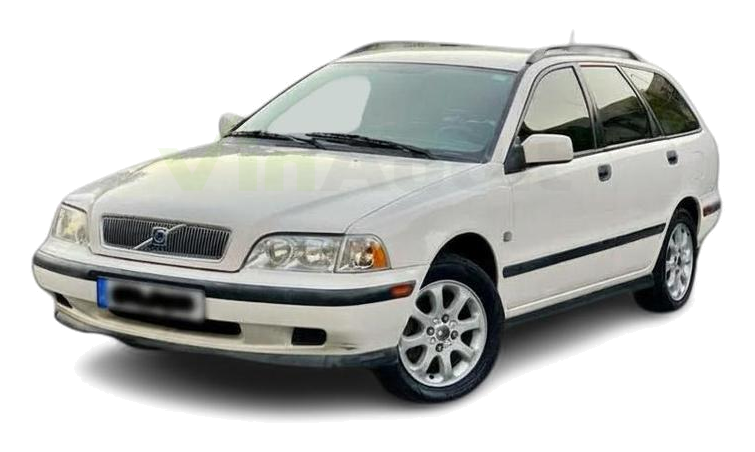
2000 Volvo V40 Overview, Reviews, Ratings & Specs

Rating: 0.00
Based on 0 Owner Reviews â–
Drew B | March 31, 2025
The 2000 Volvo V40 is a compact wagon produced as part of the first generation V40 (1995-2004). It offered a blend of practicality and safety, a Volvo hallmark. Available trims included base models and higher-spec versions with enhanced features. Its pricing when new was competitive within the compact wagon segment. It was popular for its comfortable ride, spacious cargo area, and the Volvo reputation for safety.
The Good

The 2000 Volvo V40 offered a comfortable ride and a practical wagon body style, appealing to those needing space. While not a performance car, its engines provided adequate power for daily driving. Its reliability record, while not perfect, was generally decent, and the Volvo name evoked a sense of safety and dependability, appealing to both emotional and practical buyers. It was also a good value for money as a used car.

The Bad

Common weaknesses of the 2000 Volvo V40 include potential issues with the electronic throttle module (ETM), which can cause erratic idling or stalling. Suspension components, particularly bushings and struts, are also prone to wear. Additionally, some owners have reported problems with the climate control system and the power windows. Rust can also be a concern in areas with harsh winters.

2000 Volvo V40: Quick Overview

  • Engine Options:
    • 1.9L Turbocharged Inline-4 (B4204T)
  • Horsepower:
    • 160 hp (1.9L Turbo)
  • Fuel Economy (Estimated):
    • City: 20-22 mpg
    • Highway: 27-30 mpg
  • 0-60 mph Time (Estimated):
    • 8.5-9.5 seconds (depending on transmission and engine tune)
  • Towing Capacity:
    • Limited towing capacity; generally not recommended for heavy towing. Check owner's manual for specific limitations. Typically around 2000 lbs with trailer brakes.
  • Trim-Level Features:
    • Base: Standard features included power windows, power locks, air conditioning, and a basic sound system.
    • Upgraded trims: May include features like leather seats, sunroof, alloy wheels, upgraded sound system, cruise control, and fog lights. Some models had a sport suspension or appearance package. Many features were optional, so equipment varied significantly.
      The specifics of trim features depended heavily on the market where the V40 was sold and any options packages selected by the original buyer. Researching the specific VIN of a vehicle you are considering will yield the most accurate feature list. Electronic climate control (ECC) was a popular option, as was a trip computer.

2000 Volvo V40 Specifications

Vehicle Information
Year 2000
Make Volvo
Model V40
Trim -
Style -
Type Wagon
Category Compact Car
Manufacturing Details
Made In Netherlands
Manufacturing City -
Dimensions
Doors -
Curb Weight -
Gross Vehicle Weight Rating -
Overall Height -
Overall Length -
Overall Width -
Wheelbase Length -
Standard Seating -
Engine & Performance
Engine -
Engine Size -
Engine Cylinders -
Transmission -
Transmission Type -
Transmission Speeds -
Drivetrain -
Additional Features
Anti-Brake System -
Steering Type -
Pricing
Manufacturer Suggested Retail Price (MSRP) -
Invoice Price -
Delivery Charges -

Vehicle History Report

Vehicle
Specifications
Ownership
History
All History
Events
NMVTIS Title
History Check
Salvage/Rebuilt
Check
Accident
Check
Theft
Check
Open Lien
Check
Past Sale
Listings
Safety
Recalls
Odometer
Check
Market Price
Analysis

What Problems Does the 2000 Volvo V40 Have?

Frequently reported problems with the 2000 Volvo V40 include issues with the Electronic Throttle Module (ETM), leading to erratic idling, stalling, and reduced engine performance. The ETM is a common failure point and replacement or rebuild is often necessary. Suspension components, such as control arm bushings and struts/shocks, are also known to wear out, especially in regions with rough roads or harsh climates. Climate control issues, like malfunctioning blend door actuators, are another common complaint, resulting in inconsistent or incorrect temperature regulation. Power window regulators and motors are also prone to failure. Oil leaks, particularly from the valve cover gasket and rear main seal, can occur as the car ages. Turbocharger issues, while less frequent, can arise in turbocharged models due to oil starvation or wear. Check engine lights are common, often related to emissions system components. While specific recall information would need to be verified via official sources using the VIN, general Volvo recalls during this era often related to safety systems like airbags or seatbelts. Long-term reliability concerns primarily revolve around the aging electrical system and the availability of replacement parts for certain components. Regular maintenance, including timely oil changes and fluid flushes, is crucial for extending the lifespan of these vehicles.

How long will the 2000 Volvo V40 last?

A well-maintained 2000 Volvo V40 can reasonably achieve 200,000 miles or more. Years of service depend greatly on upkeep; many are still on the road after 20+ years. However, neglected V40s will likely require substantial repairs much sooner. Long-term durability is influenced by rust prevention, timely replacement of wear items (suspension, brakes), and addressing oil leaks promptly. Key weaknesses include the electronic throttle module, climate control system, and the potential for corrosion, especially in colder climates. Regular fluid changes and addressing minor issues promptly are crucial for maximizing longevity.

What Technology & Safety Features are Included?

The 2000 Volvo V40 offered a respectable level of tech and safety features for its time. Built-in tech was relatively basic compared to modern cars, primarily consisting of a radio/cassette player or optional CD player for entertainment. Some models had a trip computer displaying fuel economy and other information. Driver-assistance features were limited; cruise control was an available option on some trims. Safety was a key focus for Volvo. Standard safety features included anti-lock brakes (ABS), front airbags, and side-impact airbags. Traction control (STC) was available as an option. The V40 also featured Volvo's Side Impact Protection System (SIPS) designed to protect occupants in side collisions. Optional features included fog lights for improved visibility. Crash-test ratings from organizations like Euro NCAP (European New Car Assessment Programme) are available. The V40 generally performed well in crash tests, reflecting Volvo's commitment to safety. Keep in mind that crash test standards and procedures have evolved since 2000, so direct comparisons to modern vehicles are not always relevant. Check official sources like the IIHS (Insurance Institute for Highway Safety) or Euro NCAP for specific test results if available.

What Colors Options are Available?

Exterior Colors
Black Stone
Nautic Blue Pearl
Silver Sand Metallic
Midnight Blue Pearl
Classic Red
Seashell Metallic
Dark Olive Pearl
Graphite Grey Metallic
Arena Sand Pearl
Interior Colors
Beige interior
Black interior

2000 Volvo V40 Prices and Market Value

The 2000 Volvo V40 had a new price ranging from approximately $23,000 to $28,000, depending on the trim and options. Current used market prices are significantly lower, typically ranging from $1,000 to $5,000, depending on condition, mileage, and location. Depreciation has been substantial due to the vehicle's age. Factors affecting resale value include overall condition, maintenance history, mileage, and the presence of desirable options like leather seats or a sunroof. The Volvo badge still carries some weight, but age and potential maintenance costs limit the car's resale value. Low mileage, exceptionally clean examples command a premium, but these are rare.

2000 Volvo V40 Cost of Ownership

Insurance costs for a 2000 Volvo V40 are generally moderate, varying based on driver history and coverage levels. Fuel costs depend on driving habits, but the V40's fuel economy is reasonable for its class. Maintenance and repair costs can be higher than average due to the age of the vehicle and potential for component failures. Parts availability may be a factor, leading to increased costs. Long-term ownership can be costly if major repairs are needed. While not inherently uneconomical, careful maintenance and proactive repairs are essential to minimize expenses.

2000 Volvo V40 Fuel Efficiency

Fuel Type -
Fuel Capacity -
City Mileage -
Highway Mileage -

2000 Volvo V40 Insurance

Insurance for a 2000 Volvo V40 is moderately priced, reflecting its status as a Wagon with strong safety ratings and
reasonable repair costs.

How Does the 2000 Volvo V40 Compare to Other Wagon?

The 2000 Volvo V40 competed against other compact wagons and hatchbacks like the Volkswagen Golf/Jetta Wagon, Mazda Protege5, and Subaru Impreza Wagon. In terms of performance, the V40's turbocharged engine offered decent power, but it wasn't as sporty as some rivals like the Mazda Protege5. Feature-wise, the V40 offered a good level of safety equipment for its time, but lagged behind in modern tech and entertainment features compared to later models of its competitors. Reliability-wise, the V40 had some known issues, particularly with the ETM, which could make it less reliable than some Japanese competitors. Price-wise, a used V40 is typically affordable, but potential repair costs should be factored in. The VW Golf/Jetta Wagon offered a similar blend of practicality and European refinement and might be a better alternative if reliability is a major concern. The Subaru Impreza Wagon provides all-wheel drive, which is beneficial in snowy conditions. The Mazda Protege5 offers a sportier driving experience. Ultimately, the best alternative depends on individual priorities – whether it's reliability, performance, or all-weather capability.

Ranks #2118 Sedan

1 2023 Toyota Camry (5.0★)
2 2023 Honda Accord (0.0★)
3 2023 Lexus ES (0.0★)
4 2024 Subaru Legacy (5.0★)
5 2022 Mazda MX-30 (4.0★)
6 2024 BMW M3 (0.0★)
7 2023 Ford Mustang (5.0★)
8 2023 Mercedes-Benz AMG GT (0.0★)
9 2023 Audi A3 (0.0★)
10 2023 Chevrolet Camaro (5.0★)
11 2023 Hyundai Elantra Hybrid (0.0★)
12 2023 Nissan Altima (4.0★)
2118 2000 Volvo V40 (0.0★)

Final Verdict: Is the 2000 Volvo V40 a Good Wagon?

The 2000 Volvo V40 is ideal for someone seeking an affordable and practical used wagon with a touch of European flair. It's worth buying *if* you're prepared for potential maintenance and repair costs associated with an older vehicle. A pre-purchase inspection by a qualified mechanic is strongly recommended. Look for examples with a well-documented maintenance history and minimal rust. Specific trims are less crucial than overall condition and maintenance. A V40 can be a decent choice as a budget-friendly daily driver, but be prepared to invest time and money to keep it running reliably. Don't buy without a thorough check, and be prepared to DIY some repairs to save money.

2000 Volvo V40 Owner Reviews

0.00
Consumer Rating, Based on 0 Consumer Reviews
Overall rating
Cancel
Thank You for Your Review!

We truly appreciate the time and effort you took to share your experience with us.

Uh oh!

Something went wrong, please try again later.

Author Image
Drew B

Drew is a seasoned automotive expert and contributor to VinCheck.info. With nearly 15 years of experience as a former Porsche technician, he brings a wealth of hands-on knowledge to his writing. Born in North Carolina, a region renowned for its deep-rooted NASCAR culture, Drew developed a passion for cars early in life, often building and working on vehicles from a young age. At VINCheck, Drew leverages his extensive technical background to provide in-depth analyses of various vehicles. His articles often focus on engine performance, reliability, and maintenance insights, offering readers practical information grounded in real-world experience. Some of his notable contributions include reviews on the Mazda CX-5's longevity and detailed examinations of engine options for models like the 2011 Toyota Camry and Tacoma