
The Good
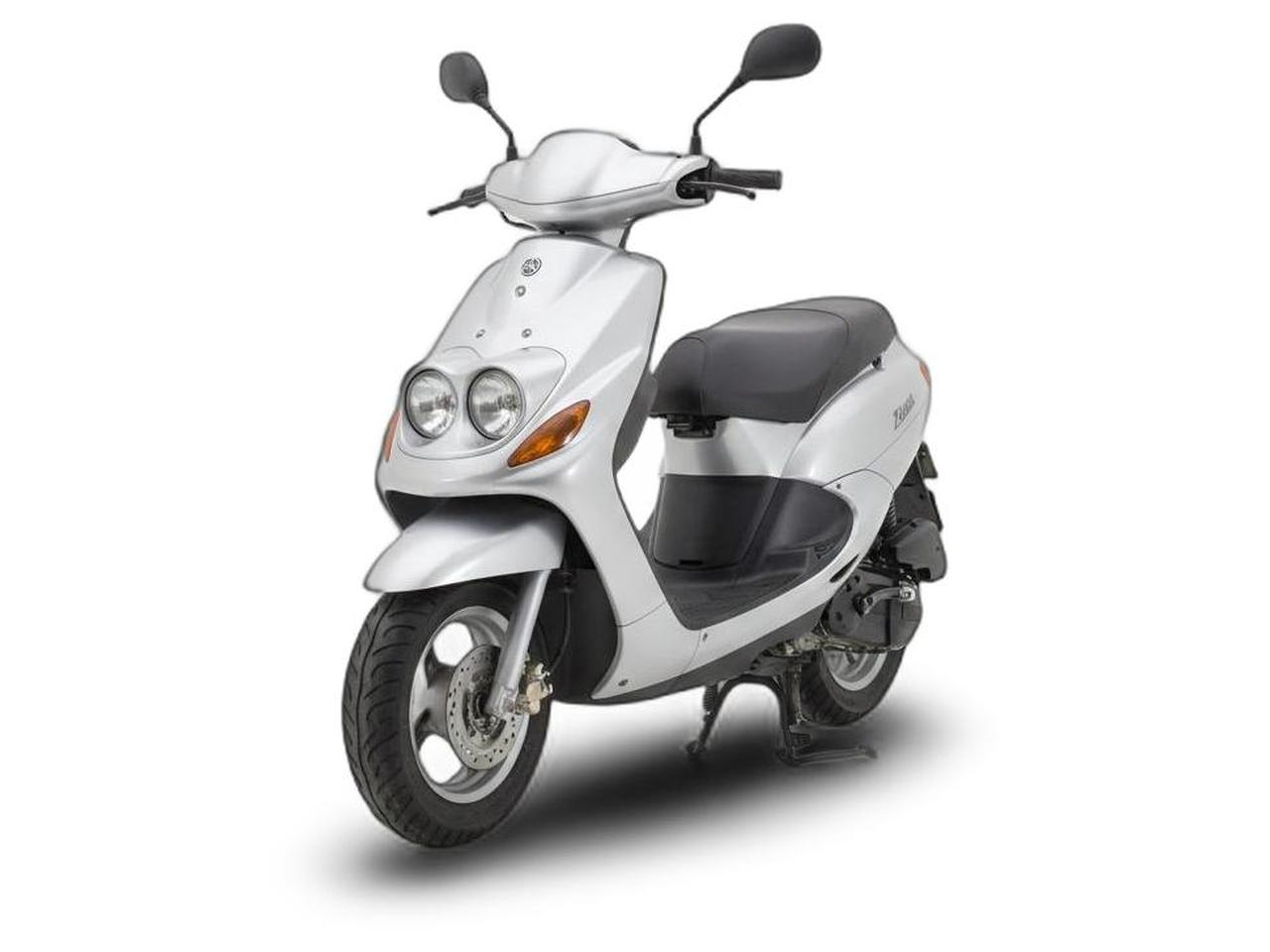
The 1998 Yamaha CW50 Zuma boasts impressive agility and a peppy engine for its class, ensuring reliable urban transit. Its iconic, tough design appeals to style-conscious riders, while its fuel efficiency and low maintenance costs satisfy the practical buyer. It's a dependable, fun, and economical choice.
The Bad
When considering a 1998 Yamaha CW50 Zuma, be aware of potential acceleration limitations at higher speeds and a somewhat basic suspension that might feel firm on rough roads. Finding original parts can sometimes be a challenge, and some older models may exhibit minor electrical gremlins or wear on plastic body panels.
1998 Yamaha CW50 Zuma: Quick Overview
Here are the key specifications for the 1998 Yamaha CW50 Zuma:
- Engine Options: The 1998 Yamaha CW50 Zuma is equipped with a single engine option.
- Engine Type: It features a 49cc, liquid-cooled, two-stroke, single-cylinder engine. This powerplant is known for its simplicity and efficiency in the scooter segment.
- Horsepower: Official horsepower figures for this generation of the Zuma are typically around 4.3 to 4.5 horsepower. This is adequate for its intended urban commuting and light recreational use, providing spirited acceleration from a standstill.
- Fuel Economy: The Zuma is highly fuel-efficient, achieving an estimated 70-80 miles per gallon (MPG) under typical riding conditions. This makes it an extremely economical choice for daily travel.
- 0-60 Times: As a 50cc scooter, the 1998 Yamaha CW50 Zuma is not designed for rapid acceleration to higher speeds. Its 0-60 mph time is not a relevant metric and would be significantly lengthy, likely exceeding 20-30 seconds or more. Its performance is optimized for lower speeds within city limits.
- Towing Capacity: The 1998 Yamaha CW50 Zuma does not have a towing capacity. It is a personal mobility vehicle designed for carrying a rider and potentially a passenger, along with light cargo in its under-seat storage or on optional racks.
- Trim-Level Features: The 1998 model year generally came in a single, well-equipped configuration. Key features include:
- Automatic Transmission: It features a continuously variable transmission (CVT) for seamless, twist-and-go acceleration, making it very easy to ride.
- Under-Seat Storage: Ample storage space is available beneath the seat, perfect for helmets, groceries, or other essentials.
- Rugged Styling: Its distinctive "super scooter" look with exposed frame elements and chunky tires sets it apart from more conventional scooters.
- Front Disc Brake: A front disc brake provides effective stopping power.
- Rear Drum Brake: A rear drum brake complements the front brake for reliable stopping.
- Shaft Drive: The Zuma utilizes a reliable shaft drive system, minimizing maintenance compared to chain-driven scooters.
- Dual Headlights: For enhanced visibility.
- Passenger Footrests: Allowing for comfortable tandem riding.
- Robust Suspension: Designed to handle varied urban terrain.
1998 Yamaha CW50 Zuma Specifications
Vehicle Information
| Year | 1998 |
| Make | Yamaha |
| Model | CW50 |
| Trim | - |
| Style | - |
| Type | Scooter |
| Category | Motorcycle |
Manufacturing Details
| Made In | France |
| Manufacturing City | SAINT QUENTIN |
Dimensions
| Doors | - |
| Curb Weight | - |
| Gross Vehicle Weight Rating | - |
| Overall Height | - |
| Overall Length | - |
| Overall Width | - |
| Wheelbase Length | - |
| Standard Seating | - |
Engine & Performance
| Engine | 50CC |
| Engine Size | 50L |
| Engine Cylinders | 1 |
| Transmission | - |
| Transmission Type | - |
| Transmission Speeds | - |
| Drivetrain | - |
Additional Features
| Anti-Brake System | - |
| Steering Type | - |
Pricing
| Manufacturer Suggested Retail Price (MSRP) | - |
| Invoice Price | - |
| Delivery Charges | - |
Vehicle History Report
Specifications
History
Events
History Check
Check
Check
Check
Check
Listings
Recalls
Check
Analysis
What Problems Does the 1998 Yamaha CW50 Zuma Have?
One of the most frequently reported areas for any older scooter, including the Zuma, relates to the fuel system. Over years of use, the carburetor can become clogged with fuel varnish or debris, leading to starting issues, rough idling, or poor performance. Cleaning and properly tuning the carburetor are routine maintenance tasks, but a neglected one can be a significant headache. Fuel lines can also degrade over time and may need replacement to prevent leaks.
The cooling system, while generally robust due to its liquid-cooling design, can develop issues. Leaks from hoses, the radiator, or the water pump seal are possibilities on older units. The coolant itself should be flushed and replaced periodically to prevent corrosion and maintain cooling efficiency. Overheating can lead to more serious engine damage.
Electrical components are another area to scrutinize. While not a widespread epidemic, individual units might experience issues with the starter motor, battery charging system (stator or rectifier/regulator), or ignition components. Wiring harnesses can also fray or corrode over time, leading to intermittent electrical problems. Owners often report issues with burned-out bulbs due to vibration or aging sockets.
The two-stroke engine, while simple, requires specific maintenance. Spark plugs can foul more frequently than in a four-stroke, and the oil injection system needs to be monitored for proper function and fluid levels to ensure adequate lubrication. If the oil injection system fails and isn't detected, it can lead to severe engine damage.
The suspension components, particularly shocks and fork seals, can wear out, leading to a less comfortable ride and potentially compromised handling. Brake components, like pads, shoes, and cables, will also require regular inspection and replacement due to normal wear and tear.
Regarding recalls, Yamaha typically issues recalls for specific safety defects identified across a production run. For a 1998 model year, any active recalls would have been addressed many years ago. However, it's always wise to check with a Yamaha dealer or consult online recall databases using the scooter's VIN to see if any safety campaigns were ever issued for this specific model and year.
Long-term reliability is generally excellent for the CW50 Zuma, provided it has been reasonably maintained. Its simple mechanical design contributes to its durability. The key to long-term ownership is consistent adherence to maintenance schedules, including oil changes (for the transmission and premix if applicable, or monitoring the oil injection), coolant flushes, carburetor cleaning, and general component checks. Models that have been neglected are more likely to exhibit the problems mentioned above.
How long will the 1998 Yamaha CW50 Zuma last?
What Technology & Safety Features are Included?
Technology: The technology is straightforward. It features a basic LCD or analog instrument cluster displaying essential information such as speed, odometer, and fuel level (if equipped with a gauge, otherwise it might be a warning light). There are no complex infotainment systems, GPS, or Bluetooth connectivity. The ignition system is standard keyed ignition, and the lighting system consists of a headlight, taillight, and turn signals, all operated by simple switches.
Entertainment: Entertainment is derived purely from the riding experience itself and the freedom of movement the scooter provides. There are no built-in audio systems or media players.
Driver-Assistance Features: Driver-assistance systems as we know them today were virtually nonexistent on scooters of this era. The Zuma relies entirely on the rider's awareness and skill. There are no anti-lock braking systems (ABS), traction control, or advanced rider aids. The automatic transmission (CVT) simplifies the riding process significantly, which can be considered a form of ease-of-use assistance for less experienced riders.
Safety Features: Safety features are basic but functional for a scooter of its class. It is equipped with:
- Front Disc Brake: Provides effective and responsive stopping power for the front wheel.
- Rear Drum Brake: Offers reliable braking for the rear wheel.
- Headlight and Taillight: Essential for visibility during day and night riding.
- Turn Signals: Front and rear turn signals to indicate intended directional changes.
- Mirrors: Standard rearview mirrors for monitoring traffic behind.
Optional Features: While the 1998 model year typically came in one configuration, owners could often add accessories such as:
- Luggage Racks: For carrying additional items.
- Windshields: To provide some protection from wind and debris.
- Upgraded Seats: For enhanced comfort.
- Security Systems: Aftermarket alarms or GPS trackers for theft deterrence.
Crash-Test Ratings: Specific crash-test ratings for individual scooter models like the 1998 Yamaha CW50 Zuma are generally not available in the same way they are for cars. Scooters are not subject to the same rigorous government crash testing protocols. Safety is primarily dependent on rider skill, protective gear, and adherence to traffic laws. The scooter's relatively small size and lack of crumple zones mean that in the event of a collision with larger vehicles, protection for the rider is minimal.
What Colors Options are Available?
1998 Yamaha CW50 Zuma Prices and Market Value
Currently, the used market prices for a 1998 Yamaha CW50 Zuma can range widely, from as low as $500 for models in rough condition needing significant work, to $1,500 or even $2,000+ for well-maintained, low-mileage examples. Factors significantly affecting resale value include the overall condition (cosmetic and mechanical), mileage, originality of parts, maintenance history, and the demand in a particular region. Enthusiasts often seek out these older Zumas for their unique styling and potential for customization, which can bolster their resale value beyond that of more generic scooters.
1998 Yamaha CW50 Zuma Cost of Ownership
1998 Yamaha CW50 Zuma Fuel Efficiency
1998 Yamaha CW50 Zuma Warranty
Basic
Powertrain
Rust
1998 Yamaha CW50 Zuma Insurance
reasonable repair costs.
How Does the 1998 Yamaha CW50 Zuma Compare to Other Scooter?
Performance: In terms of performance, the Zuma's 49cc liquid-cooled, two-stroke engine offered a respectable, peppy acceleration for its class, often outperforming air-cooled competitors from a standstill. While top speeds were similar among 50cc scooters (legally capped in many areas), the Zuma felt particularly lively for weaving through city traffic. Rivals like the Honda Metropolitan, with its four-stroke engine, might offer slightly better fuel economy but often felt less punchy. The Suzuki Katana also offered a sporty feel.
Features: The Zuma stood out with its rugged, utilitarian, and somewhat aggressive styling, a departure from the more conventional, often pastel-colored, designs of many rivals. Its dual headlights and robust chassis were notable. Competitors like the Aprilia Scarabeo offered more premium features such as a front disc brake as standard and perhaps a more sophisticated suspension. The Honda Metropolitan, while stylish, was more of a retro-styled, classic-looking scooter.
Reliability: Yamaha has a stellar reputation for reliability, and the CW50 Zuma is no exception. Its liquid-cooled two-stroke engine, while requiring premix oil or a functional oil injection system, is generally robust and durable. Rivals also offered good reliability; Honda is legendary for its dependability. Suzuki and Aprilia also produced reliable scooters, though some European brands occasionally had higher maintenance costs for specialized parts. The Zuma's simple, functional design contributed to its long-term dependability.
Price: When new, the Zuma was competitively priced, often in the mid-to-upper range for 50cc scooters, reflecting its more advanced liquid-cooled engine and distinctive build. Rivals were similarly priced, with some more feature-laden European models potentially being more expensive. On the used market today, the Zuma's unique styling and Yamaha badge can command a strong price, sometimes higher than comparable models from other brands due to its cult following.
Recommendations:
- Similar Alternatives: For those seeking a similar quirky and robust aesthetic with good performance, the Suzuki AY50 Katana offers a comparable experience. For a more classic, user-friendly scooter with excellent reliability and economy, the Honda Metropolitan (later models) is a strong contender, though its performance is typically more sedate.
- Better Alternatives (if applicable): If pure performance or more modern features are a priority, one might consider stepping up to a 125cc or 150cc scooter from any of the major brands (Yamaha, Honda, Kymco, SYM), which would offer significantly more power and highway capability, albeit at a higher purchase price, insurance cost, and fuel consumption. However, for pure 50cc urban agility and distinctive style, the 1998 Zuma remains a compelling choice.
Final Verdict: Is the 1998 Yamaha CW50 Zuma a Good Scooter?
Whether it's worth buying depends heavily on its condition. Given its age, purchasing a well-maintained, low-mileage example is crucial. It is definitely worth buying if you prioritize its distinctive character and excellent fuel efficiency over outright speed or modern tech. For used buyers, inspecting for common issues like carburetor cleanliness, cooling system integrity, and electrical connections is key. It's a fantastic value when found in good shape, offering years of reliable service for those who appreciate its cult classic status and practical advantages.

Cathleen V
Cathleen is an exceptional freelance writer covering hot topics in the automotive world from a gearhead's perspective. Her articles delve into various aspects of automotive technology and history, offering readers detailed insights into engine performance, reliability, and maintenance. Through her engaging and informative writing, Cathleen provides valuable information to automotive enthusiasts and consumers alike, helping them make informed decisions about vehicle maintenance and purchases.