
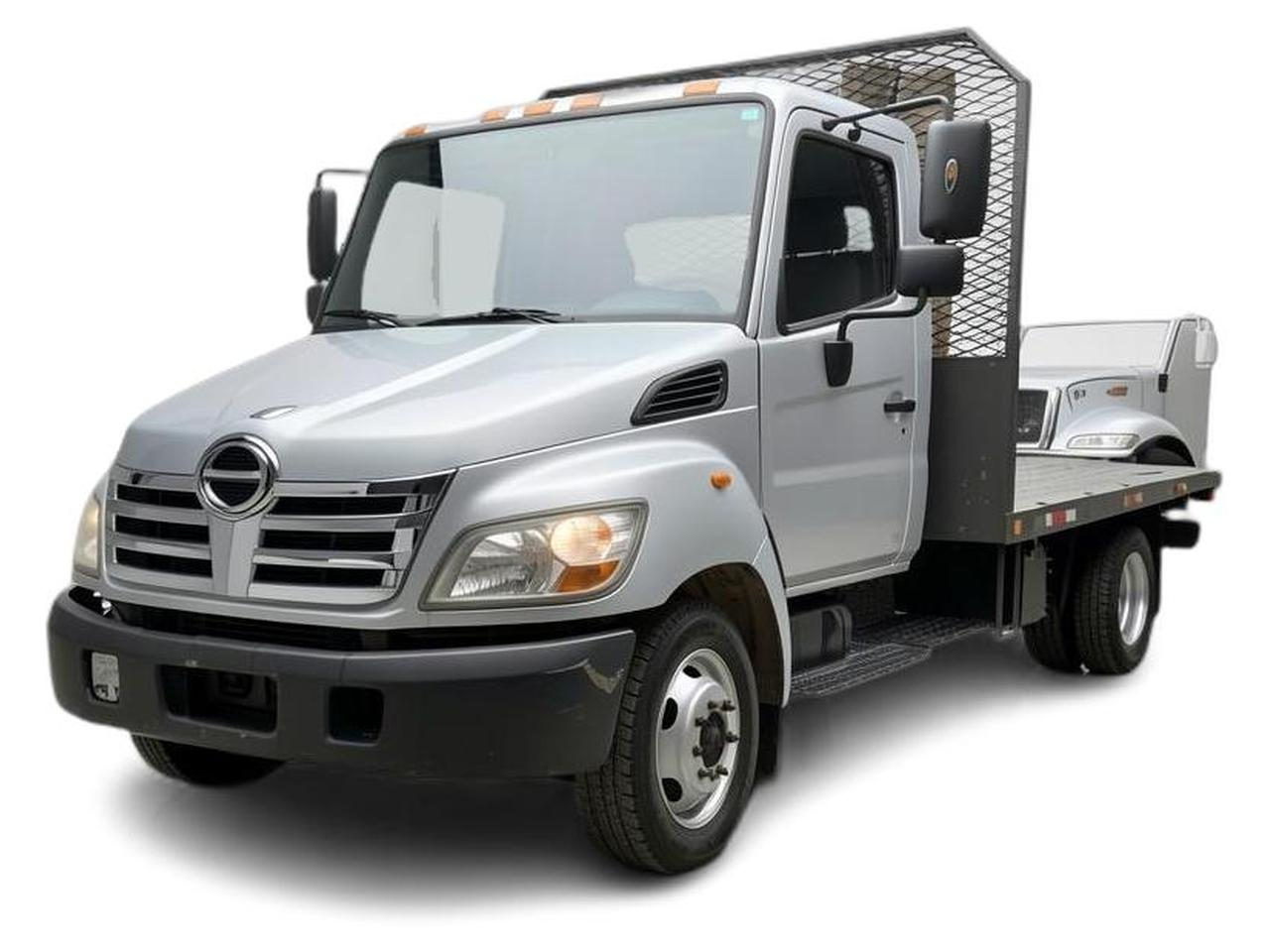
The 2008 Hino 185 is a Class 4 commercial truck, part of Hino's long-standing tradition of producing reliable work vehicles. Primarily offered as a chassis-cab, it allowed businesses to customize with various bodies like box trucks, stake beds, or service bodies. While specific trims are less defined than passenger cars, its popularity stems from its robust build, straightforward operation, and suitability for medium-duty hauling and specialized applications. New pricing would have been in the tens of thousands, depending on configuration.
The Good
The 2008 Hino 185 excels in practical aspects, offering robust performance for daily work needs and renowned reliability that minimizes downtime. Its straightforward design prioritizes functionality, appealing to businesses seeking dependable workhorses. This focus on durability translates to excellent long-term value.
The Bad
Potential buyers of the 2008 Hino 185 should be aware of typical wear and tear on commercial vehicles, such as braking system components, exhaust systems, and potential for rust in certain climates. Limited modern technology and a utilitarian interior might also be considered drawbacks for some.
2008 Hino 185: Quick Overview
- Engine Options: The primary engine for the 2008 Hino 185 was typically a Hino J08E-TC inline-4 turbocharged diesel engine.
- Horsepower: This engine generally produced around 175 horsepower.
- Torque: Torque figures were substantial, often in the range of 360-400 lb-ft, crucial for hauling.
- Fuel Economy: Fuel economy for commercial vehicles of this size and purpose is not typically measured with the same focus as passenger cars, but owners would expect figures in the range of 10-15 MPG, highly dependent on load, terrain, and driving style.
- 0-60 Times: 0-60 mph times are not a standard metric for commercial trucks and are generally not published. Performance is geared towards torque and acceleration under load rather than speed.
- Towing Capacity: The Hino 185 is a Class 4 truck, with a Gross Vehicle Weight Rating (GVWR) typically around 14,500 lbs. Towing capacity would depend on the specific configuration and trailer setup, but it's designed for substantial hauling of equipment or goods.
- Transmission: Available transmissions often included an Allison 5-speed automatic or a manual transmission.
- Braking System: Hydraulic disc brakes were standard, designed for heavy-duty use.
- Suspension: Typically featured heavy-duty leaf spring suspension for durability and load-carrying.
- Wheelbase Options: Various wheelbase lengths were available to accommodate different body types and load distribution needs.
- Chassis-Cab Configuration: The dominant body style was the chassis-cab, allowing for customization with a wide array of aftermarket bodies.
- Interior Features: The interior was designed for functionality and durability rather than luxury. Standard features would include power steering, basic climate control, a radio, and durable seating. Specific features could vary slightly by dealer-installed options or aftermarket additions.
- Driver-Focused Design: The cab ergonomics were centered around the driver for long working hours.
- Body Builder Standards: The chassis was designed with standard electrical and mounting points to facilitate upfitting by body manufacturers.
2008 Hino 185 Specifications
Vehicle Information
| Year | 2008 |
| Make | Hino |
| Model | 185 |
| Trim | - |
| Style | - |
| Type | Truck |
| Category | - |
Manufacturing Details
| Made In | United States |
| Manufacturing City | WILLIAMSTOWN |
Dimensions
| Doors | - |
| Curb Weight | - |
| Gross Vehicle Weight Rating | 19500 pounds |
| Overall Height | - |
| Overall Length | - |
| Overall Width | - |
| Wheelbase Length | - |
| Standard Seating | - |
Engine & Performance
| Engine | 4.7L I4 |
| Engine Size | 4.7L |
| Engine Cylinders | 4 |
| Transmission | - |
| Transmission Type | - |
| Transmission Speeds | - |
| Drivetrain | - |
Additional Features
| Anti-Brake System | - |
| Steering Type | - |
Pricing
| Manufacturer Suggested Retail Price (MSRP) | - |
| Invoice Price | - |
| Delivery Charges | - |
Vehicle History Report
Vehicle
Specifications
Specifications
Ownership
History
History
All History
Events
Events
NMVTIS Title
History Check
History Check
Salvage/Rebuilt
Check
Check
Accident
Check
Check
Theft
Check
Check
Open Lien
Check
Check
Past Sale
Listings
Listings
Safety
Recalls
Recalls
Odometer
Check
Check
Market Price
Analysis
Analysis
What Problems Does the 2008 Hino 185 Have?
The 2008 Hino 185, like many commercial vehicles, is generally regarded for its robustness and long-term reliability when properly maintained. However, as with any vehicle, certain areas can be points of attention for owners. Frequently reported issues tend to revolve around components that experience high wear due to their intended use. The diesel particulate filter (DPF) system, common in diesel engines of this era, can sometimes require cleaning or replacement, especially if the vehicle is used primarily for short trips with insufficient regeneration cycles. Exhaust gas recirculation (EGR) systems can also become clogged with carbon buildup over time, leading to performance issues. The transmission, whether automatic or manual, is a critical component and requires regular fluid checks and changes to ensure longevity; hard use or neglect can lead to costly repairs.
Brake components, including pads, rotors, and calipers, will naturally wear down over time due to the vehicle's weight and frequent braking. Suspension components, such as leaf springs and bushings, can also experience wear and tear, particularly if consistently carrying heavy loads or operating on rough terrain. Electrical issues are less commonly cited as a major concern for Hino trucks of this generation, but like any vehicle, individual components like alternators, starters, or sensors can fail over time. Rust and corrosion can be a concern, especially for trucks operating in harsh climates with exposure to salt.
Regarding recalls for the 2008 model year Hino 185, it is essential to consult the National Highway Traffic Safety Administration (NHTSA) database or Hino's official recall information for the most accurate and up-to-date details. Specific recalls can vary widely and might pertain to minor safety issues or specific component defects. Owners should always check for any outstanding recalls for their specific VIN. In terms of long-term reliability, Hino trucks, including the 185, have a reputation for lasting hundreds of thousands of miles with consistent and diligent maintenance, which is paramount for any commercial application.
Brake components, including pads, rotors, and calipers, will naturally wear down over time due to the vehicle's weight and frequent braking. Suspension components, such as leaf springs and bushings, can also experience wear and tear, particularly if consistently carrying heavy loads or operating on rough terrain. Electrical issues are less commonly cited as a major concern for Hino trucks of this generation, but like any vehicle, individual components like alternators, starters, or sensors can fail over time. Rust and corrosion can be a concern, especially for trucks operating in harsh climates with exposure to salt.
Regarding recalls for the 2008 model year Hino 185, it is essential to consult the National Highway Traffic Safety Administration (NHTSA) database or Hino's official recall information for the most accurate and up-to-date details. Specific recalls can vary widely and might pertain to minor safety issues or specific component defects. Owners should always check for any outstanding recalls for their specific VIN. In terms of long-term reliability, Hino trucks, including the 185, have a reputation for lasting hundreds of thousands of miles with consistent and diligent maintenance, which is paramount for any commercial application.
How long will the 2008 Hino 185 last?
The 2008 Hino 185 is built for longevity and commercial duty. With diligent maintenance, including regular oil changes, filter replacements, and fluid checks, these trucks are known to easily surpass 200,000 miles and often reach 300,000 to 500,000 miles or more. Many are still in active service after 15 years. The core powertrain and chassis are exceptionally durable. Weaknesses over time, however, are generally tied to wear-and-tear components, as discussed previously. Regular attention to the DPF and EGR systems, proper brake maintenance, and keeping an eye on suspension bushings will maximize lifespan. Neglecting routine maintenance is the primary factor that limits the vehicle's service life and leads to more significant, costly repairs down the line.
What Technology & Safety Features are Included?
The 2008 Hino 185 prioritizes functionality and durability over cutting-edge technology, which is typical for commercial vehicles of its era. Built-in tech and entertainment features are generally basic. Expect a standard AM/FM radio, possibly with a CD player, and basic climate control (heating and air conditioning). Power windows and door locks might have been optional on some configurations, but manual operation was also common to enhance reliability. The focus is on a straightforward, no-frills cabin designed for the driver to operate efficiently and comfortably during long workdays.
Driver-assistance features are virtually non-existent on the 2008 Hino 185. Systems like rearview cameras, navigation, lane departure warnings, or adaptive cruise control were not standard or widely available options. The primary safety features would include standard seatbelts, hydraulic disc brakes, and robust construction to protect occupants in the event of a collision. Side airbags and advanced stability control systems were not features typically found in this class of commercial truck from this model year.
Crash-test ratings for commercial trucks like the Hino 185 are generally not conducted or published by organizations like the NHTSA or IIHS in the same way they are for passenger vehicles. The design emphasis is on structural integrity to withstand heavy loads and work environments. The vehicle's frame and cab are engineered for resilience. Optional features would primarily relate to the upfit of the chassis with specific body types (e.g., a heavy-duty liftgate, specialized toolboxes, or enhanced lighting for work sites) rather than electronic amenities. Owners seeking advanced tech or driver aids would typically look to much newer commercial vehicle models or explore aftermarket solutions.
Driver-assistance features are virtually non-existent on the 2008 Hino 185. Systems like rearview cameras, navigation, lane departure warnings, or adaptive cruise control were not standard or widely available options. The primary safety features would include standard seatbelts, hydraulic disc brakes, and robust construction to protect occupants in the event of a collision. Side airbags and advanced stability control systems were not features typically found in this class of commercial truck from this model year.
Crash-test ratings for commercial trucks like the Hino 185 are generally not conducted or published by organizations like the NHTSA or IIHS in the same way they are for passenger vehicles. The design emphasis is on structural integrity to withstand heavy loads and work environments. The vehicle's frame and cab are engineered for resilience. Optional features would primarily relate to the upfit of the chassis with specific body types (e.g., a heavy-duty liftgate, specialized toolboxes, or enhanced lighting for work sites) rather than electronic amenities. Owners seeking advanced tech or driver aids would typically look to much newer commercial vehicle models or explore aftermarket solutions.
What Colors Options are Available?
2008 Hino 185 Prices and Market Value
When new, the 2008 Hino 185, as a Class 4 commercial truck, would have had a base price in the range of $50,000 to $70,000, depending heavily on the chosen wheelbase, engine specifications, and transmission. The final price would increase significantly once a custom body (box, stake bed, etc.) was installed. Depreciation on commercial vehicles is often less steep than on passenger cars, especially for well-maintained, practical work trucks. A 2008 Hino 185 in good condition with moderate mileage could currently sell for anywhere from $15,000 to $30,000 or more, again, highly dependent on its condition, mileage, body type, and overall utility. Factors affecting resale value include maintenance history, tire condition, absence of significant rust, and the specific vocational application the truck is suited for.
2008 Hino 185 Cost of Ownership
Owning a 2008 Hino 185 involves specific cost considerations. Insurance will likely be higher than for a standard passenger vehicle due to its commercial classification and value. Fuel costs are significant; while it offers decent MPG for its class, the diesel engine consumes more fuel than a smaller gasoline engine. Maintenance is crucial and, while standard oil changes are manageable, specialized diesel components and potential repairs can be costly. However, its long-term durability means fewer major replacements over its lifespan, offsetting some of the expense. Overall, while not cheap to operate daily, its reliability and longevity often make it economical for businesses due to reduced downtime and extended service life compared to less robust vehicles.
2008 Hino 185 Fuel Efficiency
Fuel Type
Diesel
Fuel Capacity
-
City Mileage
-
Highway Mileage
-
2008 Hino 185 Warranty
Basic
Original warranty
0 months / No data
Estimated remaining
Expired
Powertrain
Original warranty
0 months / No data
Estimated remaining
Expired
Rust
Original warranty
0 months / No data
Estimated remaining
Expired
2008 Hino 185 Insurance
Insurance for a 2008 Hino 185 is moderately priced, reflecting its status as a Truck with strong safety ratings and
reasonable repair costs.
How Does the 2008 Hino 185 Compare to Other Truck?
The 2008 Hino 185 competes in the Class 4 commercial truck segment, facing strong rivals from manufacturers like Isuzu (e.g., NPR), Mitsubishi Fuso (e.g., FE Series), and sometimes Ford (e.g., F-650, though often in a higher class).
Performance: In terms of engine performance, the Hino's J08E-TC diesel engine typically offered competitive torque and horsepower for its class, making it well-suited for hauling. Isuzu and Mitsubishi Fuso also provide capable diesel engines with similar power outputs, often prioritizing fuel efficiency and durability. The Hino generally holds its own, offering a robust drivetrain.
Features: The Hino 185 is characterized by its utilitarian design. Features are basic and focused on functionality. Competitors like Isuzu and Mitsubishi Fuso also tend to offer similar levels of interior simplicity, emphasizing durability. Ford's F-650, when in a comparable GVWR class, might offer slightly more creature comforts or options, but often at a higher price point. None of these vehicles from 2008 are known for advanced technology or luxury features; this is a segment where practicality reigns.
Reliability: Hino has a strong reputation for reliability, and the 2008 185 is generally considered a dependable workhorse. Isuzu and Mitsubishi Fuso are also very well-regarded for their long-term durability and low cost of ownership in the commercial sector. All three Japanese manufacturers have a proven track record in this market. Ford's F-650 can be reliable, but its more extensive use of automotive-style components might sometimes lead to different types of maintenance needs compared to the more purpose-built Japanese trucks.
Price: When new, pricing would have been competitive within the segment. In the used market, all these trucks from 2008 will have significantly depreciated. The Hino 185 often represents excellent value due to its strong reputation for longevity and lower maintenance costs compared to some European or heavier-duty American counterparts. For similar alternatives, the 2008 Isuzu NPR or 2008 Mitsubishi Fuso FE series are direct competitors that offer comparable performance, reliability, and utilitarian features. If a slightly larger or more robust platform is desired, and budget allows, a used Ford F-650 could be considered, though it might come with higher running costs.
Performance: In terms of engine performance, the Hino's J08E-TC diesel engine typically offered competitive torque and horsepower for its class, making it well-suited for hauling. Isuzu and Mitsubishi Fuso also provide capable diesel engines with similar power outputs, often prioritizing fuel efficiency and durability. The Hino generally holds its own, offering a robust drivetrain.
Features: The Hino 185 is characterized by its utilitarian design. Features are basic and focused on functionality. Competitors like Isuzu and Mitsubishi Fuso also tend to offer similar levels of interior simplicity, emphasizing durability. Ford's F-650, when in a comparable GVWR class, might offer slightly more creature comforts or options, but often at a higher price point. None of these vehicles from 2008 are known for advanced technology or luxury features; this is a segment where practicality reigns.
Reliability: Hino has a strong reputation for reliability, and the 2008 185 is generally considered a dependable workhorse. Isuzu and Mitsubishi Fuso are also very well-regarded for their long-term durability and low cost of ownership in the commercial sector. All three Japanese manufacturers have a proven track record in this market. Ford's F-650 can be reliable, but its more extensive use of automotive-style components might sometimes lead to different types of maintenance needs compared to the more purpose-built Japanese trucks.
Price: When new, pricing would have been competitive within the segment. In the used market, all these trucks from 2008 will have significantly depreciated. The Hino 185 often represents excellent value due to its strong reputation for longevity and lower maintenance costs compared to some European or heavier-duty American counterparts. For similar alternatives, the 2008 Isuzu NPR or 2008 Mitsubishi Fuso FE series are direct competitors that offer comparable performance, reliability, and utilitarian features. If a slightly larger or more robust platform is desired, and budget allows, a used Ford F-650 could be considered, though it might come with higher running costs.
Final Verdict: Is the 2008 Hino 185 a Good Truck?
The 2008 Hino 185 is an ideal choice for small to medium-sized businesses, contractors, and fleet operators who require a dependable, no-nonsense medium-duty truck for daily operations like local delivery, trades services, or hauling equipment. It is worth buying primarily in the used market, given its age. Its key strengths lie in its robust construction, proven reliability, and straightforward maintenance, which translate to lower long-term ownership costs. It is best suited for buyers prioritizing function over form and who have a clear understanding of its operational needs.
Conditions under which it is a good buy include a thorough inspection by a qualified mechanic, especially focusing on the diesel powertrain, DPF system, and chassis for rust. Specific trims are less relevant than the body type and overall condition. For businesses needing a workhorse that can withstand demanding use without excessive complication, the 2008 Hino 185 remains a sound investment when purchased wisely.
