
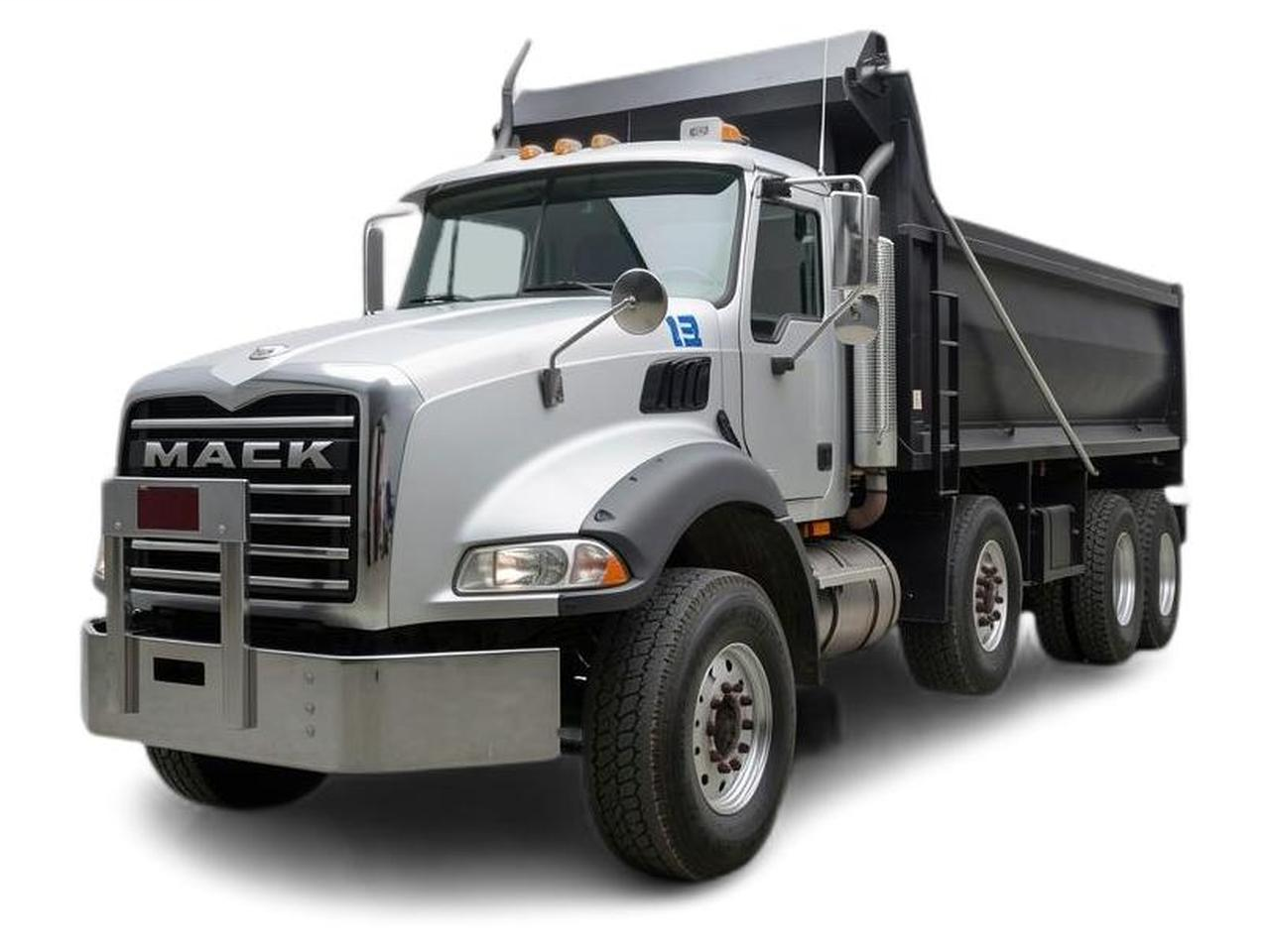
The 2006 Mack CT700 is a heavy-duty truck chassis designed primarily for vocational applications like refuse collection and construction. Introduced as part of Mack's continuous lineup, it featured a robust conventional cab configuration. While specific trims weren't as distinct as passenger vehicles, its popularity stemmed from its legendary Mack durability, powerful engine options, and configurable chassis for specialized upfitting. Pricing for new models varied significantly based on configuration and upfitting, often starting in the low $100,000s and extending much higher.
The Good
The 2006 Mack CT700 excels in brute strength and unwavering reliability, a practical dream for demanding work. Its iconic Mack bulldog heritage appeals emotionally, while its durable build and customizable chassis offer exceptional long-term value and operational efficiency.
The Bad
Potential weaknesses for the 2006 Mack CT700 include the complexity of its advanced emissions systems, which can be costly to repair if malfunctioning. Older units may also show wear and tear on the heavy-duty suspension and braking components, requiring diligent maintenance.
2006 Mack CT700: Quick Overview
- Engine Options: The 2006 Mack CT700 was typically equipped with robust Mack MP8 or Cummins ISX diesel engines. These were heavy-duty powerplants designed for sustained operation under extreme loads.
- Horsepower: Horsepower ratings varied depending on the specific engine and configuration chosen. For the Mack MP8, figures generally ranged from approximately 400 hp to over 500 hp. Cummins ISX engines offered a similar spectrum of power, often in the 400-450 hp range, but could be optioned higher.
- Fuel Economy: Fuel economy in heavy-duty vocational trucks like the CT700 is highly dependent on application, load, driving style, and specific engine tuning. Typical figures might range from 4 to 6 miles per gallon (MPG) under demanding vocational use, such as refuse collection or construction site hauling. Highway cruising could yield slightly better results, but these are not vehicles designed for fuel efficiency in the passenger car sense.
- 0-60 Times: 0-60 mph (or rather, 0-30 mph for practical vocational use) is not a relevant metric for the Mack CT700. Its acceleration is geared towards torque and load-carrying capacity, not rapid speed increases. When empty, acceleration would be brisk for its class, but when fully loaded, it would be significantly slower, prioritizing steady progress over speed.
- Towing Capacity: The towing capacity of a 2006 Mack CT700 is not a single fixed number but rather determined by its Gross Vehicle Weight Rating (GVWR), Gross Combination Weight Rating (GCWR), and axle configurations. These trucks are built for heavy hauling and can be configured to tow trailers weighing tens of thousands of pounds, often in the 50,000 to 80,000 lbs+ range, depending on the specific setup and trailer brakes.
- Trim-Level Features: As a vocational truck chassis, the CT700 didn't have traditional passenger vehicle trim levels like LX or EX. Instead, features were dictated by the body builder's upfitting and customer specifications. Standard features included a robust steel frame, heavy-duty axles, powerful braking systems (air brakes), and a conventional cab designed for driver visibility and ease of access. Optional features could include various seating configurations, advanced instrumentation, comfort enhancements for longer duty cycles, and specialized hydraulic systems for vocational bodies.
2006 Mack CT700 Specifications
Vehicle Information
| Year | 2006 |
| Make | Mack |
| Model | CT700 |
| Trim | - |
| Style | - |
| Type | Truck |
| Category | Heavy Truck |
Manufacturing Details
| Made In | United States |
| Manufacturing City | MACUNGIE |
Dimensions
| Doors | - |
| Curb Weight | - |
| Gross Vehicle Weight Rating | 330001 pounds |
| Overall Height | - |
| Overall Length | - |
| Overall Width | - |
| Wheelbase Length | - |
| Standard Seating | - |
Engine & Performance
| Engine | 12L I6 |
| Engine Size | 12L |
| Engine Cylinders | 6 |
| Transmission | - |
| Transmission Type | - |
| Transmission Speeds | - |
| Drivetrain | - |
Additional Features
| Anti-Brake System | - |
| Steering Type | - |
Pricing
| Manufacturer Suggested Retail Price (MSRP) | - |
| Invoice Price | - |
| Delivery Charges | - |
Vehicle History Report
Vehicle
Specifications
Specifications
Ownership
History
History
All History
Events
Events
NMVTIS Title
History Check
History Check
Salvage/Rebuilt
Check
Check
Accident
Check
Check
Theft
Check
Check
Open Lien
Check
Check
Past Sale
Listings
Listings
Safety
Recalls
Recalls
Odometer
Check
Check
Market Price
Analysis
Analysis
What Problems Does the 2006 Mack CT700 Have?
The 2006 Mack CT700, being a vocational heavy-duty truck, is built for extreme durability, and as such, major mechanical failures are less common than in lighter vehicles, assuming proper maintenance. However, like any complex machinery, issues can arise, particularly with components subject to significant wear and tear.
One area of concern for vehicles of this era, especially those equipped with advanced diesel engines, revolves around the emissions control systems. For 2006, EPA mandates for diesel emissions were becoming more stringent. This could mean potential issues with Diesel Particulate Filters (DPFs), Exhaust Gas Recirculation (EGR) systems, and Selective Catalytic Reduction (SCR) systems if equipped. These components can become clogged or fail, leading to reduced performance, increased fuel consumption, and costly repairs. Regular regeneration cycles and proper maintenance are crucial to mitigate these issues.
Another common area for wear in vocational trucks is the drivetrain and suspension. Clutch wear, differential issues, and problems with leaf springs or air suspension components can occur due to the constant heavy loads and demanding operating conditions. Bearing failures in wheel hubs or U-joint wear on the driveshaft are also possible, especially if the vehicle has been used for exceptionally tough jobs or has accumulated very high mileage.
Electrical gremlins, while not as prevalent as in some other manufacturers' trucks, can still surface. This might include issues with sensors, wiring harnesses (especially those exposed to vibration and the elements), or the alternator and starter. Dashboard warning lights related to engine performance or emissions could indicate underlying problems.
Regarding specific recalls for the 2006 model year, it's essential to consult the National Highway Traffic Safety Administration (NHTSA) database for any issued safety recalls. While the CT700 is a robust platform, recalls can happen for various reasons, including potential defects in braking systems, steering components, or even electrical wiring. It's always advisable for owners to check for open recalls on their specific VIN.
Long-term reliability is generally excellent for Mack trucks, and the CT700 is no exception, provided it receives consistent and thorough preventative maintenance. The core engine and chassis are designed for hundreds of thousands of miles. However, the longevity of ancillary systems, like those related to emissions, hydraulics for vocational bodies, or advanced electronic controls, can be more variable and depend heavily on the operating environment and maintenance practices.
How long will the 2006 Mack CT700 last?
The 2006 Mack CT700 is engineered for longevity, with owners commonly reporting service lives exceeding 500,000 miles, and many reaching 750,000 miles or more. With diligent, professional maintenance and routine inspections, these trucks can offer well over a decade of reliable service. The core powertrain and chassis are incredibly durable. However, weaknesses can emerge over time, primarily in the advanced emissions control systems (DPF, EGR) which can require refurbishment or replacement around the 300,000-500,000 mile mark. Suspension and braking components will also require periodic attention due to the demanding vocational applications. Electrical systems and ancillary hydraulics for upfitted bodies can also be points of concern in very high-mileage units.
What Technology & Safety Features are Included?
The 2006 Mack CT700, as a vocational heavy-duty truck, prioritizes function, durability, and driver efficacy over advanced technology and entertainment. Built-in tech is generally focused on operational performance and diagnostics rather than infotainment.
Standard Features: The core of the CT700's "tech" lies in its robust instrumentation panel, providing drivers with critical information on engine status, air pressure, fuel levels, and warning indicators. A basic AM/FM radio was common, and auxiliary power outlets were available for charging devices. ABS (Anti-lock Braking System) was standard for safety, crucial for managing heavy loads in varied conditions. The primary safety features were inherent in its heavy-duty construction: a strong frame, robust braking system (typically air brakes), and excellent visibility from the conventional cab design.
Optional Features: While not offering the plethora of options found in consumer vehicles, the CT700 could be equipped with more advanced features for vocational use. This included upgraded diagnostic tools for technicians, integrated communication systems (like CB radios), and potentially GPS tracking units for fleet management. For driver comfort and productivity on longer hauls, options might have included air-ride seats, enhanced climate control systems, and more sophisticated auxiliary lighting packages. Some specialized vocational upfits could integrate complex control systems for hydraulics, cranes, or specialized collection equipment.
Driver-Assistance Features: Driver-assistance features in the modern sense were virtually non-existent on the 2006 Mack CT700. Features like lane departure warning, adaptive cruise control, or automatic emergency braking were not part of its design philosophy. The focus was on providing the driver with direct control and clear feedback through traditional mechanical and hydraulic systems. The driver was expected to manage all aspects of vehicle operation, relying on skill and experience.
Safety and Crash-Test Ratings: Standard crash-test ratings as found for passenger vehicles (e.g., NHTSA's 5-star system) are generally not applicable or reported for heavy-duty commercial truck chassis like the 2006 Mack CT700. These vehicles are built to withstand extreme forces and are subject to different regulatory standards (e.g., FMVSS - Federal Motor Vehicle Safety Standards). Their sheer mass and robust construction provide a significant level of passive safety in the event of a collision. The primary safety focus during design and manufacturing was on preventing accidents through reliable braking, steering, and a stable chassis, rather than on occupant protection in high-speed impact scenarios, which are less common in their intended vocational applications.
What Colors Options are Available?
2006 Mack CT700 Prices and Market Value
When new, the 2006 Mack CT700 carried a significant price tag, typically starting in the range of $100,000 to $150,000. However, this figure could easily escalate to $200,000 or more depending on the specific engine, transmission, axle configurations, and crucially, the vocational upfitting (e.g., refuse body, dump body, etc.). These trucks are highly specialized, and the cost of the body is often a substantial portion of the total price.
On the current used market, a 2006 Mack CT700 can be found for prices ranging from $25,000 to $70,000, heavily dependent on its condition, mileage, remaining service life of major components, and the value of its existing upfitting. Trucks in excellent condition with lower mileage and desirable vocational bodies will command higher prices. Depreciation is significant from the new price, as with most heavy-duty vehicles, but they hold value better than many lighter-duty trucks due to their robust build and extended service life potential. Key factors affecting resale value include the reputation of the engine and transmission, maintenance records, the condition of the chassis and frame, and the functionality and market demand for the specific vocational body.
2006 Mack CT700 Cost of Ownership
Owning a 2006 Mack CT700 is generally considered costly, but justifiable for its intended vocational purpose. Insurance premiums will be substantial, reflecting its high value and commercial use. Fuel costs will be significant due to its large diesel engine, with fuel economy typically in the 4-6 MPG range under load. Maintenance is critical and requires specialized technicians, leading to higher labor rates, though parts availability is good. Repairs, especially for complex emissions systems or heavy-duty drivetrain components, can be expensive. Overall, while not economical in terms of fuel consumption or initial cost, its long-term durability and capability can make it a cost-effective workhorse for businesses when used appropriately.
2006 Mack CT700 Fuel Efficiency
Fuel Type
Diesel
Fuel Capacity
-
City Mileage
-
Highway Mileage
-
2006 Mack CT700 Warranty
Basic
Original warranty
0 months / No data
Estimated remaining
Expired
Powertrain
Original warranty
0 months / No data
Estimated remaining
Expired
Rust
Original warranty
0 months / No data
Estimated remaining
Expired
2006 Mack CT700 Insurance
Insurance for a 2006 Mack CT700 is moderately priced, reflecting its status as a Truck with strong safety ratings and
reasonable repair costs.
How Does the 2006 Mack CT700 Compare to Other Truck?
The 2006 Mack CT700 operates in the highly competitive heavy-duty vocational truck segment, facing strong rivals from manufacturers like Peterbilt, Kenworth, Freightliner, and International. In terms of raw performance and durability, it stands shoulder-to-shoulder with its peers.
Performance: Mack engines, particularly the MP series, are known for their robust torque output and reliability under heavy load, comparable to offerings from Cummins (often used in competitors) and PACCAR (Peterbilt/Kenworth). Horsepower and torque figures were generally in the same ballpark across leading manufacturers for similar vocational applications.
Features: Feature sets were largely dictated by vocational body builders and customer specifications rather than manufacturer trim levels. All leading brands offered highly customizable chassis. While the CT700 focused on core functionality, competitors might have offered slightly more refined interior ergonomics or a wider array of factory-installed options for specific niche applications. However, the CT700's straightforward, rugged design was a key appeal.
Reliability: Mack has a legendary reputation for durability, and the CT700 upholds this. Competitors like Peterbilt and Kenworth are also renowned for their robust construction and longevity. Freightliner and International, while also capable, sometimes had a perception of being less robust in the most extreme vocational settings compared to Mack or PACCAR products, though this can vary by specific model and configuration. The strength of the CT700 often lies in its simpler, heavy-duty componentry.
Price: New pricing for comparable vocational chassis from Peterbilt, Kenworth, Freightliner, and International would have been in a similar range. Used market prices are highly influenced by condition, mileage, and the specific vocational body. Mack trucks often hold their value well due to their strong reputation.
Alternatives:
- Peterbilt Model 320/330: Often considered a direct competitor, offering excellent durability and strong resale value, particularly for refuse applications.
- Kenworth T300/T400: Known for their quality construction and driver comfort, also strong contenders in vocational segments.
- Freightliner M2 Series: A popular choice offering a balance of performance, features, and competitive pricing, though sometimes perceived as slightly less rugged than a Mack.
- International 7000 Series: A versatile platform with various configurations available, often competitive on price.
Final Verdict: Is the 2006 Mack CT700 a Good Truck?

The 2006 Mack CT700 is ideal for businesses and operators who prioritize sheer durability, brute strength, and unwavering reliability for demanding vocational applications like refuse collection, construction, or heavy hauling. It's a workhorse designed for longevity, not luxury.
It is worth buying primarily on the used market, given its age. New models would be prohibitively expensive and likely superseded by newer designs with advanced emissions. When purchasing used, thorough inspection of the chassis, drivetrain, and vocational body is paramount. Look for units with documented maintenance history, particularly concerning the engine and any emissions-related components. Trucks with lower mileage for their age and well-maintained vocational bodies will offer the best value. It's a wise investment for those needing a proven, tough truck that can withstand rigorous use for many years to come, provided the buyer understands its vocational nature and associated operational costs.