by VIN, Year, Make, Model by License Plate

2003 Honda CBR600RR Overview, Reviews, Ratings & Specs

Rating: 0.00
Based on 0 Owner Reviews
Simon A | September 28, 2025
The 2003 Honda CBR600RR introduced a revolutionary new era for Honda's middleweight sportbikes. Sporting an aggressive, race-inspired supersport body style derived directly from MotoGP's RC211V, it marked a significant departure from its F4i predecessor. This first-generation "RR" model, produced from 2003-2004, showcased advanced technologies like Unit Pro-Link rear suspension and Dual Stage Fuel Injection. Key trims typically refer to standard models, as special editions were rare for this initial year. Initially priced around $8,499 new, today's used market sees prices from $3,000 to $6,000 depending on condition. It stood out for its razor-sharp handling, powerful engine, and cutting-edge design, quickly becoming a benchmark in the 600cc class. Its race pedigree and agile performance cemented its popularity among sportbike enthusiasts.

The Good

The 2003 Honda CBR600RR offers numerous advantages. Its performance is thrilling, with a potent engine delivering rapid acceleration and precise handling, appealing to riders seeking an adrenaline rush. Honda's legendary reliability ensures dependable operation and fewer unexpected issues, a practical benefit. While a supersport, it provides surprising comfort for its class, making longer rides more feasible. The aggressive, MotoGP-inspired design is a major emotional draw. Good fuel efficiency for a sportbike and strong resale value contribute to its practical appeal, offering a balanced package for both spirited riding and ownership peace of mind.

The Bad

While generally robust, the 2003 Honda CBR600RR has known weaknesses. Riders should watch out for potential issues with the regulator/rectifier, which can fail, leading to battery problems or charging system malfunctions. Cam chain tensioner (CCT) failures are also common, resulting in a distinct rattling noise. Additionally, some owners report early wear on front brake rotors or calipers, and occasionally, wiring harness corrosion can lead to intermittent electrical glitches. Fairing mounts can also become brittle over time.

2003 Honda CBR600RR: Quick Overview

The 2003 Honda CBR600RR, a pinnacle of mid-2000s supersport engineering, boasted impressive specifications for its class. Below is a summary of its key features:


  • Engine:
    • Type: 599cc liquid-cooled inline four-cylinder, DOHC, 16 valves.
    • Fuel System: Dual Stage Fuel Injection (DSFI) with 40mm throttle bodies, ensuring precise fuel delivery and optimal performance across the rev range.
    • Compression Ratio: 12.0:1.
    • Bore x Stroke: 67.0mm x 42.5mm, a short-stroke design favoring high RPM power.
  • Horsepower:
    • Approximately 117-118 hp at 13,000 RPM (crankshaft) or around 98-105 hp at the rear wheel, providing exhilarating acceleration.
  • Torque:
    • Around 48.5 lb-ft at 11,000 RPM, contributing to its responsive throttle.
  • Fuel Economy:
    • Estimated range of 35-45 MPG (miles per gallon) depending on riding style and conditions. Aggressive riding will naturally yield lower figures.
    • Fuel Tank Capacity: 4.8 gallons (18.2 liters).
  • 0-60 MPH Times:
    • Typically in the range of 3.0-3.5 seconds, showcasing its impressive acceleration capabilities, making it one of the quickest bikes in its class.
  • Top Speed:
    • Approximately 155-160 mph (250-258 km/h), limited by gearing and aerodynamics.
  • Towing Capacity:
    • Not applicable for this type of vehicle; the CBR600RR is a sportbike designed for performance riding, not towing.
  • Trim-Level Features:
    • The 2003 model was largely offered in a single "RR" trim, focusing on its race-derived specifications. Key features included:
    • Chassis: Lightweight aluminum twin-spar frame, designed for optimal rigidity and flickability.
    • Suspension:
      • Front: 45mm HMAS inverted cartridge fork with full adjustability (preload, compression, rebound damping).
      • Rear: Unit Pro-Link HMAS single shock with full adjustability (preload, compression, rebound damping). This was a significant innovation, centralizing mass and improving handling.
    • Brakes:
      • Front: Dual 310mm floating discs with radial-mount four-piston calipers, providing exceptional stopping power.
      • Rear: Single 220mm disc with a single-piston caliper.
    • Wheels: Lightweight cast aluminum, 17-inch front and rear.
    • Instrumentation: Digital speedometer, analog tachometer, odometer, trip meters, clock, and fuel gauge, offering essential rider information.
    • Weight: Approximately 370 lbs (168 kg) dry, contributing to its agile feel.

2003 Honda CBR600RR Specifications

Vehicle Information
Year 2003
Make Honda
Model CBR600RR
Trim -
Style -
Type Motorcycle
Category Motorcycle
Manufacturing Details
Made In Japan
Manufacturing City HAMAMATSU
Dimensions
Doors -
Curb Weight -
Gross Vehicle Weight Rating -
Overall Height -
Overall Length -
Overall Width -
Wheelbase Length -
Standard Seating -
Engine & Performance
Engine 599CC
Engine Size 599L
Engine Cylinders 4
Transmission -
Transmission Type -
Transmission Speeds -
Drivetrain -
Additional Features
Anti-Brake System -
Steering Type -
Pricing
Manufacturer Suggested Retail Price (MSRP) -
Invoice Price -
Delivery Charges -

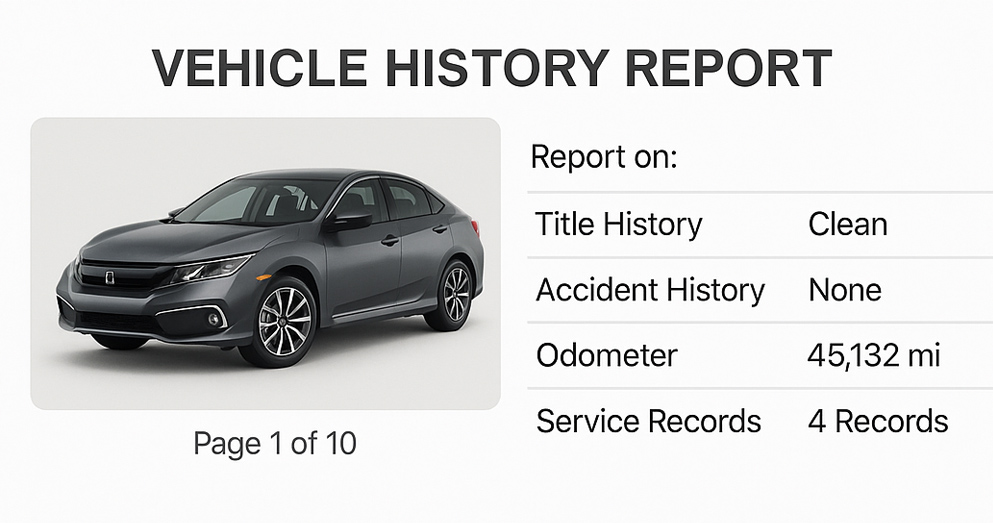
Vehicle History Report

Vehicle
Specifications
Ownership
History
All History
Events
NMVTIS Title
History Check
Salvage/Rebuilt
Check
Accident
Check
Theft
Check
Open Lien
Check
Past Sale
Listings
Safety
Recalls
Odometer
Check
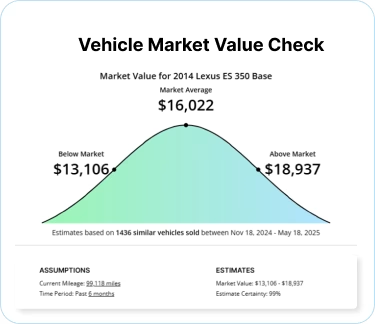
Market Price
Analysis

What Problems Does the 2003 Honda CBR600RR Have?

The 2003 Honda CBR600RR, while highly regarded for its reliability, has a few frequently reported problems and known long-term concerns that potential owners should be aware of. These issues are generally manageable but worth inspecting during a pre-purchase evaluation.


  • Regulator/Rectifier (R/R) Failure: This is perhaps the most common and persistent issue across many Honda models of this era, including the CBR600RR. The R/R is crucial for converting AC power from the stator to DC power for the battery and electrical system. Failure often manifests as a dead battery, dim lights, or the bike cutting out while riding. The original units were prone to overheating and can fail, leading to an overcharging or undercharging battery. Aftermarket heavy-duty units are a common and recommended replacement.
  • Cam Chain Tensioner (CCT) Failure: Another well-known Honda issue, especially on inline-four engines. The CCT is an automatic device that maintains tension on the cam chain. When it fails, it can produce a distinct ticking or rattling noise from the engine's right side, particularly noticeable at idle or low RPMs. While not immediately catastrophic, a completely failed CCT can lead to severe engine damage if the chain jumps. Manual CCTs are a popular aftermarket solution to prevent this.
  • Fuel Pump Issues: Less common than R/R or CCT, but some owners have reported fuel pump failures or intermittent issues, especially after periods of inactivity or with older fuel. Symptoms include difficulty starting, stalling, or a loss of power at higher RPMs.
  • Electrical Gremlins: While Honda wiring is generally good, older models can experience intermittent electrical issues, often related to corroded connectors or loose wiring under the fairings. Checking all connections, especially those exposed to weather, can mitigate this.
  • Brake Wear: Some owners have noted that the front brake rotors can wear unevenly or warp over time, leading to pulsation during braking. Caliper issues, such as sticking pistons, can also occur with age and lack of maintenance. Regular brake fluid flushes and caliper cleaning are essential.
  • Fairing Tabs/Mounts: The plastic fairing tabs and mounting points can become brittle and break over time due to vibrations, overtightening, or minor drops. This is more of a cosmetic and nuisance issue, making fairings rattle or fit imperfectly.

Recalls: For the 2003 model year, major safety recalls have been few, indicating a generally well-engineered product from the factory. However, it's always advisable to check the NHTSA database for any outstanding recalls using the VIN of a specific bike.


Overall, most issues are age-related wear or well-documented "Honda quirks" that have readily available fixes. Diligent maintenance and proactive replacement of known weak points can ensure long-term reliability.

How long will the 2003 Honda CBR600RR last?

The 2003 Honda CBR600RR is known for its exceptional long-term durability, a hallmark of Honda engineering. With proper maintenance, these bikes can easily achieve 50,000 to 70,000 miles, and many owners report reaching well over 100,000 miles with diligent care. Average years of service can extend to 15-20 years or more if stored correctly and ridden periodically. Key to its longevity is consistent oil changes, valve clearance checks, and fluid replacements. Over time, the most common weaknesses are those highlighted previously: the regulator/rectifier and cam chain tensioner are prone to failure and should be replaced with upgraded aftermarket parts for peace of mind. Suspension components like seals and fork oil will eventually need servicing. Electrical connectors can corrode, and plastics may become brittle. However, the core engine and transmission are incredibly robust, often outlasting many other components. Neglected maintenance or extensive track use will naturally shorten its lifespan, but a well-cared-for CBR600RR is a testament to Honda's reliability.

What Technology & Safety Features are Included?

As a 2003 supersport motorcycle, the Honda CBR600RR's built-in technology and features are primarily performance-oriented rather than focused on luxurious amenities, entertainment, or extensive driver-assistance systems typically found in modern cars or touring bikes. Its design prioritized rider connection and track capability.


  • Built-in Tech & Instrumentation:
    • Digital Speedometer: A clear, concise digital display for speed was a modern touch for its time.
    • Analog Tachometer: A large, easy-to-read analog tachometer dominated the dash, critical for monitoring engine RPM during spirited riding.
    • LCD Display: Included readouts for odometer, dual trip meters, a clock, and a fuel gauge.
    • Dual Stage Fuel Injection (DSFI): This advanced fuel system utilized two sets of injectors per cylinder, one operating continuously and the other activating at higher RPMs and throttle openings, providing precise fuel delivery, smoother throttle response, and improved power across the rev range.
    • Electronic Steering Damper (HESD - Honda Electronic Steering Damper): While later CBR models (like the 1000RR and subsequent 600RRs) adopted HESD, the 2003 600RR generally came without it, relying on its chassis geometry for stability. Some owners might have added aftermarket steering dampers.
    • Unit Pro-Link Rear Suspension: A direct derivative from the RC211V MotoGP bike, this innovative suspension system placed the shock's upper mount inside the frame, isolating it from chassis stress, centralizing mass, and allowing for optimal rear wheel traction and feel.
  • Entertainment & Connectivity:
    • There were no integrated entertainment or connectivity features. Riders would typically rely on aftermarket solutions like helmet communication systems for music or intercom.
  • Driver-Assistance & Safety Features:
    • Braking System: High-performance radial-mount front calipers paired with large discs provided excellent stopping power and feel, a significant safety feature for a performance bike.
    • Advanced Suspension: Fully adjustable front and rear suspension allowed riders to dial in the bike's handling for various conditions and riding styles, contributing to stability and control.
    • Ignition Security System (H.I.S.S.): Honda's Ignition Security System (HISS) was an optional or market-dependent immobilizer system. It used a transponder in the key to communicate with the ECU, preventing the engine from starting without the correct coded key, significantly deterring theft. Not all markets received HISS as standard.
    • Lighting: Bright headlights and taillights for visibility.
  • Optional Features:
    • Common aftermarket additions included steering dampers, frame sliders, exhaust systems, and performance air filters, but very few factory-installed options were available beyond market-specific color schemes or the HISS system.
  • Crash-Test Ratings:
    • Motorcycles, particularly sportbikes like the CBR600RR, do not undergo formal crash-test ratings from organizations like NHTSA or IIHS in the same manner as automobiles. Their safety is more about rider skill, protective gear, and the bike's inherent stability and braking capabilities.

What Colors Options are Available?

We’re working on this section!
In the meantime, feel free to explore the other sections for more content.

2003 Honda CBR600RR Prices and Market Value

When new, the 2003 Honda CBR600RR had an MSRP of approximately $8,499 in the United States. This price positioned it competitively within the aggressive middleweight supersport segment. Today, on the used market, prices have naturally depreciated significantly but remain relatively strong for well-maintained examples due to Honda's reputation for reliability and the model's enduring popularity. Current used market prices typically range from $3,000 for bikes in fair condition needing some work, up to $6,000 or even slightly more for pristine, low-mileage, unmolested examples. Factors affecting resale value include mileage, overall condition, service history, and the presence of any modifications. Original condition, especially unmolested by extensive aftermarket changes, often commands a higher price. Significant depreciation occurs in the first few years, but it tends to stabilize for desirable models like the CBR600RR. A clean title and evidence of regular maintenance are crucial for maximizing resale value.

2003 Honda CBR600RR Cost of Ownership

Owning a 2003 Honda CBR600RR involves several costs. Insurance can be substantial, especially for younger or inexperienced riders, given its supersport classification; expect rates ranging from $500 to over $2,000 annually, varying by location and coverage. Fuel costs are moderate for a sportbike, with an an average of 35-45 MPG, though premium fuel is required. Maintenance is relatively economical for a performance machine. Basic oil changes and chain adjustments are DIY-friendly. Major services, like valve adjustments (every 16,000 miles), are more costly, ranging from $300-$600. Repairs for common issues like the regulator/rectifier or CCT are relatively inexpensive to fix with aftermarket parts (around $50-$150 each, plus labor if not DIY). Tires are a recurring expense, typically $300-$500 per set every 4,000-8,000 miles. Overall, the CBR600RR is an economical sportbike to own compared to more exotic rivals, thanks to Honda's reliability and widely available parts, but it's still a performance vehicle, so costs will be higher than a standard commuter bike.

2003 Honda CBR600RR Fuel Efficiency

Fuel Type Gasoline
Fuel Capacity -
City Mileage -
Highway Mileage -

2003 Honda CBR600RR Warranty

Basic
Original warranty 0 months / No data
Estimated remaining Expired
Powertrain
Original warranty 0 months / No data
Estimated remaining Expired
Rust
Original warranty 0 months / No data
Estimated remaining Expired

2003 Honda CBR600RR Insurance

Insurance for a 2003 Honda CBR600RR is moderately priced, reflecting its status as a Motorcycle with strong safety ratings and
reasonable repair costs.

How Does the 2003 Honda CBR600RR Compare to Other Motorcycle?

The 2003 Honda CBR600RR faced fierce competition in the highly competitive 600cc supersport class. Its main rivals included the Suzuki GSX-R600, Kawasaki ZX-6R, and Yamaha YZF-R6, each offering a distinct flavor.


  • Performance: The CBR600RR was renowned for its balanced and refined performance. It offered razor-sharp handling, exceptional agility, and a very linear power delivery, making it incredibly confidence-inspiring on track and street. The Yamaha YZF-R6 of the era (especially the 2003 model with its high-revving, aggressive engine) was often seen as more raw and track-focused, delivering peakier power. The Suzuki GSX-R600 was also a strong contender, often praised for its strong midrange and comfort. The Kawasaki ZX-6R, particularly the 636cc variant offered in some markets, had a slight displacement advantage, giving it a noticeable torque and horsepower edge over the 600s, making it a formidable street weapon.

  • Features: The CBR600RR introduced significant innovations like the Unit Pro-Link rear suspension and Dual Stage Fuel Injection (DSFI), directly derived from MotoGP, setting a new standard for chassis and engine technology in the class. Rivals also boasted advanced features for their time, but Honda's integration felt particularly refined. The R6 focused on lightweight and high-revving engine technology. The GSX-R prioritized rider ergonomics and strong braking. The ZX-6R leveraged its extra displacement for raw power.

  • Reliability: This is where the CBR600RR often shone brightest. Honda's reputation for bulletproof reliability was a significant advantage. While its rivals were also generally reliable, Honda's engines often had a reputation for requiring less frequent intervention (outside of the common CCT/R/R issues). Yamaha's engines were also very robust, while Suzuki and Kawasaki were solid but sometimes had more reported niggles.

  • Price: New, all these bikes were competitively priced in the $8,000-$8,500 range. On the used market today, their prices are quite similar, with condition and mileage being the primary determinants.


Recommendations:


  • If refined handling, predictable power, and legendary reliability are paramount, the 2003 Honda CBR600RR remains an excellent choice.

  • For those seeking a more aggressive, high-revving, track-focused experience, the Yamaha YZF-R6 (2003-2005) is a strong alternative.

  • If a little extra midrange grunt and a slightly more comfortable street ride are desired, the Suzuki GSX-R600 (K3/K4/K5) is a solid option.

  • For riders who want a performance edge with a bit more displacement (636cc in some markets), the Kawasaki ZX-6R (2003-2004) offers thrilling acceleration.


All these bikes from the early 2000s offer incredible value on the used market for their performance, making the choice often come down to personal preference for engine character and handling feel.

Final Verdict: Is the 2003 Honda CBR600RR a Good Motorcycle?

The 2003 Honda CBR600RR is an ideal motorcycle for experienced riders seeking a balanced, high-performance supersport that excels on both the street and the track. It's perfect for enthusiasts who appreciate Honda's renowned reliability, precise handling, and a sophisticated, MotoGP-inspired design. While its aggressive ergonomics might be taxing for absolute beginners or those focused solely on touring, its relatively forgiving power delivery (compared to liter bikes) makes it a superb choice for honing sport riding skills. It is definitely worth buying on the used market today, especially if you find a well-maintained example with a clear service history. Look for bikes that haven't been extensively modified or abused, paying close attention to the common issues like the regulator/rectifier and cam chain tensioner. Opt for a bike in good mechanical and cosmetic condition, even if it costs a bit more upfront, as it will save money and headaches long-term. This generation CBR600RR offers tremendous performance value, proving a timeless classic for sportbike aficionados.

2003 Honda CBR600RR Owner Reviews

0.00
Consumer Rating, Based on 0 Consumer Reviews
Overall rating
Cancel
Thank You for Your Review!

We truly appreciate the time and effort you took to share your experience with us.

Uh oh!

Something went wrong, please try again later.

Author Image
Simon A

Simon is a contributor to VinCheck, where he provides articles and reviews on various automotive topics. His work focuses on delivering accurate and up-to-date information about used cars, helping readers make informed decisions.