
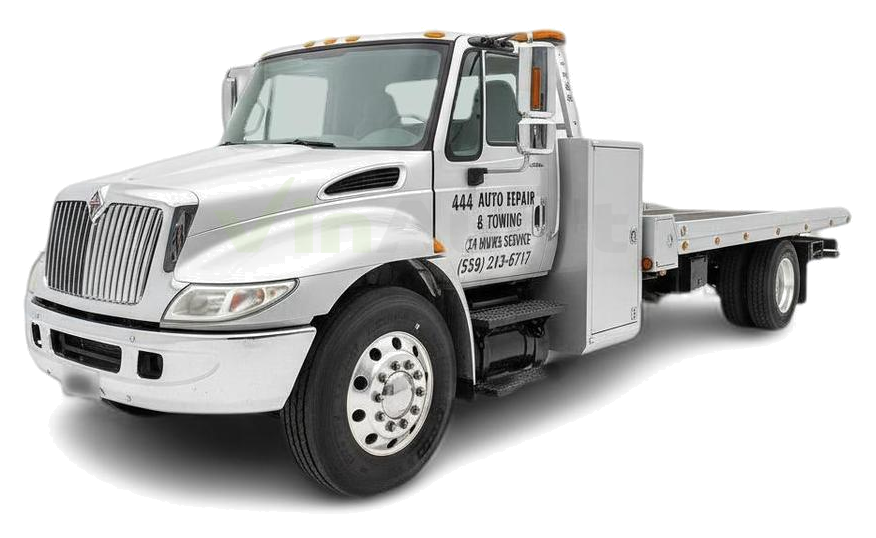
The Good
The DuraStar 4300 offers powerful diesel performance for heavy loads and legendary reliability thanks to its rugged construction. Its functional design ensures high versatility, while its long service life provides excellent practical value. For emotional buyers, it represents a dependable partner, capable of tackling any job with confidence. Comfort is relative, but improved for a work truck. Efficiency is decent for its class, balancing power with operational costs.
The Bad
Potential weaknesses include rust on the chassis, especially in salt-belt regions, and issues with the HEUI (Hydraulic Electronic Unit Injector) system on the DT466E engine. Electrical gremlins can arise with age, and interior materials show wear quickly. Neglected maintenance is a major concern on used commercial vehicles, leading to costly brake or suspension repairs. Always inspect for comprehensive service records.
2002 International DuraStar 4300: Quick Overview
- Engine Options:
The primary engine for the 2002 International DuraStar 4300 was the International DT466E, an inline six-cylinder turbodiesel. A larger DT530 was also available, especially for heavier applications or the 4400 series. - Horsepower:
For the DT466E, horsepower ratings typically ranged from 175 hp to 250 hp, with corresponding torque figures between 460 lb-ft and 660 lb-ft, depending on the specific tuning and application. - Fuel Economy:
Fuel economy is highly variable and not officially rated like passenger cars. It depends heavily on the engine, load, body type, and driving conditions. Owners generally report figures in the range of 6-10 miles per gallon (MPG) under typical vocational use. - 0-60 Times:
0-60 mph acceleration times are not a relevant performance metric for medium-duty commercial trucks and were not measured or published. These vehicles are designed for sustained pulling power and torque, not rapid acceleration. - Towing Capacity (GCWR - Gross Combined Weight Rating):
The 2002 DuraStar 4300 had a Gross Vehicle Weight Rating (GVWR) typically ranging from 19,500 lbs to 33,000 lbs. Its Gross Combined Weight Rating (GCWR), which includes the weight of the truck and any trailer, could range from 26,000 lbs to over 60,000 lbs, depending on the specific chassis configuration, axle ratings, engine, transmission, and braking system. - Trim-Level Features:
Commercial trucks like the DuraStar don't have traditional "trim levels" but rather extensive configuration options:- Cab Types: Available in Regular Cab, Extended Cab, and Crew Cab configurations.
- Transmissions: Common options included manual transmissions (e.g., Eaton Fuller 5-speed, 6-speed, 9-speed, 10-speed) and automatic transmissions (e.g., Allison 1000, 2000, 2500, 3000 series, highly favored for vocational applications).
- Brakes: Hydraulic or air brakes were available, with ABS becoming standard on most models.
- Axles & Suspension: Various front and rear axle capacities were offered, along with standard leaf spring suspension (front and rear). Air ride rear suspension was an optional upgrade for improved comfort and load leveling.
- Interior: Basic vinyl or cloth seating, AM/FM radio, and manual windows/locks were standard. Optional amenities included air conditioning, power windows, power door locks, and cruise control.
- Chassis Options: A wide range of wheelbase lengths, frame reinforcements, fuel tank sizes, and PTO (Power Take-Off) options were available to suit diverse upfitting needs.
2002 International DuraStar 4300 Specifications
Vehicle Information
| Year | 2002 |
| Make | International |
| Model | DuraStar 4300 |
| Trim | - |
| Style | - |
| Type | Truck |
| Category | Heavy Truck |
Manufacturing Details
| Made In | United States |
| Manufacturing City | SPRINGFIELD |
Dimensions
| Doors | - |
| Curb Weight | - |
| Gross Vehicle Weight Rating | 26000 pounds |
| Overall Height | - |
| Overall Length | - |
| Overall Width | - |
| Wheelbase Length | - |
| Standard Seating | - |
Engine & Performance
| Engine | 7.6L I6 |
| Engine Size | 7.6L |
| Engine Cylinders | 6 |
| Transmission | Automatic |
| Transmission Type | Automatic |
| Transmission Speeds | - |
| Drivetrain | Rear-Wheel Drive |
Additional Features
| Anti-Brake System | - |
| Steering Type | - |
Pricing
| Manufacturer Suggested Retail Price (MSRP) | - |
| Invoice Price | - |
| Delivery Charges | - |
Vehicle History Report
Specifications
History
Events
History Check
Check
Check
Check
Check
Listings
Recalls
Check
Analysis
What Problems Does the 2002 International DuraStar 4300 Have?
Engine-Related Problems (DT466E):
- HEUI Injector System Issues: A frequently reported problem concerns the Hydraulic Electronic Unit Injector (HEUI) fuel system. The High-Pressure Oil Pump (HPOP), Injection Pressure Regulator (IPR) valve, and the injectors themselves can fail, leading to symptoms like hard starting (especially when warm), rough idle, power loss, and excessive smoke. These repairs can be costly.
- Oil Leaks: Common points for oil leaks include valve covers, oil pan gaskets, and high-pressure oil lines connected to the HEUI system.
- Cooling System Components: Radiator leaks, water pump failures, and issues with thermostats are common wear items that can lead to overheating if neglected.
- Turbocharger Concerns: Turbocharger bearing wear or outright failure can occur over time, resulting in reduced boost pressure, unusual noises, and increased oil consumption.
Chassis and Electrical Concerns:
- Rust: Perhaps the most pervasive long-term issue is rust. Frame rails, crossmembers, cab mounts, brake lines, and even fuel tanks are susceptible, especially in regions that use road salt. This can significantly compromise structural integrity and safety.
- Brake System Wear: Due to heavy loads and constant use, brake components (pads, drums/rotors, air chambers, valves) wear out. Air leaks in air brake systems are also common.
- Suspension Components: Worn leaf spring bushings, shackles, shock absorbers, and kingpins on the front axle can lead to poor handling, excessive play in the steering, and uncomfortable rides.
- Electrical Gremlins: As the truck ages, wiring harness chafing, sensor failures (e.g., ICP, EBP), and general electrical connectivity issues are frequently reported, leading to intermittent dashboard warnings or operational problems. Alternator and battery lifespan can also be shorter under heavy commercial use.
Recalls:
It's important to note that specific recalls for the 2002 International DuraStar 4300 would be quite numerous over its lifetime, covering various components from brake system defects, steering issues, to minor electrical or lighting problems. These are often component-specific rather than model-wide. Prospective buyers should always check the vehicle's specific VIN against the NHTSA recall database to ensure all applicable recalls have been addressed.
Long-Term Reliability:
While the core DT466E engine and Allison transmissions are known for their long-term durability if properly maintained, the ancillary systems and the body/chassis require diligent care to prevent costly issues. The biggest long-term reliability concern is often the cumulative effect of rust and deferred maintenance, which can make older units expensive to keep on the road.
How long will the 2002 International DuraStar 4300 last?
Long-term durability is heavily dependent on maintenance habits. Proactive fluid changes, regular inspections, and addressing issues promptly can extend its lifespan significantly. However, weaknesses emerge over time. Rust, particularly on the frame, suspension components, and brake lines, becomes a major concern in areas with harsh winters, potentially leading to structural integrity issues. Electrical system wear and the specific challenges of the DT466E's HEUI fuel system also become more prevalent with high mileage. While the core engine and drivetrain are remarkably robust, auxiliary systems and the chassis demand ongoing attention.
What Technology & Safety Features are Included?
Built-in Tech & Entertainment:
Standard equipment typically included a simple AM/FM radio, with an optional CD player sometimes available. Connectivity features like Bluetooth, USB ports, or advanced infotainment screens were non-existent for this class of vehicle in 2002. The primary technological integration was within the engine management system (ECU), allowing for diagnostic monitoring via industry-standard ports (J1708/J1939). The dashboard featured traditional analog gauges for vital functions (speed, RPM, oil pressure, coolant temp, fuel, air pressure) and a basic digital odometer. Optional comfort tech included air conditioning, and for convenience, power windows and power door locks, which were considered premium features for a work truck at the time. Cruise control was also an available option, particularly beneficial for longer highway stretches.
Driver-Assistance Features:
Driver-assistance systems as we know them today were not available. There were no features such as lane departure warning, blind-spot monitoring, adaptive cruise control, or automatic emergency braking. The most sophisticated "assistance" feature would have been an optional exhaust brake, which helps slow the truck using engine back pressure, reducing wear on service brakes, especially when descending steep grades with heavy loads.
Safety Features:
Basic safety provisions included standard three-point seatbelts for front occupants. Anti-lock Braking System (ABS) was widely available, often standard on air-brake equipped models, significantly enhancing control during emergency braking. Airbags were generally not offered in medium-duty commercial trucks of this vintage. The vehicle's robust, all-steel cab construction was designed to provide structural protection in a collision. Large, often heated and power-adjustable, mirrors were available as options to improve driver visibility.
Crash-Test Ratings:
It is important to note that medium-duty commercial trucks like the DuraStar 4300 are not subjected to the same standardized crash-test programs (e.g., NHTSA, IIHS) as passenger vehicles. Their safety is primarily governed by federal motor vehicle safety standards (FMVSS) concerning structural integrity, braking, and lighting requirements due to the vast variations in their configurations and intended uses.
What Colors Options are Available?
2002 International DuraStar 4300 Prices and Market Value
Today, current used market prices vary drastically based on condition, mileage, maintenance history, and the type/condition of the attached vocational body. Prices can range from $5,000 for a well-worn, high-mileage unit with mechanical needs to $20,000-$30,000+ for a meticulously maintained example with a desirable and functional body.
Depreciation for commercial trucks is steadier than for passenger cars. They are considered capital equipment, and their value is tied to their utility and remaining service life. Factors severely affecting resale value include significant rust on the frame, engine or transmission issues, extremely high mileage/hours, and a worn-out or undesirable vocational body. A clean frame, strong powertrain, and a well-maintained, popular body type greatly enhance resale value.
2002 International DuraStar 4300 Cost of Ownership
2002 International DuraStar 4300 Fuel Efficiency
2002 International DuraStar 4300 Warranty
Basic
Powertrain
Rust
2002 International DuraStar 4300 Insurance
reasonable repair costs.
How Does the 2002 International DuraStar 4300 Compare to Other Truck?
Performance: The DuraStar 4300, typically powered by the International DT466E, offered robust torque and sufficient horsepower for its intended vocational applications. Rivals often featured engines like the Caterpillar 3126/C7, Cummins ISB/ISC, or Duramax (in GM trucks). Performance across these brands was largely comparable, with each engine offering its own blend of power, efficiency, and reliability, making it more of an engine-specific choice than a brand-specific one.
Features: All these trucks shared a similar philosophy of being utilitarian work vehicles. "Features" were sparse compared to passenger cars. Standard offerings typically included basic cabins, manual controls for windows and locks, and an AM/FM radio. Options like air conditioning, power accessories, and upgraded seating were common across all brands. The DuraStar's cab was considered functional and reasonably ergonomic for its time, but none of its competitors stood out for offering significantly more advanced amenities in this model year.
Reliability: The International DT466E is widely respected as a "million-mile" engine, known for its mechanical robustness when properly maintained. However, the HEUI fuel system on early DT466E models (like in 2002) is a known potential weak point. Competitors also offered highly reliable engines (Cat 3126/C7, Cummins ISB/ISC), each with their own set of common issues that emerged over time. The overall reliability for any of these medium-duty trucks is heavily tied to consistent and thorough maintenance. The DuraStar's frame and chassis components are exceptionally strong, matching or exceeding most rivals.
Price: New prices for these chassis-cabs were comparable, fluctuating based on selected options and engine choices. On the used market, prices remain similar across the board, with the vehicle's condition, mileage, maintenance history, and the value/condition of the installed vocational body being the primary determinants.
Alternatives:
- Similar Alternatives: For buyers seeking a comparable workhorse, the Freightliner FL70/FL80 (especially with a Cummins engine) or a GMC/Chevrolet C7500 Kodiak/TopKick (with a Cat or Duramax engine) offer similar capabilities, durability, and a wide range of upfitting potential. These are direct competitors that served the same market.
- Better Alternatives (if budget permits): If looking for slightly more modern amenities, improved emissions compliance, or potentially better fuel efficiency, a slightly newer model year of the DuraStar or its direct competitors (e.g., post-2007 emissions models, though these come with their own complexities) would be a "better" alternative. However, for sheer mechanical simplicity and proven durability of the core engine, the 2002 DuraStar 4300 remains a strong contender against even much newer, more complex trucks, provided its HEUI system is sound.
Final Verdict: Is the 2002 International DuraStar 4300 a Good Truck?
It is definitely worth buying on the used market, as new units are no longer produced. However, the purchase must be made under specific conditions:
- Condition is King: Prioritize units with a verifiable maintenance history, minimal frame rust, and a strong-running engine and transmission. A pre-purchase inspection by a commercial truck specialist is non-negotiable.
- Budget Awareness: It's a cost-effective alternative to new trucks, but be prepared for higher operational costs in terms of fuel, specialized maintenance, and potential repairs.
- Mechanical Aptitude: Ideal for owners who are mechanically inclined or have trusted, affordable access to diesel truck mechanics.
- Prioritization: Choose this truck if durability and utility outweigh the desire for modern creature comforts or advanced driver-assistance features.
While it lacks modern tech, its inherent strength and long-term service potential make a well-maintained 2002 DuraStar 4300 a sound investment for its intended workhorse role.

Eugene S
Eugene is an automotive enthusiast with over 15 years of experience in the used car market. As a writer at VINCheck.info, he brings deep industry insight and a passion for cars, helping readers make smart, informed decisions. Eugene has written hundreds of used car reviews and is known for breaking down complex automotive topics into clear, actionable advice. Over the years, he has driven and worked on a wide range of vehicles—starting with tuning street cars in his early days and eventually focusing on performance upgrades and reliability improvements. Today, he specializes in evaluating used vehicles through the lens of real-world ownership and enthusiast needs. A longtime fan of Porsche, Eugene especially appreciates vehicles that blend durability with driving enjoyment.