
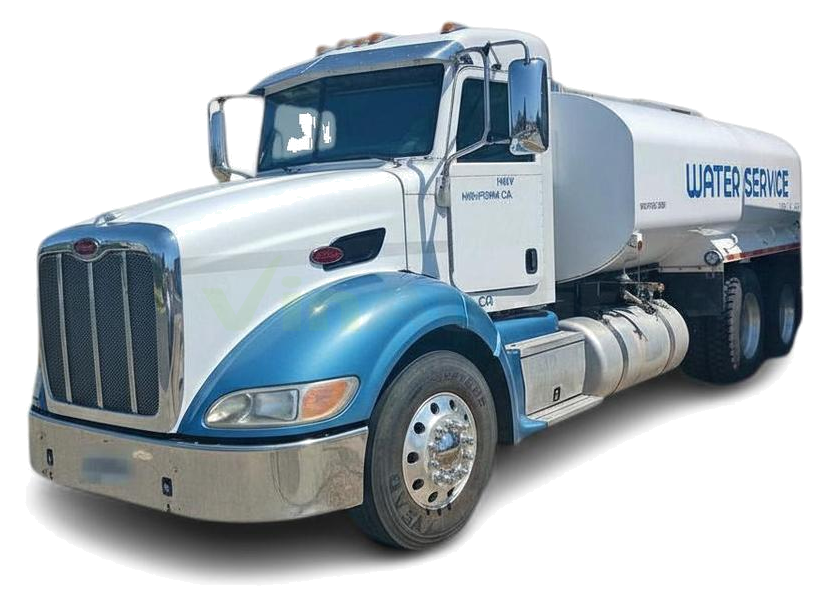
The Good
The 2012 Peterbilt 384 offers a blend of raw power and operator comfort. Its renowned reliability ensures consistent performance, while the driver-focused design enhances usability. The iconic Peterbilt styling appeals to pride of ownership, and its durable build offers long-term value for pragmatic operators.
The Bad
Owners of the 2012 Peterbilt 384 should be aware of potential issues with older electrical systems and HVAC components. Driveline wear, especially on high-mileage units, is also a concern. Inspecting for rust and chassis integrity is crucial for long-term reliability.
2012 Peterbilt 384: Quick Overview
- Engine Options: The 2012 Peterbilt 384 was typically equipped with PACCAR PX-9 engines or Cummins ISX15 engines. These are heavy-duty diesel powerplants designed for demanding vocational and over-the-road applications.
- Horsepower: Horsepower ratings varied significantly based on the engine choice and specific configuration, generally ranging from around 380 hp to over 500 hp. Higher horsepower was often selected for heavy-haul applications.
- Fuel Economy: Fuel economy is highly dependent on engine selection, transmission, rear axle ratio, driving style, load, and terrain. For Class 8 trucks of this era, realistic figures often ranged from 5 to 7 miles per gallon (MPG). Aerodynamic configurations and efficient driving practices could influence this.
- 0-60 Times: 0-60 mph times are not a standard metric for heavy-duty trucks like the Peterbilt 384, as their primary purpose is hauling significant weight over long distances rather than rapid acceleration. Performance is measured in terms of tractive effort and gradeability.
- Towing Capacity: The towing capacity is immense and determined by the Gross Combination Weight Rating (GCWR) of the truck, which is configured based on the chassis, suspension, drivetrain, and brakes. These trucks are capable of towing loads well in excess of 80,000 pounds, up to much higher limits depending on configuration and regulatory allowances.
- Trim-Level Features: The 2012 Peterbilt 384 was offered primarily in vocational configurations, often featuring a robust chassis and suspension for heavy-duty use. Key features, depending on the specific build, included:
- Cab: Day cab configurations were common, prioritizing maneuverability and ease of access. Short sleeper options were available for drivers needing to rest on longer routes.
- Interior: The interior focused on driver functionality and durability, with robust materials, comfortable seating, and straightforward instrumentation. Air-ride seats and tilt/telescoping steering columns were standard for driver comfort.
- Chassis & Suspension: Heavy-duty frame rails, robust leaf-spring or air-ride suspension systems (e.g., Peterbilt Air Trac or Flex Air), and durable axles were standard.
- Braking System: Full air brake systems with anti-lock braking (ABS) were standard.
- Electrical: Reliable electrical systems designed for the rigors of commercial use, with straightforward diagnostics.
- Optional Features: Depending on the vocational application, options could include specialized PTOs, auxiliary lighting, custom exhaust systems, and advanced telematics.
2012 Peterbilt 384 Specifications
Vehicle Information
| Year | 2012 |
| Make | Peterbilt |
| Model | 384 |
| Trim | - |
| Style | - |
| Type | Truck |
| Category | Medium Truck |
Manufacturing Details
| Made In | United States |
| Manufacturing City | DENTON |
Dimensions
| Doors | - |
| Curb Weight | - |
| Gross Vehicle Weight Rating | - |
| Overall Height | - |
| Overall Length | - |
| Overall Width | - |
| Wheelbase Length | - |
| Standard Seating | - |
Engine & Performance
| Engine | 12.9L I6 |
| Engine Size | 12.9L |
| Engine Cylinders | 6 |
| Transmission | - |
| Transmission Type | - |
| Transmission Speeds | - |
| Drivetrain | 6x4 |
Additional Features
| Anti-Brake System | - |
| Steering Type | - |
Pricing
| Manufacturer Suggested Retail Price (MSRP) | - |
| Invoice Price | - |
| Delivery Charges | - |
Vehicle History Report
Specifications
History
Events
History Check
Check
Check
Check
Check
Listings
Recalls
Check
Analysis
What Problems Does the 2012 Peterbilt 384 Have?
Electrical System Issues: A common area of concern across many vehicles, including trucks from 2012, is the electrical system. Owners have reported issues with wiring harnesses, faulty sensors (such as ABS sensors, engine sensors), and intermittent electrical gremlins. These can manifest as dashboard warning lights, erratic gauge readings, or complete system failures. Corrosion on connectors, especially in regions with harsh weather or road salt, can exacerbate these problems.
HVAC System: The heating, ventilation, and air conditioning (HVAC) system is another area that can require attention. Compressors, evaporators, and blower motors can fail over time, especially with constant use. Leaks in the AC lines or radiator can also lead to reduced cooling performance.
Driveline and Powertrain: While the PACCAR and Cummins engines are generally robust, high-mileage units may experience wear in the transmission, differential, or driveshaft components. Clutch wear, U-joint failures, and worn seals are not uncommon. Regular fluid changes and diligent maintenance are key to mitigating these issues.
Suspension and Chassis: The heavy-duty nature of the 384 means its suspension components, such as leaf springs, shock absorbers, and bushings, are under constant stress. Over time, these parts can wear out, leading to a rougher ride, handling issues, or noise. Chassis frame corrosion can also be a concern, particularly in coastal or industrial environments. Regular inspections for cracks or rust are advisable.
Emissions Systems (DPF/DEF): Trucks from 2012 are within the era of increasing emissions controls. While not a specific Peterbilt 384 issue, the Diesel Particulate Filter (DPF) and Diesel Exhaust Fluid (DEF) systems can be sources of problems if not properly maintained or if they fail. Clogged DPFs can lead to reduced engine performance and increased fuel consumption.
Recalls: Specific recalls for the 2012 Peterbilt 384 would need to be checked against the National Highway Traffic Safety Administration (NHTSA) database using the VIN. However, general recalls for PACCAR or Cummins engines, or braking systems from that model year might apply. It's always recommended to verify any outstanding recalls for a particular vehicle.
Long-Term Reliability: Overall, the 2012 Peterbilt 384 is considered a reliable truck, but its long-term reliability is heavily contingent on its maintenance history and how it was operated. A well-maintained unit with regular fluid changes, proactive component checks, and proper driving habits will significantly outperform a neglected one. The core engineering and build quality are strong, but wear and tear on auxiliary systems and high-stress components are to be expected with age and use.
How long will the 2012 Peterbilt 384 last?
What Technology & Safety Features are Included?
Built-in Tech: The focus here is on essential operational technology. The instrument cluster provides clear, analog gauges for critical information like engine RPM, speed, oil pressure, coolant temperature, and air pressure. A digital display often shows odometer, trip meters, and diagnostic codes. Basic radio/audio systems with AM/FM and CD player functionality were common. Auxiliary power outlets were standard for charging mobile devices.
Entertainment: Entertainment options were generally limited to the factory-installed audio systems. While auxiliary inputs might have been available on some models, integrated Bluetooth connectivity or touchscreens were rare unless specified as optional upgrades, particularly in later production runs or as aftermarket additions. Drivers often relied on personal devices for more advanced entertainment.
Driver-Assistance Features: Advanced driver-assistance systems (ADAS) were not as prevalent in heavy-duty trucks in 2012 as they are today. Features like adaptive cruise control, lane departure warning, or automatic emergency braking were generally not standard and would have been rare optional additions, typically found on higher-spec, newer models or through specialized fleet options. The primary driver assistance was the robust design and visibility from the cab.
Safety Features: Standard safety features included robust construction, heavy-duty braking systems (full air brakes), and seat belts. Anti-lock Braking System (ABS) was standard, enhancing control during emergency stops. The strong, durable frame and cab structure contribute to occupant protection in the event of a collision. Visibility from the driver's seat is generally good, aided by large mirrors.
Optional Features: Depending on the vocational application and buyer's specifications, optional features could have included more advanced navigation systems, premium sound systems, satellite radio readiness, and perhaps basic telematics for fleet management.
Crash-Test Ratings: Consumer-level crash-test ratings, such as those provided by the NHTSA or IIHS for passenger cars and light trucks, are not typically conducted or published for heavy-duty commercial trucks like the Peterbilt 384. The safety of these vehicles is generally assessed based on their compliance with stringent federal motor vehicle safety standards (FMVSS) applicable to commercial vehicles, their robust build, and their inherent stability under load.
What Colors Options are Available?
2012 Peterbilt 384 Prices and Market Value
Current used market prices for a 2012 Peterbilt 384 can vary dramatically, typically falling between $30,000 and $70,000, but can go higher or lower based on mileage, condition, maintenance history, engine hours, and specific vocational build. Factors significantly affecting resale value include:
- Mileage and Engine Hours: Lower figures command higher prices.
- Maintenance Records: A documented history of regular servicing is crucial.
- Condition: Overall mechanical and cosmetic condition, including chassis integrity and absence of significant rust.
- Engine and Drivetrain: The specific engine model, horsepower, and transmission type can influence value.
- Emissions Compliance: Functionality of DPF/DEF systems.
- Tire and Component Wear: Age and condition of tires, brakes, and other wear items.
2012 Peterbilt 384 Cost of Ownership
2012 Peterbilt 384 Fuel Efficiency
2012 Peterbilt 384 Recalls & Defects
Fuel System, Other:storage:tank Assembly
Service Brakes, Air:supply:check Valve
AIR Bags
Electrical System
Engine and Engine Cooling:engine
Electrical System:alternator/Generator/Regulator
Electronic Stability Control (Esc)
Service Brakes, Air:antilock:abs Warning Light
2012 Peterbilt 384 Warranty
Basic
Powertrain
Rust
2012 Peterbilt 384 Insurance
reasonable repair costs.
How Does the 2012 Peterbilt 384 Compare to Other Truck?
Performance: Peterbilt trucks, including the 384, are known for their robust powertrains, offering strong hauling capabilities and reliable performance. Performance is generally on par with Kenworth, which shares PACCAR components, making them very similar. International and Volvo also offer competitive engine and drivetrain options, though Peterbilt often has a slight edge in raw power delivery and torque for specific vocational tasks.
Features: In 2012, feature sets were often dictated by vocational needs rather than luxury. Peterbilt's cab design emphasizes driver comfort and ergonomics, rivaling Kenworth closely. International and Volvo also provide comfortable and functional cabins, with Volvo sometimes offering more advanced cab innovations. However, advanced tech and driver aids were minimal across all brands in this model year, with customization being key.
Reliability: Peterbilt and Kenworth are generally considered leaders in long-term reliability, benefiting from shared PACCAR engineering and build quality. Their robust chassis and powertrain components are designed for extreme durability. International and Volvo also offer reliable trucks, but historically, Peterbilt and Kenworth have often been perceived to have a slight edge in longevity and ease of maintenance for complex issues.
Price: When new, Peterbilt and Kenworth typically commanded a premium price due to their perceived quality and resale value. International and Volvo could sometimes be found at slightly more competitive price points, offering good value for money. In the used market, the 2012 Peterbilt 384 often holds its value well, reflecting its strong reputation, which can make its used price higher than comparable rivals.
Alternatives:
- Similar Alternatives: The 2012 Kenworth T800/T880 is the most direct competitor, offering very similar performance, reliability, and build quality, often with minor stylistic differences. A well-maintained T800 would be an equally strong contender.
- Potential Better Alternatives (depending on needs): For pure vocational work requiring extreme durability and torque, a heavily spec'd 2012 Freightliner M2 106/114SD could offer a comparable or even more specialized solution at a potentially different price point, though perhaps with a different brand cachet. If prioritizing a smoother ride and slightly more modern interior feel for highway applications, a 2012 Volvo VNL series might be considered, though its vocational strength might differ.
Final Verdict: Is the 2012 Peterbilt 384 a Good Truck?
A used 2012 Peterbilt 384 is an excellent investment if it has a comprehensive and verifiable maintenance history, low to moderate mileage for its age, and is free from major rust or chassis damage. Buyers should focus on specific vocational configurations that match their operational needs. Purchasing without a thorough pre-purchase inspection by a qualified heavy-duty mechanic would be ill-advised. New models are less common, but a factory-spec'd build would offer peak performance and reliability, albeit at a significantly higher cost.

Simon A
Simon is a contributor to VinCheck, where he provides articles and reviews on various automotive topics. His work focuses on delivering accurate and up-to-date information about used cars, helping readers make informed decisions.