
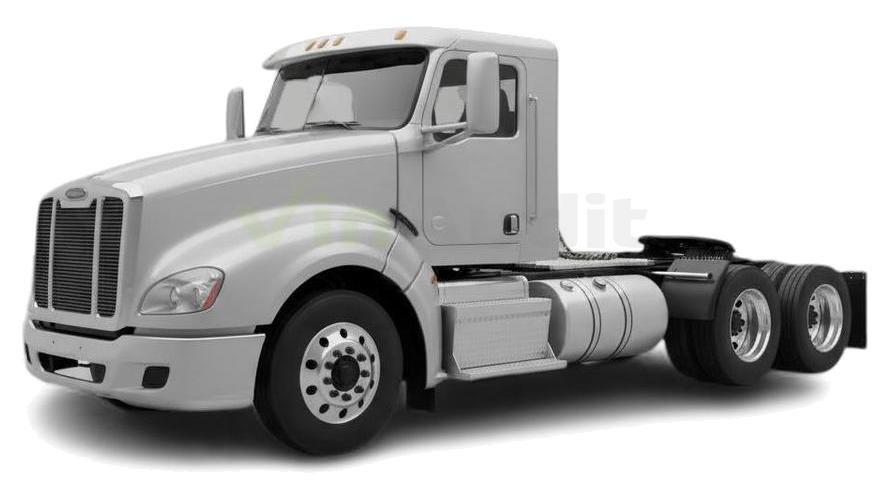
The Good
The 2013 Peterbilt 384 offers robust performance with powerful engine options and strong reliability rooted in Peterbilt's build quality. Drivers appreciate its comfortable, ergonomic cab and iconic, aerodynamic design. It provides reasonable fuel efficiency for its class and maintains strong resale value. This blend appeals to emotional buyers seeking brand prestige and classic looks, while practical buyers benefit from its durability, long service life, and strong operational performance.
The Bad
Potential weaknesses for the 2013 Peterbilt 384 often include common emissions system issues (DEF/DPF failures), which were prevalent across all manufacturers of this era. Owners might also encounter electrical gremlins, occasional air system leaks, and higher maintenance costs for specialized components. Some report cab corrosion issues in areas exposed to harsh weather conditions over time.
2013 Peterbilt 384: Quick Overview
- Engine Options: The 2013 Peterbilt 384 was primarily offered with robust diesel engine options, including the PACCAR MX-13 and the Cummins ISX15. These engines provided a strong balance of power and torque suitable for heavy-duty applications.
- Horsepower: Depending on the engine and specific configuration, horsepower ratings typically ranged from 400 HP to 550 HP, providing ample power for various hauling needs.
- Fuel Economy: Fuel economy for Class 8 trucks like the 384 is highly variable, influenced by load, terrain, driver habits, and maintenance. Owners generally reported averages in the range of 5-7 miles per gallon (MPG).
- 0-60 Times: As a heavy-duty commercial truck, 0-60 MPH acceleration times are not a relevant performance metric. Instead, focus is placed on torque, pulling power, and gradeability.
- Towing Capacity: The 2013 Peterbilt 384 typically had a Gross Combination Weight Rating (GCWR) of 80,000 pounds as standard, allowing it to pull various types of heavy trailers. Higher GCWRs could be achieved with specific configurations and permits.
- "Trim-Level" Features: Peterbilt models like the 384 didn't follow traditional passenger car "trims." Instead, they offered extensive customization options that acted as de facto "trim levels." Key configurable features included:
- Sleeper Configurations: Available as a day cab or with various sleeper sizes, such as 36-inch, 44-inch, or 63-inch options, catering to regional or over-the-road operations.
- Interior Packages: Offered different levels of interior comfort and finish, from basic operator packages to more premium options like the Premier or Platinum interior, featuring upgraded seating, dashboard finishes, and storage.
- Transmission Options: Available with manual transmissions (e.g., Eaton Fuller 10, 13, 18-speed) or automated manual transmissions (AMTs), providing flexibility for driver preference and operational efficiency.
- Suspension Systems: Included various air-ride suspension systems (e.g., Peterbilt AirTrac) for improved ride quality and cargo protection, alongside traditional spring suspensions.
- Cab Amenities: Optional features included power windows and locks, air-ride seats (heated options available), premium audio systems, built-in navigation, and auxiliary power units (APUs) for sleeper climate control.
- Axle Configurations: Various drive axle ratios and tandem axle configurations were available to optimize for different types of hauling (e.g., highway vs. vocational).
2013 Peterbilt 384 Specifications
Vehicle Information
| Year | 2013 |
| Make | Peterbilt |
| Model | 384 |
| Trim | - |
| Style | - |
| Type | Truck |
| Category | Medium Truck |
Manufacturing Details
| Made In | United States |
| Manufacturing City | DENTON |
Dimensions
| Doors | - |
| Curb Weight | - |
| Gross Vehicle Weight Rating | - |
| Overall Height | - |
| Overall Length | - |
| Overall Width | - |
| Wheelbase Length | - |
| Standard Seating | - |
Engine & Performance
| Engine | 12.9L I6 |
| Engine Size | 12.9L |
| Engine Cylinders | 6 |
| Transmission | - |
| Transmission Type | - |
| Transmission Speeds | - |
| Drivetrain | 6x4 |
Additional Features
| Anti-Brake System | - |
| Steering Type | - |
Pricing
| Manufacturer Suggested Retail Price (MSRP) | - |
| Invoice Price | - |
| Delivery Charges | - |
Vehicle History Report
Specifications
History
Events
History Check
Check
Check
Check
Check
Listings
Recalls
Check
Analysis
What Problems Does the 2013 Peterbilt 384 Have?
Beyond emissions, several other concerns have been reported. Electrical issues, such as intermittent wiring harness problems, sensor failures, and dashboard warning light discrepancies, can be frustrating and difficult to diagnose. Air system leaks, affecting brakes, suspension, or other pneumatic components, are also fairly common over time. Engine-specific problems can include issues with EGR (Exhaust Gas Recirculation) coolers, turbocharger malfunctions, and injector problems, especially in high-mileage units. PACCAR MX-13 engines, while generally reliable by 2013, had some earlier teething issues that were largely resolved or improved by this model year. Cummins ISX15 engines also had their own set of known issues, including potential cam lobe wear and rocker arm problems in some earlier variants, though the 2013 models were often more refined.
Regarding recalls, specific information for the 2013 Peterbilt 384 should always be checked via the NHTSA or manufacturer's website using the VIN. Common recall areas for heavy trucks often involve potential defects in braking systems, steering components, lighting, or engine/emissions components that could pose a safety risk. For long-term reliability, while the fundamental Peterbilt chassis and cab are robust, owners should anticipate significant wear and tear on suspension components, interior fittings, and continued vigilance on the emissions system as the truck accumulates mileage. Rust can also become a concern in specific areas, such as battery boxes and cab corners, depending on the operational environment.
How long will the 2013 Peterbilt 384 last?
What Technology & Safety Features are Included?
For entertainment, the 384 typically came with an AM/FM radio, often with a CD player and an auxiliary input jack for personal music devices. Higher-tier interior packages might have included an upgraded sound system. Navigation systems, if present, were usually integrated into the dashboard as a separate unit or were aftermarket additions, not deeply embedded like today's infotainment systems.
Driver-assistance features in 2013 were minimal compared to contemporary standards. Anti-lock Braking Systems (ABS) and Traction Control (ATC) were becoming standard or widely available, enhancing braking stability and traction on slippery surfaces. Electronic Stability Control (ESC) was also beginning to be offered as an option, helping to prevent rollovers and loss of control. Advanced features like adaptive cruise control, lane departure warning, or collision mitigation systems were nascent technologies for heavy trucks and extremely rare or non-existent on production models like the 384 in 2013.
Safety features focused on robust structural design, excellent visibility from the cab, powerful air brakes, and standard three-point seatbelts. Heavy-duty commercial trucks do not undergo consumer-style crash-test ratings (e.g., NHTSA star ratings) like passenger vehicles. Their safety is evaluated more on component integrity, braking performance, and compliance with industry-specific safety standards. Optional safety enhancements might have included additional mirrors for blind spot visibility or specialized lighting packages.
What Colors Options are Available?
2013 Peterbilt 384 Prices and Market Value
2013 Peterbilt 384 Cost of Ownership
2013 Peterbilt 384 Fuel Efficiency
2013 Peterbilt 384 Recalls & Defects
Service Brakes, Air:supply:check Valve
AIR Bags
Electrical System
Engine and Engine Cooling:engine
Electrical System:alternator/Generator/Regulator
Electronic Stability Control (Esc)
Service Brakes, Air:antilock:abs Warning Light
2013 Peterbilt 384 Warranty
Basic
Powertrain
Rust
2013 Peterbilt 384 Insurance
reasonable repair costs.
How Does the 2013 Peterbilt 384 Compare to Other Truck?
In terms of performance, the 384, often equipped with Cummins ISX15 or PACCAR MX-13 engines, is on par with its competitors. Most Class 8 trucks of this vintage offered similar horsepower and torque figures, and all were affected by the same generation of emissions regulations. Its road manners and pulling power are generally well-regarded.
Features across this class were more utilitarian than luxurious in 2013. The Peterbilt 384 offered good driver comfort, a well-appointed interior for its time, and a classic aesthetic often preferred by owner-operators. The Kenworth T680, being a PACCAR sibling, shared many underlying components and offered a similar premium experience. The Freightliner Cascadia often emphasized aerodynamics and fleet efficiency, sometimes at the expense of Peterbilt's "classic" feel. Volvo VNLs were known for their superior ergonomics and integrated powertrains (Volvo engine/transmission), often perceived as having higher safety standards. International ProStars were competitive in features but sometimes had a reputation for quality control issues that varied by model year.
Reliability for all these trucks from 2013 was largely impacted by the early emissions systems (DPF/DEF), which presented challenges across the board. The Peterbilt 384 generally benefits from a reputation for robust chassis and durable components. Kenworth T680 shares this reputation due to common engineering. Freightliner and Volvo also offered solid platforms, while International's reliability could be more hit-or-miss depending on specific engine and component choices.
In terms of price, Peterbilt generally commanded a premium when new and tends to hold its resale value better than some rivals like International, often on par with Kenworth. Used market prices for 2013 models will reflect these brand perceptions, as well as mileage, condition, and engine type.
Recommended Alternatives:
- Kenworth T680: A very similar alternative, often sharing powertrains and chassis components with the Peterbilt 384. It offers comparable reliability, driver comfort, and resale value, making it an excellent cross-shop.
- Volvo VNL: If driver comfort, advanced ergonomics, and integrated powertrain efficiency are top priorities, a used Volvo VNL of the same era is a strong contender.
- Freightliner Cascadia: For those prioritizing fuel efficiency and a more modern (for 2013) aerodynamic design, the Cascadia is a very common and often more affordable used option, though it might lack some of Peterbilt's classic appeal.
Final Verdict: Is the 2013 Peterbilt 384 a Good Truck?
However, purchasing one requires a thorough understanding of its age-related potential issues. Focus on well-maintained units with complete service records, especially concerning the engine and emissions system. A comprehensive pre-purchase inspection by a reputable heavy-duty mechanic is non-negotiable. Budgeting for potential repairs, particularly for DEF/DPF system components and general wear items, is critical. While not offering the cutting-edge tech of newer trucks, a well-cared-for 2013 Peterbilt 384 can provide many more years of reliable service and a positive ownership experience for those prepared for the demands of a modern older-model heavy truck.

Jovan
Jovan specializes in interpreting vehicle records and making sense of VIN data. With over 10 years of experience in the automotive data industry, his work ensures that every report is clear, accurate, and useful for car buyers.