
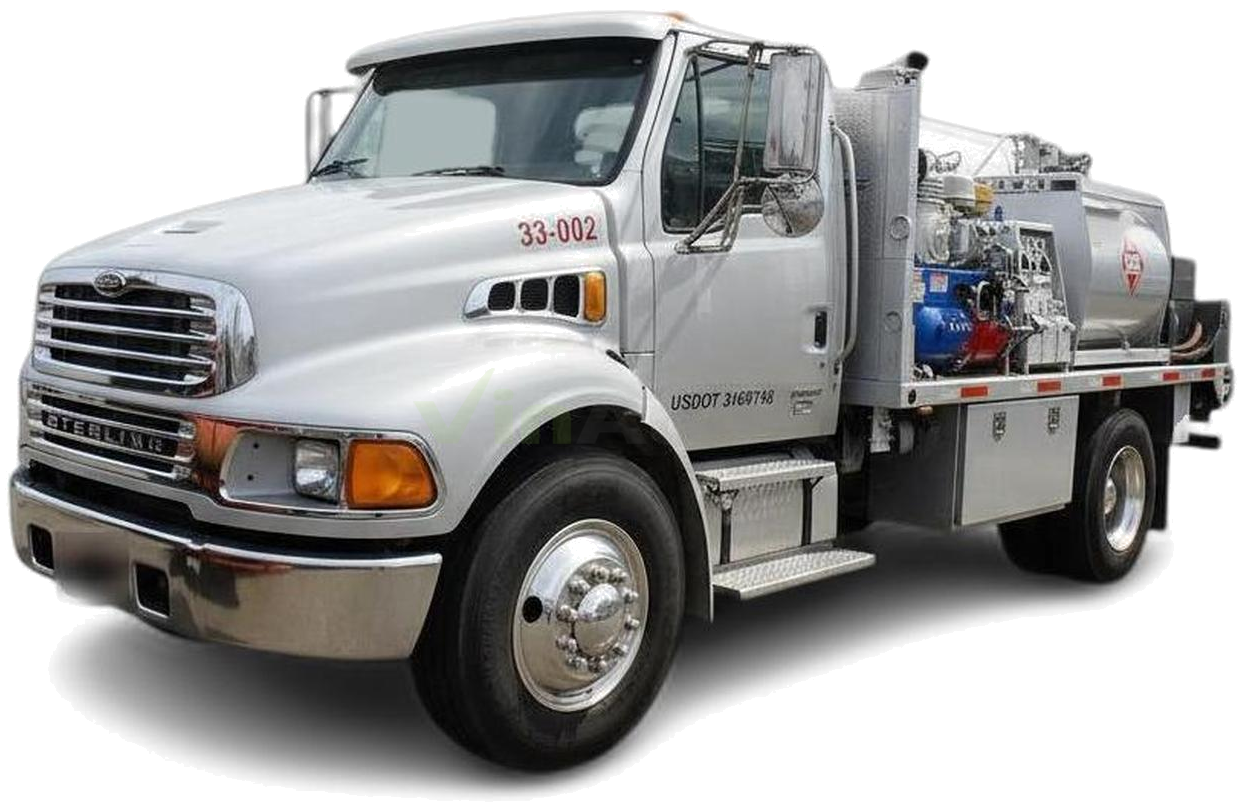
The Good
The 2006 Sterling Acterra excels in sheer durability and no-frills functionality, offering dependable performance for demanding tasks. Its practical design prioritizes ease of maintenance and operational efficiency, appealing to businesses focused on ROI. Owners appreciate its rugged build and the peace of mind it provides for challenging work environments.
The Bad
Potential buyers of the 2006 Sterling Acterra should be aware of possible electrical system glitches and potential issues with the exhaust system or cooling components, especially on higher-mileage units. Parts availability might also become a concern given the brand's discontinuation.
2006 Sterling Acterra: Quick Overview
- Engine Options: The 2006 Sterling Acterra was typically equipped with robust diesel engines. Common options included the Caterpillar C7 and Mercedes-Benz MBE900/MBE924 series engines. These were chosen for their durability and torque, suitable for commercial applications.
- Horsepower: Horsepower ratings varied depending on the specific engine and configuration. The Caterpillar C7 engines often produced between 210-300 horsepower, while the Mercedes-Benz MBE engines typically ranged from approximately 170-240 horsepower. These figures were optimized for pulling power rather than rapid acceleration.
- Fuel Economy: Specific EPA-estimated fuel economy figures are not readily available for commercial trucks like the Acterra, as they are not tested under the same standards as passenger vehicles. However, in real-world vocational use, fuel economy would heavily depend on load, terrain, driving style, and engine choice, generally falling in the range of 6-10 miles per gallon for typical hauling duties.
- 0-60 Times: 0-60 mph acceleration is not a relevant metric for the 2006 Sterling Acterra. These trucks are designed for hauling and operating at lower speeds, prioritizing torque and stability.
- Towing Capacity: Towing capacity varied significantly based on the chassis configuration, axle ratios, and intended application. The Acterra could be configured for a wide range of tasks, with Gross Vehicle Weight Ratings (GVWR) often ranging from 19,500 lbs to 33,000 lbs or more, enabling it to handle substantial payloads and towing needs for medium-duty applications.
- Trim-Level Features: The Acterra wasn't offered in traditional passenger car trims. Instead, features were dictated by the vocational package and customer specifications. Common features included robust chassis designs, heavy-duty transmissions (manual and automatic), air or hydraulic brakes, durable interiors designed for commercial use, power steering, and various PTO (Power Take-Off) options for auxiliary equipment like dump beds or cranes. Optional features often included upgraded comfort amenities for the driver for longer hauls, such as enhanced seating or auxiliary heating systems.
2006 Sterling Acterra Specifications
Vehicle Information
| Year | 2006 |
| Make | Sterling |
| Model | Acterra |
| Trim | - |
| Style | - |
| Type | Truck |
| Category | Heavy Truck |
Manufacturing Details
| Made In | Canada |
| Manufacturing City | ST.THOMAS |
Dimensions
| Doors | - |
| Curb Weight | - |
| Gross Vehicle Weight Rating | 33001 pounds |
| Overall Height | - |
| Overall Length | - |
| Overall Width | - |
| Wheelbase Length | - |
| Standard Seating | - |
Engine & Performance
| Engine | 7.2L I6 |
| Engine Size | 7.2L |
| Engine Cylinders | 6 |
| Transmission | - |
| Transmission Type | - |
| Transmission Speeds | - |
| Drivetrain | 6x4 |
Additional Features
| Anti-Brake System | - |
| Steering Type | - |
Pricing
| Manufacturer Suggested Retail Price (MSRP) | - |
| Invoice Price | - |
| Delivery Charges | - |
Vehicle History Report
Specifications
History
Events
History Check
Check
Check
Check
Check
Listings
Recalls
Check
Analysis
What Problems Does the 2006 Sterling Acterra Have?
Another area that can require attention is the exhaust and emissions system. Components like the Diesel Particulate Filter (DPF) and associated sensors can become clogged or fail, particularly if the vehicle isn't used for its intended long-haul or consistent operation cycles. This can lead to reduced engine performance and increased emissions.
The cooling system is also a point to monitor. Radiators, water pumps, and hoses can degrade over time, leading to overheating issues, which are critical for a truck operating under load. Regular inspection and maintenance of these components are vital.
While specific recalls for the 2006 model year are not extensively documented publicly for this commercial chassis in the same way as passenger vehicles, any recall notices that may have existed would have been issued by Sterling Trucks or the component manufacturers. Given that Sterling Trucks ceased operations in 2008, sourcing replacement parts, especially for specialized components, can become a long-term reliability concern for owners of older Acterra models. Maintenance history is crucial; a well-maintained Acterra will likely be more reliable than one that has been neglected. Issues specific to model year 2006 are not widely differentiated in general reports; most concerns tend to be age and usage related rather than a specific widespread defect tied to that single year.
How long will the 2006 Sterling Acterra last?
What Technology & Safety Features are Included?
Built-in Tech & Entertainment: Standard entertainment options were minimal. Most units would feature a basic AM/FM radio, often with a cassette player or an early CD player. Auxiliary inputs were uncommon. The dashboard instrumentation focused on crucial operational data: speed, engine RPM, fuel level, oil pressure, coolant temperature, and air brake pressure gauges. Diagnostic ports for engine monitoring were standard.
Driver-Assistance & Safety Features: Safety was primarily addressed through robust structural design and standard braking systems. The Acterra came equipped with powerful air brakes or hydraulic brakes, depending on the configuration, providing reliable stopping power for its weight class. Standard safety features included seat belts and a sturdy cab designed to offer protection in the event of a collision. Unlike modern passenger cars, advanced driver-assistance systems (ADAS) such as lane departure warning, adaptive cruise control, or automatic emergency braking were not available on the 2006 Acterra.
Optional Features: Depending on the specific vocational package and customer order, optional features could include items like a more advanced HVAC system for driver comfort, power mirrors, and upgraded seating materials. Some specialized vocational upfits might have integrated additional controls or monitoring systems relevant to their specific function (e.g., hydraulic controls for a dump body).
Crash-Test Ratings: Official crash-test ratings from organizations like the NHTSA or IIHS for commercial truck chassis like the 2006 Sterling Acterra are not typically published in the same manner as for light-duty vehicles. The design intent was focused on structural integrity to handle heavy loads and vocational stresses, with safety standards adhering to commercial vehicle regulations of the time. The robust build inherently offered a degree of protection.
What Colors Options are Available?
2006 Sterling Acterra Prices and Market Value
2006 Sterling Acterra Cost of Ownership
2006 Sterling Acterra Fuel Efficiency
2006 Sterling Acterra Warranty
Basic
Powertrain
Rust
2006 Sterling Acterra Insurance
reasonable repair costs.
How Does the 2006 Sterling Acterra Compare to Other Truck?
Performance: In terms of raw performance for vocational tasks, the Acterra, often featuring robust diesel engines like the Caterpillar C7, offered comparable torque and hauling capability to its rivals. Engines from International (e.g., DT 466) and the Duramax diesel in the Topkick/Kodiak were strong competitors. The Sterling often provided a solid, stable ride suitable for heavy work.
Features: The Acterra was generally positioned as a no-frills, work-focused truck. Competitors like the Freightliner M2 or International 4300 might have offered slightly more modern cabin designs or a wider array of available comfort and technology options in their respective model years. The Acterra's focus was squarely on utility rather than a luxurious or tech-laden interior.
Reliability: Reliability is a mixed bag for the Acterra, influenced heavily by maintenance. While the core chassis and engines were robust, Sterling's eventual discontinuation meant parts availability and specialized service could become a concern compared to brands that still operate (Freightliner, International). The Freightliner M2 and International 4300 are often lauded for their widespread parts availability and extensive service networks, contributing to their strong long-term reliability reputation.
Price: New pricing was competitive across this segment. On the used market, the 2006 Sterling Acterra can often be found at attractive price points, sometimes undercutting comparable Freightliner or International models of similar age and condition, largely due to the brand's exit from the market. However, this lower initial cost can be offset by potentially higher long-term maintenance and repair expenses due to parts scarcity.
Alternatives: If seeking similar functionality with potentially better long-term support, the Freightliner Business Class M2 and International 4300 series are excellent alternatives. These brands continue to have strong dealer networks and readily available parts, which can translate to lower ownership costs and greater peace of mind over the long haul. The GMC Topkick/Chevrolet Kodiak were also strong contenders, particularly for those seeking powerful diesel options.
Final Verdict: Is the 2006 Sterling Acterra a Good Truck?

Eugene S
Eugene is an automotive enthusiast with over 15 years of experience in the used car market. As a writer at VINCheck.info, he brings deep industry insight and a passion for cars, helping readers make smart, informed decisions. Eugene has written hundreds of used car reviews and is known for breaking down complex automotive topics into clear, actionable advice. Over the years, he has driven and worked on a wide range of vehicles—starting with tuning street cars in his early days and eventually focusing on performance upgrades and reliability improvements. Today, he specializes in evaluating used vehicles through the lens of real-world ownership and enthusiast needs. A longtime fan of Porsche, Eugene especially appreciates vehicles that blend durability with driving enjoyment.