
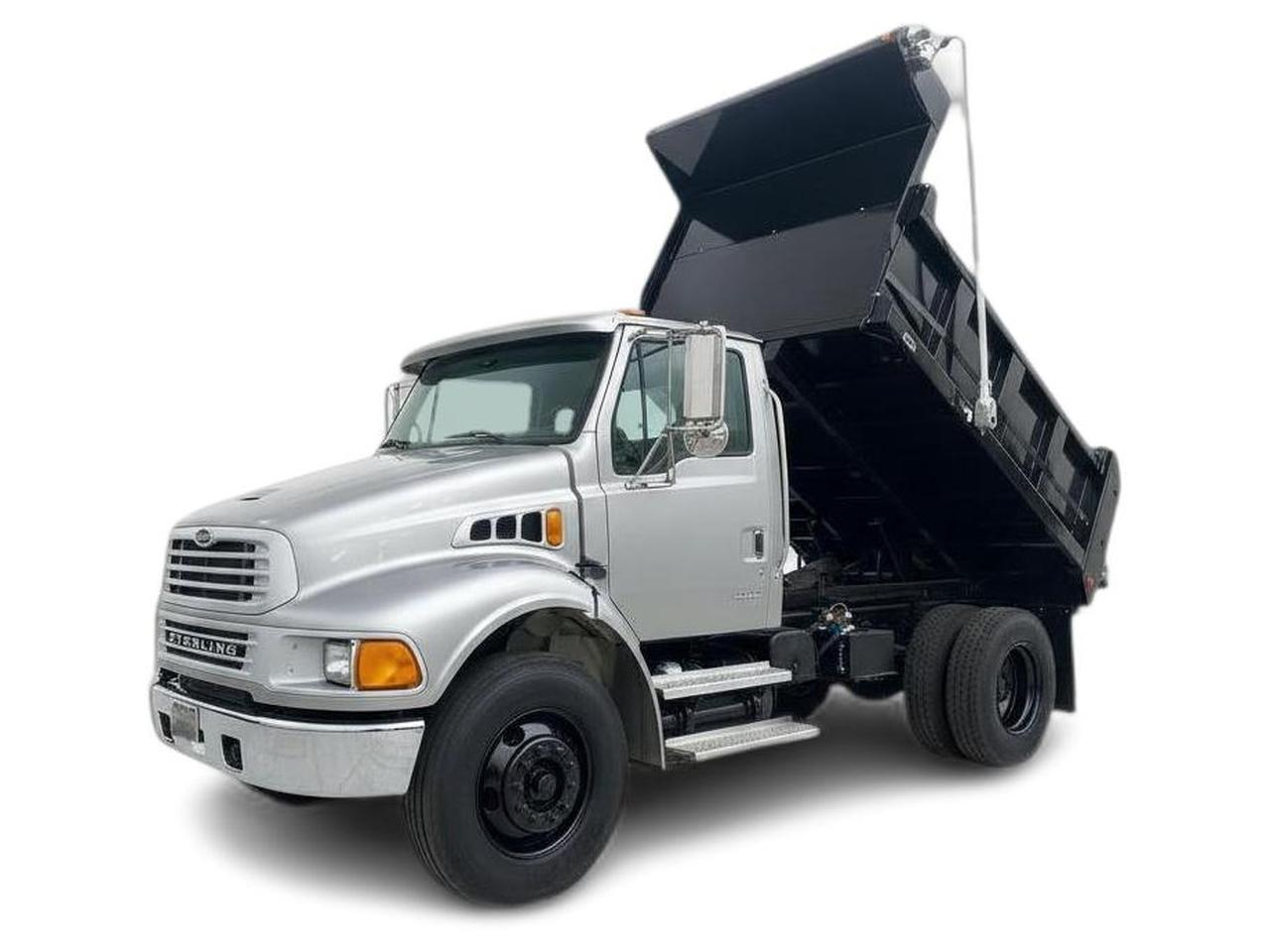
The 2004 Sterling Acterra was a medium-duty commercial truck, produced by Freightliner under the Sterling brand, a division of DaimlerChrysler. Available in various configurations including conventional cab and tractor models, it served the vocational and P&D (pickup and delivery) markets. While specific trims were less defined than passenger vehicles, it was known for its robust build and adaptability for diverse commercial applications. Pricing varied greatly based on configuration and options.
The Good
The 2004 Sterling Acterra offered robust performance and rugged reliability for demanding commercial tasks. Its practical, no-nonsense design prioritized functionality, while its versatile chassis provided excellent value for businesses seeking a durable workhorse.
The Bad
Owners should be aware of potential issues related to the diesel particulate filter system, common in trucks of this era. Electrical gremlins and rust on the chassis are also areas to inspect carefully. Maintenance history is crucial.
2004 Sterling Acterra: Quick Overview
- Engine Options: The 2004 Sterling Acterra was typically equipped with Mercedes-Benz or Detroit Diesel engines. Common options included the Mercedes-Benz MBE900 series and the Detroit Diesel Series 60, depending on the specific application and configuration.
- Horsepower: Horsepower ratings varied significantly based on the engine chosen and its configuration. The Mercedes-Benz MBE900 engines generally ranged from approximately 170 to 260 horsepower. The more powerful Detroit Diesel Series 60 engines could offer upwards of 300 to 450 horsepower, particularly in heavier-duty configurations.
- Fuel Economy: Fuel economy for commercial trucks like the Acterra is highly dependent on the specific engine, transmission, axle ratios, load, and operating conditions. It was not typically rated by EPA standards in the same way as light-duty vehicles. For practical purposes, owners could expect mileage ranging from 8 to 15 miles per gallon (MPG) in mixed city and highway driving, with variations based on usage.
- 0-60 Times: 0-60 mph acceleration times are not a standard metric for commercial trucks and are generally not published. These vehicles are designed for hauling and work, not for rapid acceleration.
- Towing Capacity: Towing capacity is highly variable and dependent on the truck's chassis, GCVWR (Gross Combined Vehicle Weight Rating), and specific configuration (e.g., straight truck vs. tractor). Straight truck configurations could be used for local hauling of goods, while tractor configurations were designed for semi-trailer towing. Capacities could range from tens of thousands of pounds for towing applications to substantial payload capacities for straight trucks.
- Trim-Level Features: The concept of "trims" in the passenger vehicle sense doesn't directly apply to the Sterling Acterra. Instead, its features were determined by its intended application and optional packages. Common features or options would include different cab configurations (e.g., standard day cab, extended cab), seating options, suspension types (leaf spring, air ride), braking systems (air brakes), and various power take-off (PTO) options for auxiliary equipment.
2004 Sterling Acterra Specifications
Vehicle Information
| Year | 2004 |
| Make | Sterling |
| Model | Acterra |
| Trim | - |
| Style | - |
| Type | Truck |
| Category | Heavy Truck |
Manufacturing Details
| Made In | Canada |
| Manufacturing City | ST.THOMAS |
Dimensions
| Doors | - |
| Curb Weight | - |
| Gross Vehicle Weight Rating | 33000 pounds |
| Overall Height | - |
| Overall Length | - |
| Overall Width | - |
| Wheelbase Length | - |
| Standard Seating | - |
Engine & Performance
| Engine | 7.2L I6 |
| Engine Size | 7.2L |
| Engine Cylinders | 6 |
| Transmission | - |
| Transmission Type | - |
| Transmission Speeds | - |
| Drivetrain | 6x4 |
Additional Features
| Anti-Brake System | - |
| Steering Type | - |
Pricing
| Manufacturer Suggested Retail Price (MSRP) | - |
| Invoice Price | - |
| Delivery Charges | - |
Vehicle History Report
Vehicle
Specifications
Specifications
Ownership
History
History
All History
Events
Events
NMVTIS Title
History Check
History Check
Salvage/Rebuilt
Check
Check
Accident
Check
Check
Theft
Check
Check
Open Lien
Check
Check
Past Sale
Listings
Listings
Safety
Recalls
Recalls
Odometer
Check
Check
Market Price
Analysis
Analysis
What Problems Does the 2004 Sterling Acterra Have?
The 2004 Sterling Acterra, like many commercial vehicles of its era, can exhibit certain common issues as it ages. One frequently reported concern revolves around the diesel particulate filter (DPF) system, particularly in models equipped with newer emissions controls. These filters can become clogged over time, leading to reduced engine performance and potential costly repairs or regeneration cycles. Proper maintenance and adherence to regeneration protocols are essential to mitigate these issues.
Another area to watch for is electrical system gremlins. Wiring harnesses, sensors, and control modules can be susceptible to corrosion and wear, leading to intermittent faults or system failures. This can manifest in various ways, from dashboard warning lights to issues with engine operation or auxiliary systems.
Rust and corrosion are perennial concerns for any truck operating in varied climates, especially those exposed to road salt. The chassis, frame rails, cab corners, and wheel wells are particularly vulnerable. Regular washing and undercarriage treatment can help, but thorough inspection for rust is critical when purchasing a used unit.
While specific major recalls for the 2004 model year that are universally problematic are not widely publicized for the Acterra itself, it's important to note that the underlying Mercedes-Benz and Detroit Diesel engines and transmissions also have their own maintenance histories and potential issues. For instance, older fuel injection systems on some diesel engines might require attention. Likewise, air brake system components, while generally robust, require diligent inspection and maintenance to ensure safety.
Long-term reliability heavily depends on the vehicle's initial application, how it was maintained, and its mileage. Trucks used in severe duty cycles (e.g., construction, waste management) will naturally experience more wear and tear than those used for lighter, in-town delivery routes. A comprehensive maintenance log and a thorough pre-purchase inspection by a qualified mechanic are paramount for assessing the long-term viability of a 2004 Sterling Acterra.
Another area to watch for is electrical system gremlins. Wiring harnesses, sensors, and control modules can be susceptible to corrosion and wear, leading to intermittent faults or system failures. This can manifest in various ways, from dashboard warning lights to issues with engine operation or auxiliary systems.
Rust and corrosion are perennial concerns for any truck operating in varied climates, especially those exposed to road salt. The chassis, frame rails, cab corners, and wheel wells are particularly vulnerable. Regular washing and undercarriage treatment can help, but thorough inspection for rust is critical when purchasing a used unit.
While specific major recalls for the 2004 model year that are universally problematic are not widely publicized for the Acterra itself, it's important to note that the underlying Mercedes-Benz and Detroit Diesel engines and transmissions also have their own maintenance histories and potential issues. For instance, older fuel injection systems on some diesel engines might require attention. Likewise, air brake system components, while generally robust, require diligent inspection and maintenance to ensure safety.
Long-term reliability heavily depends on the vehicle's initial application, how it was maintained, and its mileage. Trucks used in severe duty cycles (e.g., construction, waste management) will naturally experience more wear and tear than those used for lighter, in-town delivery routes. A comprehensive maintenance log and a thorough pre-purchase inspection by a qualified mechanic are paramount for assessing the long-term viability of a 2004 Sterling Acterra.
How long will the 2004 Sterling Acterra last?
Based on owner data and typical maintenance practices for commercial vehicles, a well-maintained 2004 Sterling Acterra can realistically achieve between 300,000 to 500,000 miles or more. Some engines, particularly robust Detroit Diesel units, have been known to go well over a million miles with proper care. Long-term durability is a strong suit, provided regular oil changes, fluid checks, and timely replacement of wear items. Weaknesses that emerge over time often relate to the aforementioned electrical components, potential DPF issues in later life, and of course, the inevitable effects of corrosion on the chassis and body panels, especially in rust-belt regions.
What Technology & Safety Features are Included?
The 2004 Sterling Acterra, being a commercial work truck, prioritized functionality and safety over cutting-edge technology and entertainment features typically found in passenger vehicles. Built-in tech was generally limited to essential operational systems. Standard features would likely include a basic AM/FM radio, with optional upgrades to cassette players or CD players sometimes available. Connectivity features like Bluetooth or USB ports were not standard and were rare even as options in this model year.
Driver-assistance features were minimal. The primary focus was on providing a clear view of the road and the truck's surroundings. Visibility was generally good due to the truck's design, but advanced systems like lane departure warning, adaptive cruise control, or blind-spot monitoring were not available. The focus was on manual operation and driver awareness.
Safety features were centered around the robust construction of the cab and essential braking systems. Standard safety equipment would include seat belts for all occupants, power steering, and, importantly, air brakes which offered superior stopping power for heavy loads. Anti-lock Braking System (ABS) was often an optional feature, particularly on heavier configurations. Daytime running lights might have been included depending on regional regulations. Due to its commercial nature, the Sterling Acterra was not subjected to typical passenger car crash-test ratings from organizations like the NHTSA or IIHS. Its safety assessment would have been based on industry-specific regulations and standards for commercial vehicle design and operation. Optional safety enhancements might have included different mirror configurations for improved visibility or more robust lighting packages. The emphasis was on mechanical reliability and direct driver control rather than electronic aids.
Driver-assistance features were minimal. The primary focus was on providing a clear view of the road and the truck's surroundings. Visibility was generally good due to the truck's design, but advanced systems like lane departure warning, adaptive cruise control, or blind-spot monitoring were not available. The focus was on manual operation and driver awareness.
Safety features were centered around the robust construction of the cab and essential braking systems. Standard safety equipment would include seat belts for all occupants, power steering, and, importantly, air brakes which offered superior stopping power for heavy loads. Anti-lock Braking System (ABS) was often an optional feature, particularly on heavier configurations. Daytime running lights might have been included depending on regional regulations. Due to its commercial nature, the Sterling Acterra was not subjected to typical passenger car crash-test ratings from organizations like the NHTSA or IIHS. Its safety assessment would have been based on industry-specific regulations and standards for commercial vehicle design and operation. Optional safety enhancements might have included different mirror configurations for improved visibility or more robust lighting packages. The emphasis was on mechanical reliability and direct driver control rather than electronic aids.
What Colors Options are Available?
2004 Sterling Acterra Prices and Market Value
When new, the 2004 Sterling Acterra's price varied enormously depending on its configuration, from basic delivery trucks to more specialized vocational chassis. A new Acterra could range from approximately $60,000 to well over $100,000. On the used market, prices for a 2004 Sterling Acterra typically range from $5,000 to $25,000, heavily influenced by mileage, condition, engine, and specific equipment. Depreciation for commercial vehicles is often less steep than for passenger cars, especially for well-maintained, functional units that still have significant work life left. Factors affecting resale value include the truck's maintenance history, the condition of the engine and transmission, tire wear, and any existing rust or body damage. Specialized vocational bodies (e.g., dump beds, box trucks) can also command higher prices if they meet a buyer's needs.
2004 Sterling Acterra Cost of Ownership
Owning a 2004 Sterling Acterra involves significant costs. Insurance premiums will be higher than for passenger cars, reflecting the vehicle's commercial nature and value. Fuel costs, especially with diesel engines, can be substantial due to the engine size and the truck's weight and usage patterns. Maintenance and repair costs are a major consideration; while generally built to last, parts and labor for diesel engines and commercial truck components can be expensive. Routine maintenance is critical for longevity. Overall, while it offers value in its purpose, it is not an economical vehicle to own from a day-to-day running cost perspective compared to smaller vehicles; its cost-effectiveness lies in its productivity and durability.
2004 Sterling Acterra Fuel Efficiency
Fuel Type
Diesel
Fuel Capacity
-
City Mileage
-
Highway Mileage
-
2004 Sterling Acterra Warranty
Basic
Original warranty
0 months / No data
Estimated remaining
Expired
Powertrain
Original warranty
0 months / No data
Estimated remaining
Expired
Rust
Original warranty
0 months / No data
Estimated remaining
Expired
2004 Sterling Acterra Insurance
Insurance for a 2004 Sterling Acterra is moderately priced, reflecting its status as a Truck with strong safety ratings and
reasonable repair costs.
reasonable repair costs.
How Does the 2004 Sterling Acterra Compare to Other Truck?
The 2004 Sterling Acterra competed in the medium-duty truck segment, facing strong rivals like the Freightliner M2, International 4000 series, and various models from Kenworth and Peterbilt (though these often leaned into the heavy-duty class). In terms of performance, the Acterra often offered comparable power and torque to its contemporaries, especially when equipped with larger Detroit Diesel engines. Its ride and handling were typical for a commercial truck, prioritizing load-carrying capability over passenger-car comfort.
Features were generally utilitarian across the board in this class for 2004. The Acterra, like its rivals, focused on essential controls and durability. Competition might have offered slightly more refined interiors or a wider array of powertrain options. Reliability was a key selling point for all these trucks; however, individual experiences often hinged on the specific engine and transmission chosen and, crucially, the maintenance history. The Sterling brand, being part of DaimlerChrysler (later Daimler Trucks North America), had access to strong powertrain technology.
Price-wise, the Acterra was generally positioned competitively within the medium-duty market. Its value proposition was its robustness and adaptability for various vocational applications. Rivals like the International 4000 series offered similar capabilities at comparable price points. Freightliner's own M2 series, a sibling under the Daimler umbrella, offered a more modern platform with potentially better aerodynamics and comfort features, sometimes at a slightly higher price.
Alternatives to consider:
Features were generally utilitarian across the board in this class for 2004. The Acterra, like its rivals, focused on essential controls and durability. Competition might have offered slightly more refined interiors or a wider array of powertrain options. Reliability was a key selling point for all these trucks; however, individual experiences often hinged on the specific engine and transmission chosen and, crucially, the maintenance history. The Sterling brand, being part of DaimlerChrysler (later Daimler Trucks North America), had access to strong powertrain technology.
Price-wise, the Acterra was generally positioned competitively within the medium-duty market. Its value proposition was its robustness and adaptability for various vocational applications. Rivals like the International 4000 series offered similar capabilities at comparable price points. Freightliner's own M2 series, a sibling under the Daimler umbrella, offered a more modern platform with potentially better aerodynamics and comfort features, sometimes at a slightly higher price.
Alternatives to consider:
- Freightliner M2: Often considered a more contemporary option with potentially better fuel efficiency and a more modern interior.
- International 4000 Series: A strong contender known for its durability and wide range of configurations.
- Hino 195/238: These Japanese-built trucks are known for their reliability and often offer good fuel economy.
- Hino 195/238: These Japanese-built trucks are known for their reliability and often offer good fuel economy.
Final Verdict: Is the 2004 Sterling Acterra a Good Truck?
The 2004 Sterling Acterra is ideal for small to medium-sized businesses or individuals who require a dependable, heavy-duty work truck for vocational applications such as local delivery, hauling, or specialized trades. It's a sound purchase if bought used, provided it has been meticulously maintained and has a documented service history. New purchases are impractical as the model is discontinued. Its worth lies in its robust construction and proven powertrain options, making it a durable workhorse. Buyers should prioritize inspecting for rust and ensuring the engine and transmission are in excellent condition. It's a vehicle for those who value rugged functionality and long-term reliability over modern amenities and refined comfort.

Jovan
Jovan specializes in interpreting vehicle records and making sense of VIN data. With over 10 years of experience in the automotive data industry, his work ensures that every report is clear, accurate, and useful for car buyers.