The 1986 Mazda RX-7, part of the second generation (FC) which ran from 1985 to 1992, is a sports coupe renowned for its rotary engine and agile handling. Key trims included the base, GXL, and the performance-oriented Turbo II. Popular for its unique engine, balanced chassis, and stylish, modern design for its era, it offered an accessible yet exciting driving experience.
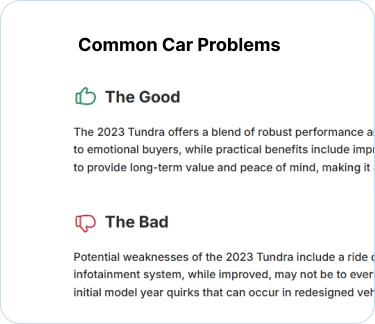
The Good
The 1986 RX-7 boasts a unique and exciting rotary engine delivering spirited performance. Its balanced handling provides a fun, engaging drive. The sleek design appeals to aesthetics, while its relatively compact size and surprising interior space offer practicality for everyday use, making it a compelling choice.
The Bad
Potential buyers of the 1986 RX-7 should be aware of the rotary engine's specific maintenance needs and potential for apex seal wear. Oil consumption can be higher than piston engines. Electrical gremlins and rust, especially in certain climates, are also common concerns to watch out for.
1986 Mazda RX-7: Quick Overview
- Engine Options:
- Naturally Aspirated 13B Rotary (2-rotor)
- Turbocharged 13B Rotary (2-rotor) for Turbo II models
- Horsepower:
- Naturally Aspirated: Approximately 146 hp
- Turbo II: Approximately 182 hp
- Fuel Economy: Typically in the range of 16-18 MPG city and 20-24 MPG highway, varying with engine and driving conditions. Rotary engines can be thirsty.
- 0-60 Times:
- Naturally Aspirated: Around 8-9 seconds
- Turbo II: Around 6-7 seconds
- Towing Capacity: Not applicable. The RX-7 is a sports car designed for performance, not utility, and does not have a towing capacity.
- Trim-Level Features:
- Base: Standard power windows, power steering, AM/FM stereo, basic cloth interior.
- GXL: Added features like leather seats, premium sound system, sunroof, cruise control, limited-slip differential.
- Turbo II: Featured a turbocharged engine, performance suspension tuning, larger brakes, sportier interior accents, aerodynamic body kit, limited-slip differential.
1986 Mazda RX-7 Specifications
Vehicle Information
| Year | 1986 |
| Make | Mazda |
| Model | RX-7 |
| Trim | - |
| Style | Coupe |
| Type | Coupe |
| Category | Compact Car |
Manufacturing Details
| Made In | Japan |
| Manufacturing City | HIROSHIMA |
Dimensions
| Doors | 2-Door |
| Curb Weight | - |
| Gross Vehicle Weight Rating | - |
| Overall Height | - |
| Overall Length | - |
| Overall Width | - |
| Wheelbase Length | - |
| Standard Seating | - |
Engine & Performance
| Engine | 1.3L |
| Engine Size | 1.3L |
| Engine Cylinders | - |
| Transmission | - |
| Transmission Type | - |
| Transmission Speeds | - |
| Drivetrain | Rear-Wheel Drive |
Additional Features
| Anti-Brake System | - |
| Steering Type | - |
Pricing
| Manufacturer Suggested Retail Price (MSRP) | - |
| Invoice Price | - |
| Delivery Charges | - |
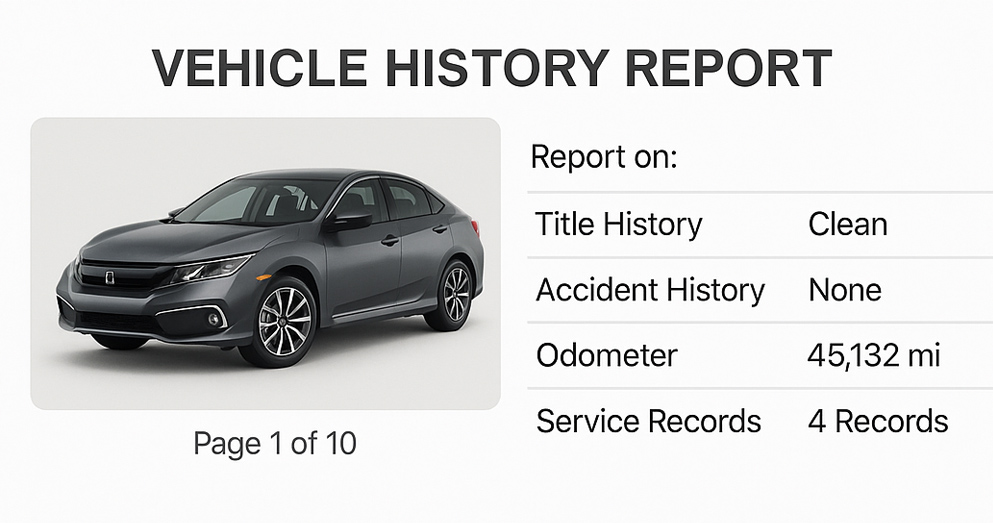
Vehicle History Report
Vehicle
Specifications
Specifications
Ownership
History
History
All History
Events
Events
NMVTIS Title
History Check
History Check
Salvage/Rebuilt
Check
Check
Accident
Check
Check
Theft
Check
Check
Open Lien
Check
Check
Past Sale
Listings
Listings
Safety
Recalls
Recalls
Odometer
Check
Check
Market Price
Analysis
Analysis
What Problems Does the 1986 Mazda RX-7 Have?
The 1986 Mazda RX-7, like many rotary-engine cars of its era, is known for specific mechanical concerns that impact long-term reliability. The most significant issue revolves around the apex seals within the rotary engine. These seals are critical for compression and can wear out over time, leading to a loss of power, difficulty starting, and eventually engine failure if not addressed. Regular maintenance, including proper oil levels and timely oil changes, is crucial to extend their life. Overheating can exacerbate apex seal wear.
Another common area of concern is the engine's tendency to consume oil, which is normal for rotaries but requires diligent monitoring to prevent engine damage. Fuel injectors and ignition systems can also be prone to issues.
On the electrical side, older wiring harnesses and components can degrade, leading to intermittent problems with various systems, from the power windows to the fuel pump.
Rust is a significant concern, particularly in areas exposed to salt or moisture. Common rust points include the wheel arches, rocker panels, and the area around the windshield.
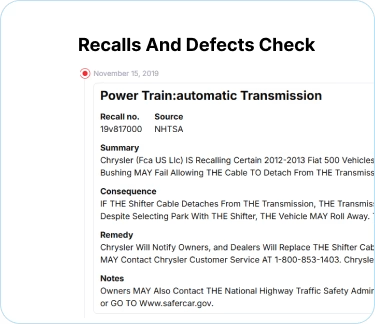
While specific recalls for the 1986 model year related to major design flaws are not widely documented, general maintenance and addressing wear-and-tear items are paramount. The reliability of an FC RX-7 largely depends on its maintenance history and how it has been driven. A well-maintained example can be quite durable, but neglected cars often require extensive and costly repairs to address these inherent weaknesses.
Another common area of concern is the engine's tendency to consume oil, which is normal for rotaries but requires diligent monitoring to prevent engine damage. Fuel injectors and ignition systems can also be prone to issues.
On the electrical side, older wiring harnesses and components can degrade, leading to intermittent problems with various systems, from the power windows to the fuel pump.
Rust is a significant concern, particularly in areas exposed to salt or moisture. Common rust points include the wheel arches, rocker panels, and the area around the windshield.
While specific recalls for the 1986 model year related to major design flaws are not widely documented, general maintenance and addressing wear-and-tear items are paramount. The reliability of an FC RX-7 largely depends on its maintenance history and how it has been driven. A well-maintained example can be quite durable, but neglected cars often require extensive and costly repairs to address these inherent weaknesses.
How long will the 1986 Mazda RX-7 last?
Estimating average mileage for a 1986 Mazda RX-7 is challenging due to its enthusiast appeal, meaning many are preserved or driven less frequently. However, well-maintained examples can realistically see 150,000 to 200,000 miles or more. The rotary engine's longevity is heavily tied to its maintenance. Consistent oil changes, using the correct oil, and preventing overheating are key. Without this, significant rebuilds might be needed much earlier, perhaps around 100,000 miles. The chassis itself is reasonably durable if rust is managed. Electrical components and interior wear are typical for a car of this age. Overall long-term durability hinges on meticulous care and addressing the rotary engine's specific needs.
What Technology & Safety Features are Included?
The 1986 Mazda RX-7, being a product of the mid-1980s, offered a blend of then-modern conveniences and basic safety features.
Built-in Tech & Entertainment: Standard equipment often included an AM/FM radio with a cassette player. Higher trims, like the GXL, could be equipped with a more premium sound system, sometimes featuring graphic equalizers. Power windows and power door locks were common, especially on higher trims, along with power mirrors. Air conditioning was also a typical feature. Cruise control was often an optional or trim-dependent feature. The dashboard presented a driver-focused layout with analog gauges for speed, tachometer, oil pressure, water temperature, and fuel level.
Driver-Assistance Features: As a sports car of its era, advanced driver-assistance systems were virtually non-existent. Features like Anti-lock Braking System (ABS) were not standard and might have been an option on some later FC models, but were not common on the 1986 model year. Power steering was standard, providing a lighter feel for maneuverability.
Safety Features: Standard safety equipment included three-point seat belts in the front. Crumple zones were incorporated into the car's structure. The Turbo II models sometimes received upgraded brakes. Rear-wheel drive, while contributing to its sporty handling, requires driver attentiveness.

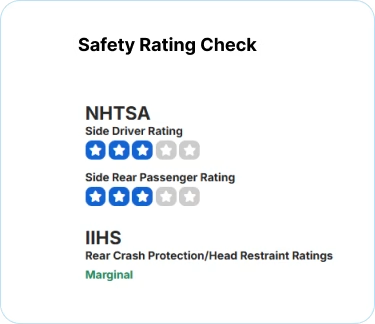
Crash-Test Ratings: Specific, modern-style crash-test ratings from organizations like the NHTSA or IIHS for the 1986 model year are not readily available in the same comprehensive format as today's vehicles. However, vehicles of this era generally performed less favorably in frontal and side-impact tests compared to modern standards. The RX-7's relatively light weight and compact design meant it lacked the extensive safety structures found in larger, heavier vehicles.
Built-in Tech & Entertainment: Standard equipment often included an AM/FM radio with a cassette player. Higher trims, like the GXL, could be equipped with a more premium sound system, sometimes featuring graphic equalizers. Power windows and power door locks were common, especially on higher trims, along with power mirrors. Air conditioning was also a typical feature. Cruise control was often an optional or trim-dependent feature. The dashboard presented a driver-focused layout with analog gauges for speed, tachometer, oil pressure, water temperature, and fuel level.
Driver-Assistance Features: As a sports car of its era, advanced driver-assistance systems were virtually non-existent. Features like Anti-lock Braking System (ABS) were not standard and might have been an option on some later FC models, but were not common on the 1986 model year. Power steering was standard, providing a lighter feel for maneuverability.
Safety Features: Standard safety equipment included three-point seat belts in the front. Crumple zones were incorporated into the car's structure. The Turbo II models sometimes received upgraded brakes. Rear-wheel drive, while contributing to its sporty handling, requires driver attentiveness.

Crash-Test Ratings: Specific, modern-style crash-test ratings from organizations like the NHTSA or IIHS for the 1986 model year are not readily available in the same comprehensive format as today's vehicles. However, vehicles of this era generally performed less favorably in frontal and side-impact tests compared to modern standards. The RX-7's relatively light weight and compact design meant it lacked the extensive safety structures found in larger, heavier vehicles.

What Colors Options are Available?
1986 Mazda RX-7 Prices and Market Value
When new in 1986, the Mazda RX-7 had a starting price generally ranging from approximately $13,000 for the base model to over $19,000 for the Turbo II.
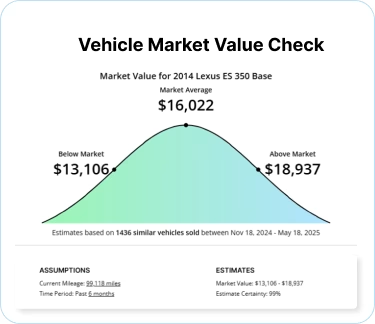
Today, used market prices for a 1986 RX-7 can vary significantly. Well-maintained, low-mileage examples, especially Turbo II models in excellent condition, can fetch anywhere from $7,000 to $15,000+. More common, higher-mileage cars needing work might be found for $3,000 to $6,000.
Depreciation was steepest in its early years, as is typical for most cars. However, the RX-7 has seen a resurgence in value due to its cult status, unique rotary engine, and classic Japanese sports car appeal. Factors affecting resale value include: condition (mechanical and cosmetic), mileage, originality, trim level (Turbo II being more desirable), maintenance history, and the presence of any modifications. A car with a documented engine rebuild or excellent original condition will command a premium.
Today, used market prices for a 1986 RX-7 can vary significantly. Well-maintained, low-mileage examples, especially Turbo II models in excellent condition, can fetch anywhere from $7,000 to $15,000+. More common, higher-mileage cars needing work might be found for $3,000 to $6,000.
Depreciation was steepest in its early years, as is typical for most cars. However, the RX-7 has seen a resurgence in value due to its cult status, unique rotary engine, and classic Japanese sports car appeal. Factors affecting resale value include: condition (mechanical and cosmetic), mileage, originality, trim level (Turbo II being more desirable), maintenance history, and the presence of any modifications. A car with a documented engine rebuild or excellent original condition will command a premium.
1986 Mazda RX-7 Cost of Ownership
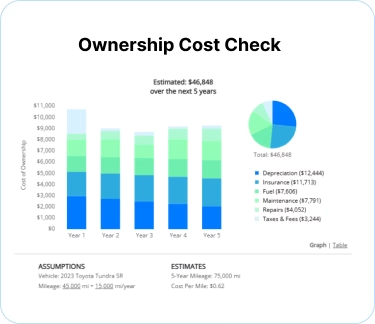
Owning a 1986 Mazda RX-7 is generally not considered economical. Insurance rates can be higher due to its sports car classification and parts availability. Fuel costs are notably higher than average, as rotary engines are typically less fuel-efficient, especially under spirited driving. Maintenance requires specialized knowledge and parts for the rotary engine can be more expensive. Repairs, particularly engine rebuilds or complex electrical issues, can be costly. Long-term ownership involves a commitment to proactive maintenance to mitigate potential expensive failures, making it a more costly vehicle to own compared to mainstream sedans or even some other sports cars.
1986 Mazda RX-7 Fuel Efficiency
Fuel Type
Gasoline
Fuel Capacity
-
City Mileage
-
Highway Mileage
-
1986 Mazda RX-7 Warranty
Basic
Original warranty
0 months / No data
Estimated remaining
Expired
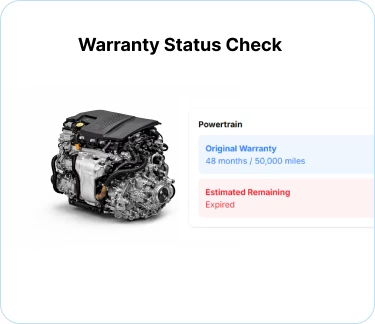
Powertrain
Original warranty
0 months / No data
Estimated remaining
Expired
Rust
Original warranty
0 months / No data
Estimated remaining
Expired
1986 Mazda RX-7 Insurance
Insurance for a 1986 Mazda RX-7 is moderately priced, reflecting its status as a Coupe with strong safety ratings and
reasonable repair costs.
How Does the 1986 Mazda RX-7 Compare to Other Coupe?
The 1986 Mazda RX-7 competed in the affordable sports coupe segment against rivals like the Nissan 300ZX (Z31), Toyota Supra (MkII/MkIII), and potentially the Porsche 944 in a higher price bracket.
Performance: The RX-7's defining feature was its unique rotary engine, offering smooth, high-revving power. The Turbo II variant provided performance competitive with its Japanese rivals. The Supra and 300ZX offered strong inline-six engines with comparable or better power output, especially in later models. The Porsche 944, while more expensive, offered superior handling dynamics and a more refined drivetrain.
Features: All these cars offered power amenities, advanced (for the time) audio systems, and varying levels of sport-oriented interiors. The Supra and 300ZX often came with more sophisticated electronic features and comfort options. The RX-7, particularly in base trims, was more focused on the driving experience.
Reliability: This is where the RX-7 often falls short compared to its Toyota and Nissan counterparts. The rotary engine, while unique and potent, requires more specialized maintenance and is prone to apex seal wear. The Supra and 300ZX, with their robust inline-six engines, are generally considered more reliable and less maintenance-intensive over the long term. The Porsche 944 had its own set of potential issues, often related to transaxle and cooling systems, but its piston engine was generally robust.
Price: The RX-7 offered a compelling entry price for a sporty coupe. The Supra and 300ZX were similarly priced, while the Porsche 944 was a significant step up in cost when new. Today, used RX-7s can be found at competitive prices, especially non-turbo models.
Alternatives: For those prioritizing reliability and a more conventional, potent engine with similar sporty intent, a Toyota Supra (MkIII) or Nissan 300ZX (Z32) would be strong alternatives. If budget allows and a more refined driving experience is desired, a Porsche 944 offers excellent handling but comes with higher maintenance costs. However, for those seeking the unique character and engaging rev-happiness of a rotary engine, the RX-7 remains a compelling, albeit higher-maintenance, choice.
Performance: The RX-7's defining feature was its unique rotary engine, offering smooth, high-revving power. The Turbo II variant provided performance competitive with its Japanese rivals. The Supra and 300ZX offered strong inline-six engines with comparable or better power output, especially in later models. The Porsche 944, while more expensive, offered superior handling dynamics and a more refined drivetrain.
Features: All these cars offered power amenities, advanced (for the time) audio systems, and varying levels of sport-oriented interiors. The Supra and 300ZX often came with more sophisticated electronic features and comfort options. The RX-7, particularly in base trims, was more focused on the driving experience.
Reliability: This is where the RX-7 often falls short compared to its Toyota and Nissan counterparts. The rotary engine, while unique and potent, requires more specialized maintenance and is prone to apex seal wear. The Supra and 300ZX, with their robust inline-six engines, are generally considered more reliable and less maintenance-intensive over the long term. The Porsche 944 had its own set of potential issues, often related to transaxle and cooling systems, but its piston engine was generally robust.
Price: The RX-7 offered a compelling entry price for a sporty coupe. The Supra and 300ZX were similarly priced, while the Porsche 944 was a significant step up in cost when new. Today, used RX-7s can be found at competitive prices, especially non-turbo models.
Alternatives: For those prioritizing reliability and a more conventional, potent engine with similar sporty intent, a Toyota Supra (MkIII) or Nissan 300ZX (Z32) would be strong alternatives. If budget allows and a more refined driving experience is desired, a Porsche 944 offers excellent handling but comes with higher maintenance costs. However, for those seeking the unique character and engaging rev-happiness of a rotary engine, the RX-7 remains a compelling, albeit higher-maintenance, choice.
Final Verdict: Is the 1986 Mazda RX-7 a Good Coupe?
The 1986 Mazda RX-7 is ideal for automotive enthusiasts who appreciate unique engineering, sharp handling, and a distinct driving experience. It's a car for those who value character and style over absolute long-term, hassle-free reliability.
Whether it's worth buying hinges on your tolerance for maintenance and potential repair costs. A well-maintained Turbo II model in good condition is a rewarding classic sports car. However, if you're looking for a daily driver with minimal fuss, it might not be the best choice.
It is best bought used, with a strong preference for cars with documented maintenance records, especially for the rotary engine. A pre-purchase inspection by a rotary specialist is highly recommended. For those willing to embrace the quirks and demands of a rotary engine, the RX-7 offers an engaging and stylish ownership experience that is increasingly hard to find.
Whether it's worth buying hinges on your tolerance for maintenance and potential repair costs. A well-maintained Turbo II model in good condition is a rewarding classic sports car. However, if you're looking for a daily driver with minimal fuss, it might not be the best choice.
It is best bought used, with a strong preference for cars with documented maintenance records, especially for the rotary engine. A pre-purchase inspection by a rotary specialist is highly recommended. For those willing to embrace the quirks and demands of a rotary engine, the RX-7 offers an engaging and stylish ownership experience that is increasingly hard to find.