The 1984 Dodge D350 is a robust half-ton pickup truck from Dodge's D-series lineup, produced from the mid-1970s through 1980s. This heavy-duty model, often a long-bed pickup or chassis cab, was built for work and utility. Key trims included the base and the more equipped Royal SE. It was known for its sturdy construction and strong V8 engine options, making it a popular choice for those needing reliable hauling and towing capabilities.

The Good
The 1984 Dodge D350 offers a blend of raw power and dependable performance, appealing to practical needs with its towing and hauling strength. Its classic, no-nonsense design evokes a sense of ruggedness and nostalgia, while its straightforward mechanics contribute to a reputation for reliable, long-lasting service, making it a valuable workhorse.
The Bad
Known weaknesses for the 1984 Dodge D350 often revolve around rust, particularly in the frame, body panels, and wheel wells. Electrical gremlins can also be a concern due to the age of the wiring. Interior wear and tear, especially on seats and dashboard components, is common, and older powertrains may exhibit oil leaks or cooling system issues.
1984 Dodge D350: Quick Overview
- Engine Options: The 1984 Dodge D350 was typically offered with a choice of two V8 gasoline engines or a diesel engine.
- 318 cubic inch (5.2L) V8: This was a common and reliable option. Horsepower generally ranged from around 140-170 hp, depending on the specific configuration and emissions equipment. Torque was a strong point for towing and hauling.
- 360 cubic inch (5.9L) V8: A larger and more powerful option, offering increased horsepower, typically in the range of 160-200 hp. This engine provided more grunt for demanding tasks.
- 318 cubic inch (5.9L) Cummins Turbo Diesel: Introduced in later model years (though the 1984 might have had a predecessor or a different diesel option depending on market), this was a highly sought-after engine for its durability and torque. Horsepower was lower (around 120-150 hp), but its low-end torque was exceptional for towing.
- Horsepower: As listed above, varied by engine, generally from 140 hp to 200 hp for gasoline V8s, and around 120-150 hp for the diesel.
- Fuel Economy: Fuel economy for this era of trucks, especially with V8 engines and heavy-duty configurations, was not a primary focus and was generally poor. Expect single-digit to low-teen MPG (miles per gallon), particularly when loaded or towing. Diesel offered slightly better, but still modest, fuel efficiency.
- 0-60 Times: Official 0-60 mph times were rarely published for work trucks of this era and would vary significantly based on engine, transmission, payload, and drivetrain. Generally, expect 0-60 times to be in the 10-15 second range, and likely longer for loaded trucks.
- Towing Capacity: The D350, as a heavy-duty model, was designed for significant towing. Towing capacities could range from approximately 7,000 lbs up to over 10,000 lbs, depending on the axle ratio, engine, transmission, and optional towing packages.
- Trim-Level Features:
- Base Trim: Featured functional, no-frills equipment. Vinyl bench seats, rubber floor mats, manual windows and locks, basic AM radio, and minimal interior trim. Focus was on durability and utility.
- Royal SE Trim: Offered more comfort and convenience features. Upgraded cloth or vinyl bench seats, carpeting, power steering, power brakes, a more comprehensive gauge cluster, chrome exterior accents, and potentially an AM/FM radio with cassette player.
1984 Dodge D350 Specifications
Vehicle Information
| Year | 1984 |
| Make | Dodge |
| Model | D350 |
| Trim | - |
| Style | 2WD |
| Type | Pickup Truck |
| Category | Medium Truck |
Manufacturing Details
| Made In | United States |
| Manufacturing City | WARREN |
Dimensions
| Doors | 4-Door |
| Curb Weight | - |
| Gross Vehicle Weight Rating | - |
| Overall Height | - |
| Overall Length | - |
| Overall Width | - |
| Wheelbase Length | - |
| Standard Seating | - |
Engine & Performance
| Engine | 5.9L V8 OHV 16V |
| Engine Size | 5.9L |
| Engine Cylinders | 8 |
| Transmission | - |
| Transmission Type | - |
| Transmission Speeds | - |
| Drivetrain | Rear-Wheel Drive |
Additional Features
| Anti-Brake System | - |
| Steering Type | - |
Pricing
| Manufacturer Suggested Retail Price (MSRP) | - |
| Invoice Price | - |
| Delivery Charges | - |
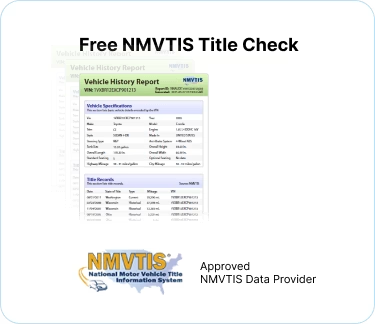
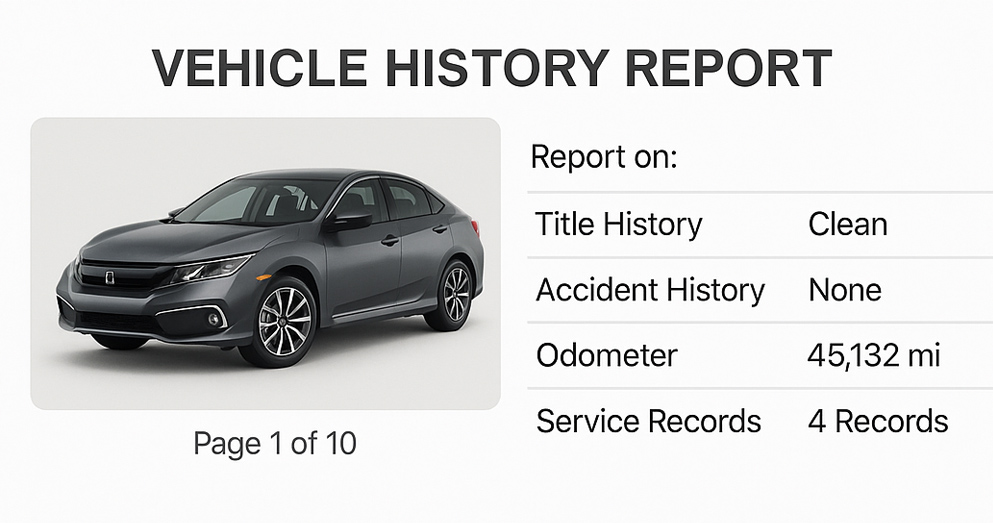
Vehicle History Report
Vehicle
Specifications
Specifications
Ownership
History
History
All History
Events
Events
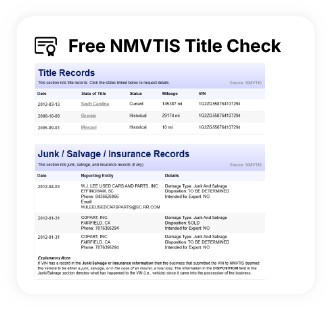
NMVTIS Title
History Check
History Check
Salvage/Rebuilt
Check
Check
Accident
Check
Check
Theft
Check
Check
Open Lien
Check
Check
Past Sale
Listings
Listings
Safety
Recalls
Recalls
Odometer
Check
Check
Market Price
Analysis
Analysis
What Problems Does the 1984 Dodge D350 Have?
The 1984 Dodge D350, like many trucks of its vintage, faces several common issues that owners should be aware of, primarily stemming from age and typical wear.
One of the most prevalent concerns is rust. These trucks are susceptible to corrosion, especially in regions with harsh winters or high humidity. Common areas for rust include the truck bed, rocker panels, cab corners, fender wells, and the frame itself. Thorough inspection for rust is paramount when considering a purchase, as significant frame rust can be a safety hazard and costly to repair.
Electrical systems can also present challenges. Aging wiring harnesses, corrosion in connectors, and failing components like alternators, voltage regulators, and starter motors are not uncommon. Dashboard lights may flicker, gauges can be unreliable, and power accessories (if equipped) might be intermittent.
The powertrain, while generally robust, can develop issues. Oil leaks from the engine (e.g., oil pan gasket, valve cover gaskets) and transmission are frequently reported. The cooling system, including radiators, water pumps, and hoses, requires regular maintenance to prevent overheating. For trucks with automatic transmissions, hard shifts or slipping can indicate internal wear.
The interior components are also prone to wear. Seats, especially bench seats, can become torn or flattened. The dashboard material can crack due to sun exposure, and interior trim pieces may become brittle or missing.
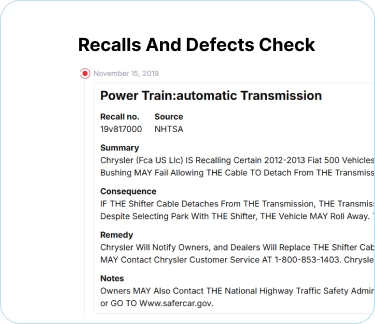
Regarding specific recalls for the 1984 model year, it's challenging to provide an exhaustive list without access to NHTSA's historical database for that exact year and model. However, manufacturers of this era did issue recalls for issues such as potential brake system problems, fuel system leaks, or steering component failures. It's advisable for prospective buyers to check the VIN against recall databases to ascertain if any outstanding safety recalls apply.
Long-term reliability is largely dependent on how well the truck has been maintained. A well-maintained D350, particularly with the diesel engine, can be incredibly durable. However, neglected trucks are more likely to suffer from the aforementioned issues. Common remedies for reliability concerns involve proactive maintenance, replacing aging components before they fail, and addressing rust proactively.
One of the most prevalent concerns is rust. These trucks are susceptible to corrosion, especially in regions with harsh winters or high humidity. Common areas for rust include the truck bed, rocker panels, cab corners, fender wells, and the frame itself. Thorough inspection for rust is paramount when considering a purchase, as significant frame rust can be a safety hazard and costly to repair.
Electrical systems can also present challenges. Aging wiring harnesses, corrosion in connectors, and failing components like alternators, voltage regulators, and starter motors are not uncommon. Dashboard lights may flicker, gauges can be unreliable, and power accessories (if equipped) might be intermittent.
The powertrain, while generally robust, can develop issues. Oil leaks from the engine (e.g., oil pan gasket, valve cover gaskets) and transmission are frequently reported. The cooling system, including radiators, water pumps, and hoses, requires regular maintenance to prevent overheating. For trucks with automatic transmissions, hard shifts or slipping can indicate internal wear.
The interior components are also prone to wear. Seats, especially bench seats, can become torn or flattened. The dashboard material can crack due to sun exposure, and interior trim pieces may become brittle or missing.
Regarding specific recalls for the 1984 model year, it's challenging to provide an exhaustive list without access to NHTSA's historical database for that exact year and model. However, manufacturers of this era did issue recalls for issues such as potential brake system problems, fuel system leaks, or steering component failures. It's advisable for prospective buyers to check the VIN against recall databases to ascertain if any outstanding safety recalls apply.
Long-term reliability is largely dependent on how well the truck has been maintained. A well-maintained D350, particularly with the diesel engine, can be incredibly durable. However, neglected trucks are more likely to suffer from the aforementioned issues. Common remedies for reliability concerns involve proactive maintenance, replacing aging components before they fail, and addressing rust proactively.
How long will the 1984 Dodge D350 last?
The 1984 Dodge D350, particularly those equipped with the robust Cummins diesel engine (if applicable to this exact configuration), is known for its exceptional long-term durability. With diligent maintenance, including regular oil changes, fluid flushes, and addressing minor issues promptly, these trucks can easily surpass 200,000 to 300,000 miles and continue serving reliably for years beyond that. Many owners report seeing their D350s reach 400,000 miles or more. The chassis and drivetrain are built to last. However, weaknesses over time are primarily related to environmental factors like rust, which can compromise structural integrity if not managed. Electrical components and interior wear are also common age-related issues. Overall, the fundamental mechanical components of the D350 exhibit remarkable longevity.
What Technology & Safety Features are Included?
The 1984 Dodge D350 represents a simpler era of automotive technology, with its features focused on utility and essential functionality rather than advanced electronics or driver aids.
Built-in Tech and Entertainment: Standard equipment was basic. Buyers typically found an AM radio, with an AM/FM radio and a cassette player often available as optional upgrades. Some higher trims might have offered more speakers. Power windows and door locks were not standard and would have been optional luxury features, especially on the base models. Air conditioning was also an option, which could vary in effectiveness with age.
Driver-Assistance Features: In 1984, the concept of electronic driver-assistance systems as we know them today simply did not exist for pickup trucks. Features like cruise control might have been available as an option, but advanced systems such as traction control, lane departure warnings, or adaptive cruise control were entirely absent.
Safety Features: Safety features on the 1984 D350 were rudimentary by modern standards. Standard safety equipment would have included seat belts (lap and shoulder belts in the front), and basic braking systems. Power steering and power brakes were common and became standard on higher trims or were optional on base models, improving control.
Optional Features: Beyond entertainment upgrades, optional features often included heavy-duty towing packages (enhancing cooling, trailer wiring, and hitch capabilities), limited-slip differentials, upgraded suspension components for heavier loads, and potentially different axle ratios to optimize for towing or fuel economy. Exterior appearance packages might have included chrome accents or different wheel options.
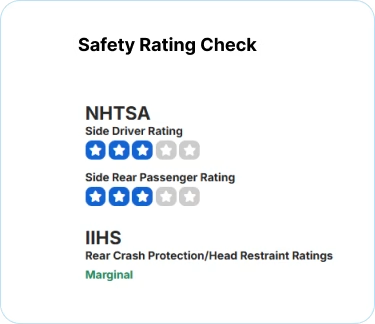
Crash-Test Ratings: Official, standardized crash-test ratings like those provided by the NHTSA or IIHS today were not consistently available or publicly reported for pickup trucks in 1984. Vehicle safety testing was less rigorous and less transparent than it is now. Therefore, specific crash-test ratings for the 1984 Dodge D350 are generally not available in modern databases. The design of the D350 prioritized robust construction for work, but lacked the crumple zones, advanced airbag systems, and comprehensive structural safety engineering found in contemporary vehicles.
Built-in Tech and Entertainment: Standard equipment was basic. Buyers typically found an AM radio, with an AM/FM radio and a cassette player often available as optional upgrades. Some higher trims might have offered more speakers. Power windows and door locks were not standard and would have been optional luxury features, especially on the base models. Air conditioning was also an option, which could vary in effectiveness with age.
Driver-Assistance Features: In 1984, the concept of electronic driver-assistance systems as we know them today simply did not exist for pickup trucks. Features like cruise control might have been available as an option, but advanced systems such as traction control, lane departure warnings, or adaptive cruise control were entirely absent.
Safety Features: Safety features on the 1984 D350 were rudimentary by modern standards. Standard safety equipment would have included seat belts (lap and shoulder belts in the front), and basic braking systems. Power steering and power brakes were common and became standard on higher trims or were optional on base models, improving control.
Optional Features: Beyond entertainment upgrades, optional features often included heavy-duty towing packages (enhancing cooling, trailer wiring, and hitch capabilities), limited-slip differentials, upgraded suspension components for heavier loads, and potentially different axle ratios to optimize for towing or fuel economy. Exterior appearance packages might have included chrome accents or different wheel options.
Crash-Test Ratings: Official, standardized crash-test ratings like those provided by the NHTSA or IIHS today were not consistently available or publicly reported for pickup trucks in 1984. Vehicle safety testing was less rigorous and less transparent than it is now. Therefore, specific crash-test ratings for the 1984 Dodge D350 are generally not available in modern databases. The design of the D350 prioritized robust construction for work, but lacked the crumple zones, advanced airbag systems, and comprehensive structural safety engineering found in contemporary vehicles.
What Colors Options are Available?
1984 Dodge D350 Prices and Market Value
When new, the 1984 Dodge D350 likely had an original sticker price ranging from approximately $10,000 to $18,000, depending heavily on engine choice, cab configuration (regular cab was standard), bed length, and optional equipment. These trucks were priced competitively as work vehicles.
Currently, the used market for a 1984 Dodge D350 varies significantly. Clean, well-maintained examples, especially those with desirable engines like the Cummins diesel or a strong V8, and low mileage for their age, can command anywhere from $5,000 to $15,000 or more. Poorly maintained or heavily used trucks might be found for under $3,000.
Depreciation has been substantial, as is typical for most vehicles over nearly four decades. However, these trucks have now entered the realm of classic and collectible status, particularly those in good condition. Factors affecting resale value include: condition (rust is a major detractor), mileage, originality, the presence of desirable options (like the diesel engine or towing packages), and overall mechanical health. Well-preserved examples are increasingly sought after by enthusiasts and those needing a capable vintage work truck.
Currently, the used market for a 1984 Dodge D350 varies significantly. Clean, well-maintained examples, especially those with desirable engines like the Cummins diesel or a strong V8, and low mileage for their age, can command anywhere from $5,000 to $15,000 or more. Poorly maintained or heavily used trucks might be found for under $3,000.
Depreciation has been substantial, as is typical for most vehicles over nearly four decades. However, these trucks have now entered the realm of classic and collectible status, particularly those in good condition. Factors affecting resale value include: condition (rust is a major detractor), mileage, originality, the presence of desirable options (like the diesel engine or towing packages), and overall mechanical health. Well-preserved examples are increasingly sought after by enthusiasts and those needing a capable vintage work truck.
1984 Dodge D350 Cost of Ownership
Ownership costs for a 1984 Dodge D350 are a mixed bag. Insurance for older, utility-focused vehicles can be relatively inexpensive, especially if used for classic or pleasure purposes. Fuel costs will be high, as these trucks are not fuel-efficient, with V8 gasoline engines consuming significant amounts of fuel. Maintenance and repair costs can be moderate to high; while parts are generally available and mechanics familiar with older Dodge trucks can be found, the potential for age-related issues (rust, electrical problems) can lead to unexpected expenses. Overall, while purchase price might be low, the D350 is not an economical vehicle to own due to its fuel consumption and potential repair needs. It's a costly, but often rewarding, ownership experience for enthusiasts.
1984 Dodge D350 Fuel Efficiency
Fuel Type
Gasoline
Fuel Capacity
-
City Mileage
-
Highway Mileage
-
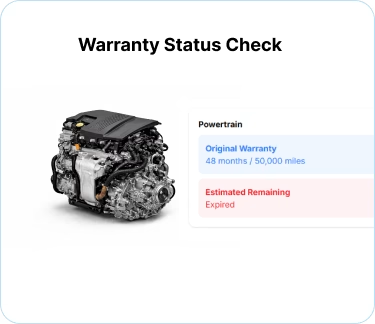
1984 Dodge D350 Warranty
Basic
Original warranty
0 months / No data
Estimated remaining
Expired
Powertrain
Original warranty
0 months / No data
Estimated remaining
Expired
Rust
Original warranty
0 months / No data
Estimated remaining
Expired
1984 Dodge D350 Insurance
Insurance for a 1984 Dodge D350 is moderately priced, reflecting its status as a Pickup Truck with strong safety ratings and
reasonable repair costs.
How Does the 1984 Dodge D350 Compare to Other Pickup Truck?
The 1984 Dodge D350 competed in the heavy-duty pickup truck segment against formidable rivals like the Ford F-350 and Chevrolet C30 (and later K30).
Performance: In terms of raw power and towing capability, the D350 with its available V8 engines was generally competitive. The optional diesel engine, especially if it was an early Cummins, offered excellent torque for hauling, often rivaling or exceeding its peers in that specific metric. Ford and Chevy also offered powerful V8s and their own diesel options (e.g., Ford's 6.9L IDI diesel, Chevy's 6.2L diesel) that provided comparable or sometimes superior horsepower ratings.
Features: Feature-wise, all three manufacturers offered similar levels of basic amenities for 1984. Power steering and brakes were common, with options for upgraded interiors, radios, and air conditioning. None of these trucks offered the advanced technology or creature comforts of modern vehicles. They were fundamentally work trucks focused on utility over luxury. Dodge's interior design was functional but perhaps less refined than some Ford or Chevy offerings of the time.
Reliability: Reliability varied by engine and owner maintenance. Dodge trucks of this era were known for their stout drivetrains, but also for susceptibility to rust, similar to their competitors. Ford's 6.9L IDI diesel was highly regarded for its durability, as was the Chevrolet 6.2L diesel. The gasoline V8s from all three brands were generally reliable but thirsty. Long-term, well-maintained examples of any of these trucks can be quite dependable.
Price: When new, pricing was generally comparable across the Big Three for similar configurations and trim levels. In the current used market, the 1984 Dodge D350 can be a good value, often being less expensive than a comparable Ford F-350 or Chevy C30, especially if it's not the highly sought-after diesel variant. However, highly desirable diesel models can fetch prices similar to or exceeding their competitors.
Alternatives:
Performance: In terms of raw power and towing capability, the D350 with its available V8 engines was generally competitive. The optional diesel engine, especially if it was an early Cummins, offered excellent torque for hauling, often rivaling or exceeding its peers in that specific metric. Ford and Chevy also offered powerful V8s and their own diesel options (e.g., Ford's 6.9L IDI diesel, Chevy's 6.2L diesel) that provided comparable or sometimes superior horsepower ratings.
Features: Feature-wise, all three manufacturers offered similar levels of basic amenities for 1984. Power steering and brakes were common, with options for upgraded interiors, radios, and air conditioning. None of these trucks offered the advanced technology or creature comforts of modern vehicles. They were fundamentally work trucks focused on utility over luxury. Dodge's interior design was functional but perhaps less refined than some Ford or Chevy offerings of the time.
Reliability: Reliability varied by engine and owner maintenance. Dodge trucks of this era were known for their stout drivetrains, but also for susceptibility to rust, similar to their competitors. Ford's 6.9L IDI diesel was highly regarded for its durability, as was the Chevrolet 6.2L diesel. The gasoline V8s from all three brands were generally reliable but thirsty. Long-term, well-maintained examples of any of these trucks can be quite dependable.
Price: When new, pricing was generally comparable across the Big Three for similar configurations and trim levels. In the current used market, the 1984 Dodge D350 can be a good value, often being less expensive than a comparable Ford F-350 or Chevy C30, especially if it's not the highly sought-after diesel variant. However, highly desirable diesel models can fetch prices similar to or exceeding their competitors.
Alternatives:
- Ford F-350: A very strong competitor, known for its robust construction and the legendary 6.9L IDI diesel engine. Often considered slightly more refined in interior design.
- Chevrolet C30/K30: Also a capable heavy-duty truck, with its 6.2L diesel offering good towing power. Chevrolet interiors from this era could feel a bit dated compared to some.
- Ramcharger/Power Wagon (Dodge): If a heavy-duty SUV with similar underpinnings is desired, the Dodge Ramcharger or Power Wagon models from the same era share much of the D350's mechanical DNA.
Final Verdict: Is the 1984 Dodge D350 a Good Pickup Truck?
The 1984 Dodge D350 is ideal for individuals or businesses needing a rugged, no-nonsense workhorse for towing, hauling, or robust utility tasks. It appeals to those who appreciate classic American truck design and mechanical simplicity. It is worth buying if you prioritize durability and capability over modern amenities and fuel efficiency, and are prepared for potential age-related maintenance.
Buying used is the only option. Focus on finding a D350 with minimal rust, ideally one that has been well-maintained. Trucks equipped with the diesel engine (if available for the specific 1984 configuration) or a strong-running V8 are the most desirable for performance. Avoid heavily modified or neglected examples. For enthusiasts or those seeking a capable vintage truck for work, the D350 can be a rewarding investment, provided its condition aligns with your expectations and budget for upkeep.