
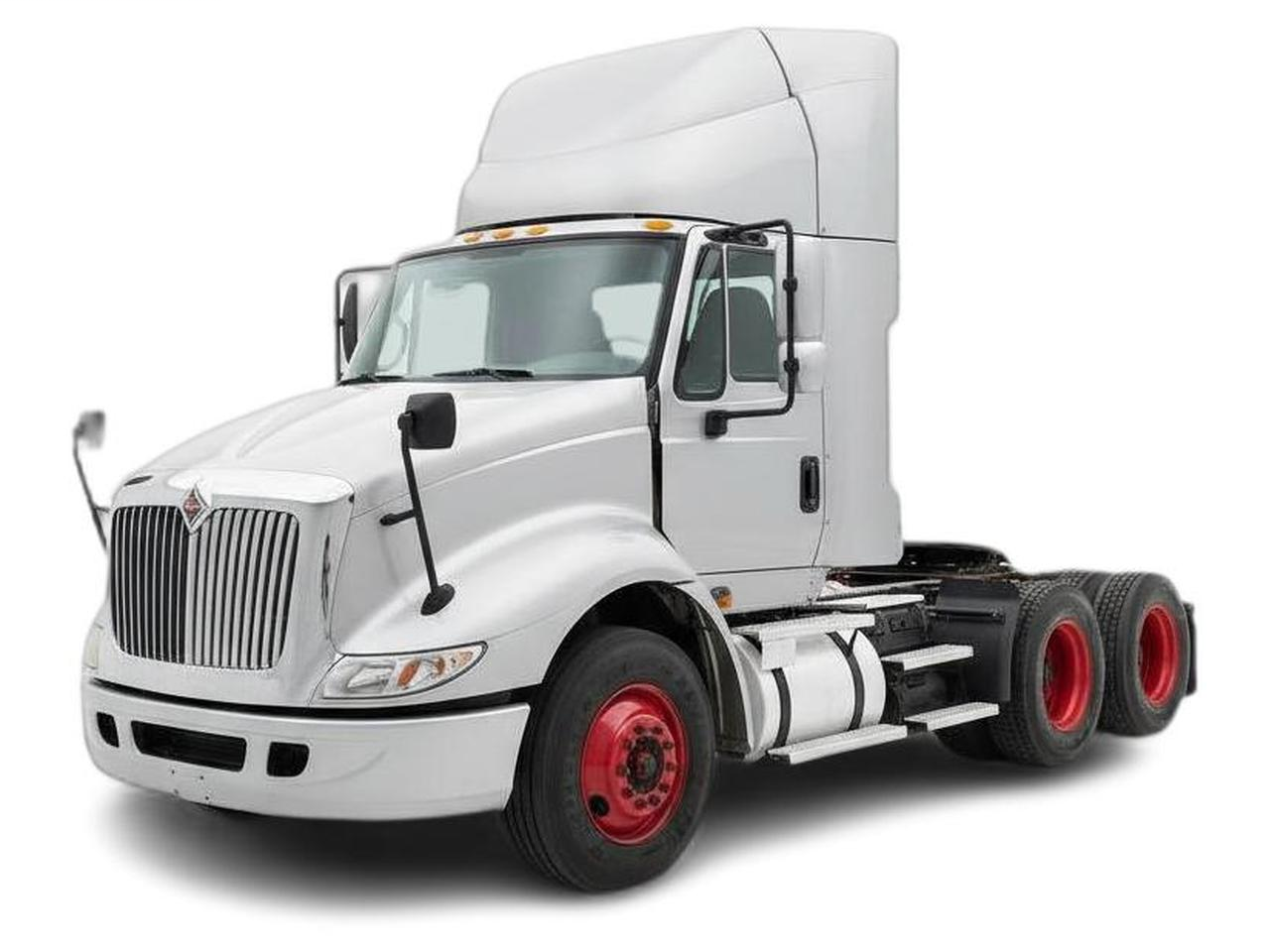
The 2007 International 8600 is a robust Class 8 truck, produced by Navistar International. It primarily served as a heavy-duty commercial vehicle, often configured as a tractor for hauling semi-trailers. While specific trims are less defined than in consumer vehicles, its popularity stems from its strong performance and durability in demanding vocational and over-the-road applications. Pricing varied greatly based on configuration and original equipment.
The Good
The 2007 International 8600 excels in raw power and unwavering reliability, essential for demanding work. Its spacious cabin offers surprising comfort for long hauls, appealing to both the practicality of fleet owners and the well-being of drivers. Its solid engineering and robust build translate to excellent long-term value.
The Bad
Potential buyers of a 2007 International 8600 should be aware of possible issues with older electronics, particularly concerning the engine control module (ECM) and associated wiring. Some units may experience wear and tear on the drivetrain and suspension components due to heavy use. Fuel system maintenance is also crucial.
2007 International 8600: Quick Overview
- Engine Options: The 2007 International 8600 was typically equipped with powerful diesel engines from Cummins and Navistar. Common options included:
- Cummins ISX: A highly regarded inline-6 diesel engine known for its robust performance.
- Navistar DT Series: Another reliable option, often found in vocational applications.
- Cummins ISM: A powerful engine suited for heavy-duty hauling.
- Horsepower: Horsepower ratings varied significantly depending on the specific engine model and configuration, generally ranging from approximately 330 horsepower up to over 500 horsepower for higher-spec models.
- Fuel Economy: Fuel economy for a Class 8 truck like the 8600 is not measured in MPG in the same way as a passenger car. It is usually discussed in terms of miles per gallon (MPG) but at much lower figures, typically ranging from 4 to 7 MPG, highly dependent on load, terrain, driving style, and specific engine tuning.
- 0-60 Times: 0-60 mph acceleration times are not a standard metric for commercial trucks. Their focus is on torque and hauling capability, not rapid acceleration. When loaded, reaching highway speeds can take a considerable amount of time and distance.
- Towing Capacity: The towing capacity of the 2007 International 8600 is substantial, designed for heavy-duty applications. As a tractor unit, its Gross Combination Weight Rating (GCWR) could easily exceed 80,000 lbs and often much higher, depending on the axle configurations, chassis strength, and trailer type.
- Trim-Level Features: As a commercial truck, the concept of "trim levels" is different from consumer vehicles. Features were largely dictated by vocational purpose and customer specifications. Common configurations and features included:
- Day Cabs: Designed for local or regional routes, offering minimal sleeping accommodations.
- Sleeper Cabs: Available in various sizes (e.g., 42-inch, 60-inch, 72-inch) to provide living quarters for long-haul drivers, including beds, storage, and sometimes small amenities.
- Axle Configurations: Tandem rear axles were common for increased load-bearing capacity.
- Wheelbases: Various wheelbases to accommodate different trailer lengths and turning radius requirements.
- Suspension Systems: Robust suspension options (e.g., air ride, spring) to handle heavy loads and varying road conditions.
- Driver Amenities: While not luxurious, driver comfort was addressed with features like air conditioning, power steering, adjustable seats, and often a basic infotainment system.
2007 International 8600 Specifications
Vehicle Information
| Year | 2007 |
| Make | International |
| Model | 8600 |
| Trim | - |
| Style | - |
| Type | Truck |
| Category | Heavy Truck Rf027 |
Manufacturing Details
| Made In | United States |
| Manufacturing City | GARLAND |
Dimensions
| Doors | - |
| Curb Weight | - |
| Gross Vehicle Weight Rating | 33001 pounds |
| Overall Height | - |
| Overall Length | - |
| Overall Width | - |
| Wheelbase Length | - |
| Standard Seating | - |
Engine & Performance
| Engine | 10.8L I6 |
| Engine Size | 10.8L |
| Engine Cylinders | 6 |
| Transmission | - |
| Transmission Type | - |
| Transmission Speeds | - |
| Drivetrain | 6x4 |
Additional Features
| Anti-Brake System | - |
| Steering Type | - |
Pricing
| Manufacturer Suggested Retail Price (MSRP) | - |
| Invoice Price | - |
| Delivery Charges | - |
Vehicle History Report
Vehicle
Specifications
Specifications
Ownership
History
History
All History
Events
Events
NMVTIS Title
History Check
History Check
Salvage/Rebuilt
Check
Check
Accident
Check
Check
Theft
Check
Check
Open Lien
Check
Check
Past Sale
Listings
Listings
Safety
Recalls
Recalls
Odometer
Check
Check
Market Price
Analysis
Analysis
What Problems Does the 2007 International 8600 Have?
While the 2007 International 8600 is generally considered a reliable workhorse, like any heavy-duty truck of this age, it is susceptible to certain issues that owners and fleet managers should be aware of. Common areas of concern often revolve around the complex electronic systems and the wear and tear associated with high mileage and demanding operations.
One frequently reported area of concern is the engine control module (ECM) and related wiring. Given the age and the vibrations inherent in truck operation, wiring harnesses can degrade, leading to intermittent electrical faults or diagnostic trouble codes. These issues can manifest in various ways, from rough idling to complete engine shutdowns, and can be costly to diagnose and repair due to the intricate nature of the systems.
Another aspect to watch for is the drivetrain and suspension components. After years of service, especially under heavy loads, components such as the clutch, transmission, differentials, U-joints, and suspension springs or air bags can experience significant wear. Maintenance records are crucial here to ensure these parts have been inspected and serviced regularly. Premature wear in these areas can lead to breakdowns and costly repairs.
The fuel system, particularly on diesel engines, can also be a source of problems if not meticulously maintained. Injectors, fuel pumps, and filters need regular attention. Issues like clogged filters or failing injectors can lead to reduced power, poor fuel economy, and potential engine damage. For the 2007 model year specifically, no widespread, model-defining issues stand out as unique to this particular year compared to a few years either side, but the general concerns applicable to this generation of International trucks would apply. Recalls for commercial vehicles are less frequent than for passenger cars and are typically focused on safety-critical components. Owners should always check with the National Highway Traffic Safety Administration (NHTSA) or Navistar for any outstanding recalls related to their specific VIN. Long-term reliability hinges heavily on the quality of maintenance and the operating environment. Trucks used for frequent, long-haul, heavy-duty applications will naturally experience more wear than those used for lighter, regional routes. Proactive maintenance and prompt repair of minor issues are key to mitigating major problems and ensuring the longevity of the 2007 International 8600.
One frequently reported area of concern is the engine control module (ECM) and related wiring. Given the age and the vibrations inherent in truck operation, wiring harnesses can degrade, leading to intermittent electrical faults or diagnostic trouble codes. These issues can manifest in various ways, from rough idling to complete engine shutdowns, and can be costly to diagnose and repair due to the intricate nature of the systems.
Another aspect to watch for is the drivetrain and suspension components. After years of service, especially under heavy loads, components such as the clutch, transmission, differentials, U-joints, and suspension springs or air bags can experience significant wear. Maintenance records are crucial here to ensure these parts have been inspected and serviced regularly. Premature wear in these areas can lead to breakdowns and costly repairs.
The fuel system, particularly on diesel engines, can also be a source of problems if not meticulously maintained. Injectors, fuel pumps, and filters need regular attention. Issues like clogged filters or failing injectors can lead to reduced power, poor fuel economy, and potential engine damage. For the 2007 model year specifically, no widespread, model-defining issues stand out as unique to this particular year compared to a few years either side, but the general concerns applicable to this generation of International trucks would apply. Recalls for commercial vehicles are less frequent than for passenger cars and are typically focused on safety-critical components. Owners should always check with the National Highway Traffic Safety Administration (NHTSA) or Navistar for any outstanding recalls related to their specific VIN. Long-term reliability hinges heavily on the quality of maintenance and the operating environment. Trucks used for frequent, long-haul, heavy-duty applications will naturally experience more wear than those used for lighter, regional routes. Proactive maintenance and prompt repair of minor issues are key to mitigating major problems and ensuring the longevity of the 2007 International 8600.
How long will the 2007 International 8600 last?
The 2007 International 8600 is built for longevity, and with proper care, it's not uncommon to see these trucks accumulate well over 750,000 to over 1 million miles. Many owners meticulously maintain their fleets, performing regular oil changes, filter replacements, and drivetrain inspections. The average years of service can easily extend to 10-15 years, with some vehicles still in active service after two decades if well-maintained. The truck's long-term durability is a significant strength, stemming from its heavy-duty construction. However, weaknesses that emerge over time often relate to the aging of electrical components, the need for potential drivetrain overhauls (like clutch or transmission rebuilds), and the general wear on suspension and braking systems due to continuous use. The robustness of the core engine and chassis is exceptional, but ancillary systems require diligent attention to achieve maximum lifespan.
What Technology & Safety Features are Included?
The 2007 International 8600, being a commercial heavy-duty truck, focuses primarily on functionality, durability, and driver ergonomics rather than extensive in-cabin technology or advanced driver-assistance systems as found in modern passenger vehicles. Built for vocational and over-the-road hauling, its features are geared towards the demands of commercial operation.
Built-in Tech and Entertainment: Standard technology in a 2007 8600 was relatively basic. It typically included a functional AM/FM radio, and potentially a CD player. While auxiliary inputs for personal devices were not common in this era, some higher-spec or custom-ordered units might have featured more integrated audio systems. Navigation systems were usually aftermarket additions rather than factory-installed options. The primary focus was on providing essential information and basic audio entertainment for long hauls.
Driver-Assistance Features: Advanced driver-assistance systems (ADAS) like adaptive cruise control, lane departure warning, or automatic emergency braking were virtually non-existent in the 2007 International 8600. The truck's design prioritized mechanical reliability and driver control. Features that might be considered assistance were more along the lines of robust power steering, air brakes with excellent stopping power, and large, clear mirrors for maximum visibility. Parking aids or cameras were not standard.
Safety Features: Safety in the 8600 was achieved through its robust construction and essential safety systems. Standard safety features included:
Crash-Test Ratings: Unlike passenger cars and SUVs, commercial trucks like the 2007 International 8600 do not typically undergo standardized crash-testing by agencies like the NHTSA or IIHS in the same manner. Their safety is assessed based on their inherent structural integrity, compliance with federal motor vehicle safety standards (FMVSS) for heavy-duty vehicles, and the effectiveness of their braking and visibility systems. The focus is on preventing accidents and mitigating injury through robust design and essential safety hardware. Therefore, specific crash-test ratings are generally unavailable.
Built-in Tech and Entertainment: Standard technology in a 2007 8600 was relatively basic. It typically included a functional AM/FM radio, and potentially a CD player. While auxiliary inputs for personal devices were not common in this era, some higher-spec or custom-ordered units might have featured more integrated audio systems. Navigation systems were usually aftermarket additions rather than factory-installed options. The primary focus was on providing essential information and basic audio entertainment for long hauls.
Driver-Assistance Features: Advanced driver-assistance systems (ADAS) like adaptive cruise control, lane departure warning, or automatic emergency braking were virtually non-existent in the 2007 International 8600. The truck's design prioritized mechanical reliability and driver control. Features that might be considered assistance were more along the lines of robust power steering, air brakes with excellent stopping power, and large, clear mirrors for maximum visibility. Parking aids or cameras were not standard.
Safety Features: Safety in the 8600 was achieved through its robust construction and essential safety systems. Standard safety features included:
- Heavy-Duty Frame and Cab Construction: Designed to withstand significant forces and protect occupants in the event of a collision.
- Air Brakes: Providing powerful and reliable stopping power, crucial for a vehicle of this size and weight.
- Seat Belts: Standard for all occupants.
- Headlights and Taillights: Essential for visibility and signaling.
- Anti-lock Braking System (ABS): Often standard or optional on commercial vehicles of this class to prevent wheel lock-up during hard braking.
- Different cab configurations (day cab vs. various sleeper options).
- Enhanced interior materials for durability and comfort in sleeper cabs.
- Additional fuel tanks for extended range.
- Specialized suspensions for different terrains.
- More powerful engine options.
Crash-Test Ratings: Unlike passenger cars and SUVs, commercial trucks like the 2007 International 8600 do not typically undergo standardized crash-testing by agencies like the NHTSA or IIHS in the same manner. Their safety is assessed based on their inherent structural integrity, compliance with federal motor vehicle safety standards (FMVSS) for heavy-duty vehicles, and the effectiveness of their braking and visibility systems. The focus is on preventing accidents and mitigating injury through robust design and essential safety hardware. Therefore, specific crash-test ratings are generally unavailable.
What Colors Options are Available?
2007 International 8600 Prices and Market Value
When new, the 2007 International 8600 had a wide price range, typically starting from around $80,000 to $150,000 or even higher, depending heavily on the specific configuration, engine, transmission, and options chosen. As a heavy-duty commercial vehicle, its initial cost reflected its robust engineering and specialized purpose.
Currently, the used market prices for a 2007 International 8600 vary significantly based on mileage, condition, maintenance history, and the specific application it was used for. You might find these trucks listed anywhere from $15,000 to $50,000 or more for well-maintained units with lower mileage.
Depreciation is a factor, but for commercial trucks, it's often less drastic than for consumer vehicles, especially for well-maintained models. The resale value is primarily influenced by its mechanical condition, engine life remaining, tire condition, and overall appearance. Trucks that have been regularly serviced and have detailed maintenance records tend to hold their value better. Fleets often replace trucks based on mileage thresholds or upcoming major maintenance, so age alone is not the sole determinant of value. The demand for reliable, used Class 8 trucks also plays a significant role in their residual values.
Currently, the used market prices for a 2007 International 8600 vary significantly based on mileage, condition, maintenance history, and the specific application it was used for. You might find these trucks listed anywhere from $15,000 to $50,000 or more for well-maintained units with lower mileage.
Depreciation is a factor, but for commercial trucks, it's often less drastic than for consumer vehicles, especially for well-maintained models. The resale value is primarily influenced by its mechanical condition, engine life remaining, tire condition, and overall appearance. Trucks that have been regularly serviced and have detailed maintenance records tend to hold their value better. Fleets often replace trucks based on mileage thresholds or upcoming major maintenance, so age alone is not the sole determinant of value. The demand for reliable, used Class 8 trucks also plays a significant role in their residual values.
2007 International 8600 Cost of Ownership
Owning a 2007 International 8600 involves significant costs. Insurance will be higher than for consumer vehicles due to its size, value, and commercial use, often requiring specialized commercial auto insurance. Fuel is a major ongoing expense, as these diesel engines consume substantial amounts of fuel (4-7 MPG). Maintenance and repair costs are considerable; while the core engine and chassis are durable, routine servicing, tires, brakes, and potential electronic or drivetrain repairs add up. It is generally a costly vehicle to own, but its economic viability comes from its earning potential as a commercial workhorse. Long-term ownership costs are high but can be managed with meticulous maintenance and efficient operation.
2007 International 8600 Fuel Efficiency
Fuel Type
Diesel
Fuel Capacity
-
City Mileage
-
Highway Mileage
-
2007 International 8600 Recalls & Defects
Exterior Lighting:back UP Lights
Recall date
2023-05-18
Recall no.
23v353000
Source
NHTSA
Summary
Navistar, Inc. (Navistar) IS Recalling Certain 2000-2003 International 8100, 2001-2003 International 9100i, 2001-2007 International 9400i, 2001-2010 International 9200i, 2002-2007, 2009 International 8500, 2003-2007, 2013 International 9900i, 2003-2018 International 8600, 2004, 2007 International 9900ix, 2008-2018 International Prostar, 2010-2011, 2013, 2016 International Lonestar, 2011-2012, 2016 International 4400, 2017-2024 International LT, 2018-2024 International RH, 2019-2021 International LS, 2019-2024 International MV Vehicles. THE Back-up Lights Offer Low Visibility When THE Vehicle IS IN Reverse and Bobtail Mode. Also, THE Vehicles Have NOT Been Equipped With Additional Unobstructed Back-up Lights. AS Such, These Vehicles Fail TO Comply With THE Requirements OF Federal Motor Vehicle Safety Standard Number 108, "lamps, Reflective Devices, and Associated Equipment."
Consequence
Low Visibility or Obstructed Back UP Lights MAY NOT Alert Other Drivers That THE Vehicle IS Backing UP, Increasing THE Risk OF A Crash.
Remedy
Dealers Will Replace THE Existing Rear Stop/Turn Signal Lights, Free OF Charge. Owner Notification Letters Were Mailed MAY 06, 2024. Owners MAY Contact Navistar's Customer Service AT 1-800-448-7825. Navistar's Number FOR This Recall IS 23514.
Notes
Owners MAY Also Contact THE National Highway Traffic Safety Administration Vehicle Safety Hotline AT 1-888-327-4236 (Tty 1-800-424-9153), or GO TO Www.nhtsa.gov.
Suspension:rear:axle:non-Powered Axle Assembly
Recall date
2007-04-24
Recall no.
07v179000
Source
NHTSA
Summary
ON Certain Trucks, ONE or Both Rear Axle Housings MAY Contain Thinner Material Than What IS Necessary FOR Normal Vehicle Operation. Over Time, This Thinner Material MAY Result IN A Fatigue Failure OF THE Rear Axle Housing, Possibly IN THE Location OF THE Brake Flange.
Consequence
A Crack IN THE Brake Flange Location OF THE Rear Axle Housing MAY Result IN A Wheel END Lockup or Wheel Separation Possibly Resulting IN Property Damage, Personal Injury, or Death.
Remedy
Dealers Will Inspect THE Vehicle's Rear Axles And, IF Necessary, Replace THE Axle Housings. THE Recall Began ON MAY 18, 2007. Owners MAY Contact International AT 1-800-448-7815.
Notes
International Recall NO. 07505.customers MAY Contact THE National Highway Traffic Safety Administration's Vehicle Safety Hotline AT 1-888-327-4236 (Tty: 1-800-424-9153); or GO TO Http://Www.safercar.gov.
Engine and Engine Cooling:engine:diesel
Recall date
2007-08-22
Recall no.
07v374000
Source
NHTSA
Summary
ON Certain Heavy Duty Class 8 Trucks Built With Cummins ISM C876 Engines, THE Electronic Control Module Fails TO Recognize Inputs OF THE Vehicle Electronic Control Unit or From A Driver Actuated Dash Switch Thereby Increasing THE Risk OF Unintended (OR Unexpected) Elevated Exhaust Temperatures.
Consequence
While This Condition Does NOT Involve A Risk OF Fire IN THE Vehicle Itself, IT Could Present A Fire Hazard IN A Situation Where THE Vehicle's Exhaust IS IN Close Proximity TO Materials or Substances That CAN Melt, Burn, or Explode.
Remedy
Cummins, IN Conjunction With International, Will Conduct THE Remedy Campaign. Cummins Will Install NEW ECM Software. Owners CAN Contact Cummins AT 1-800-343-7357 or International AT 1-800-448-7825.
Notes
International Recall NO. 07512.customers MAY Also Contact THE National Highway Traffic Safety Administration's Vehicle Safety Hotline AT 1-888-327-4236 (Tty 1-800-424-9153), or GO TO Http://Www.safercar.gov.
Fuel System, Diesel
Recall date
2007-04-24
Recall no.
07v180000
Source
NHTSA
Summary
ON Certain Trucks Equipped With Davco Fuel PRO 382 Heated Fuel Filters, When THE KEY IS IN THE 'on' Position, THE Pre-Heater, Located IN THE Fuel Filter Base, IS Energized.
Consequence
IF This Pre-Heater IS Energized While Maintenance IS Being Performed ON THE Fuel Filter, Diesel Fuel Could Ignite Within THE Filter Housing. A Fire Within THE Fuel Filter Housing MAY Spread Possibly Resulting IN Property Damage or Personal Injury.
Remedy
Dealers Will Inspect THE Fuel Filters and Fuel Heaters And, IF Necessary, Will Replace THE Fuel Heater. THE Recall Began ON MAY 11, 2007. Owners MAY Contact International AT 1-800-448-7825.
Notes
International Recall NO. 07506.customers MAY Contact THE National Highway Traffic Safety Administration's Vehicle Safety Hotline AT 1-888-327-4236 (Tty: 1-800-424-9153); or GO TO Http://Www.safercar.gov.
Parking Brake
Recall date
2007-07-24
Recall no.
07v314000
Source
NHTSA
Summary
ON Certain 6X4 or 6X6 Trucks With AIR Brakes or Tractors With AIR Brakes and Equipped With Bendix Sr-7 Spring Brake Modulating Valves, THE Internal Rubber Check Valve MAY Leak Causing A Delay IN THE Application OF THE Spring Brakes TO Park THE Vehicle After THE Operator Pulls THE Dash Valve Button.
Consequence
This Could Delay or Failure IN Applying THE Parking Brakes Which Could Result IN A Vehicle Roll Away, Increasing THE Risk OF A Crash.
Remedy
International IS Working With Bendix TO Repair These Vehicles (Please SEE 07e-037). Bendix Will Install A Check Valve Repair KIT FOR THE Affected Sr-7 Spring Brake Modulating Valve Free OF Charge. THE Recall Began ON September 28, 2007. Owners MAY Contact Bendix AT 440-329-9000 and International AT 1-800-448-7825.
Notes
International Recall NO. 07511.customers MAY Also Contact THE National Highway Traffic Safety Administration's Vehicle Safety Hotline AT 1-888-327-4236 (Tty 1-800-424-9153), or GO TO Http://Www.safercar.gov.
2007 International 8600 Warranty
Basic
Original warranty
0 months / No data
Estimated remaining
Expired
Powertrain
Original warranty
0 months / No data
Estimated remaining
Expired
Rust
Original warranty
0 months / No data
Estimated remaining
Expired
2007 International 8600 Insurance
Insurance for a 2007 International 8600 is moderately priced, reflecting its status as a Truck with strong safety ratings and
reasonable repair costs.
How Does the 2007 International 8600 Compare to Other Truck?
The 2007 International 8600 operated in a highly competitive segment of the Class 8 truck market, primarily against rivals like the Peterbilt 379/387, Kenworth T600/T800, and Freightliner Columbia/Century Class.
Performance: In terms of raw performance, the 8600 was generally on par with its competitors, offering powerful Cummins and Navistar engine options that provided ample horsepower and torque for heavy hauling. Specific engine choices and tuning could give slight advantages, but overall, most trucks in this class delivered comparable hauling capabilities. The 8600 was often praised for its solid power delivery.
Features: Feature sets were broadly similar across these models, focusing on driver comfort and operational efficiency. Sleeper cab options, robust HVAC systems, and ergonomic controls were common. The 8600 might have lagged slightly in terms of cutting-edge technology or interior refinement compared to some premium offerings from Peterbilt or Kenworth, which often appealed more to owner-operators seeking creature comforts. However, for fleet applications, its functional simplicity was often a plus.
Reliability: Reliability is a strong suit for most trucks in this segment, including the 8600. Navistar has a long-standing reputation for building durable commercial vehicles. While individual component failures can occur on any truck of this age, the overall chassis and powertrain of the 8600 are known for their longevity. Competitors like Kenworth and Peterbilt also boast excellent reliability records, often considered benchmarks in the industry. Freightliner, while offering a wide range of options, sometimes had a perception of slightly less robust build quality in certain areas compared to its rivals, though this is subjective and depends heavily on specific models and configurations.
Price: New pricing was competitive across the board, with variations based on brand prestige, specific options, and dealer negotiations. Used pricing also reflects these factors, with Peterbilt and Kenworth often commanding slightly higher resale values due to their strong brand image among owner-operators. The 8600 typically offered a very strong value proposition, especially for fleet buyers prioritizing a balance of cost, durability, and performance.
Recommendations:
Performance: In terms of raw performance, the 8600 was generally on par with its competitors, offering powerful Cummins and Navistar engine options that provided ample horsepower and torque for heavy hauling. Specific engine choices and tuning could give slight advantages, but overall, most trucks in this class delivered comparable hauling capabilities. The 8600 was often praised for its solid power delivery.
Features: Feature sets were broadly similar across these models, focusing on driver comfort and operational efficiency. Sleeper cab options, robust HVAC systems, and ergonomic controls were common. The 8600 might have lagged slightly in terms of cutting-edge technology or interior refinement compared to some premium offerings from Peterbilt or Kenworth, which often appealed more to owner-operators seeking creature comforts. However, for fleet applications, its functional simplicity was often a plus.
Reliability: Reliability is a strong suit for most trucks in this segment, including the 8600. Navistar has a long-standing reputation for building durable commercial vehicles. While individual component failures can occur on any truck of this age, the overall chassis and powertrain of the 8600 are known for their longevity. Competitors like Kenworth and Peterbilt also boast excellent reliability records, often considered benchmarks in the industry. Freightliner, while offering a wide range of options, sometimes had a perception of slightly less robust build quality in certain areas compared to its rivals, though this is subjective and depends heavily on specific models and configurations.
Price: New pricing was competitive across the board, with variations based on brand prestige, specific options, and dealer negotiations. Used pricing also reflects these factors, with Peterbilt and Kenworth often commanding slightly higher resale values due to their strong brand image among owner-operators. The 8600 typically offered a very strong value proposition, especially for fleet buyers prioritizing a balance of cost, durability, and performance.
Recommendations:
- Similar Alternatives: The Freightliner Columbia offers a very similar price point and functionality, often with a slightly more modern aesthetic for its time. The Mack Pinnacle is another comparable option, known for its strong build and often favored in vocational applications.
- Better Alternatives (depending on priority): If owner-operator appeal and premium resale value are paramount, a Peterbilt 379 or Kenworth T600/T800 might be considered superior. These trucks often have a more prestigious image and command higher prices on the used market. If specific vocational needs like severe-duty off-road performance are critical, certain Mack trucks might be a better fit.
Final Verdict: Is the 2007 International 8600 a Good Truck?
The 2007 International 8600 is ideal for fleet operators and owner-operators who prioritize durability, reliability, and cost-effectiveness in a heavy-duty truck. It's well-suited for long-haul freight, regional distribution, and demanding vocational applications where robust performance is key.
It is worth buying, particularly in the used market, provided it has been well-maintained and inspected thoroughly. The value proposition is strong for a truck built to withstand significant wear and tear. Buying used is the only realistic option, as the vehicle is no longer in production.
Conditions that make it a good purchase include: a detailed maintenance history, confirming regular servicing and prompt repairs; lower mileage for its age; and an inspection that reveals no major undisclosed issues with the engine, transmission, or chassis. Specific configurations with proven Cummins engines are often preferred. It represents a sound investment for businesses needing dependable hauling power without the premium price of newer models, provided a thorough pre-purchase inspection is conducted.
It is worth buying, particularly in the used market, provided it has been well-maintained and inspected thoroughly. The value proposition is strong for a truck built to withstand significant wear and tear. Buying used is the only realistic option, as the vehicle is no longer in production.
Conditions that make it a good purchase include: a detailed maintenance history, confirming regular servicing and prompt repairs; lower mileage for its age; and an inspection that reveals no major undisclosed issues with the engine, transmission, or chassis. Specific configurations with proven Cummins engines are often preferred. It represents a sound investment for businesses needing dependable hauling power without the premium price of newer models, provided a thorough pre-purchase inspection is conducted.