
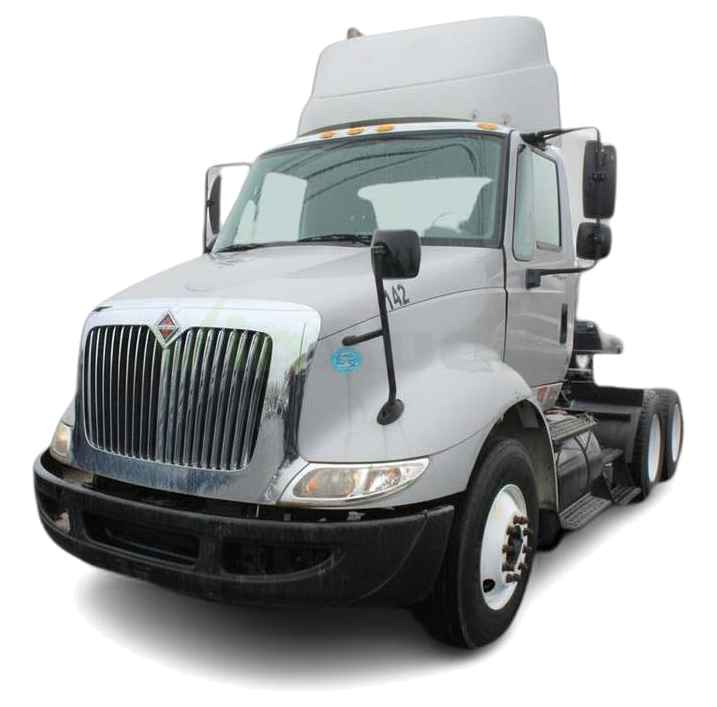
The Good
The 2009 International 8600 offers powerful engine options for demanding tasks, coupled with a robust build ideal for heavy-duty work, appealing to practical buyers focused on uptime and capability. Its functional design provides decent driver comfort for its class, while its versatility contributes to a strong value proposition in the used market. For emotional buyers, it represents a reliable workhorse, ready for any challenge.
The Bad
Potential weaknesses for the 2009 International 8600 primarily revolve around issues with the early MaxxForce engines, including frequent DPF and EGR system failures, leading to costly repairs and downtime. Other concerns can include electrical gremlins, air system leaks, and typical wear items on older heavy-duty trucks like suspension components and chassis rust.
2009 International 8600: Quick Overview
- Engine Options: The 2009 International 8600 primarily offered International's own MaxxForce engines, specifically the MaxxForce 11 and MaxxForce 13. Cummins engines, particularly the Cummins ISX, were also available as an option in certain configurations or for earlier model years, though the MaxxForce lineup was emphasized for 2009.
- Horsepower:
- MaxxForce 11: Typically ranged from 330 to 390 horsepower.
- MaxxForce 13: Offered a broader range, from approximately 365 to 475 horsepower, depending on the specific tuning and application.
- Cummins ISX (if equipped): Varied significantly, often found from 400 up to 600 horsepower, though less common for a 2009 8600.
- Fuel Economy: Highly dependent on factors such as engine, load, terrain, and driving habits, but typically ranged from 5 to 7 miles per gallon (MPG) for regional haul applications. Vocational uses could see lower figures.
- 0-60 Times: Not a standard performance metric for heavy-duty commercial trucks; acceleration is measured differently based on loaded weight and application.
- Towing Capacity (GCWR - Gross Combination Weight Rating): The International 8600, as a Class 8 truck, is designed for GCWRs up to the standard 80,000 lbs, and could be spec'd higher for permitted heavy-haul applications.
- "Trim-Level" Features (Configurations): Heavy-duty trucks like the 8600 don't have traditional car-like trims. Instead, they offer extensive customization:
- Cab Configurations: Primarily available as a day cab for regional and vocational work, with various sleeper options available in the broader 8000 series, though less common for an 8600 specifically.
- Axle Configurations: Common configurations included 4x2 or 6x4.
- Suspension: Options typically included spring suspensions (front and rear) and air-ride suspensions for the rear axles, providing better comfort and cargo protection.
- Transmissions: Available with manual transmissions (e.g., Eaton Fuller 9, 10, 13, 18-speed) and various automated manual transmissions (AMT), offering choices for different driving preferences and fuel efficiency goals.
- Interior Packages: Basic "driver" packages with vinyl seating and rubber floors, or more "premium" options with cloth seats, enhanced sound insulation, additional storage, and power accessories for driver comfort during long hauls.
- PTO Options: Power Take-Off (PTO) systems were commonly available for vocational applications requiring auxiliary power.
2009 International 8600 Specifications
Vehicle Information
| Year | 2009 |
| Make | International |
| Model | 8600 |
| Trim | - |
| Style | - |
| Type | Truck |
| Category | Heavy Truck |
Manufacturing Details
| Made In | United States |
| Manufacturing City | GARLAND |
Dimensions
| Doors | - |
| Curb Weight | - |
| Gross Vehicle Weight Rating | 33001 pounds |
| Overall Height | - |
| Overall Length | - |
| Overall Width | - |
| Wheelbase Length | - |
| Standard Seating | - |
Engine & Performance
| Engine | 10.8L I6 |
| Engine Size | 10.8L |
| Engine Cylinders | 6 |
| Transmission | - |
| Transmission Type | - |
| Transmission Speeds | - |
| Drivetrain | 6x4 |
Additional Features
| Anti-Brake System | - |
| Steering Type | - |
Pricing
| Manufacturer Suggested Retail Price (MSRP) | - |
| Invoice Price | - |
| Delivery Charges | - |
Vehicle History Report
Specifications
History
Events
History Check
Check
Check
Check
Check
Listings
Recalls
Check
Analysis
What Problems Does the 2009 International 8600 Have?
Beyond the engine, general electrical system issues, such as faulty switches, gauge cluster malfunctions, and corroded wiring, have been noted. Air system leaks, common in older trucks, can also be a persistent issue, leading to air pressure loss for brakes and accessories. Suspension components, steering linkages, and drivetrain components require regular maintenance and can show wear over time, especially in vocational applications. Frame rust, particularly in regions exposed to road salt, is another long-term concern.
Recalls for the 2009 model year and surrounding years often pertained to various safety and operational aspects. These could include issues with brake components, steering system integrity, electrical system vulnerabilities that could lead to fire, and even issues with seating or seatbelt assemblies. Owners should always check specific VINs against NHTSA recall databases for comprehensive information, as recalls can address critical safety or performance defects that impact long-term reliability. The collective reliability issues, especially with the MaxxForce engines, significantly affected the truck's reputation and resale value in the long term.
How long will the 2009 International 8600 last?
What Technology & Safety Features are Included?
In terms of driver-assistance features, the 2009 International 8600 offered very little compared to contemporary passenger vehicles. Standard features included anti-lock braking systems (ABS), which were mandated for commercial vehicles. Traction control systems (TCS) were often available as an option, helping maintain grip in slippery conditions. Cruise control was a standard or widely available optional feature, crucial for long-haul efficiency. Advanced driver-assistance systems (ADAS) such as lane departure warning, adaptive cruise control, automatic emergency braking, or blind-spot monitoring were not available on trucks of this vintage.
Safety features were primarily passive and focused on structural integrity and basic occupant restraint. These included a robust, steel cab structure designed to withstand impacts. Three-point seatbelts were standard for the driver and any passenger seats. Driver's side airbags were beginning to appear as optional safety features in some heavy trucks around this time, but were not universally standard. Crash-test ratings for heavy commercial trucks are not conducted by organizations like NHTSA or IIHS in the same manner as passenger vehicles. Instead, these trucks adhere to specific federal motor vehicle safety standards (FMVSS) regarding braking, lighting, and structural integrity for their intended commercial use. Visibility for the driver, while generally good for a conventional cab truck, relies heavily on large mirrors rather than electronic aids.
What Colors Options are Available?
2009 International 8600 Prices and Market Value
2009 International 8600 Cost of Ownership
2009 International 8600 Fuel Efficiency
2009 International 8600 Recalls & Defects
Electrical System:12v/24v/48v Battery
Exterior Lighting:back UP Lights
2009 International 8600 Warranty
Basic
Powertrain
Rust
2009 International 8600 Insurance
reasonable repair costs.
How Does the 2009 International 8600 Compare to Other Truck?
Feature-wise, most Class 8 trucks from this era provided similar basic amenities: manual HVAC, AM/FM radio, and optional power accessories. The 8600's interior was functional and driver-centric, comparable to its peers, though some rivals might have offered slightly more refined finishes or ergonomic designs. Advanced driver-assistance systems were largely absent across the board in 2009.
Reliability is where the 2009 International 8600 often lagged. While its chassis and basic components were robust, the MaxxForce engines' emissions systems (EGR, DPF) were notorious for problems, leading to frequent breakdowns and costly repairs. This contrasted with rivals equipped with more proven Detroit Diesel (Freightliner), Cummins (Kenworth, Peterbilt, Volvo), or PACCAR (Kenworth, Peterbilt) engines, which generally enjoyed a better reputation for durability during this challenging emissions transition period. Many owner-operators and fleets often sought out Cummins-powered alternatives for their perceived long-term reliability.
Regarding price, new 8600s were competitively priced with similar configurations from Freightliner or Kenworth. However, on the used market, the 2009 International 8600, especially with a MaxxForce engine, depreciated significantly more than its Cummins- or Detroit-powered counterparts. This made them a cheaper entry point into Class 8 ownership but often with higher potential repair costs.
**Recommended Alternatives:** For a similar vintage, better alternatives often include a used Freightliner Cascadia or Columbia with a Detroit Diesel engine (like the DD15) or a Kenworth T660/T800 or Peterbilt 386/388 equipped with a Cummins ISX. These rivals generally offer superior long-term reliability and lower overall ownership headaches compared to the early MaxxForce-powered Internationals, though they might command a slightly higher initial purchase price on the used market.
Final Verdict: Is the 2009 International 8600 a Good Truck?

Eugene S
Eugene is an automotive enthusiast with over 15 years of experience in the used car market. As a writer at VINCheck.info, he brings deep industry insight and a passion for cars, helping readers make smart, informed decisions. Eugene has written hundreds of used car reviews and is known for breaking down complex automotive topics into clear, actionable advice. Over the years, he has driven and worked on a wide range of vehicles—starting with tuning street cars in his early days and eventually focusing on performance upgrades and reliability improvements. Today, he specializes in evaluating used vehicles through the lens of real-world ownership and enthusiast needs. A longtime fan of Porsche, Eugene especially appreciates vehicles that blend durability with driving enjoyment.