The 2010 Yamaha FJR1300 is a sport-touring motorcycle renowned for its blend of exhilarating performance and long-distance comfort. Introduced in the early 2000s, it has consistently evolved, with the 2010 model featuring refinements to its already potent package. Its sport-touring body style, coupled with a powerful inline-four engine, makes it a popular choice for riders seeking a versatile machine capable of spirited rides and extended journeys. Pricing at launch varied, but it positioned itself as a premium offering in the sport-touring segment.
The Good
The 2010 FJR1300 boasts impressive performance from its robust engine, legendary Yamaha reliability, and exceptional comfort for long hauls, appealing to both thrill-seekers and pragmatic tourers. Its sleek design also garners attention.
The Bad
Potential buyers should be aware of the FJR1300's weight, which can be noticeable at slow speeds. Some owners have reported minor electrical gremlins, and the stock seat may not be comfortable for all riders on extended trips.
2010 Yamaha FJR1300: Quick Overview
- Engine: 1299cc liquid-cooled, DOHC, 16-valve, inline four-cylinder
- Horsepower: Approximately 140-145 hp (claimed)
- Torque: Approximately 95-100 lb-ft (claimed)
- Fuel Economy: Estimated 35-40 MPG (combined city/highway)
- 0-60 mph: Approximately 3.0-3.5 seconds (estimated)
- Top Speed: Electronically limited or approximately 150+ mph
- Transmission: 5-speed constant mesh with multi-plate wet clutch
- Final Drive: Shaft drive
- Suspension (Front): 48mm telescopic fork, adjustable preload and rebound damping
- Suspension (Rear): Single shock with adjustable preload and rebound damping
- Brakes (Front): Dual 320mm hydraulic disc brakes with 4-piston calipers
- Brakes (Rear): Single 282mm hydraulic disc brake with 2-piston caliper
- Tires (Front): 120/70ZR17M/C (58W)
- Tires (Rear): 180/55ZR17M/C (73W)
- Wheelbase: Approximately 59.8 inches
- Rake/Trail: Approximately 26 degrees/4.4 inches
- Seat Height: Adjustable, typically around 31.7 inches in lower setting
- Fuel Capacity: 6.6 gallons
- Dry Weight: Approximately 573 lbs (wet weight closer to 630 lbs)
- Trim-Level Features (2010 Model):
- ABS (Anti-lock Braking System) was standard on many models, and often a key differentiator.
- Adjustable windscreen for improved wind protection.
- Integrated saddlebags for luggage storage.
- Comfortable, ergonomically designed rider and passenger seating for long-distance touring.
- Adjustable handlebars for rider customization.
- Digital instrument cluster with comprehensive readouts.
- Heated grips (sometimes standard, sometimes optional depending on market/trim).
- Multi-function ignition switch with integrated steering lock.
- Center stand for easier maintenance and parking.
- Towing Capacity: Motorcycles, including the FJR1300, are not designed for towing and do not have a towing capacity.
2010 Yamaha FJR1300 Specifications
Vehicle Information
| Year | 2010 |
| Make | Yamaha |
| Model | FJR1300 |
| Trim | - |
| Style | - |
| Type | Motorcycle |
| Category | Motorcycle |
Manufacturing Details
| Made In | Japan |
| Manufacturing City | HAMAMATSU |
Dimensions
| Doors | - |
| Curb Weight | - |
| Gross Vehicle Weight Rating | - |
| Overall Height | - |
| Overall Length | - |
| Overall Width | - |
| Wheelbase Length | - |
| Standard Seating | - |
Engine & Performance
| Engine | 1300CC |
| Engine Size | 1300L |
| Engine Cylinders | 4 |
| Transmission | 5-Speed Manual |
| Transmission Type | Manual |
| Transmission Speeds | 5-Speed |
| Drivetrain | - |
Additional Features
| Anti-Brake System | - |
| Steering Type | - |
Pricing
| Manufacturer Suggested Retail Price (MSRP) | - |
| Invoice Price | - |
| Delivery Charges | - |
Vehicle History Report
Vehicle
Specifications
Specifications
Ownership
History
History
All History
Events
Events
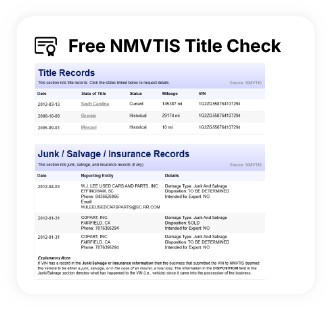
NMVTIS Title
History Check
History Check
Salvage/Rebuilt
Check
Check
Accident
Check
Check
Theft
Check
Check
Open Lien
Check
Check
Past Sale
Listings
Listings
Safety
Recalls
Recalls
Odometer
Check
Check
Market Price
Analysis
Analysis
What Problems Does the 2010 Yamaha FJR1300 Have?
The 2010 Yamaha FJR1300 is generally lauded for its robust engineering and long-term reliability, a hallmark of Yamaha motorcycles. However, like any machine, there are some reported issues and areas to consider. One common point of discussion among owners revolves around the clutch slave cylinder. While not a widespread failure, some instances of leaks or premature wear have been reported, leading to clutch engagement issues. Regular inspection and maintenance are advised. Another area some riders have noted is the heat generated by the engine, which can become noticeable during slow-speed traffic or in very hot climates. This is more of a comfort observation than a mechanical failure. Electrical connections, particularly around accessory wiring or charging systems, can occasionally develop issues if not properly maintained or if aftermarket accessories are installed without due care. This can manifest as intermittent power loss or charging problems. Some earlier FJR models, though not specifically the 2010, experienced issues with the fuel pump relay. While less common on the 2010 model, it's worth being aware of for any used purchase. Regarding recalls, Yamaha issues recalls as needed based on safety concerns. It's always recommended to check the NHTSA website or contact a Yamaha dealer with the VIN to ascertain if any recalls apply to a specific 2010 FJR1300. In terms of long-term reliability, the FJR1300 platform is known for its durability. The shaft drive system, while requiring less maintenance than a chain, still needs periodic inspection of the universal joint and fluid changes. The engine itself is over-engineered and can last for well over 100,000 miles with proper care. The fairing and bodywork, while generally sturdy, can show wear and tear over time, especially if the bike has been subjected to frequent gravel roads or harsh weather. Overall, the 2010 FJR1300 is considered a very reliable sport-touring motorcycle with few systemic weaknesses, provided it has been maintained according to Yamaha's recommendations.
How long will the 2010 Yamaha FJR1300 last?
Based on owner data and typical maintenance habits, a well-maintained 2010 Yamaha FJR1300 can realistically achieve 100,000 miles and often significantly more, with many owners reporting well over 150,000 miles. The engine and shaft drive are particularly robust, contributing to its long-term durability. Routine maintenance, including regular oil changes, filter replacements, and valve adjustments at recommended intervals, is crucial for maximizing its lifespan. Weaknesses that might emerge over extensive mileage include potential wear on suspension components, especially if subjected to rough roads, and the aforementioned clutch slave cylinder. Electrical components can also degrade over time, though this is not a common widespread issue. The overall durability of the FJR1300 platform is a key reason for its enduring popularity among sport-touring enthusiasts.
What Technology & Safety Features are Included?
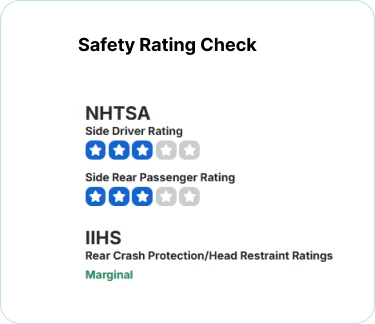
The 2010 Yamaha FJR1300, while not a modern tech marvel by today's standards, offers a solid suite of features geared towards comfortable and safe sport-touring. Its built-in technology focuses on rider utility and convenience. A key safety feature is the standard Anti-lock Braking System (ABS), which significantly enhances braking performance and stability, especially in adverse conditions or during emergency stops. This was a significant selling point for the FJR1300, appealing to safety-conscious riders. The dashboard is a digital instrument cluster, providing riders with essential information at a glance, including speed, tachometer, fuel level, gear position, engine temperature, and odometer readings. While there is no integrated entertainment system like a radio or Bluetooth connectivity, the FJR1300 is designed as a platform for riders to add their own preferred audio systems or navigation devices. The adjustable windscreen is a significant comfort and safety feature, allowing the rider to tailor wind protection to their height and riding conditions, reducing fatigue on long journeys. Heated grips were often an optional feature on many models, further enhancing comfort in cooler weather. Driver-assistance features are minimal, as expected for a motorcycle of this era, focusing primarily on the fundamental aspects of control and stability provided by the ABS. Crash-test ratings are not applicable to motorcycles in the same way they are for cars, as there are no standardized crash tests conducted by organizations like NHTSA or IIHS for two-wheeled vehicles. The primary safety considerations for the FJR1300 revolve around its braking system, stable chassis, and the rider's ability to control the machine. Optional accessories that enhance the touring experience and indirectly contribute to rider safety include high-quality luggage systems, auxiliary lighting, and comfortable aftermarket seats. Overall, the 2010 FJR1300 prioritizes core riding dynamics and essential safety features over extensive electronic rider aids or infotainment systems.
What Colors Options are Available?
2010 Yamaha FJR1300 Prices and Market Value
When new, the 2010 Yamaha FJR1300 typically retailed in the range of $14,000 to $15,500 USD, depending on the specific market and whether ABS was included. As a used motorcycle, the 2010 FJR1300 has experienced significant depreciation but holds its value relatively well compared to many other bikes. Current used market prices often range from $5,000 to $9,000, heavily influenced by mileage, condition, maintenance history, and the presence of ABS. Factors affecting resale value include: regular maintenance documented by service records, low mileage for its age, overall cosmetic condition (absence of major scratches or dents), the presence of desirable aftermarket accessories (like upgraded exhausts or comfortable seats), and of course, the functionality of the ABS system. Bikes that have been meticulously cared for and ridden primarily on highways tend to command higher prices.
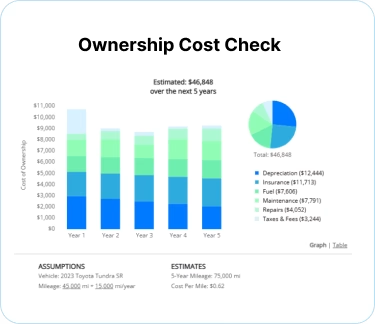
2010 Yamaha FJR1300 Cost of Ownership
Ownership costs for a 2010 Yamaha FJR1300 are generally moderate. Insurance premiums will vary based on rider history, location, and coverage, but are typically comparable to other sport-touring bikes in its class. Fuel economy averages around 35-40 MPG, making it reasonably economical for long-distance travel. Routine maintenance, including oil changes, filter replacements, and annual checks, is essential and contributes to its reliability. Major repairs are less common due to Yamaha's robust engineering, but parts can be moderately priced. Overall, the FJR1300 is considered a cost-effective sport-tourer for its performance and longevity, rather than an expensive machine to own if maintained properly.

2010 Yamaha FJR1300 Fuel Efficiency
Fuel Type
Gasoline
Fuel Capacity
-
City Mileage
-
Highway Mileage
-
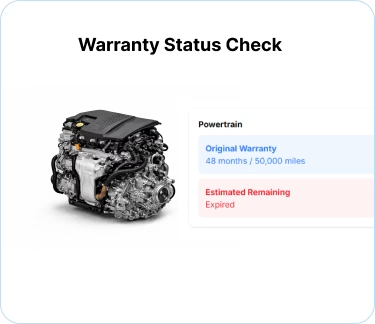
2010 Yamaha FJR1300 Warranty
Basic
Original warranty
0 months / No data
Estimated remaining
Expired
Powertrain
Original warranty
0 months / No data
Estimated remaining
Expired
Rust
Original warranty
0 months / No data
Estimated remaining
Expired
2010 Yamaha FJR1300 Insurance
Insurance for a 2010 Yamaha FJR1300 is moderately priced, reflecting its status as a Motorcycle with strong safety ratings and
reasonable repair costs.

How Does the 2010 Yamaha FJR1300 Compare to Other Motorcycle?
The 2010 Yamaha FJR1300 sits firmly in the sport-touring segment, a competitive space with several strong contenders. Key rivals include the Kawasaki Concours 14, BMW R 1200 RT, and Honda ST1300.
Performance: The FJR1300's 1299cc inline-four engine delivers strong, linear power ideal for both highway cruising and spirited acceleration. The Concours 14, with its 1352cc supercharged engine, often boasts slightly more outright power and torque, providing a thrilling acceleration experience. The BMW R 1200 RT, with its boxer-twin engine, offers a different character, often perceived as smoother and more refined, with excellent low-end torque. The Honda ST1300 offers a similarly smooth and potent power delivery from its V4 engine.
Features: The 2010 FJR1300 comes equipped with ABS and integrated saddlebags, which were considered good for its time. The Concours 14 typically includes ABS, adjustable windscreen, and sometimes heated grips. The BMW R 1200 RT often leads in terms of electronic features, with more advanced suspension systems (like Dynamic ESA on later models), integrated audio, and comprehensive instrument clusters. The ST1300 also offered a well-appointed touring package. However, the FJR often provides a simpler, more mechanically focused experience, which some riders prefer.
Reliability: Yamaha has a stellar reputation for reliability, and the FJR1300 is a prime example. It's known for its durability and low incidence of major mechanical issues. The Kawasaki Concours 14 is also generally reliable, though its supercharger adds a layer of complexity. The BMW R 1200 RT, while generally well-built, can sometimes incur higher maintenance costs due to its complex electronics and proprietary parts. The Honda ST1300 is legendary for its bulletproof reliability.
Price: The 2010 FJR1300 represented good value for money when new and remains a strong contender on the used market. At this model year, the FJR1300 often presented a more accessible price point than comparable BMW or Kawasaki models, especially if considering pre-owned.
Alternatives:
In summary, the 2010 FJR1300 offers a compelling balance of performance, reliability, and touring capability, often at a more attractive price point than some of its closest rivals, making it an excellent choice for the pragmatic sport-touring rider.
Performance: The FJR1300's 1299cc inline-four engine delivers strong, linear power ideal for both highway cruising and spirited acceleration. The Concours 14, with its 1352cc supercharged engine, often boasts slightly more outright power and torque, providing a thrilling acceleration experience. The BMW R 1200 RT, with its boxer-twin engine, offers a different character, often perceived as smoother and more refined, with excellent low-end torque. The Honda ST1300 offers a similarly smooth and potent power delivery from its V4 engine.
Features: The 2010 FJR1300 comes equipped with ABS and integrated saddlebags, which were considered good for its time. The Concours 14 typically includes ABS, adjustable windscreen, and sometimes heated grips. The BMW R 1200 RT often leads in terms of electronic features, with more advanced suspension systems (like Dynamic ESA on later models), integrated audio, and comprehensive instrument clusters. The ST1300 also offered a well-appointed touring package. However, the FJR often provides a simpler, more mechanically focused experience, which some riders prefer.
Reliability: Yamaha has a stellar reputation for reliability, and the FJR1300 is a prime example. It's known for its durability and low incidence of major mechanical issues. The Kawasaki Concours 14 is also generally reliable, though its supercharger adds a layer of complexity. The BMW R 1200 RT, while generally well-built, can sometimes incur higher maintenance costs due to its complex electronics and proprietary parts. The Honda ST1300 is legendary for its bulletproof reliability.
Price: The 2010 FJR1300 represented good value for money when new and remains a strong contender on the used market. At this model year, the FJR1300 often presented a more accessible price point than comparable BMW or Kawasaki models, especially if considering pre-owned.
Alternatives:
- Similar: Honda ST1300 (if seeking ultimate reliability and V4 smoothness), Kawasaki Concours 14 (if prioritizing raw power and aggressive styling).
- Consider if Budget is Tighter: Older models of the Yamaha FJR1300 or perhaps a well-maintained Kawasaki Ninja 1000 (though less focused on touring).
- More Premium/Tech-Focused: Newer generations of the BMW R 1200 RT or even a Triumph Trophy.
In summary, the 2010 FJR1300 offers a compelling balance of performance, reliability, and touring capability, often at a more attractive price point than some of its closest rivals, making it an excellent choice for the pragmatic sport-touring rider.
Final Verdict: Is the 2010 Yamaha FJR1300 a Good Motorcycle?
The 2010 Yamaha FJR1300 is ideal for riders who prioritize a potent, reliable, and comfortable sport-touring experience without excessive electronic complexity. It's a fantastic choice for seasoned riders looking for a capable long-distance machine that can also handle spirited canyon carving. It's worth buying, especially on the used market where it offers exceptional value for its performance and durability. Buying used is highly recommended, as new models are significantly more expensive. Focus on models with documented maintenance history, lower mileage, and preferably with ABS. While the base model is capable, trims with ABS offer a significant safety advantage. It may not be the best choice for absolute beginners due to its size and weight, or for those seeking the latest in rider-assist technologies.