
The Good
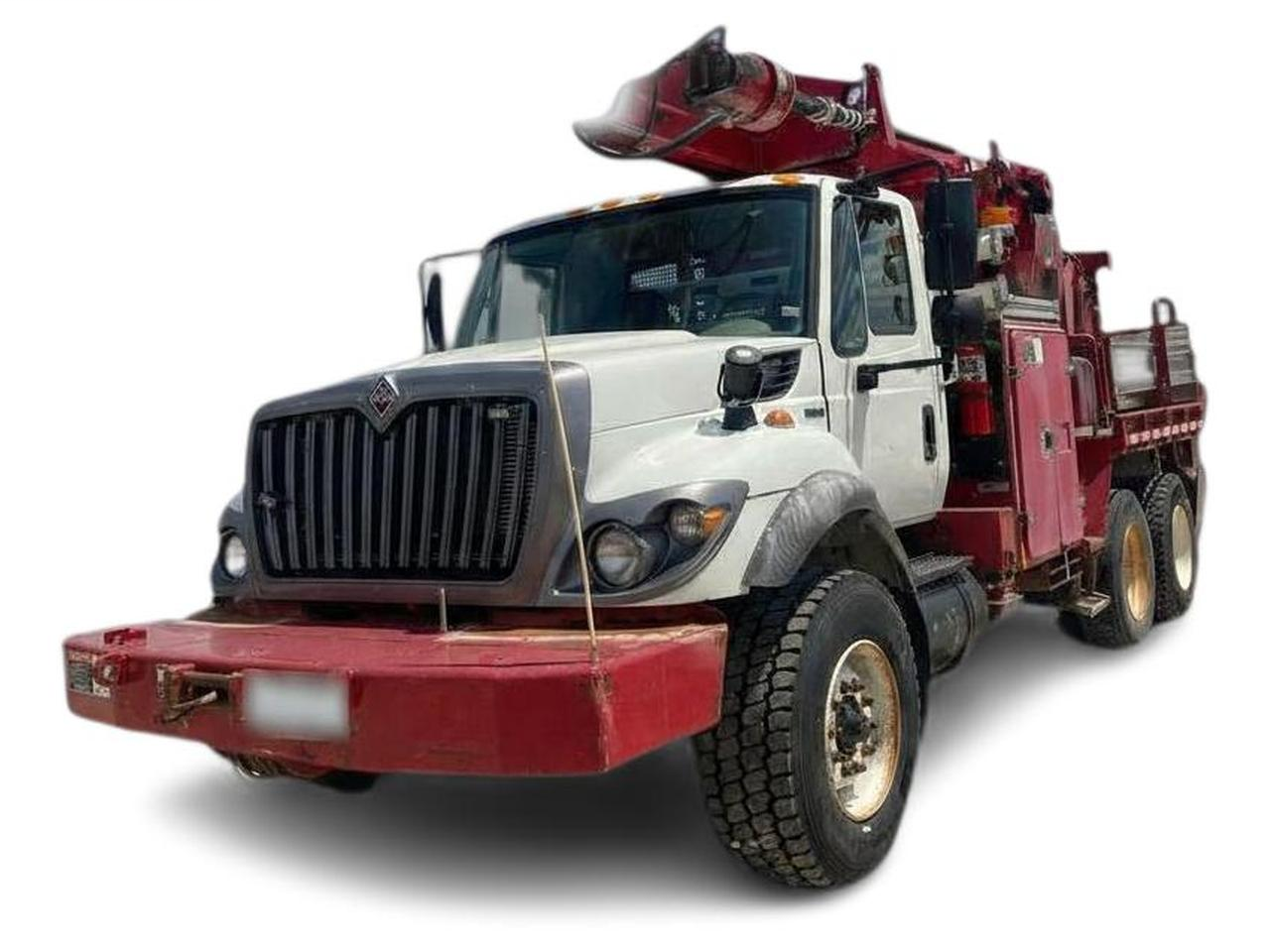
The 2008 International 7500 offers exceptional durability and strong performance for demanding tasks. Its utilitarian design prioritizes functionality and ease of maintenance, appealing to practical buyers. For those who value a dependable workhorse, its robust build ensures long-term service, evoking a sense of security and capability.
The Bad
Potential buyers of the 2008 International 7500 should be aware of common issues such as potential DPF (Diesel Particulate Filter) problems, particularly with emissions systems. Older models might also exhibit wear and tear on suspension components and exhaust systems, requiring thorough inspection.
2008 International 7500: Quick Overview
- Engine Options: The 2008 International 7500 was typically equipped with robust diesel engines designed for commercial use. Common options included the International VT 365 V8 diesel and the Cummins ISB series inline-6 diesel.
- Horsepower: Horsepower ratings varied significantly based on the specific engine and configuration. For the International VT 365, outputs generally ranged from 170 hp to 230 hp. The Cummins ISB engines offered a broader spectrum, often from 200 hp up to 325 hp, depending on the application and tune.
- Fuel Economy: Fuel economy for a vehicle of this class is highly dependent on the engine choice, transmission, axle ratios, load carried, and driving conditions. A general estimate for a fully loaded 7500 might be in the range of 8-12 miles per gallon (MPG), but this is a rough guideline.
- 0-60 Times: 0-60 mph times are not a standard metric for heavy-duty commercial trucks like the International 7500, as their primary purpose is not rapid acceleration. When unladen, acceleration would be moderate, but with a load, it would be significantly slower.
- Towing Capacity: Towing capacity for the 2008 International 7500 is highly variable and dependent on the specific chassis configuration, frame strength, axle ratings, and intended use. These trucks are built to handle substantial gross vehicle weight ratings (GVWR), often ranging from 25,000 lbs to 54,000 lbs or more, which dictates their payload and towing capabilities for trailers and upfits. Specific towing figures would be found on the vehicle's data plate and in its operating manual.
- Trim-Level Features: As a vocational truck, the concept of "trim levels" in the traditional automotive sense doesn't strictly apply. Instead, features were dictated by the intended application and customer specifications. Common elements included different cab types (standard, extended), various suspension systems (leaf spring, air ride), braking systems (air brakes, hydraulic), and power take-off (PTO) options for auxiliary equipment. Interior amenities were generally functional and durable, focused on driver comfort for long hours, with features like air conditioning, power windows (on some models), and durable seating.
2008 International 7500 Specifications
Vehicle Information
| Year | 2008 |
| Make | International |
| Model | 7500 |
| Trim | - |
| Style | - |
| Type | Truck |
| Category | Heavy Truck |
Manufacturing Details
| Made In | United States |
| Manufacturing City | GARLAND |
Dimensions
| Doors | - |
| Curb Weight | - |
| Gross Vehicle Weight Rating | 55001 pounds |
| Overall Height | - |
| Overall Length | - |
| Overall Width | - |
| Wheelbase Length | - |
| Standard Seating | - |
Engine & Performance
| Engine | 9.3L I6 |
| Engine Size | 9.3L |
| Engine Cylinders | 6 |
| Transmission | - |
| Transmission Type | - |
| Transmission Speeds | - |
| Drivetrain | 6x6 |
Additional Features
| Anti-Brake System | - |
| Steering Type | - |
Pricing
| Manufacturer Suggested Retail Price (MSRP) | - |
| Invoice Price | - |
| Delivery Charges | - |
Vehicle History Report
Specifications
History
Events
History Check
Check
Check
Check
Check
Listings
Recalls
Check
Analysis
What Problems Does the 2008 International 7500 Have?
Regarding long-term reliability, while the core mechanical components are generally robust, the complexity of modern diesel engines and their associated electronic control modules (ECMs) can introduce potential failure points. Transmission issues, while less common than engine-related problems, can occur over time, especially if the vehicle has been subjected to heavy loads or improper shifting. Drivetrain components like U-joints and differentials also require regular maintenance to prevent premature wear.
Specific to the 2008 model year, or within that generation, common themes revolve around these emissions-related components. While there may not be widespread, model-year-specific recalls that stand out for this particular year of the 7500, it's essential to check for any outstanding manufacturer campaigns. Maintenance history is paramount; a well-maintained 7500 with diligent fluid changes and component inspections will invariably be more reliable than one that has been neglected. Early signs of issues, such as unusual noises, smoke, or performance drops, should be addressed promptly to prevent more significant and expensive repairs.
How long will the 2008 International 7500 last?
What Technology & Safety Features are Included?
Entertainment features are usually basic. A standard or optional AM/FM radio with a CD player would be common. More advanced infotainment systems with touchscreens, navigation, or Bluetooth connectivity are generally not found in this model year and class of vehicle.
Driver-assistance features are minimal by today's automotive standards. The primary safety features revolve around robust braking systems (often air brakes for superior stopping power), durable construction, and good visibility from the driver's cab. Features like ABS (Anti-lock Braking System) are standard on most models, and some might have optional cruise control for highway driving. Advanced driver-assistance systems (ADAS) such as lane departure warning, adaptive cruise control, or automatic emergency braking are not typical for this era of vocational truck.
Safety is primarily addressed through structural integrity, the effectiveness of its braking systems, and driver awareness. Crash-test ratings are not typically conducted or publicly released for heavy-duty commercial trucks in the same way they are for passenger vehicles, as their design and purpose differ significantly. The emphasis is on occupant protection within a robust frame and the prevention of accidents through reliable mechanical systems and driver training.
What Colors Options are Available?
2008 International 7500 Prices and Market Value
2008 International 7500 Cost of Ownership
2008 International 7500 Fuel Efficiency
2008 International 7500 Recalls & Defects
Suspension:rear:axle:non-Powered Axle Assembly
Parking Brake
Engine and Engine Cooling
2008 International 7500 Warranty
Basic
Powertrain
Rust
2008 International 7500 Insurance
reasonable repair costs.
How Does the 2008 International 7500 Compare to Other Truck?
When it comes to features, the 7500, like its direct competitors from this era, prioritizes functionality over luxury. All these trucks offer customizable chassis for various upfits (dump bodies, service bodies, etc.) and generally basic, durable interiors. Advanced technology and comfort features are minimal across the board, with minor differences in ergonomic design or available options.
Reliability is a key consideration. International, Freightliner, Peterbilt, and Kenworth all have reputations for building durable trucks. However, specific issues can arise. As noted, emissions systems are a common area of concern for all diesel trucks of this age. Long-term reliability heavily depends on maintenance and the specific powertrain chosen.
Price-wise, the 2008 International 7500 often offered a competitive price point when new, aiming to capture a significant portion of the vocational market. On the used market, its pricing tends to fall within a similar range as its direct competitors, making it a viable option based on condition and availability.
Similar Alternatives:
- Freightliner M2 Series: Often lauded for its maneuverability and driver comfort.
- Peterbilt Model 335: Known for its distinctive styling and robust build.
- Kenworth T370: Frequently praised for its durability and strong resale value.
Ultimately, the choice among these rivals often comes down to specific dealer support, available configurations, and individual fleet preferences. The 7500 remains a solid contender for those needing a dependable, customizable work truck.
Final Verdict: Is the 2008 International 7500 a Good Truck?
Buying this vehicle is most sensible on the used market. Purchasing it new in 2008 would have been a significant investment, and today, its value lies in its residual capability. When purchasing used, thoroughly inspect the emissions system (DPF, EGR), engine, and transmission. A well-maintained truck with a documented service history, particularly one that hasn't been severely overworked, will offer the best value. Avoid units that have been poorly maintained or used in extremely harsh environments if possible.

Eugene S
Eugene is an automotive enthusiast with over 15 years of experience in the used car market. As a writer at VINCheck.info, he brings deep industry insight and a passion for cars, helping readers make smart, informed decisions. Eugene has written hundreds of used car reviews and is known for breaking down complex automotive topics into clear, actionable advice. Over the years, he has driven and worked on a wide range of vehicles—starting with tuning street cars in his early days and eventually focusing on performance upgrades and reliability improvements. Today, he specializes in evaluating used vehicles through the lens of real-world ownership and enthusiast needs. A longtime fan of Porsche, Eugene especially appreciates vehicles that blend durability with driving enjoyment.