
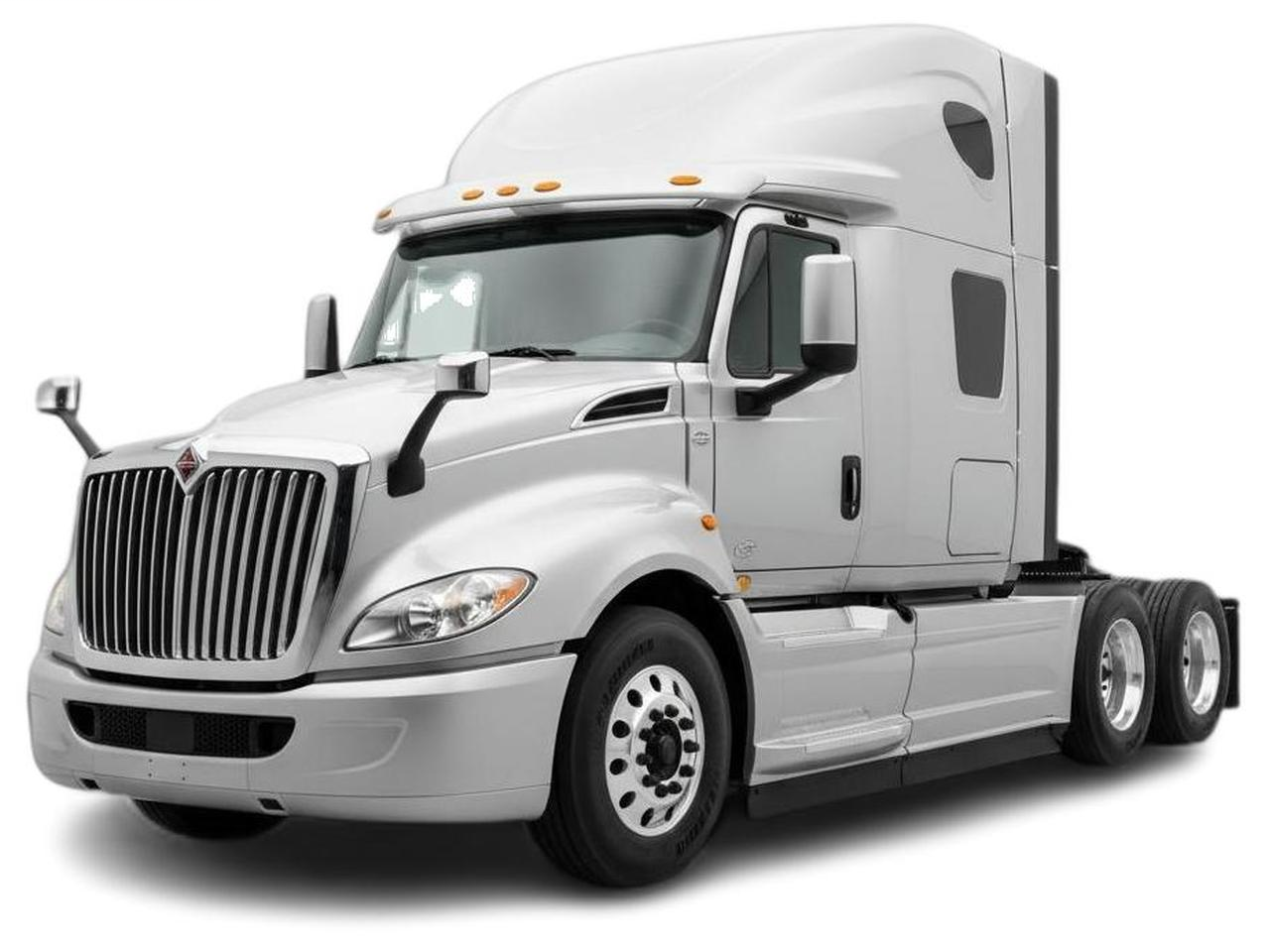
The Good
The 2009 International 7500 excels in raw performance and unwavering reliability, making it a trusted workhorse. Its practical value is undeniable for businesses needing a durable chassis, while its no-nonsense, functional design appeals to those who prioritize capability over flash. It's a vehicle built for the long haul, offering peace of mind.
The Bad
Potential buyers of the 2009 International 7500 should be aware of typical heavy-duty truck issues like wear on suspension components, potential for exhaust system problems, and the need for diligent maintenance to prevent premature engine or transmission wear. Fuel efficiency is also a practical concern.
2009 International 7500: Quick Overview
The 2009 International 7500 is a versatile chassis cab truck designed for a multitude of vocational applications. Specific trim levels are not as distinct as in passenger vehicles, as its configuration is largely dictated by the upfit.
Engine Options:
The 2009 International 7500 typically featured robust diesel engines designed for heavy-duty work. Common options included:
- International DT 466: A highly regarded inline-six diesel engine known for its durability and reliability.
- MaxxForce 7: Another diesel option, providing strong torque for demanding tasks.
- Cummins ISB or ISC: Depending on the specific configuration and customer preference, Cummins engines were also available, offering excellent performance and fuel efficiency for their class.
Horsepower:
Horsepower ratings varied significantly based on the chosen engine and its tuning. Typically, these engines produced between 200 to over 300 horsepower, with torque figures being a more critical metric for heavy-duty applications.
Fuel Economy:
Fuel economy for a vehicle of this size and class is not directly comparable to light-duty vehicles and is highly dependent on load, terrain, and driving style. Owners can expect figures generally in the range of 8-12 miles per gallon, sometimes lower under heavy load conditions.
0-60 Times:
0-60 mph times are not a standard metric for this type of commercial vehicle and are generally not relevant due to its intended purpose. Acceleration is prioritized for hauling capacity rather than speed.
Towing Capacity:
The towing capacity is highly dependent on the specific chassis configuration, axle ratings, and the upfitted body. As a heavy-duty chassis, it is designed to handle significant towing and hauling, with Gross Vehicle Weight Ratings (GVWR) often exceeding 30,000 pounds, allowing for substantial payloads and trailer weights. Specific towing figures would be determined by the final build.
Trim-Level Features:
As a chassis cab, interior features are typically focused on functionality and driver comfort for long hours. Standard features often included:
- Durable vinyl or cloth seating
- Basic instrumentation and gauges
- Air conditioning and heating
- Power steering
- AM/FM radio
- Available options could include upgraded infotainment systems, power windows and locks (depending on the specific package), and enhanced interior comfort features.
The primary 'features' are the robust chassis, available powerful engine choices, and the flexibility to be customized for a wide array of commercial needs.
2009 International 7500 Specifications
Vehicle Information
| Year | 2009 |
| Make | International |
| Model | 7500 |
| Trim | - |
| Style | - |
| Type | Truck |
| Category | Heavy Truck |
Manufacturing Details
| Made In | United States |
| Manufacturing City | GARLAND |
Dimensions
| Doors | - |
| Curb Weight | - |
| Gross Vehicle Weight Rating | 55001 pounds |
| Overall Height | - |
| Overall Length | - |
| Overall Width | - |
| Wheelbase Length | - |
| Standard Seating | - |
Engine & Performance
| Engine | 7.6L I6 |
| Engine Size | 7.6L |
| Engine Cylinders | 6 |
| Transmission | - |
| Transmission Type | - |
| Transmission Speeds | - |
| Drivetrain | Rear-Wheel Drive |
Additional Features
| Anti-Brake System | - |
| Steering Type | - |
Pricing
| Manufacturer Suggested Retail Price (MSRP) | - |
| Invoice Price | - |
| Delivery Charges | - |
Vehicle History Report
Specifications
History
Events
History Check
Check
Check
Check
Check
Listings
Recalls
Check
Analysis
What Problems Does the 2009 International 7500 Have?
One common area of concern for diesel engines of this era, including those found in the 7500, can be related to the Diesel Particulate Filter (DPF) system. Issues with DPF regeneration, clogging, and sensor failures can lead to reduced engine performance, increased fuel consumption, and costly repairs. This was a prevalent concern for many diesel manufacturers as emissions standards became stricter.
Another area that may require attention is the fuel injection system. Injector failures or issues with the fuel pump can manifest as rough idling, loss of power, or difficulty starting. Regular maintenance and the use of quality fuel are crucial in mitigating these problems.
The transmission, whether manual or automatic, can also experience wear. Clutch issues in manual transmissions or problems with torque converters and solenoids in automatics are not uncommon on high-mileage vehicles. Regular fluid changes and proper driving techniques are essential.
Suspension and brake components are also subject to significant wear due to the heavy loads these trucks carry. Problems with air suspension systems, worn bushings, brake pad wear, and rotor issues are expected maintenance items but can become significant repair costs if neglected.
Regarding recalls, specific recall information for the 2009 model year would need to be checked against the National Highway Traffic Safety Administration (NHTSA) database. However, general recalls for International trucks of this period might involve issues like faulty wiring harnesses, potential fire risks from certain components, or problems with braking systems. It's imperative for any prospective buyer to verify the recall status of a specific vehicle.
Long-term reliability is generally good if the vehicle has been meticulously maintained. The core components are built for durability. However, the complexity of modern emissions systems and electronic controls can sometimes introduce more challenging and expensive repairs compared to older, simpler trucks. Neglecting routine maintenance is the surest way to encounter significant problems.
How long will the 2009 International 7500 last?
What Technology & Safety Features are Included?
Standard Features:
The standard technology package would typically include:
- Basic Instrumentation: A comprehensive array of gauges to monitor engine performance, fluid levels, air pressure (if applicable), and other vital vehicle functions.
- Audio System: A simple AM/FM radio, often with an auxiliary input for portable music devices. CD players were also common.
- HVAC: A robust heating, ventilation, and air conditioning system designed to maintain a comfortable cabin environment in various weather conditions.
- Power Steering: Standard for ease of maneuverability, especially when fully loaded.
Optional Features:
Depending on the specific configuration and options ordered by the fleet or individual buyer, the 7500 could be equipped with:
- Upgraded Infotainment: Some models might have offered more advanced stereo systems with CD changers or Bluetooth connectivity, though this was less common.
- Power Accessories: Power windows, power door locks, and power mirrors were optional conveniences that could be included.
- Cruise Control: A standard feature on many trucks for maintaining consistent speeds on highways, aiding in fuel efficiency and driver fatigue reduction.
- Navigation Systems: Factory-installed or aftermarket navigation units could be fitted for commercial routing.
Driver-Assistance & Safety Features:
Driver assistance features were minimal on the 2009 model. The primary focus was on the mechanical integrity and visibility.
- Mirrors: Extensive mirror configurations (e.g., large side mirrors, convex mirrors) were standard to provide maximum visibility around the large vehicle.
- Braking System: Robust hydraulic or air-over-hydraulic braking systems were standard, designed for the heavy loads. ABS (Anti-lock Braking System) was likely standard or a common option.
- Seat Belts: Three-point seat belts were standard for driver and passenger safety.
- Structural Integrity: The truck's frame and cab are engineered for significant strength to protect occupants in the event of a collision.
Crash-Test Ratings:
Dedicated crash-test ratings for commercial trucks like the 2009 International 7500 are generally not provided by organizations like the NHTSA or IIHS in the same way they are for passenger cars and SUVs. These vehicles undergo different regulatory testing and are evaluated based on their ability to meet federal motor vehicle safety standards (FMVSS) for commercial vehicles, which focus on structural integrity, braking, lighting, and other operational safety aspects relevant to their class. The emphasis is on engineering for strength and component safety rather than specific impact test scores.
What Colors Options are Available?
2009 International 7500 Prices and Market Value
2009 International 7500 Cost of Ownership
2009 International 7500 Fuel Efficiency
2009 International 7500 Recalls & Defects
Electrical System:12v/24v/48v Battery
Engine and Engine Cooling:cooling System:fan
2009 International 7500 Warranty
Basic
Powertrain
Rust
2009 International 7500 Insurance
reasonable repair costs.
How Does the 2009 International 7500 Compare to Other Truck?
Features on the 2009 7500 are generally utilitarian, focused on function over creature comforts, which is typical for this class. Competitors might offer slightly more refined interiors or optional technology packages, but the core functionality is similar. Reliability is a strong suit for the International 7500, particularly with the DT 466 engine, which has a legendary reputation for longevity. However, the MaxxForce engines, introduced around this era, had a more mixed reception regarding reliability and DPF issues, which also affected competitors employing similar emissions technology.
Price-wise, the International 7500 typically positioned itself competitively. When new, it offered good value for its capability. On the used market, prices are heavily influenced by condition and configuration. A well-maintained 7500 can offer a more budget-friendly entry into heavy-duty work than some of its more premium-badged competitors like Peterbilt or Kenworth, which often command higher resale values.
Alternatives to consider:
- Freightliner M2 106/114: Often cited for excellent visibility, a smoother ride, and a wider range of powertrain options, including Mercedes-Benz diesels.
- Peterbilt 330/340: Known for superior build quality and brand prestige, which can translate to better resale value, though often at a higher initial cost.
- Hino 195/238: Typically offer competitive pricing and good fuel economy, with robust Japanese engineering, though their power output might be slightly less than larger International engines.
- Kenworth T170/T270: Similar to Peterbilt, offering strong build quality and a reputation for durability, often favored for specific vocational applications.
The 2009 International 7500 remains a solid choice for businesses needing a workhorse truck, especially if equipped with the DT 466 engine. Its primary strengths lie in its ruggedness and the proven durability of its core components. If a smoother ride and more modern interior are paramount, a Freightliner M2 might be a better fit. For ultimate long-term value and prestige, a Peterbilt or Kenworth could be considered, albeit at a higher price point.
Final Verdict: Is the 2009 International 7500 a Good Truck?

Cathleen V
Cathleen is an exceptional freelance writer covering hot topics in the automotive world from a gearhead's perspective. Her articles delve into various aspects of automotive technology and history, offering readers detailed insights into engine performance, reliability, and maintenance. Through her engaging and informative writing, Cathleen provides valuable information to automotive enthusiasts and consumers alike, helping them make informed decisions about vehicle maintenance and purchases.