Before you buy a used car, one of the smartest things you can do is check whether it has a clear title. A vehicle may look clean, drive well, and still carry title problems that can affect ownership, registration, resale value, or even your ability to keep the car.
That is where a VIN check helps. By searching the vehicle’s 17-character Vehicle Identification Number, you can review title-related records and spot warning signs before money changes hands.
If you are shopping for a used vehicle, start with a VIN check to review the vehicle’s background, then use this guide to understand how to check for a clear title the right way.
What a Clear Title Means
A clear title means the vehicle’s title does not show major branding issues or ownership claims that could create legal or financial trouble for the buyer.
In simple terms, a clear title usually means:
- there is no recorded salvage or junk branding
- there is no known outstanding ownership dispute tied to the title
- there is no unreleased lien shown in the available records
- the vehicle has not been declared a total loss and rebranded in a way that affects legal status
A clear title does not always mean the car is perfect. It can still have accident history, high mileage, flood exposure, repair issues, or open recalls. Still, title status is one of the first things you should verify because title problems can be hard and expensive to fix later.
Why Title Status Matters Before Buying
Many buyers focus on the test drive, body condition, and price. Those things matter, but title status can be even more important.
A title problem can lead to:
- difficulty registering the vehicle
- trouble transferring ownership
- lower resale value
- financing problems
- insurance complications
- hidden past damage
- legal disputes over ownership or lien rights
That is why checking the VIN before buying is not just a smart step. It is a necessary one.
What a VIN Number Can Help You Find
A VIN search can reveal title-related clues tied to that specific vehicle. Depending on the records available, it may help you spot:
- title brands such as salvage, rebuilt, junk, or flood
- past total loss designations
- lien-related warnings
- odometer issues connected to title transfers
- state-to-state title changes
- inconsistencies between the seller’s claims and recorded history
For a more focused title review, you can also use a title check by VIN to look for red flags before you buy.
Step 1: Find the VIN and Confirm It Matches the Car
Before you check anything, make sure you have the correct VIN.
A standard VIN has 17 characters. You can usually find it:
- on the driver-side dashboard near the windshield
- on the driver-side door jamb sticker
- on the title document
- on the registration card
- on the insurance paperwork
Do not rely on just one location. Compare the VIN on the vehicle to the VIN shown on the seller’s paperwork.
If the VIN does not match across the car and the documents, stop and ask questions. A mismatch may point to clerical error, title issues, or possible VIN tampering.
Step 2: Run a VIN Title Check
Once you confirm the VIN, run a title-focused VIN lookup.
The goal is to see whether the vehicle shows any branding or title history issues that could affect ownership or value. Read the results carefully. Do not just look for the word “clear.” Review the actual details shown.
Pay close attention to:
- current title status
- past title brands
- total loss records
- junk or salvage indicators
- flood-related branding
- lien information if available
- odometer readings tied to title events
A broader free vehicle history check can also help you compare title clues with accident history, sale records, and other vehicle background data.
Step 3: Understand Common Title Brands
A VIN check is only useful if you understand what the title result means. Here are some common title brands and why they matter.
Clear title
This usually means no major branding issue appears in the title records reviewed. That is a good sign, but it is not a guarantee that the vehicle is problem-free.
Salvage title
A salvage title often means the vehicle was declared a total loss by an insurer or damaged enough that repair costs approached or exceeded a large portion of its value.
This is a major red flag for most retail buyers.
Rebuilt or reconstructed title
This means the vehicle was once branded salvage and later repaired and approved for road use under state rules. It may still carry lower value and higher risk than a vehicle with a clear title.
Junk title
A junk title usually means the vehicle is not meant to return to regular road use. In many cases, it is intended only for parts or scrap.
Flood title or flood brand
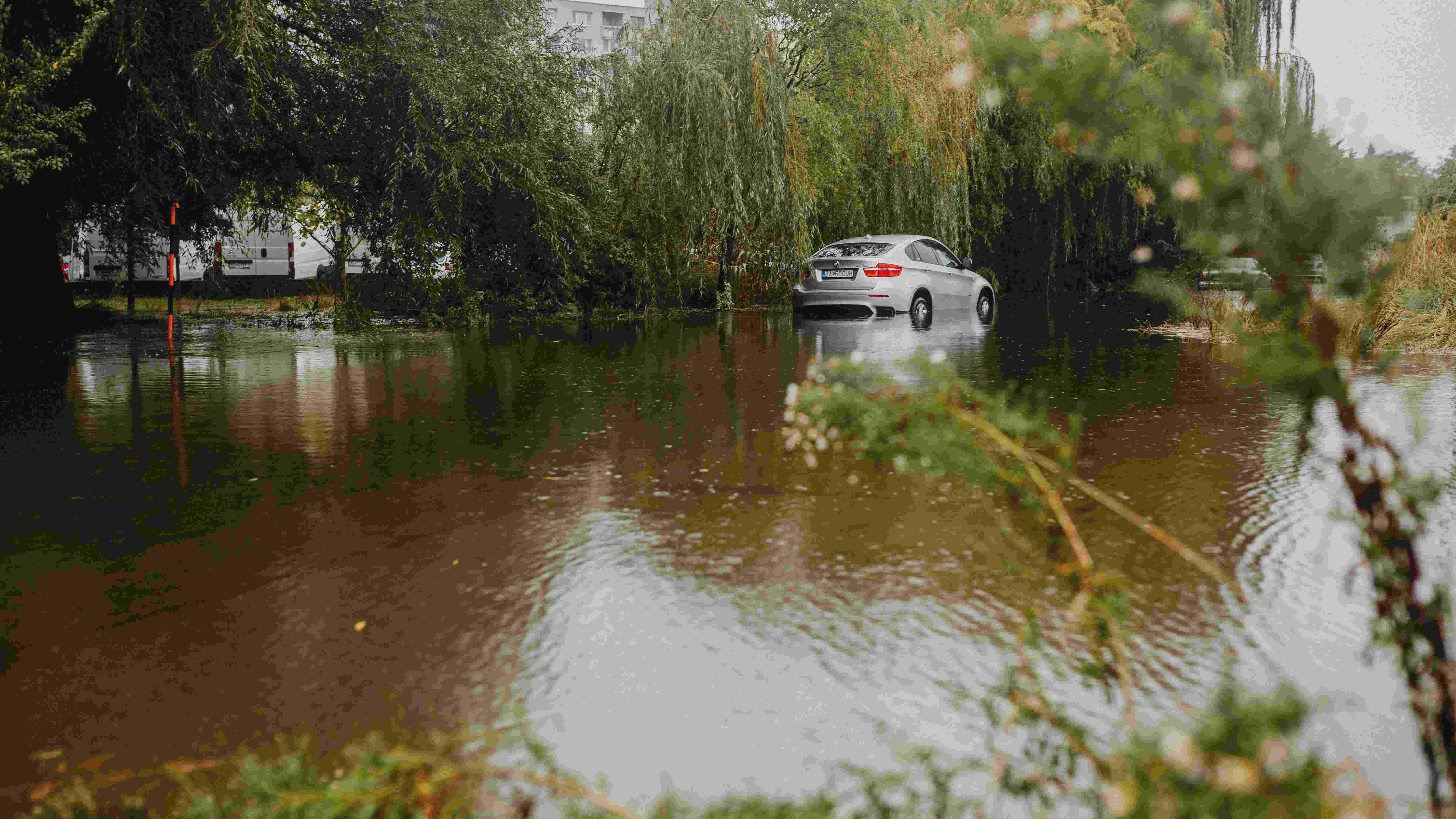
A flood-branded vehicle may have suffered water damage. Even if it runs well now, electrical, corrosion, and long-term reliability issues can appear later.
Lemon or buyback branding
Some titles may show that the vehicle was repurchased due to serious defects under lemon law or manufacturer buyback rules.
Step 4: Check for Liens Before You Buy
A vehicle can look like a great deal and still have a lien attached to it.
A lien means a lender or creditor may still have a legal claim on the vehicle because the debt tied to it has not been fully released. If you buy a car with an unresolved lien, you may face delays, disputes, or trouble transferring title into your name.
Ask the seller:
- Is there a current loan on the car?
- Has the lien been paid off?
- Can you show a lien release letter if there was one before?
- Does the title show a lender name?
This is one reason a title check matters so much before payment.
Step 5: Compare the Title Result With the Seller’s Story
Do not look at the VIN result in isolation. Compare it with what the seller says.
For example, be cautious if:
- the seller says the car has never been in a serious accident, but the title history shows salvage or rebuilt status
- the seller says the title is clear, but records show branding
- the mileage on the title records does not make sense compared with the odometer
- the seller avoids showing the actual title document
These gaps can point to hidden problems.
Step 6: Review the Actual Title Document in Person
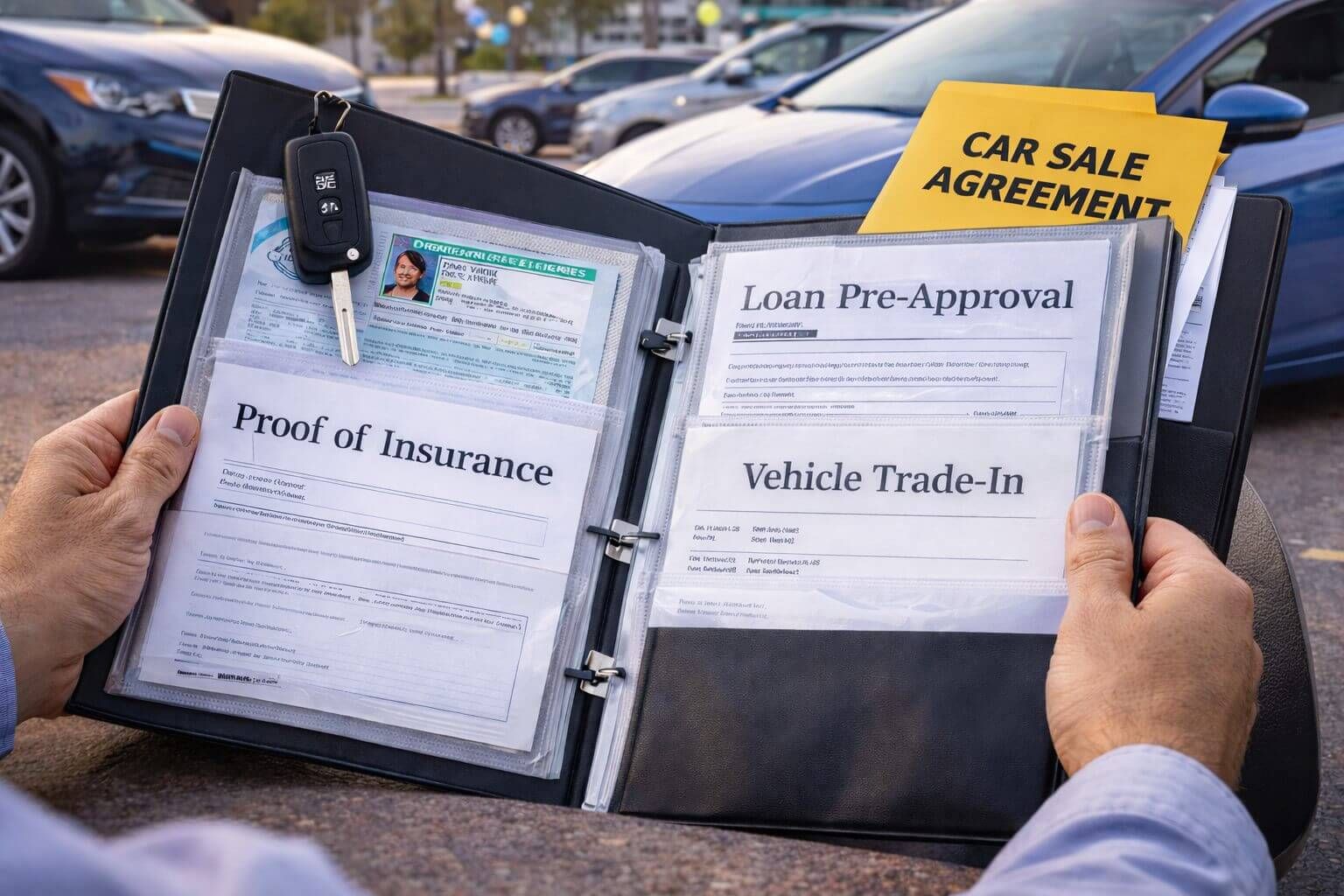
If the VIN check looks clean, the next step is to inspect the physical title or official electronic title record if your state uses one.
Check for:
- the seller’s name matching their ID
- the VIN matching the car
- no unexpected branding printed on the title
- no lienholder listed unless there is proof of release
- no signs of alteration or damage to the title document
Do not rely on verbal assurances. The paperwork matters.
Step 7: Watch for State-to-State Title Washing Risks
One reason VIN history matters is that some problem vehicles move across state lines. In some cases, a vehicle with serious prior damage may later appear with less obvious branding after being retitled elsewhere.
This is often called title washing. It does not always happen, but it is one reason you should review the vehicle’s broader history rather than trusting one document alone.
If a car has moved through several states, changed title status over time, or shows inconsistent records, take a closer look.
Step 8: Pair Title Checks With Other Vehicle Checks
A clear title is important, but it is only one part of the buying decision.
You should also review:
- accident history
- theft records
- open recalls
- mileage consistency
- vehicle specs and trim details
- ownership and sale history
For example, you can pair title findings with a VIN recall check to see whether the vehicle also has unresolved safety issues.
You can also verify the car’s original configuration through a vehicle specs by VIN lookup, which helps confirm that the trim, engine, and equipment match the listing.
Signs a Used Car May Not Have a Truly Clear Title
Even before you see the VIN results, some warning signs should make you slow down.
Watch for these red flags:
- the seller refuses to share the VIN before meeting
- the title is missing or “will be mailed later”
- the seller’s name does not match the title
- the price is far below market without a clear reason
- the vehicle has fresh repainting or uneven repairs but the seller claims no damage history
- the title looks altered, damaged, or incomplete
- the seller pressures you to pay before showing paperwork
One red flag does not always prove fraud, but several together should make you think twice.
Does a Clear Title Mean the Car Has Never Been in an Accident?
No. This is a common mistake.
A car can have a clear title and still have accident history. Not every accident leads to a salvage title or title brand. Some vehicles are repaired and remain clear-titled, especially if the damage was not severe enough to trigger a total loss designation.
That is why a buyer should never use title status alone as the only test.
Can You Buy a Car With a Rebuilt Title?
You can, but you should be very careful.
A rebuilt title means the vehicle was once salvage-branded and later repaired. Some rebuilt cars are restored well. Others are not. The risk level is higher, and resale value is usually lower.
If you are considering one, take extra precautions:
- get a full VIN history review
- ask for repair records and photos
- get a pre-purchase inspection from a trusted mechanic
- confirm insurance options before buying
- pay close attention to price versus market value
What to Do If the VIN Check Shows a Title Problem
If your VIN lookup reveals a problem, do not ignore it.
Here is what to do next:
- Ask the seller to explain the record.
- Request supporting documents.
- Compare the explanation with the title paperwork.
- Look for other history clues tied to accidents, insurance, or ownership changes.
- Decide whether the risk still makes sense for your budget and purpose.
In many cases, the safest move is to walk away and keep shopping.
What If You Do Not Have the VIN Yet?
Ask for it before you visit the car.
A serious seller should be willing to share the VIN so you can do your homework. If the seller refuses, that alone is a warning sign.
If you only have the plate number at first, you may be able to start with a license plate lookup and then continue your research once you get the full VIN.
Final Thoughts
Learning how to check a VIN number for a clear title before buying a used car can save you from major trouble. A quick title check can reveal whether the vehicle may have branding, lien issues, or ownership concerns that affect its value and legal status.
The best approach is simple: verify the VIN, run a title check, inspect the paperwork, compare the results with the seller’s story, and pair that research with a full vehicle history review.
A clean-looking car is not enough. A low price is not enough. Before you buy, make sure the title is as clean as the seller says it is.
Frequently Asked Questions
Can a VIN check tell me if a car has a clear title?
Yes, a VIN check can help reveal title-related records such as salvage, rebuilt, junk, flood, or lien-related warnings depending on the data available.
Is a clear title the same as a clean history?
No. A clear title only means the title does not show certain major branding problems. The car can still have accident history, repair issues, high mileage, or open recalls.
Should I buy a salvage-title car if it is cheap?
Low price alone is not enough. Salvage-title vehicles carry more risk, lower resale value, and possible financing or insurance issues.
Can a car have a lien even if the seller says it is paid off?
Yes. That is why you should ask for proof of lien release and review the title carefully.
What is title washing?
Title washing is when a vehicle with serious prior branding or damage history is moved through another state or process in a way that makes the branding less obvious. That is why a broader VIN history check matters.
Author
Graham Sutton
Graham Sutton is an automotive information writer covering VIN lookup tools, title status research, vehicle condition history, and resale-value risk factors. He creates detailed guides that help readers compare listings more effectively, identify hidden problems, and use vehicle history data to make safer buying decisions. His work is especially useful for shoppers who want a clearer picture of a vehicle before negotiating price.