When shopping for a used car, one of the biggest risks is hidden damage.
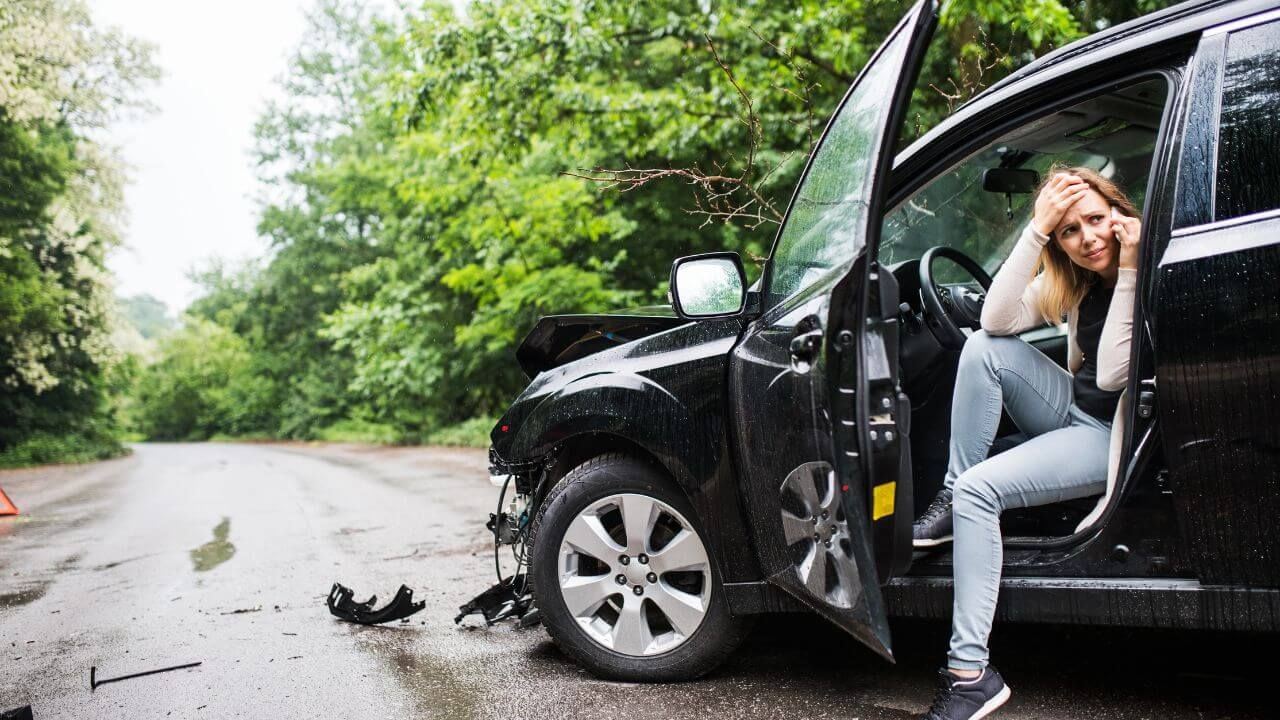
A vehicle may look clean, drive well during a short test drive, and still have a history of major collision repairs, flood exposure, or title branding that affects its safety, reliability, and value. That is why decoding VINs for damaged cars is such an important step before buying.
A VIN, or Vehicle Identification Number, helps you verify more than just the make and model. When used properly, it can help uncover warning signs tied to salvage history, rebuilt titles, flood exposure, and other vehicle history problems that a seller may not fully disclose.
What Does Decoding VINs for Damaged Cars Mean?
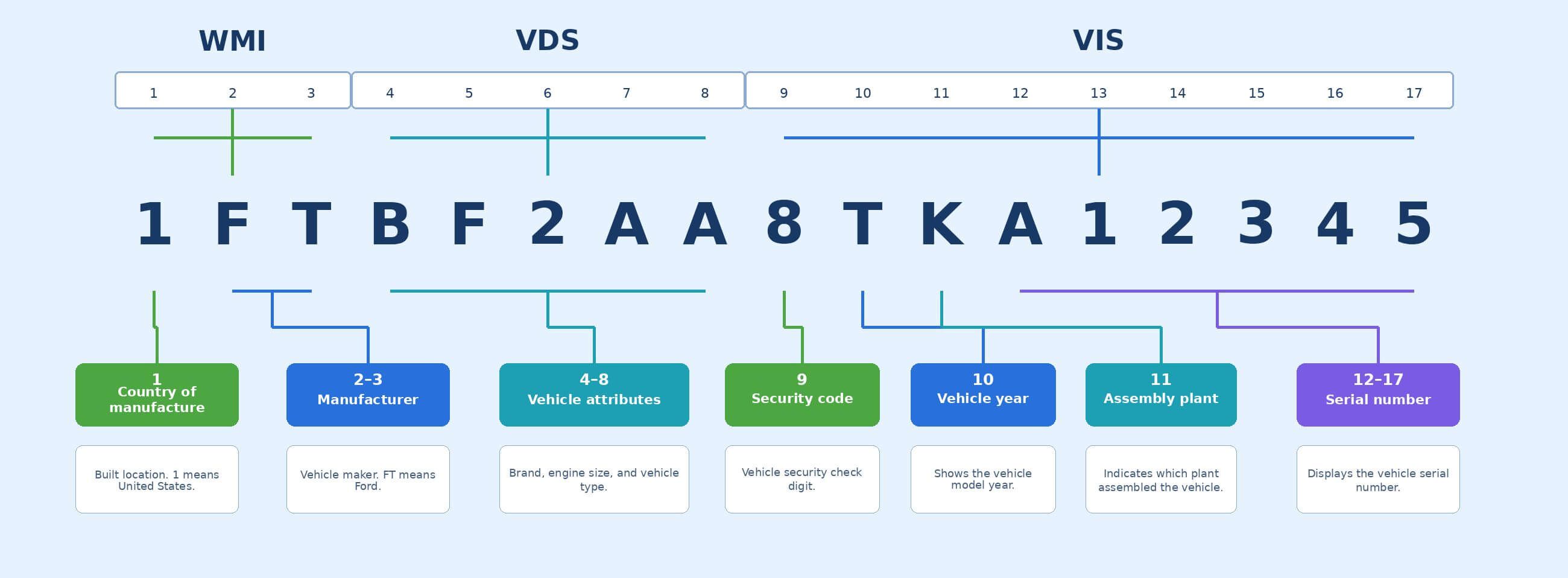
Decoding VINs for damaged cars means using the vehicle’s 17-character VIN to check for important details that may point to past damage or title problems.
A VIN check can help reveal whether a vehicle has been:
- declared a total loss by an insurance company
- issued a salvage title after severe damage
- repaired and retitled as rebuilt
- exposed to flooding or water damage
- linked to accident or mileage-related warning signs
This matters because many damaged vehicles are repaired and resold. Some are restored properly, but others are fixed only enough to look presentable, leaving buyers with expensive or dangerous problems later.
Why VIN Checks Matter Before Buying a Used Car
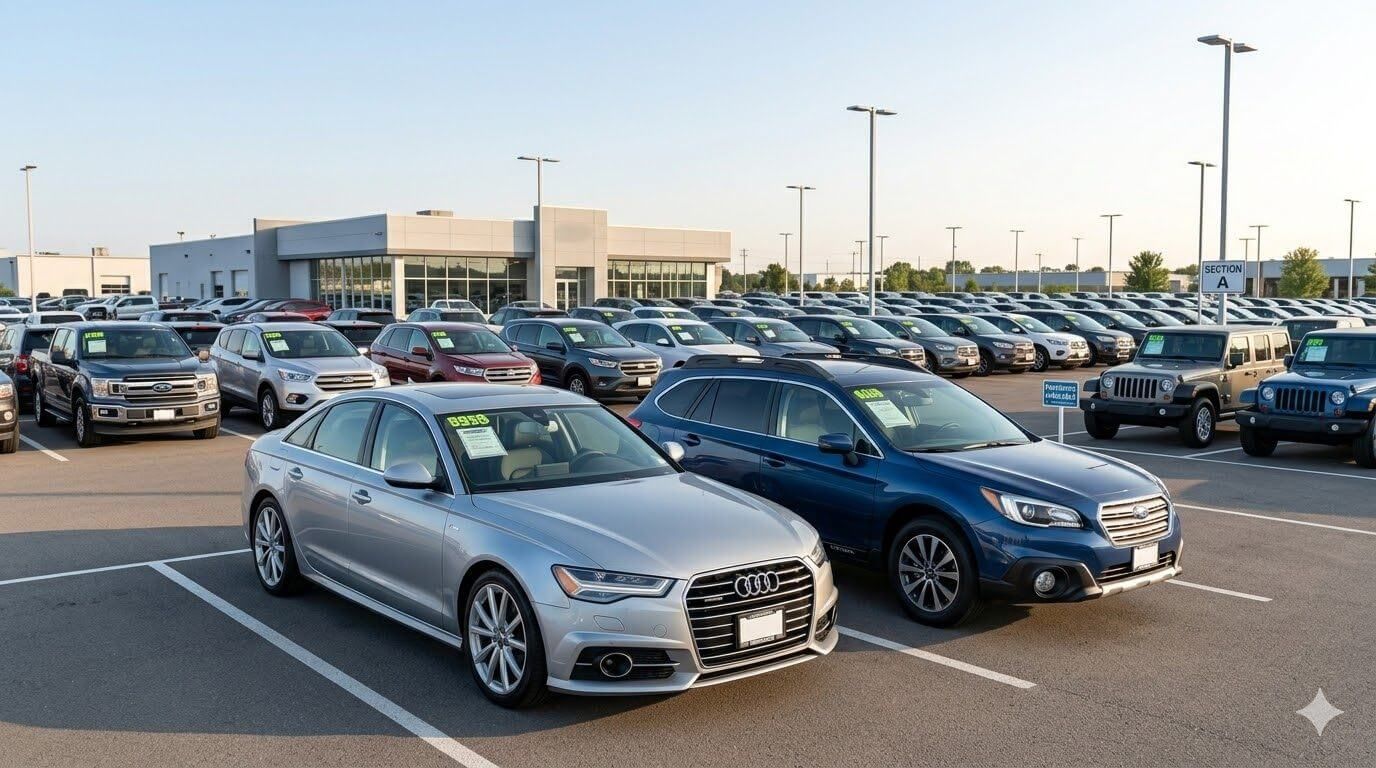
A used vehicle’s condition is not always obvious from appearance alone.
Fresh paint, cleaned interiors, and polished photos can hide a lot. A seller may not mention prior structural damage, flood exposure, or an insurance total loss. In some cases, the seller may not even know the full history.
Running a VIN check early helps you:
- screen out risky vehicles before wasting time
- spot title branding that affects value and insurability
- compare the seller’s claims with recorded vehicle history
- ask better questions before inspection or negotiation
- avoid overpaying for a vehicle with hidden damage
For a broader starting point, a free VIN decoder can help you begin checking a vehicle’s background before you commit further time or money.
Understanding the Difference Between Salvage, Rebuilt, and Flood-Damaged Vehicles
These terms are often grouped together, but they do not mean exactly the same thing.
Salvage title vehicles
A salvage title usually means the vehicle was declared a total loss by an insurance company after major damage, theft recovery, fire, flood, or another serious event.
In many cases, repair costs were considered too high compared to the vehicle’s market value.
Why salvage vehicles are risky
Salvage vehicles may have:
- structural damage that affects crash safety
- hidden mechanical issues
- incomplete or low-quality repairs
- limited insurance options
- lower resale value
A VIN check helps you identify whether a vehicle has been branded as salvage, which is critical when the current listing does not mention it clearly.
Rebuilt title vehicles
A rebuilt title means the vehicle was once salvage but was later repaired, inspected, and approved for road use under state rules.
That does not automatically make it a bad vehicle, but it does mean the car has a serious damage history.
Why rebuilt vehicles require extra caution
A rebuilt vehicle may still have:
- poor repair workmanship
- aftermarket or mismatched replacement parts
- unresolved alignment or electrical issues
- lower market value than a clean-title equivalent
VIN-based research helps you trace whether a vehicle moved from salvage to rebuilt status so you can evaluate it more carefully.
Flood-damaged vehicles
Flood-damaged vehicles have been exposed to significant water intrusion, often from hurricanes, storms, or severe flooding.
These vehicles can be especially dangerous because the worst issues may not appear right away.
Common flood damage risks
Flood-damaged cars may develop:
- corrosion in metal components
- electrical failures
- sensor and wiring problems
- mold, mildew, and interior contamination
- long-term reliability issues that are expensive to diagnose
If flood exposure is a concern, reviewing a flood damage car check can help you understand what to look for beyond surface appearance.
Can a VIN Really Help Identify a Damaged Car?
Yes, a VIN can help identify important red flags, but only if you use the right type of lookup and interpret the results correctly.
A VIN decoder alone may show basic vehicle specifications such as model year, engine type, and body style. A stronger VIN-based history check can go further by surfacing issues tied to title brands, past losses, accident records, theft records, or flood-related indicators.
That is why buyers should not stop at basic vehicle specs. When you are evaluating damage risk, the goal is to connect VIN information with broader history clues.
Why Basic VIN Decoders Are Not Always Enough
Some VIN tools are useful for identifying factory specs, but not all of them provide the level of detail buyers need before purchasing a used vehicle.
A basic decoder may tell you:
- make and model
- model year
- engine information
- body class
- manufacturing details
That is helpful, but it may not fully answer the questions that matter most when damage history is the real concern.
Important issues basic tools may miss
Depending on the source, a basic decoder may not fully surface:
- salvage or rebuilt branding
- flood-related history signals
- accident or insurance total loss indicators
- odometer problems
- ownership-related warning signs
That is why decoding VINs for damaged cars should be part of a broader verification process, not a one-click shortcut.
What to Look for When Checking a VIN for Damage History
When reviewing a vehicle before purchase, pay close attention to any result or clue related to:
- salvage title branding
- rebuilt title history
- flood exposure
- accident records
- odometer inconsistencies
- theft recovery history
- title transfer irregularities
You should also compare the VIN report with what you see on the vehicle itself. If the seller describes the car as clean and trouble-free, but the VIN-linked information suggests major prior damage, that is a serious warning sign.
If you want help understanding the bigger picture, how to read a vehicle history report is useful for interpreting what those findings actually mean.
Practical Steps to Protect Yourself Before Buying
If you are considering a used vehicle, follow these steps before making a decision:
1. Run a VIN check early
Check the VIN before scheduling a mechanic inspection or traveling to see the car. This helps you eliminate clearly risky vehicles sooner.
2. Watch for title branding
If the vehicle has been marked salvage, rebuilt, or flood-damaged, slow down and investigate further.
3. Inspect the car in person
Look for signs such as:
- mismatched paint
- uneven panel gaps
- rust in unusual places
- damp smells or stained upholstery
- warning lights or electrical issues
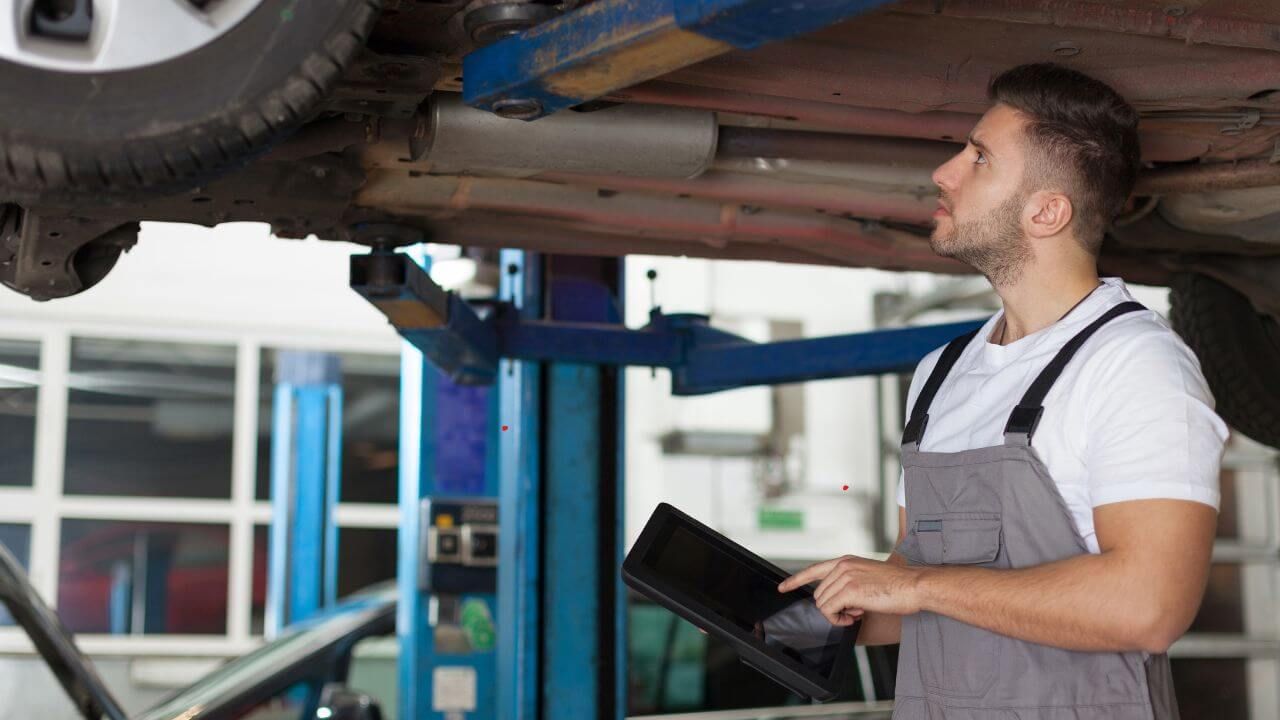
4. Get an independent mechanic inspection
A trusted mechanic can often spot damage repairs, frame issues, flood residue, or parts inconsistencies that the average buyer will miss.
5. Verify the seller’s claims
If the seller’s story does not match the VIN-based findings, that alone may be enough reason to walk away.
For buyers who want a stronger framework for used-car due diligence, vehicle history and VIN check guidance can help tie the research process together.
Common Mistakes Buyers Make with Damaged Vehicles
Many buyers run into trouble not because they skipped research entirely, but because they trusted the wrong signals.
Common mistakes include:
- relying only on the seller’s description
- checking specs but not title history
- assuming a rebuilt vehicle is the same as a clean-title vehicle
- ignoring signs of flood exposure
- skipping a mechanic inspection after finding red flags
Another common mistake is misunderstanding what branded titles mean. If you need a clearer explanation, branded titles can help you understand why title labels matter when assessing risk.
Frequently Asked Questions
Can a VIN check show if a car was salvage?
Yes, a VIN check can help reveal whether a vehicle has been branded as salvage, depending on the data source and the history available.
Is a rebuilt title always a bad sign?
Not always, but it is always a sign that the vehicle had serious prior damage. A rebuilt title should lead to closer inspection and more careful price comparison.
Can flood damage be hidden from buyers?
Yes. Some flood-damaged cars look normal on the surface, especially after cleaning and cosmetic repair. That is why VIN-based checks and careful inspection matter.
Should I buy a car with a salvage or rebuilt title?
That depends on the extent of the damage, repair quality, price, insurance availability, and your risk tolerance. In most cases, it should never be treated the same as a comparable clean-title vehicle.
Final Thoughts
Decoding VINs for damaged cars is one of the smartest ways to reduce risk when buying a used vehicle.
A VIN check can help uncover warning signs tied to salvage history, rebuilt titles, flood damage, and other vehicle history issues that could cost you money or compromise safety. While no single lookup tells the whole story, VIN-based research gives you a much stronger starting point than appearance alone.
Before buying, take the extra step to verify the vehicle’s background, inspect it carefully, and question anything that does not add up. A few minutes of research now can help you avoid a very expensive mistake later.
Author
Claire Holloway
Claire Holloway is a consumer automotive content specialist who covers registration history, title records, DMV-related research, and state-specific vehicle lookup guides. She creates easy-to-follow resources for buyers and sellers who want to verify a vehicle’s legal status, avoid hidden issues, and navigate documentation with more confidence. Her writing blends buyer education with clear, actionable guidance.